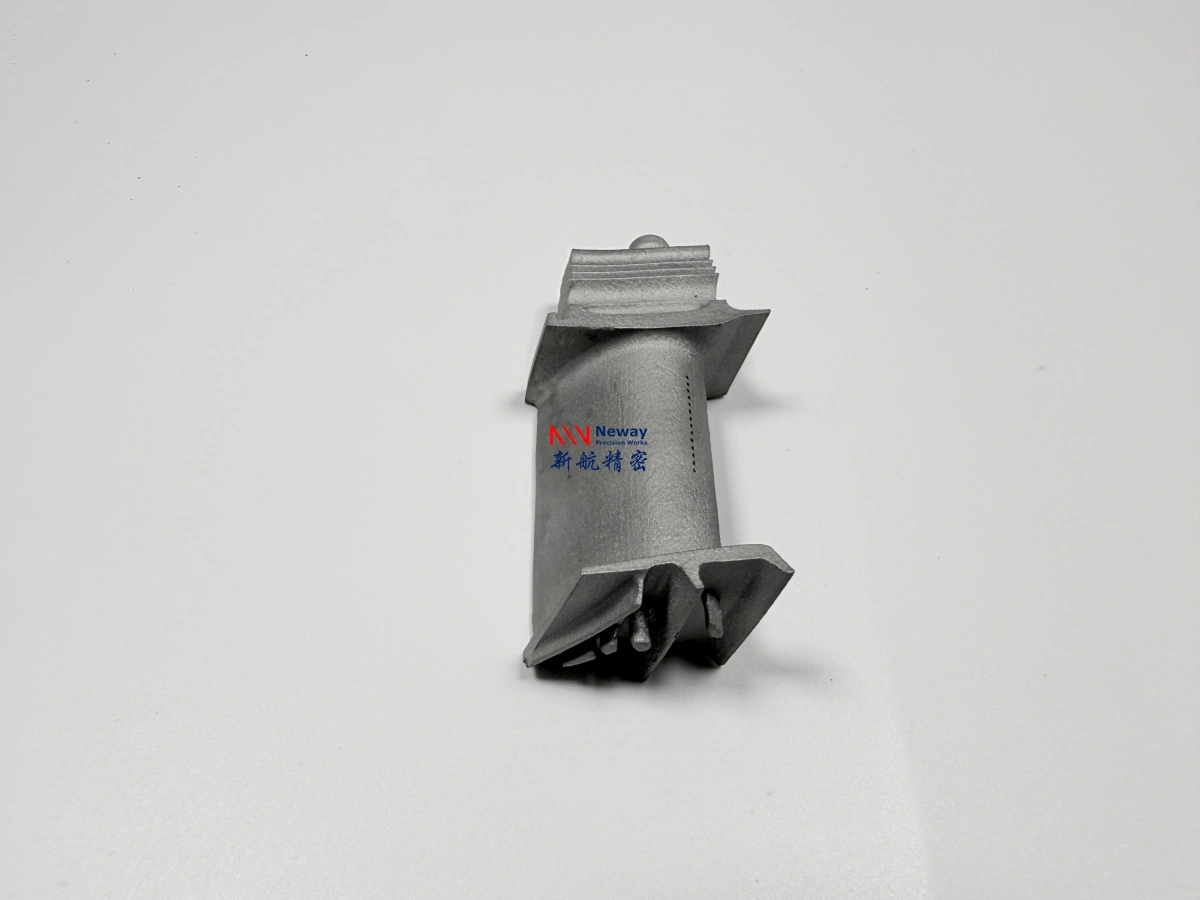
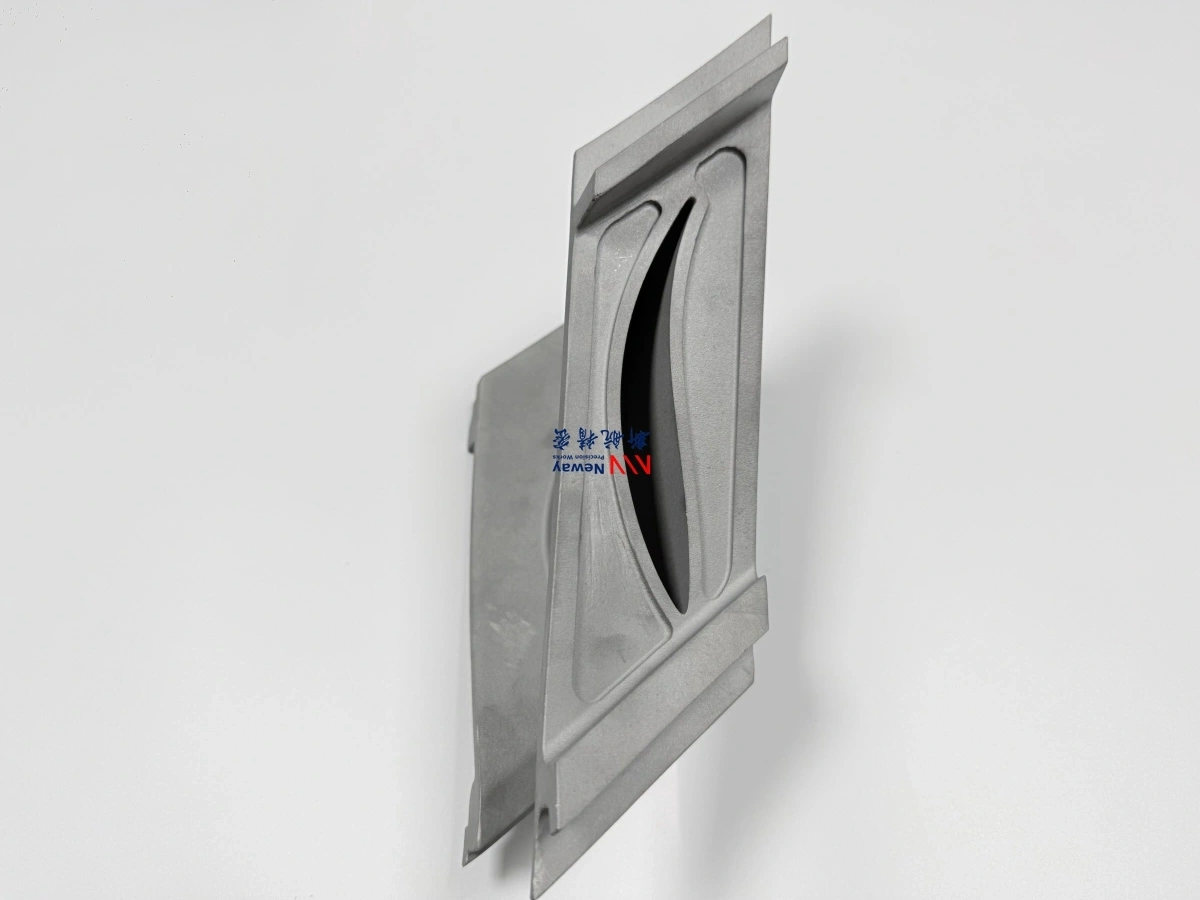
K444 Equiaxed Casting for 16-25MW Gas Turbine Component RFQs
K444 RFQ Boundary for Mid-Power Gas Turbines
A K444 equiaxed casting RFQ for 16-25MW gas turbine components should define the component duty before asking for price. K444 may be discussed for selected industrial gas turbine parts where an equiaxed crystal route fits the drawing, material requirement, and validation plan. The buyer's main risk is not only material selection; it is assuming that every hot-section component in a mid-power turbine can be quoted under the same casting route.
This article is written for mid-power industrial gas turbine component RFQs, such as UGT-class 16MW and 25MW maintenance or custom manufacturing projects, where buyers may compare K444, K452, K435, or other high-temperature alloy options. NewayAeroTech can review drawing-based K444 component requests based on drawings, samples, material notes, quantities, heat treatment requirements, inspection needs, and delivery condition. The work is custom manufacturing support from technical data, not standard spare-parts resale.
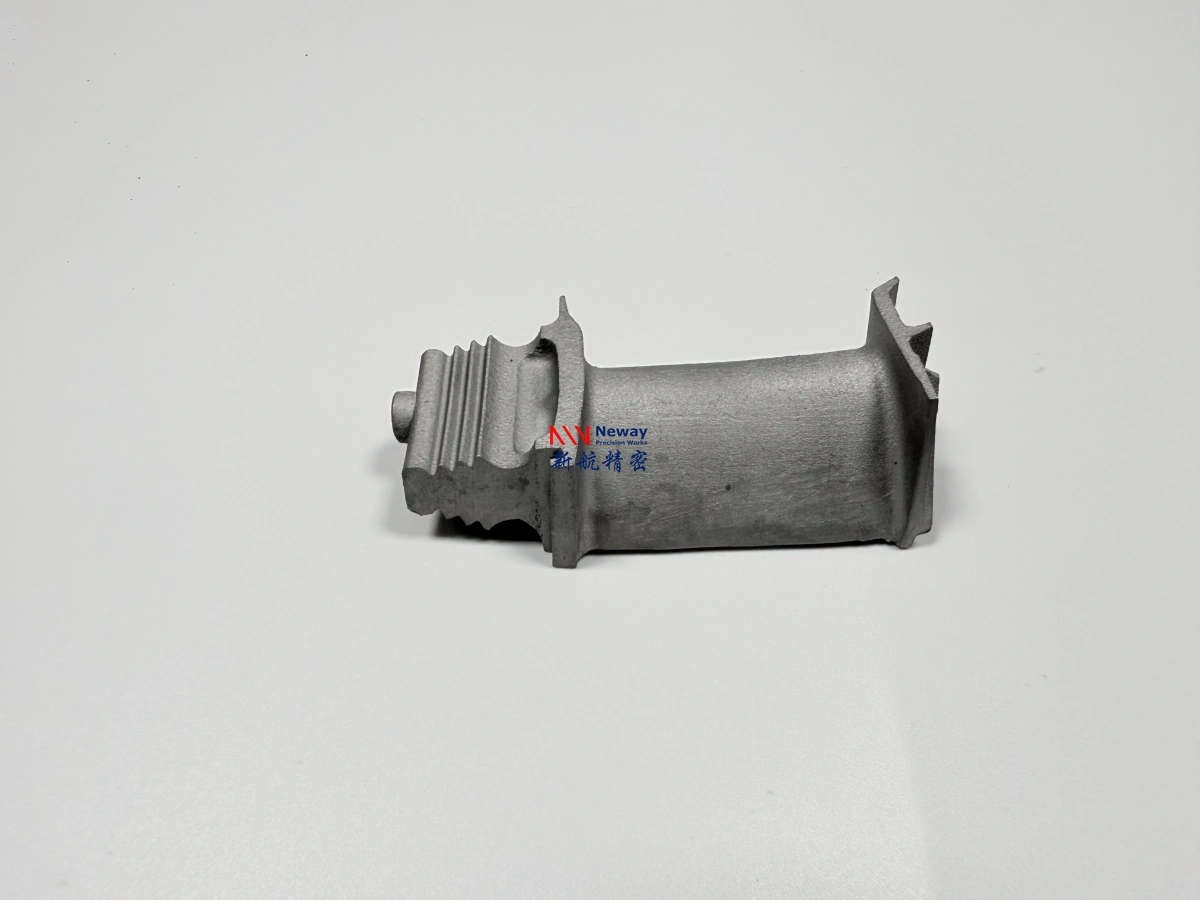
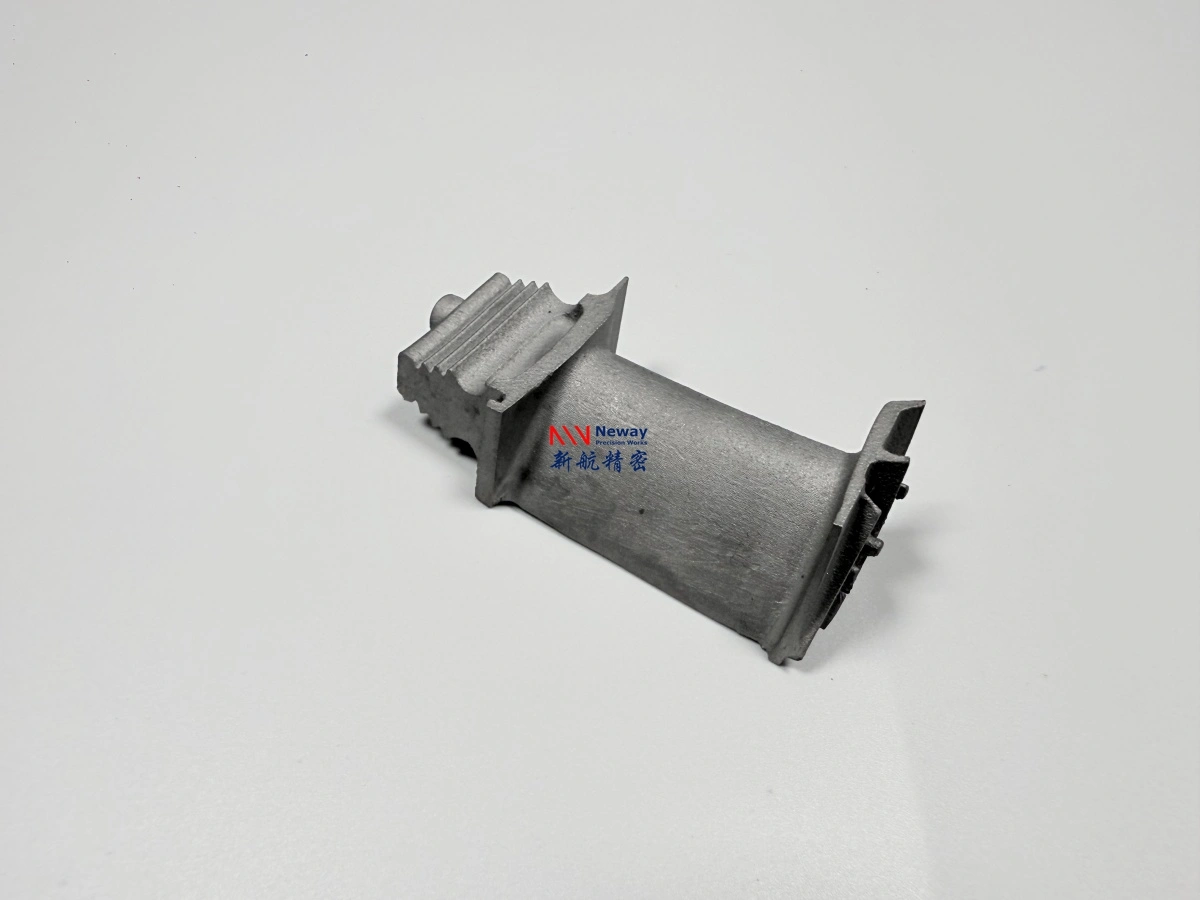
Why Equiaxed Casting Fits Some Mid-Power Components
Equiaxed crystal casting can be a practical route for selected static or moderately loaded gas turbine components when the buyer's drawing does not require directional solidification or single crystal structure. For 16-25MW industrial gas turbines, the review often starts with component function: vane, nozzle, static hot-section part, transition-related feature, seal component, or other high-temperature part. The alloy name alone does not decide the route.
K444 can be relevant when the buyer needs a high-temperature alloy casting route that balances manufacturability, heat treatment, inspection, and commercial feasibility. The buyer should still identify the working temperature range, whether the part is rotating or static, which surfaces are machined, whether coating preparation is needed, and which acceptance records are required. Without that information, an equiaxed quote may look attractive but fail to reflect the actual duty of the component.
Mid-Power RFQ Scenario | Where K444 May Be Reviewed | Route Boundary to Confirm |
|---|---|---|
16MW-class static hot-section components | Vanes, nozzles, and static parts where equiaxed structure is allowed by the drawing | Confirm alloy grade, heat condition, and whether DS or SX is excluded by specification |
25MW-class industrial turbine components | Static flow-path or support parts with high-temperature alloy requirements | Define casting, heat treatment, machining, inspection, and coating-preparation scope |
Maintenance-market replacement manufacturing | Sample-based or drawing-based custom manufacturing where exact route must be verified | Check missing drawing data, material verification, and validation plan before quote |
Prototype or small-batch production | Trial parts where tooling, route review, and first article evidence are needed | Separate prototype review from repeat production assumptions |
NewayAeroTech can review whether vacuum investment casting and equiaxed solidification are suitable for the supplied K444 component requirements. The supplier response should state assumptions rather than presenting one route as universally correct for every turbine part.
Vane, Nozzle and Static Part Suitability Map
K444 RFQs should be mapped by component type. A nozzle ring, vane, small static segment, combustor-adjacent feature, and sealing component can share a high-temperature environment while having different manufacturing risks. Some parts are controlled mainly by cast geometry and post-process machining. Others are controlled by flow-path surface quality, wall section, oxidation exposure, or assembly fit.
The suitability review should not promise that K444 equiaxed casting is correct for every component in a 16-25MW unit. Instead, it should help the buyer decide what evidence is needed. If the component carries high stress, has a route requirement in the drawing, or demands columnar or single crystal structure, then an equiaxed route may be inappropriate unless the buyer approves a technical change. If the component is static and the drawing permits equiaxed structure, the route may be reviewed with casting, heat treatment, machining, and inspection in one package.
Component Family | K444 Equiaxed Review Point | Buyer Decision Before Quotation |
|---|---|---|
Turbine vane or guide feature | Flow-path profile, platform faces, wall section, and surface inspection | Confirm whether the drawing permits equiaxed structure or requires DS/SX |
Nozzle or nozzle ring element | Gas path exposure, sealing face, assembly fit, and machining allowance | State blank, semi-finished, or finished delivery condition |
Static hot-section support part | Thermal cycling, oxidation exposure, dimensional stability, and heat treatment | Define working environment and inspection reports required |
Maintenance replacement component | Sample wear, missing material data, reverse measurement limit, and first article review | Provide sample condition, drawing revision, and validation responsibility |
For power generation turbine components, buyers should also separate platform names from manufacturing evidence. A platform reference can help frame the application, but the quotation should depend on drawings, material requirements, route selection, and acceptance records.
When DS or SX Should Stay on the Table
Equiaxed casting should not be used as a cost shortcut when the component needs directional solidification or single crystal casting. A buyer may ask for K444 because it appears in mid-power turbine experience, but the part function still matters. If the drawing specifies a DS material, columnar grain structure, a single crystal alloy, or a route tied to higher creep or thermal-fatigue demands, the supplier should flag the mismatch instead of quoting an easier route quietly.
The decision is especially important when the RFQ includes a blade, a high-duty vane, or a component with critical hot gas path exposure. In those cases, directional solidification casting or single crystal casting may remain part of the technical review. An equiaxed route can still be discussed as a separate feasibility option, but only when the buyer's engineering team permits it.
Route Question | Equiaxed Casting May Fit When | DS or SX Should Stay in Review When |
|---|---|---|
Static vane or nozzle part | The drawing allows equiaxed structure and the duty matches the inspection plan | The drawing requires columnar grain control or higher route evidence |
Rotating blade or bucket | Only for suitable lower-duty cases explicitly approved by the buyer | The blade requires DS or single crystal structure by specification |
Maintenance sample RFQ | Material and route can be verified from documents or approved by buyer review | The sample alone cannot prove a route change is acceptable |
Cost reduction request | The buyer requests a documented technical comparison | The original route is required by the drawing or acceptance plan |
This distinction protects the RFQ from hidden substitution. NewayAeroTech can review route choices, but the final route should remain tied to customer drawings, application duty, material requirement, and inspection standard. When route uncertainty exists, the quote should state assumptions and request missing data before tooling decisions are made.
Heat Treatment and Inspection Notes for K444
After K444 equiaxed casting, the RFQ should define thermal processing and inspection. Heat treatment may be required by the material condition or customer specification, and the inspection plan may need dimensional reports, FPI or DPI, X-ray or radiographic inspection, material verification, hardness testing, metallography, or other records depending on the part. The supplier should not assume that post-processing is included unless the RFQ states it.
Superalloy heat treatment decisions should be linked to the alloy and delivery condition. A cast blank may need different inspection timing from a machined and heat-treated finished component. If material testing and analysis is required, the buyer should define which records are mandatory before suppliers compare cost.
Quality Topic | Why It Matters for K444 RFQs | What Buyers Should Specify |
|---|---|---|
Heat treatment sequence | Links casting condition to final material requirement and machining order | Customer specification, report format, and whether heat treatment is included |
Dimensional inspection | Protects platform, sealing face, assembly surface, and machined datum control | CMM requirement, critical dimensions, and drawing revision |
Surface inspection | Checks surface-breaking indications after casting or machining | FPI/DPI requirement and inspection stage |
Internal quality review | Supports thick areas, transition regions, or critical static parts | X-ray or radiographic inspection requirement when needed |
Material verification | Confirms alloy identity and prevents vague high-temperature alloy assumptions | Chemical analysis or customer-required material records |
The correct inspection package depends on the component. A mid-power static part may not need the same records as a high-duty blade, but the buyer should decide that before the quotation. Adding inspection after supplier selection can change price and timing.
RFQ Package for UGT-Class Component Review
A useful K444 RFQ should tell the supplier whether the buyer needs a feasibility review, a prototype quote, a small-batch casting route, or a finished inspected component. The buyer should provide the 2D drawing, 3D model, material grade, quantity, target delivery condition, heat treatment requirements, coating or surface notes, inspection standard, working environment, and sample information if applicable. If the project involves a 16MW or 25MW industrial turbine family, the RFQ should still rely on the actual component drawing rather than the platform name alone.
NewayAeroTech can review K444 equiaxed casting requests when the technical data is sufficient to judge material, route, post-processing, and inspection scope. If the component may need K452, K435, DS casting, or another alloy route, the RFQ should ask for a comparison with clear assumptions rather than requesting a direct substitution. The best quote is a route proposal supported by engineering evidence, not just a unit price.
RFQ Data | Why It Matters | Common Missing Point |
|---|---|---|
Component drawing and 3D model | Defines geometry, wall section, datums, and machining access | Only photos or old sample dimensions are provided |
K444 material requirement | Links alloy choice to heat treatment, inspection, and route selection | Alloy family is named but exact grade is missing |
Component duty | Determines whether equiaxed casting is suitable or route comparison is needed | Part is called a turbine component without function or location |
Delivery condition | Separates cast blank, heat-treated blank, machined part, and inspected part | Finished surfaces and report requirements are not listed |
Quantity and project stage | Changes tooling, first article review, and batch planning | Prototype and production quantities are mixed together |
Send the drawing, 3D model, K444 material note, quantity, component function, heat treatment requirement, machining scope, and inspection standard. NewayAeroTech can review the project and suggest whether equiaxed casting is a suitable route for the custom gas turbine component.
Related FAQs
When is directional casting a better option for 6B turbine components?
How does grain structure affect creep and thermal fatigue resistance?
How should manufacturers balance durability, lead time, and cost for 6B castings?
How do materials affect DS, equiaxed, and single crystal route selection?
How does heat treatment differ for single crystal and equiaxed crystal castings?