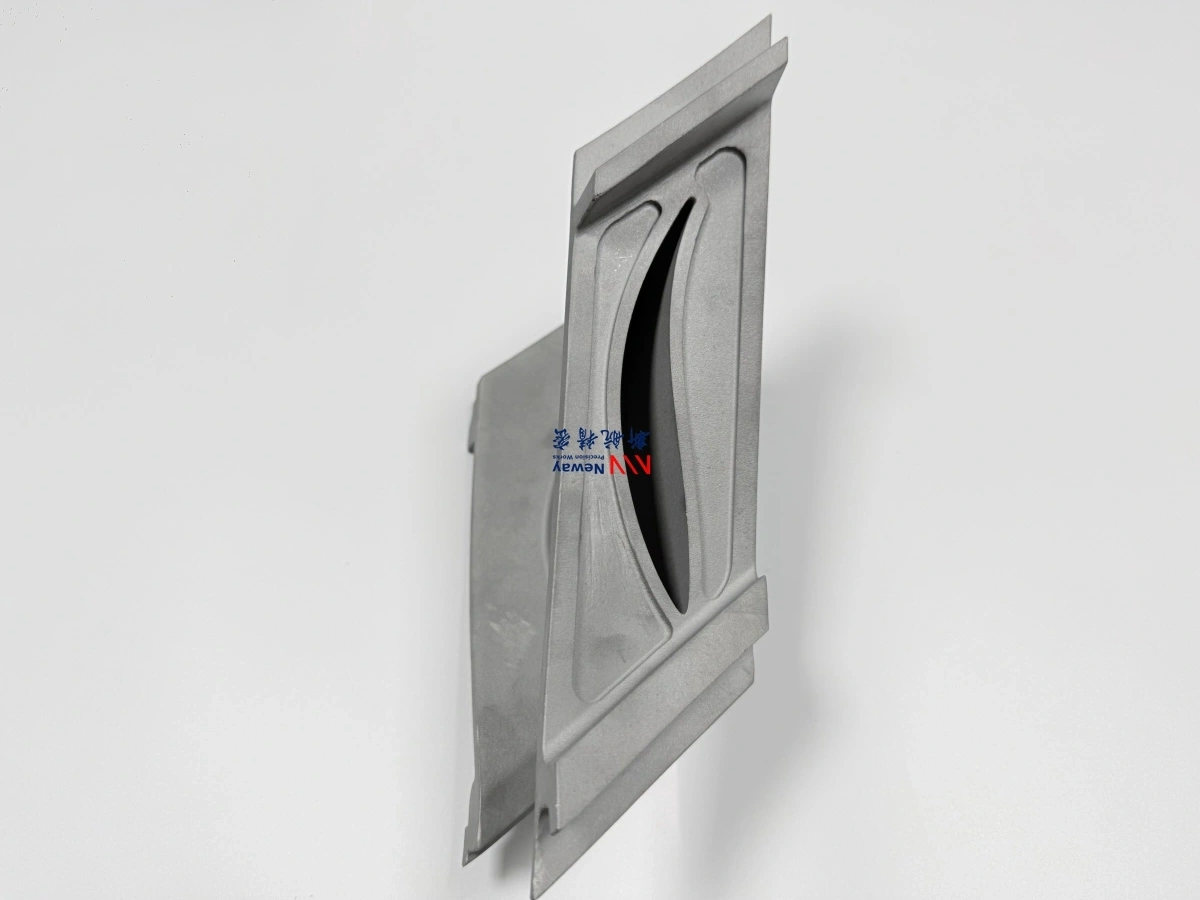
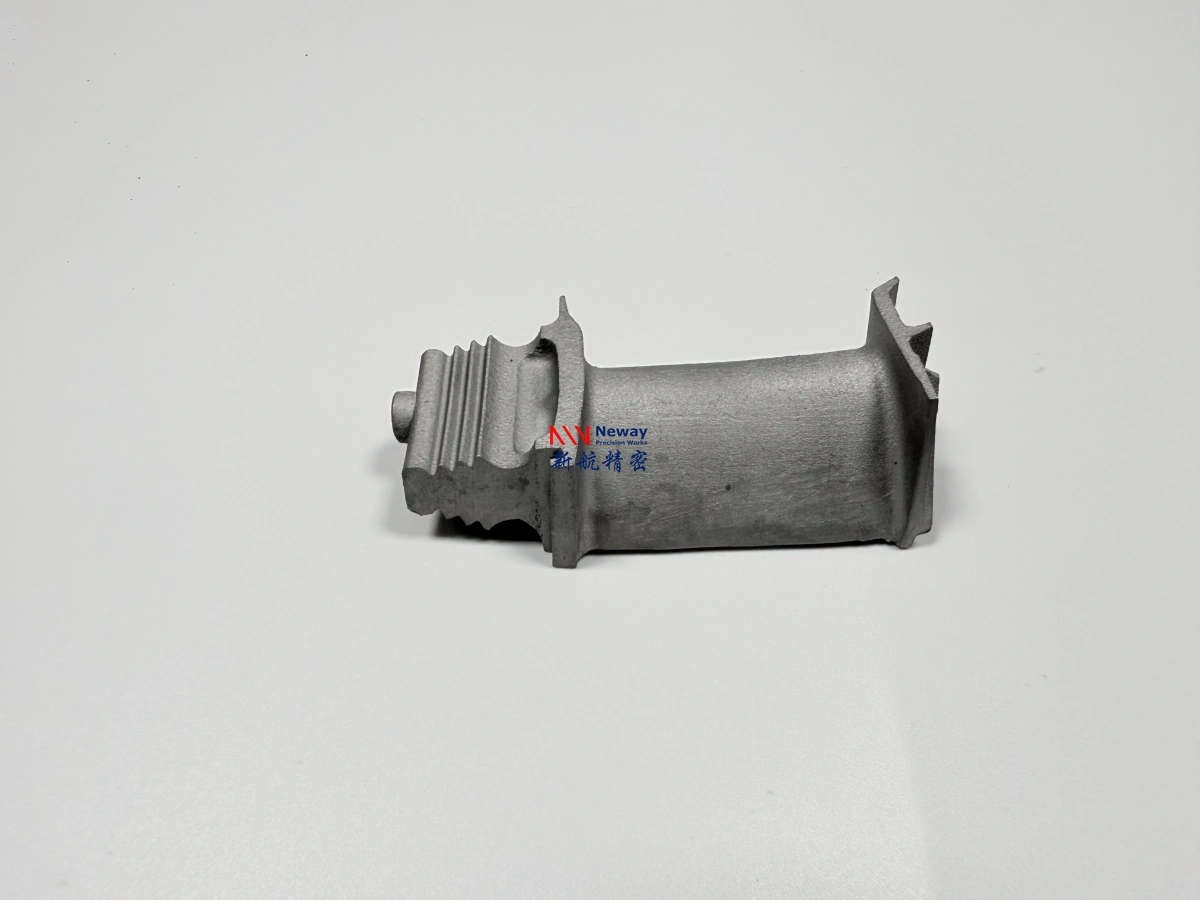
K452 and K465 Equiaxed Casting for Industrial Turbine Part RFQs
K452 and K465 RFQ Boundary for Industrial Turbine Parts
K452 and K465 equiaxed casting RFQs should be treated as alloy-approval and route-feasibility discussions, not as simple requests for "similar turbine alloy parts." These alloys may appear in industrial gas turbine component planning, but the buyer must define whether the part is a vane, nozzle, static hot-section component, seal segment, support feature, or another high-temperature component. The manufacturing decision depends on component duty, material specification, casting route, heat treatment, machining, and inspection evidence.
This article is different from a K444 mid-power turbine RFQ because it focuses on two related alloy choices and the purchasing question they create: can the supplier review K452 and K465 as specified materials without silently substituting one for the other? NewayAeroTech can review drawing-based custom manufacturing requests for K452 and K465 equiaxed turbine components when buyers provide drawings, material notes, quantities, heat treatment requirements, machining scope, inspection standards, and approval boundaries.
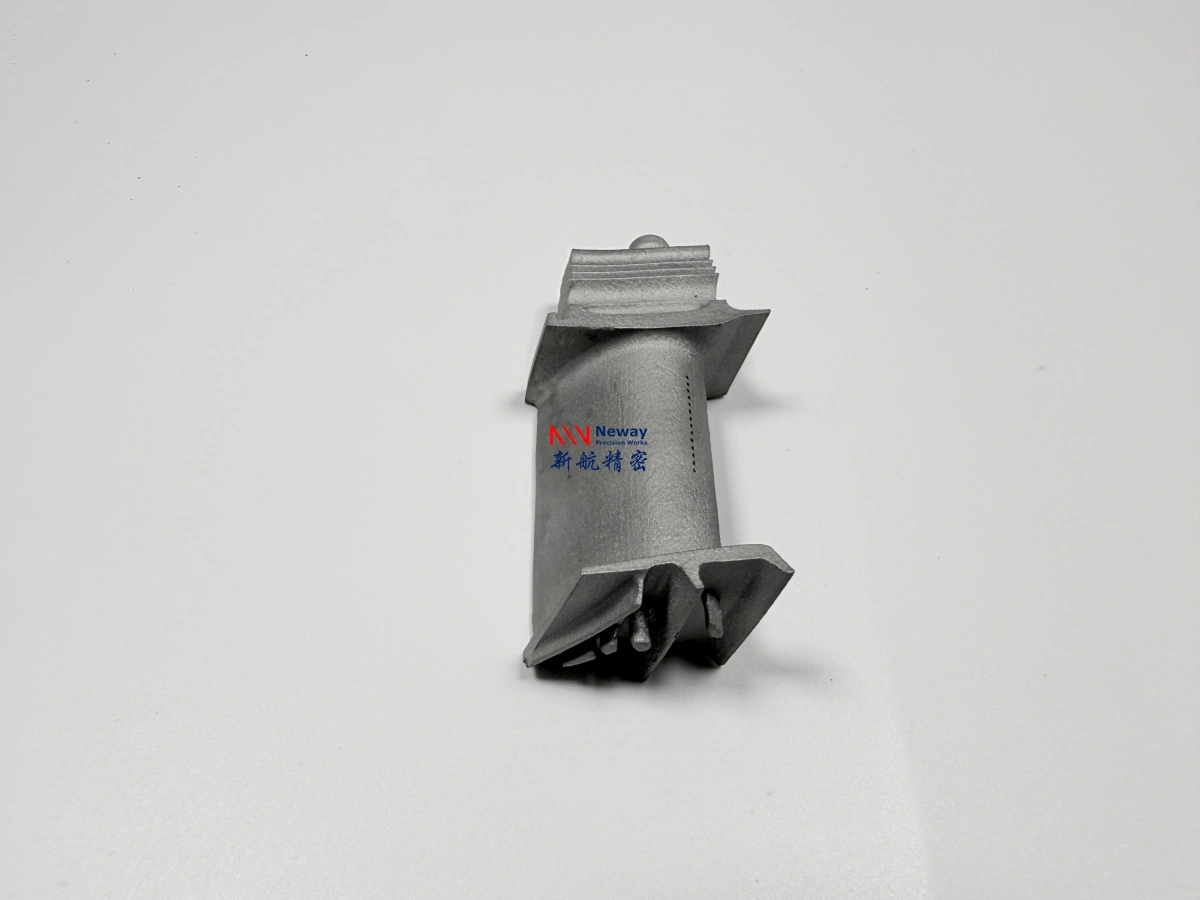
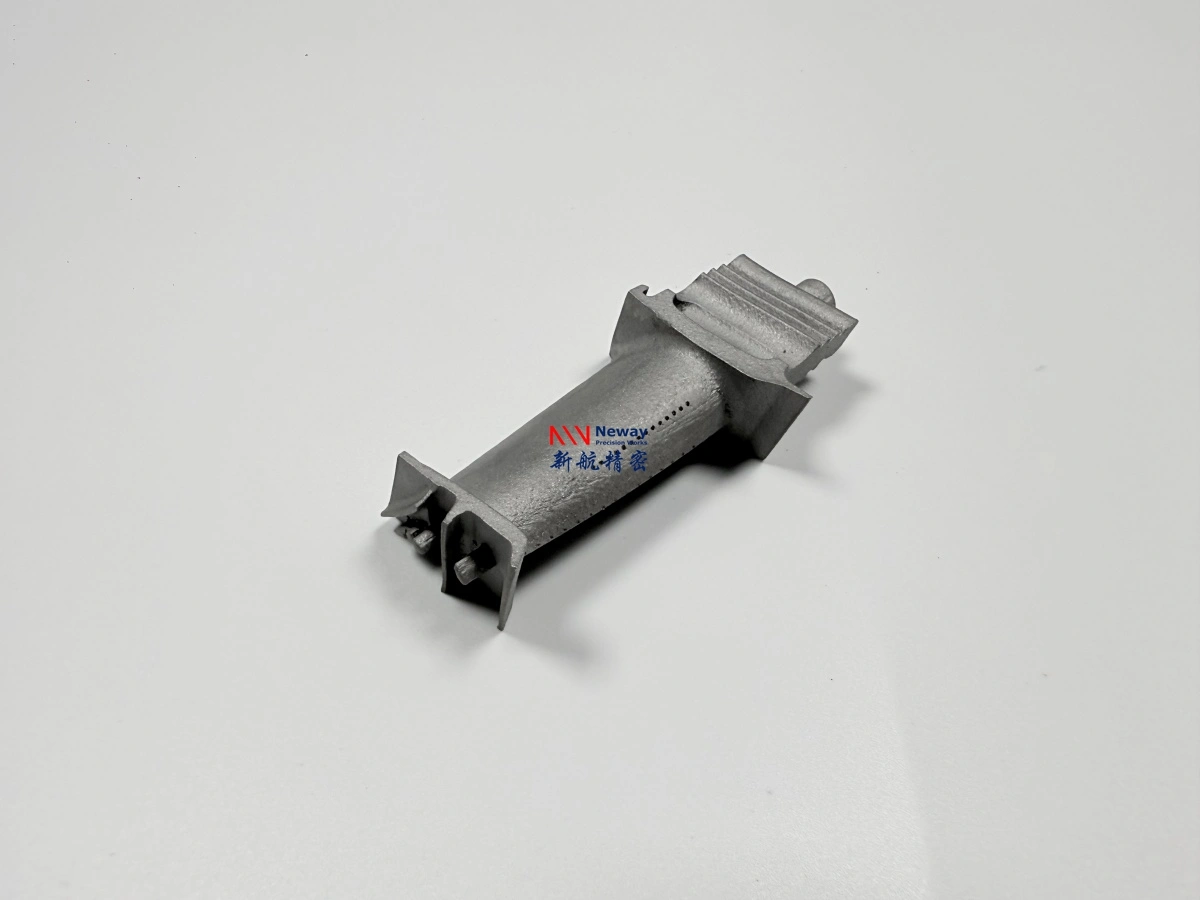
Where K452 and K465 Appear in Component Planning
K452 and K465 should be discussed with the component drawing in hand. A buyer may mention an industrial turbine family, but the supplier still needs to know the exact part type, hot-section location, geometry, working environment, and final delivery condition. A vane, nozzle part, shroud, seal segment, or support component may require different casting review even when the same alloy family is considered.
Equiaxed crystal casting may be suitable when the buyer's specification permits an equiaxed route and the component duty does not require directional solidification or single crystal structure. The RFQ should say whether the alloy is fixed by the drawing, proposed by the buyer, or open for engineering review. That distinction prevents material comparison from becoming an unapproved substitution.
Planning Item | K452 / K465 RFQ Meaning | Buyer Evidence Needed |
|---|---|---|
Material named in drawing | The supplier should quote that exact grade unless the buyer asks for an alternative review | Material specification, drawing revision, and heat condition |
Material proposed from sample | The sample may need chemical verification and dimensional review before route selection | Sample history, photos, previous reports, and acceptance boundary |
Material open for review | K452, K465, K444, or other alloys may be compared only as conditional options | Operating environment, component duty, and buyer approval process |
Route already specified | The quote should preserve the required equiaxed, DS, or other route | Drawing route note, inspection requirement, and validation plan |
NewayAeroTech can support power generation turbine component reviews when the request is based on technical data. The supplier response should name the open assumptions instead of treating platform names, alloy names, and component types as enough information for manufacturing.
Equiaxed Route Decisions Without Silent Alloy Substitution
The most important commercial risk in a K452 or K465 RFQ is hidden substitution. Buyers may ask for one alloy while accepting discussion of another; however, that decision should be explicit. If the drawing names K452, the quote should not quietly shift to K465. If K465 is required, the supplier should not treat K452 as equivalent without buyer approval. If the buyer requests both as alternatives, the quotation should explain the assumed route, heat treatment, machining, and inspection package for each option.
Route selection should also remain separate from alloy substitution. An equiaxed casting route may fit selected industrial turbine parts, but some components may need directional solidification casting or another route depending on duty and specification. The supplier should flag route mismatch before tooling or first article work begins.
RFQ Situation | Correct Supplier Response | Risk if Unclear |
|---|---|---|
Drawing specifies K452 | Quote K452 and list any alternative only as a buyer-approved option | Uncontrolled material substitution and invalid comparison |
Drawing specifies K465 | Quote K465 with the required heat treatment and inspection assumptions | Different alloy condition may be assumed without evidence |
Buyer asks for K452/K465 comparison | Separate material, route, post-processing, and inspection assumptions for each option | Price comparison may hide route and evidence differences |
Sample has no material record | Recommend material verification before final route quotation | Sample appearance may drive the wrong alloy or process selection |
For custom manufacturing, the safest quotation is often conditional until the material approval boundary is clear. NewayAeroTech can review route feasibility, but final material selection should remain tied to customer drawings, specifications, and engineering approval.
Material Approval and Supplier Feasibility Questions
K452 and K465 RFQs should include a material approval section. Buyers should tell suppliers whether the material is frozen, whether alternatives are allowed, who approves route changes, and what evidence must be supplied before production. This matters most in maintenance and small-batch programs where a sample may exist but drawings, old specifications, or inspection records may be incomplete.
Supplier feasibility review should happen before tooling. The review can address part geometry, castability, wall section, machining allowance, thermal processing, inspection evidence, and first article validation. If the component is difficult to cast or machine, the supplier should identify the missing information rather than issuing a quick price with hidden assumptions.
Feasibility Question | Why It Matters | Buyer Data to Send |
|---|---|---|
Is K452 or K465 fixed by the drawing? | Controls material responsibility and prevents unapproved alternatives | Drawing note, material standard, and approval authority |
Can the geometry be equiaxed cast? | Checks wall section, fillet, transition, and local mass risk before tooling | 3D model, 2D drawing, critical surfaces, and tolerance table |
What post-processing is expected? | Separates rough casting from heat-treated or machined component scope | Heat treatment, machining, coating, and delivery condition notes |
Which inspections are mandatory? | Defines material verification, CMM, FPI, X-ray, metallography, or other records | Inspection standard and report list before quotation |
Is first article approval required? | Changes timing, documentation, and production release planning | Sample approval method, acceptance criteria, and batch quantity |
This type of review is practical for prototype, trial-lot, or small-batch industrial turbine component programs. It also protects buyers from comparing one supplier's rough casting quote with another supplier's finished and inspected component quote.
Post-Casting Machining and Inspection Evidence
K452 and K465 equiaxed castings may need machining after casting and heat treatment. Machined surfaces can include platform faces, mounting surfaces, seal lands, nozzle or vane interfaces, bolt features, and assembly datums. The RFQ should state whether NewayAeroTech is expected to supply a cast blank, a heat-treated casting, a machined semi-finished part, or a finished inspected component.
Superalloy CNC machining should be discussed before casting when final dimensions are important. Machining allowance, datum order, tool access, and surface finish can affect both casting design and post-process cost. Inspection evidence should then be selected around the finished condition, not added as an afterthought.
Post-Casting Scope | Manufacturing Responsibility | Inspection Evidence to Discuss |
|---|---|---|
Cast blank | Equiaxed casting route, basic material responsibility, rough geometry | Visual, dimensional, and any required casting quality record |
Heat-treated casting | Casting plus thermal processing according to customer requirement | Heat treatment record and inspection timing after processing |
Machined component | Casting, allowance planning, machining datums, and finished surfaces | CMM report, surface finish, and dimensional acceptance evidence |
Finished inspected component | Combined casting, heat treatment, machining, and required quality records | FPI/DPI, X-ray if required, material verification, CMM, and final report package |
NewayAeroTech can support vacuum investment casting, machining, and inspection planning for suitable K452 and K465 industrial turbine parts. Buyers should request the same delivery condition from each supplier before comparing quotations.
RFQ Data Before Tooling and Trial Parts
A K452 or K465 RFQ should be complete enough to support feasibility review before tooling begins. Buyers should send the 2D drawing, 3D model, exact material requirement, component function, quantity, project stage, route requirement, heat treatment notes, machining scope, coating or surface requirements, inspection standards, and any sample or previous report. If the project is sample-based, the buyer should state whether dimensional capture and material verification are required before a trial part is manufactured.
The final supplier response should show what is included and what remains conditional. If material approval is not complete, the quote should say so. If route selection depends on inspection or customer review, that assumption should be visible. If the buyer wants a small batch after first article validation, the quote should separate first article work from repeat production.
RFQ Data | Why It Changes the Quote | Recommended Format |
|---|---|---|
Material approval status | Controls whether K452, K465, or alternatives may be quoted | Approved material, conditional option, or review request |
Component drawing | Defines wall section, datums, machining access, and critical surfaces | 2D PDF, 3D CAD, revision level, and marked risk surfaces |
Delivery condition | Separates casting-only, heat-treated, machined, and inspected scope | Clear line item for each included operation |
Inspection requirement | Controls report cost, timing, and acceptance evidence | CMM, FPI, X-ray, chemistry, metallography, or other required records |
Project stage | Changes tooling, first article review, and batch assumptions | Prototype, sample validation, trial lot, or repeat production |
Send the drawing, 3D model, exact K452 or K465 requirement, quantity, heat treatment notes, machining scope, material approval boundary, and inspection standards. NewayAeroTech can review the project and suggest an equiaxed casting route for suitable industrial turbine components based on the supplied technical requirements.
Related FAQs