
ما هو الطرق المتساوي الحرارة للسبائك عالية الحرارة؟
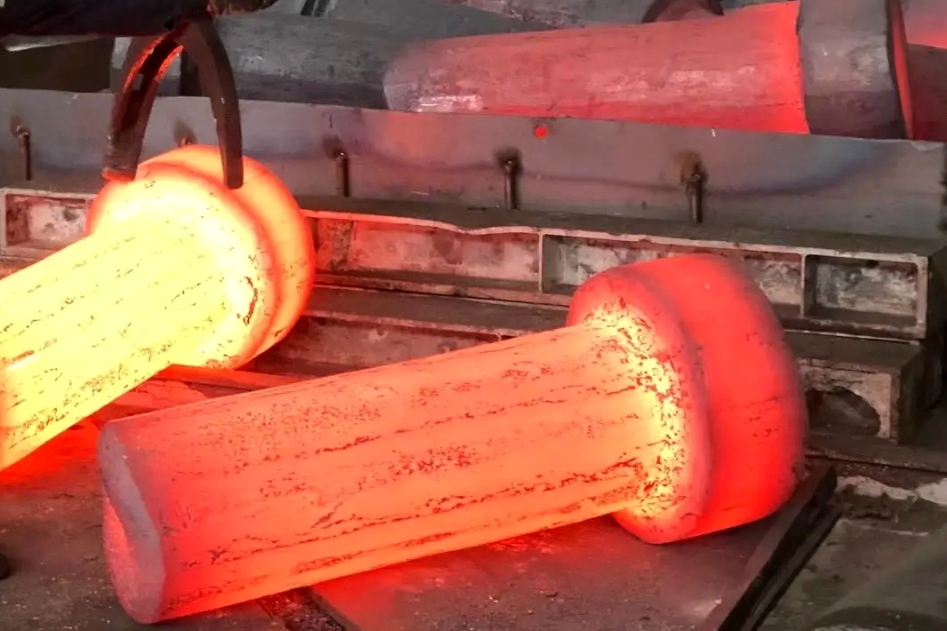
الحدادة متساوية الحرارة هي عملية متخصصة في تشغيل المعادن تُستخدم غالبًا لتصنيع مكوّنات من Inconel، وHastelloy، وسبائك CMSX من السبائك عالية الحرارة. تُستخدم هذه السبائك بشكل شائع في الفضاء والطيران، وتوليد الطاقة، والصناعات العسكرية والدفاعية، حيث يكون الأداء العالي تحت الظروف القاسية مطلوبًا. تتضمن عملية الحدادة تشكيل المعادن عبر تطبيق الحرارة والضغط، وتتميّز الحدادة متساوية الحرارة بالتحكم الدقيق في درجة الحرارة. وينتج عن ذلك أجزاء تتمتع بخصائص ميكانيكية محسّنة، وهو ما يفيد التطبيقات في البيئات عالية الإجهاد.
سيتناول هذا المقال عملية الحدادة متساوية الحرارة، وأهميتها الحاسمة للسبائك عالية الحرارة، وكيف تسهم في إنتاج مكوّنات عالية الجودة قادرة على تحمل ظروف التشغيل القاسية.
الأساس العلمي وراء الحدادة متساوية الحرارة
الحدادة متساوية الحرارة هي عملية عالية التحكم يتم فيها الحفاظ على قطعة الشغل والقالب عند نفس درجة الحرارة المرتفعة طوال العملية. وعلى عكس طرق الحدادة التقليدية التي تكون فيها درجة حرارة القالب أقل، تحافظ الحدادة متساوية الحرارة على التجانس، مما يساعد على تقليل العيوب مثل الإجهادات والشقوق. ويضمن التحكم المتسق في درجة الحرارة بقاء السبيكة في حالة فائقة اللدونة، مما يسمح بتشوه كبير دون حدوث تشققات وينتج أشكالًا دقيقة وتشطيبات سطحية ممتازة.
تفيد تقنية الحدادة هذه السبائك عالية الحرارة، إذ تنتج مكوّنات تتمتع بقوة استثنائية ومتانة ومقاومة للإجهاد. وتضمن الحدادة متساوية الحرارة الحفاظ على سلامة المادة، مما يجعلها مناسبة لمكوّنات مثل شفرات التوربينات التي تعمل تحت ظروف حرارية وميكانيكية قاسية.
لماذا تُستخدم الحدادة متساوية الحرارة للسبائك عالية الحرارة؟
��������م تصميم السبائك عالية الحرارة، مثل Nimonic وسبائك Rene، للعمل تحت إجهادات حرارية وميكانيكية شديدة. ويمنحها تركيبها، الذي يكون عادةً غنيًا بالنيكل والكوبالت والكروم، ثباتًا حراريًا ممتازًا ومقاومة عالية للأكسدة. وتجعلها هذه الخصائص مثالية لمحركات التوربينات الغازية، ومحركات الطائرات النفاثة، والمفاعلات النووية، وغيرها من البيئات عالية الإجهاد. ومع ذلك، فإن مقاومتها للتشوه تجعل طرق الحدادة التقليدية صعبة.
مع الحدادة متساوية الحرارة، تُبقي درجة الحرارة المرتفعة الثابتة السبيكة في حالة أكثر قابلية للتشكيل، مما يمنع العيوب مثل التشقق أو عدم اتساق حجم الحبيبات. وينتج عن ذلك مكوّنات ذات قوة زحف ممتازة وخصائص ميكانيكية عالية، مما يجعل الحدادة متساوية الحرارة طريقة مفضلة لمكوّنات السبائك الفائقة.
عملية الحدادة متساوية الحرارة خطوة بخطوة
تتضمن عملية الحدادة متساوية الحرارة عدة خطوات يتم التحكم فيها بعناية لضمان أن المنتج النهائي يلبي المتطلبات الصارمة لتطبيقات السبائك عالية الحرارة.
1. تحضير القالب ومواد السبيكة
تبدأ العملية بتحضير كل من القالب وقطعة الشغل المصنوعة من السبيكة. يتم تصميم القالب ليتوافق مع الشكل الدقيق للمكوّن المطلوب، ويُصنع من مادة قادرة على تحمل درجات الحرارة العالية والاستخدام المتكرر. ويتم تسخين قطعة الشغل إلى درجة حرارة مناسبة لسبيكتها، مثل CMSX-4، مع ضمان بقاء خصائص المادة متسقة.
2. التسخين إلى درجة حرارة الحدادة
يتم تسخين كل من قطعة الشغل والقالب إلى نفس درجة الحرارة المستهدفة، والتي تتراوح بين 900°C و1250°C. فعلى سبيل المثال، يتطلب Inconel 718 الحفاظ على درجة حرارة دقيقة، إذ إن الحدادة متساوية الحرارة تضمن تجانس المادة وقوتها طوال عملية الحدادة.
3. عملية الحدادة
بمجرد وصول المكوّنات إلى درجة الحرارة المستهدفة، توضع قطعة الشغل داخل القالب المُسخّن ويتم تطبيق الضغط. وتتضمن عملية الحدادة متساوية الحرارة تطبيق الضغط بشكل مستمر، مما يسمح للمادة بالتشوه لدنياً دون حدوث تشققات. وتضمن هذه التقنية بقاء البنية الحبيبية سليمة، وهو أمر حيوي لمكوّنات مثل أقراص التوربينات.
4. ا�تب�يد و�ل�مليات اللاحقة للحدادة
بعد الحدادة، يُعد التبريد المتحكم فيه أمرًا بالغ الأهمية للحفاظ على البنية الحبيبية الموحدة للمكوّن. واعتمادًا على المتطلبات، قد تكون هناك حاجة إلى عمليات لاحقة إضافية، مثل المعالجة الحرارية أو التشغيل باستخدام CNC، للوصول بالمكوّن إلى مواصفاته النهائية.
المزايا الرئيسية للحدادة متساوية الحرارة
الحدادة متساوية الحرارة توفر العديد من المزايا لمكوّنات السبائك عالية الحرارة في الصناعات التي تتطلب أداءً مرتفعًا.
1. بنية حبيبية موحدة
يؤدي الحفاظ على درجة حرارة ثابتة أثناء الحدادة إلى إنتاج بنية حبيبية موحدة، مما ينتج عنه مكوّنات ذات خصائص ميكانيكية فائقة ومقاومة محسنة للإجهاد المتكرر.
2. تقليل العيوب
من خلال الحفاظ على درجة حرارة ثابتة، تقلل الحدادة متساوية الحرارة من العيوب مثل المسامية والإجهادات المتبقية. ويضمن ذلك تحكمًا أكبر في تدفق المادة ويقلل العيوب في المكوّنات الحرجة مثل شفرات توربينات الطيران.
3. تحسين الخصائص الميكانيكية
تُظهر المكوّنات التي تُحدّد باستخدام العملية متساوية الحرارة خصائص ميكانيكية محسّنة، بما في ذلك قوة شد أفضل وقوة زحف أعلى، وهي خصائص ضرورية لأجزاء مثل توربينات المحركات النفاثة ومكوّنات المفاعلات.
4. الأشكال الهندسية المعقدة
تسمح الحالة فائقة اللدونة بإنتاج أشكال هندسية معقدة، مما يجعل الحدادة متساوية الحرارة مناسبة للمكوّنات ذات الأشكال المعقدة مثل آليات قضبان التحكم.
5. ارتفاع كفاءة استخدام المواد
توفر العملية أيضًا كفاءة عالية في استخدام المواد مع حد أدنى من الهدر، وهو ما يكون مفيدًا بشكل خاص عند العمل على سبائك باهظة الثمن مثل Ti-6Al-4V (TC4).
الصناعات والتطبيقات
الحدادة متساوية الحرارة تُستخدم على نطاق واسع في الصناعات التي تتطلب خصائص ميكانيكية فائقة ومقاومة حرارية عالية:
1. الفضاء والطيران
في صناعة الطيران والفضاء، �ُس�خ�م �لحدادة متساوية الحرارة لإنتاج مكوّنات حرجة مثل توربينات المحركات النفاثة وشفرات الضواغط. ويجب أن تتحمل هذه المكوّنات إجهادات حرارية وميكانيكية شديدة.
2. توليد الطاقة
تستفيد التوربينات الغازية المستخدمة في توليد الطاقة من الحدادة متساوية الحرارة بسبب حاجتها إلى قوة عالية في درجات الحرارة المرتفعة. ويضمن ذلك قدرة مكوّنات مثل شفرات التوربينات على تحمل ظروف الإجهاد العالية دون فشل.
3. الصناعات العسكرية والدفاعية
تستخدم الصناعات العسكرية والدفاعية الحدادة متساوية الحرارة لمكوّنات مثل المحركات النفاثة، حيث تكون الموثوقية أمرًا بالغ الأهمية تحت الظروف القاسية.
4. الطاقة النووية
تُستخدم الحدادة متساوية الحرارة أيضًا في مكوّنات المفاعلات النووية، بما في ذلك المكوّنات الداخلية للمفاعل التي تتطلب القوة ومقاومة الإشعاع والمتانة.
التحديات في الحدادة متساوية الحرارة
1. ارتفاع التكاليف
تنطوي عملية الحدادة متساوية الحرارة على تكاليف مرتفعة بسبب المعدات المتخصصة والطاقة اللازمة للحفاظ على درجات حرارة ثابتة. وقد تكون معدات مثل الضغط المتساوي الساخن (HIP) مكلفة في التشغيل.
2. الخبرة الفنية
تتطلب الحدادة متساوية الحرارة أفرادًا ذوي مهارة من أجل التحكم الدقيق في درجة الحرارة والتعامل الحذر مع المواد، لضمان أن تؤدي معايير الحدادة إلى مكوّنات عالية الجودة.
الابتكارات التكنولوجية والاتجاهات المستقبلية
تعمل التطورات الحديثة على معالجة التحديات المرتبطة بالحدادة متساوية الحرارة:
1. المحاكاة والنمذجة
تساعد الابتكارات مثل المحاكاة الحاسوبية في تحسين عملية الحدادة، من خلال توفير رؤى حول تدفق المادة والتشوه، وهو أمر ضروري لمكوّنات مثل Rene 80.
2. الأتمتة وأنظمة التحكم
تضمن الأتمتة في الحدادة متساوية الحرارة، مثل أنظمة التحكم الآلية، تحكمًا دقيقًا في درجة الحرارة وتطبيق القوة، مما يقلل خطر الخطأ البشري.
3. التكامل مع التصنيع الإضافي
يمك� أ� �ؤ�ي �لج�ع بين الحدادة متساوية الحرارة والتصنيع الإضافي إلى إنتاج مكوّنات عالية الجودة مع تقليل الهدر. ويمكن دمج تقنيات مثل خدمات الطباعة ثلاثية الأبعاد لتحقيق كفاءة أعلى.
الخاتمة
تُعد الحدادة متساوية الحرارة عملية حاسمة لإنتاج مكوّنات السبائك عالية الحرارة ذات القوة الاستثنائية والمتانة والمقاومة للظروف الحرارية والميكانيكية القاسية. وعلى الرغم من التحديات مثل ارتفاع التكاليف، فإن التطورات التكنولوجية تمهد الطريق لتحسين الكفاءة وتوسيع نطاق التطبيقات.
ومع تقدم الابتكارات مثل المحاكاة والأتمتة والتكامل مع التصنيع الإضافي، يبدو مستقبل الحدادة متساوية الحرارة واعدًا في تطبيقات الفضاء والطيران، وتوليد الطاقة، والدفاع، والطاقة النووية.
الأسئلة الشائعة
