
Снятие напряжений в отливках: ключ к размерной стабильности
Введение
Отливки из жаропрочных сплавов имеют решающее значение в высокопроизводительных отраслях, таких как аэрокосмическая промышленность, энергетика и нефтехимическая переработка, где компоненты подвергаются интенсивным нагрузкам и экстремальным температурам. Эти жаропрочные сплавы, часто на основе никеля, кобальта или железа, обеспечивают выдающуюся механическую прочность, устойчивость к термической деградации и коррозионную стойкость, что делает их идеальными для лопаток турбин, деталей двигателей и других критически важных компонентов.
В этих высокорисковых применениях поддержание размерной стабильности является приоритетом. Когда размерная стабильность нарушается, даже незначительное смещение может привести к отказу компонентов. Например, лопатка турбины, деформирующаяся под высоким напряжением, может нарушить воздушный поток, снизив эффективность двигателя или вызвав серьезный механический отказ. Следовательно, достижение и поддержание точности размеров имеет важное значение для обеспечения надежности, безопасности и срока службы этих деталей.
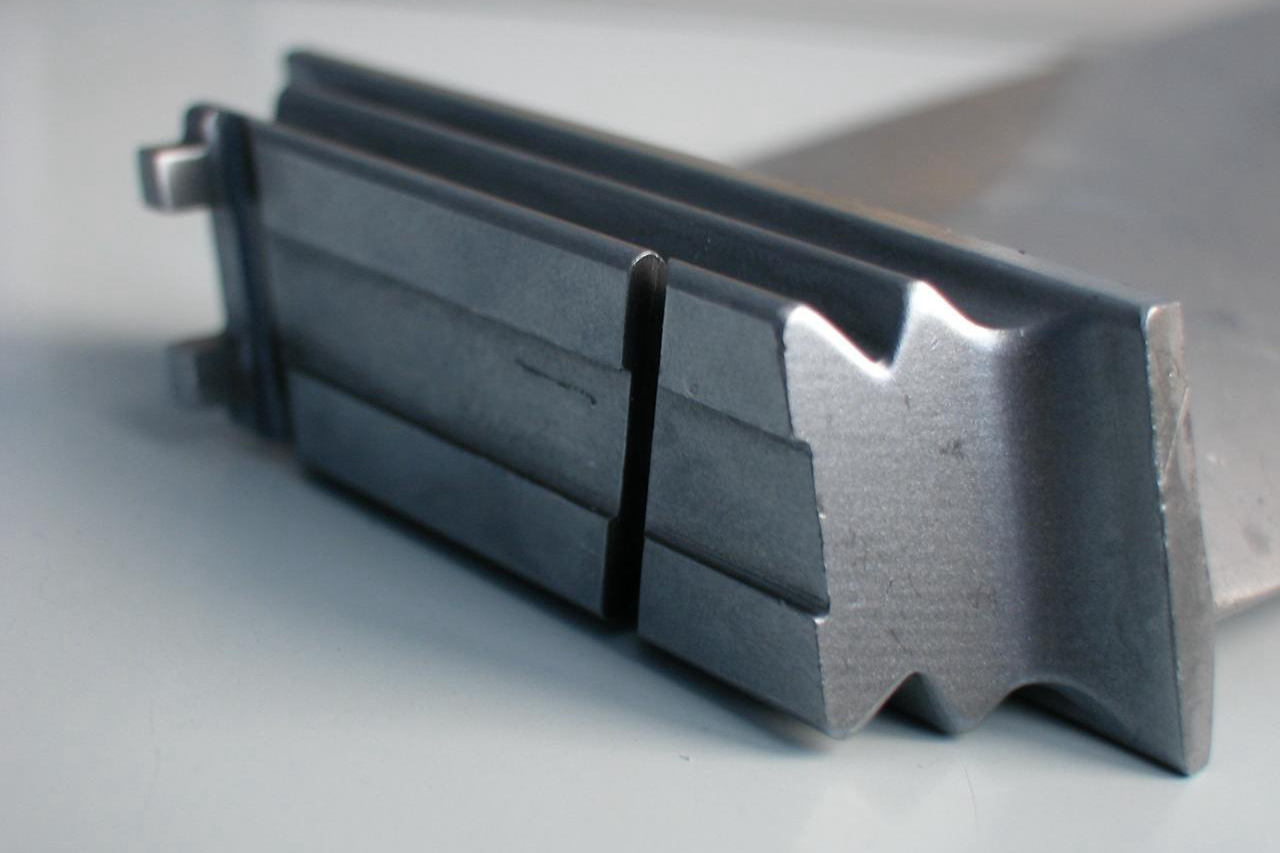
Одним из критически важных процессов для достижения размерной стабильности в отливках из жаропрочных сплавов является снятие напряжений. Эта термическая обработка минимизирует остаточные напряжения, перераспределяет внутренние деформации и повышает структурную целостность материала. Понимая процесс снятия напряжений и его преимущества, производители могут изготавливать детали, которые стабильно работают в сложных условиях, тем самым способствуя долгосрочной надежности и безопасности высокопроизводительных систем.
Понимание напряжений в отливках из жаропрочных сплавов
Остаточные или внутренние напряжения возникают, когда напряжение "запирается" в материале во время производственных процессов, таких как литье, формование или механическая обработка. В отливках из жаропрочных сплавов остаточные напряжения часто возникают на фазе быстрого охлаждения и затвердевания. Поскольку разные области отливки охлаждаются с разной скоростью, возникают термические градиенты, заставляющие части материала сжиматься с разной скоростью. Это создает напряжение внутри материала, которое сохраняется даже после охлаждения. Эти напряжения могут привести к деформации, растрескиванию и преждевременному разрушению, если их не снять.
Факторы, способствующие возникновению остаточных напряжений в отливках из жаропрочных сплавов
Изменения температуры
Высокие термические градиенты между сердцевиной и поверхностью отливки вызывают дифференциальное сжатие, создавая значительные напряжения в областях с резким охлаждением. Термическая обработка может помочь снять эти напряжения, обеспечивая размерную стабильность.
Состав материала
Жаропрочные сплавы со сложными легирующими элементами по-разному реагируют на термические изменения. Например, некоторые элементы в никелевых жаропрочных сплавах могут сегрегировать во время охлаждения, что приводит к локализованным напряжениям.
Сложная геометрия
Сложная или асимметричная геометрия деталей приводит к неравномерным скоростям охлаждения. Тонкие сечения охлаждаются быстрее, чем толстые участки, создавая области с различным напряжением внутри одного и того же компонента. Производители могут смягчить эти эффекты и улучшить размерную стабильность, совершенствуя технологии литья и применяя методы снятия напряжений.
Важность размерной стабильности в компонентах из жаропрочных сплавов
Размерная стабильность критически важна в высокопроизводительных компонентах, поскольку она гарантирует, что детали сохраняют свою первоначальную геометрию и соответствуют заданным допускам даже в экстремальных рабочих условиях. В таких применениях, как реактивные двигатели и газовые турбины, любое отклонение размеров из-за термического или механического напряжения может серьезно повлиять на производительность и безопасность.
Последствия размерной нестабильности
Коробление
Когда остаточные напряжения не снимаются должным образом, отливки из жаропрочных сплавов могут со временем коробиться, что приводит к смещению относительно других компонентов, снижению эффективности и увеличению износа. Эта деформация нарушает точность и функциональность компонента.
Трещинообразование
Внутренние напряжения, особенно в областях с высокой концентрацией напряжений, увеличивают вероятность образования трещин. Как только трещина образуется, она может распространяться под нагрузкой, потенциально вызывая катастрофический отказ. Процессы снятия напряжений, такие как термическая обработка, помогают предотвратить эти критические отказы, минимизируя остаточные напряжения.
Сокращение срока службы компонента
Высокий уровень остаточных напряжений приводит к преждевременному износу и усталости, сокращая срок службы компонента и приводя к более частой замене. Обеспечение целостности материала с помощью правильных методов последующей обработки, таких как ГИП, помогает продлить срок службы этих деталей.
Реальное воздействие
В аэрокосмической отрасли даже незначительное изменение размеров лопаток турбины может нарушить воздушный поток, что приведет к снижению топливной эффективности и увеличению нагрузки на двигатель. В энергетике деформация лопаток турбины может привести к увеличению эксплуатационных расходов и незапланированному техническому обслуживанию из-за потерь эффективности и рисков для безопасности. Размерная стабильность компонентов из жаропрочных сплавов имеет решающее значение для поддержания высокой производительности, безопасности и экономической эффективности в этих критически важных областях применения.
Что такое снятие напряжений в отливках из жаропрочных сплавов?
Снятие напряжений — это контролируемый процесс термической обработки, который снижает внутренние напряжения в отливке из жаропрочного сплава. Применяя тепло, материалу сообщается энергия для перестройки, перераспределения и снижения остаточных напряжений для достижения размерной стабильности.
Основные методы, используемые при снятии напряжений
Вакуумная термическая обработка
Вакуумная термическая обработка проводится в вакуумной печи для предотвращения окисления и загрязнения, что особенно эффективно для жаропрочных сплавов, склонных к поверхностным реакциям, которые могут ослабить материал.
Изотермический отжиг
Изотермический отжиг включает выдержку материала при определенной температуре в течение заданного времени, позволяя ему достичь равновесия и постепенно снять напряжение. Этот метод особенно полезен для сложных деталей со сложной геометрией, так как позволяет равномерно снизить напряжение, не создавая новых остаточных напряжений.
Влияние на кристаллическую структуру и ориентацию зерен
Процесс снятия напряжений улучшает кристаллическую структуру, выравнивает зерна, уменьшает дефекты и повышает общую стабильность и производительность жаропрочного сплава. Правильное выравнивание зерен улучшает сопротивление ползучести и другие механические свойства, важные для высокотемпературных применений.
Преимущества снятия напряжений для отливок из жаропрочных сплавов
Снятие напряжений предлагает многочисленные преимущества для отливок из жаропрочных сплавов, повышая надежность и долговечность компонентов в высокопроизводительных применениях.
Повышенная размерная стабильность
Снятие напряжений минимизирует искажение формы, гарантируя, что отливка сохраняет свои расчетные размеры даже под воздействием термических и механических напряжений, что критически важно в таких применениях, как компоненты турбин.
Улучшенные механические свойства
Снятие остаточных напряжений повышает гибкость материала и устойчивость к растрескиванию, позволяя ему выдерживать экстремальные рабочие нагрузки без разрушения.
Увеличенный срок службы компонента
Устраняя внутренние напряжения, снятие напряжений снижает вероятность усталостного разрушения, значительно продлевая срок службы компонентов, особенно в аэрокосмических и энергетических применениях.
Повышенная устойчивость к высокотемпературной деформации
Снятие напряжений повышает способность материала сохранять свою форму и сопротивляться деформации при высоких температурах. Такие детали, как лопатки турбин и реактивные двигатели, должны выдерживать экстремальный нагрев.
Например, лопатки турбин реактивных двигателей с снятыми напряжениями служат дольше и сохраняют точные аэродинамические формы, улучшая топливную эффективность и эксплуатационные характеристики.
Проблемы при снятии напряжений в отливках из жаропрочных сплавов
Хотя снятие напряжений является важным процессом, оно сопряжено с определенными трудностями:
Избыточное снятие напряжений
Чрезмерное снятие напряжений может привести к нежелательному росту зерен, что, в свою очередь, влияет на прочность и твердость сплава. Необходим тщательный контроль, чтобы избежать переобработки.
Требования к точности
Снятие напряжений в жаропрочных сплавах требует точного контроля температуры и времени, чтобы гарантировать, что процесс достигает желаемых эффектов, не создавая новых напряжений.
Ограничения по стоимости и времени
Процесс может быть ресурсоемким, особенно для крупносерийного производства. Часто бывает сложно сбалансировать требования к стоимости, времени и качеству. Программное обеспечение для моделирования может помочь снизить неэффективность; однако потребность в ресурсах остается значительной.
Эти проблемы подчеркивают важность передовых технологий и точного контроля в процессах снятия напряжений для поддержания качества и экономической эффективности.
Достижения в методах снятия напряжений для жаропрочных сплавов
Недавние достижения в процессах снятия напряжений улучшили точность, контроль и эффективность:
Компьютерно-управляемые термические обработки
Автоматизированные системы с мониторингом температуры в реальном времени обеспечивают точный контроль, снижая риск избыточного или недостаточного снятия напряжений. Этот подход часто сочетается с вакуумной термической обработкой для повышения точности процесса.
Моделирование процесса
Программное обеспечение для моделирования имитирует процесс снятия напряжений, позволяя инженерам оптимизировать графики нагрева и охлаждения для различных жаропрочных сплавов. Это сокращает метод проб и ошибок, повышая эффективность и минимизируя отходы. Моделирование процесса также помогает заранее прогнозировать потенциальные проблемы, улучшая результаты.
Новые материалы и сплавы
Некоторые современные жаропрочные сплавы разработаны с более низким собственным остаточным напряжением, что снижает потребность в интенсивном снятии напряжений. Эти материалы полезны в применениях, где размерная стабильность критически важна. Их использование оптимизирует производственный процесс и снижает зависимость от интенсивных обработок по снятию напряжений.
Эти инновации позволяют производителям изготавливать высококачественные компоненты из жаропрочных сплавов со снятыми напряжениями с улучшенными характеристиками и долговечностью.
Применения и примеры из практики: снятие напряжений в действии
Снятие напряжений имеет важное значение в нескольких отраслях, обеспечивая надежность, производительность и долговечность компонентов из жаропрочных сплавов:
Аэрокосмическая промышленность
В аэрокосмической промышленности реактивные двигатели содержат множество компонентов из жаропрочных сплавов, подвергающихся экстремальному нагреву и механическим напряжениям. Снятие напряжений предотвращает коробление и изменение размеров, обеспечивая стабильную производительность и продлевая срок службы критически важных компонентов, таких как лопатки турбин, камеры сгорания и детали планера.
Энергетика
Газовые турбины работают при высоких температурах и циклических нагрузках. Компоненты из жаропрочных сплавов со снятыми напряжениями в турбинах повышают эффективность за счет поддержания размерной стабильности и снижения эксплуатационных расходов. Процесс повышает долговечность лопаток, дисков и сопел турбин, что приводит к увеличению межсервисных интервалов и минимизации простоев.
Нефтехимическая промышленность
В нефтехимической промышленности жаропрочные сплавы используются в оборудовании, выдерживающем коррозионные и высокотемпературные среды. Обработки по снятию напряжений повышают стабильность и надежность компонентов, таких как клапаны, насосы и детали реакторов, тем самым минимизируя риск отказов и простоев, что крайне важно для поддержания непрерывных операций.
Часто задаваемые вопросы
Каковы основные методы, используемые при снятии напряжений для жаропрочных сплавов?
Как снятие напряжений влияет на механические свойства отливок из жаропрочных сплавов?
С какими проблемами сталкиваются производители в процессе снятия напряжений для жаропрочных сплавов?
Как снятие напряжений способствует увеличению срока службы компонентов из жаропрочных сплавов?
