¿Cómo se compara WAAM con los métodos tradicionales de fabricación de titanio?
WAAM vs. Métodos Tradicionales de Fabricación de Titanio
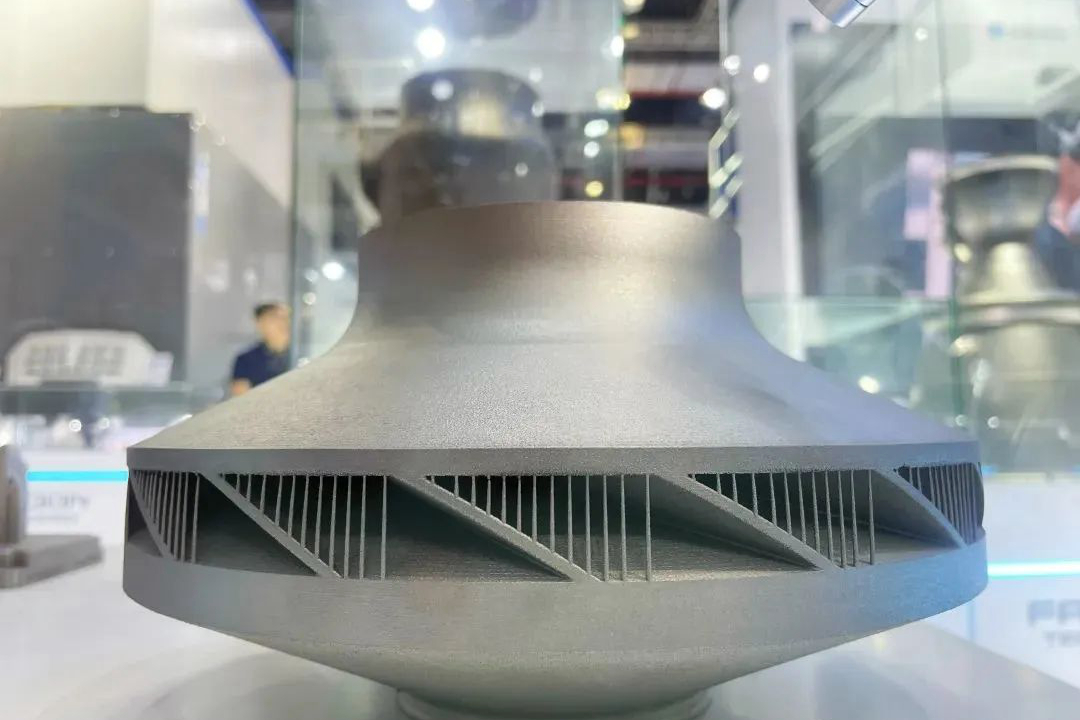
En comparación con la forja y el mecanizado sustractivo, WAAM (Fabricación Aditiva por Arco de Alambre) ofrece una alternativa altamente eficiente y rentable para producir componentes de titanio, especialmente para aleaciones como Ti-6Al-4V. El mecanizado tradicional requiere la eliminación extensa de material de lingotes sólidos, lo que generalmente conduce a altas tasas de desecho y largos tiempos de ciclo. WAAM, por otro lado, construye estructuras de forma casi neta capa por capa, reduciendo el desperdicio de material hasta en un 80-90% y acortando significativamente el cronograma de producción.
A diferencia de la fundición a la cera perdida, que requiere moldes costosos y largos plazos de fabricación de herramientas, WAAM elimina por completo las herramientas y permite modificaciones de diseño rápidas. Es especialmente ventajoso para estructuras aeroespaciales de bajo volumen o personalizadas donde la flexibilidad y la iteración rápida son críticas.
Rendimiento Estructural y Postprocesado
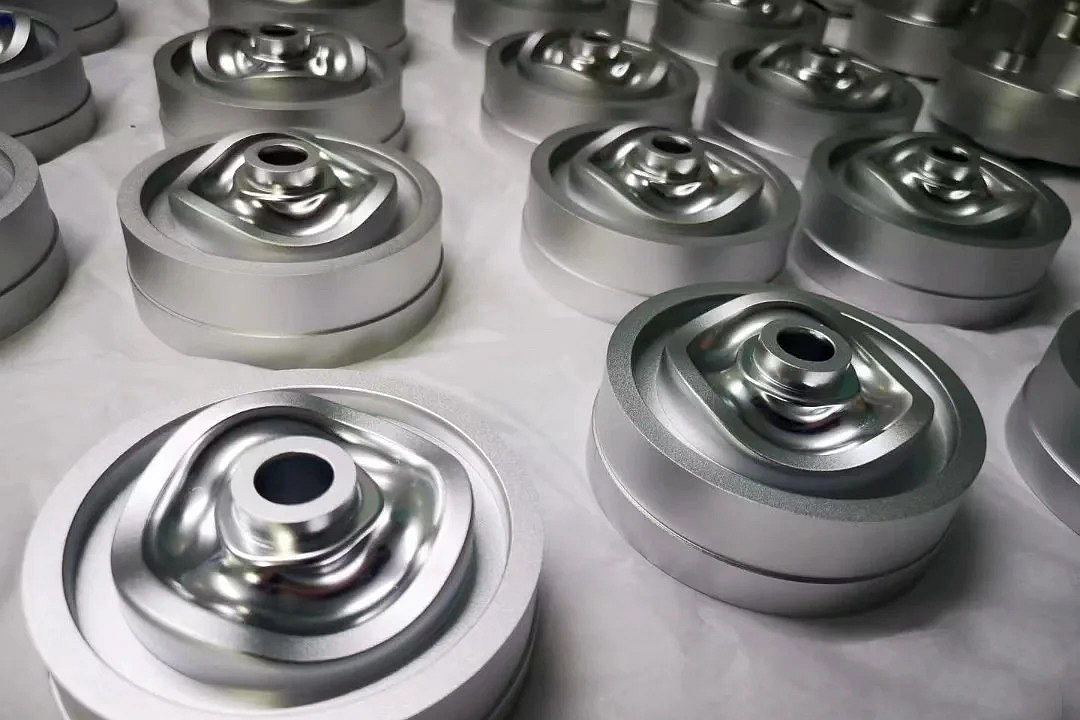
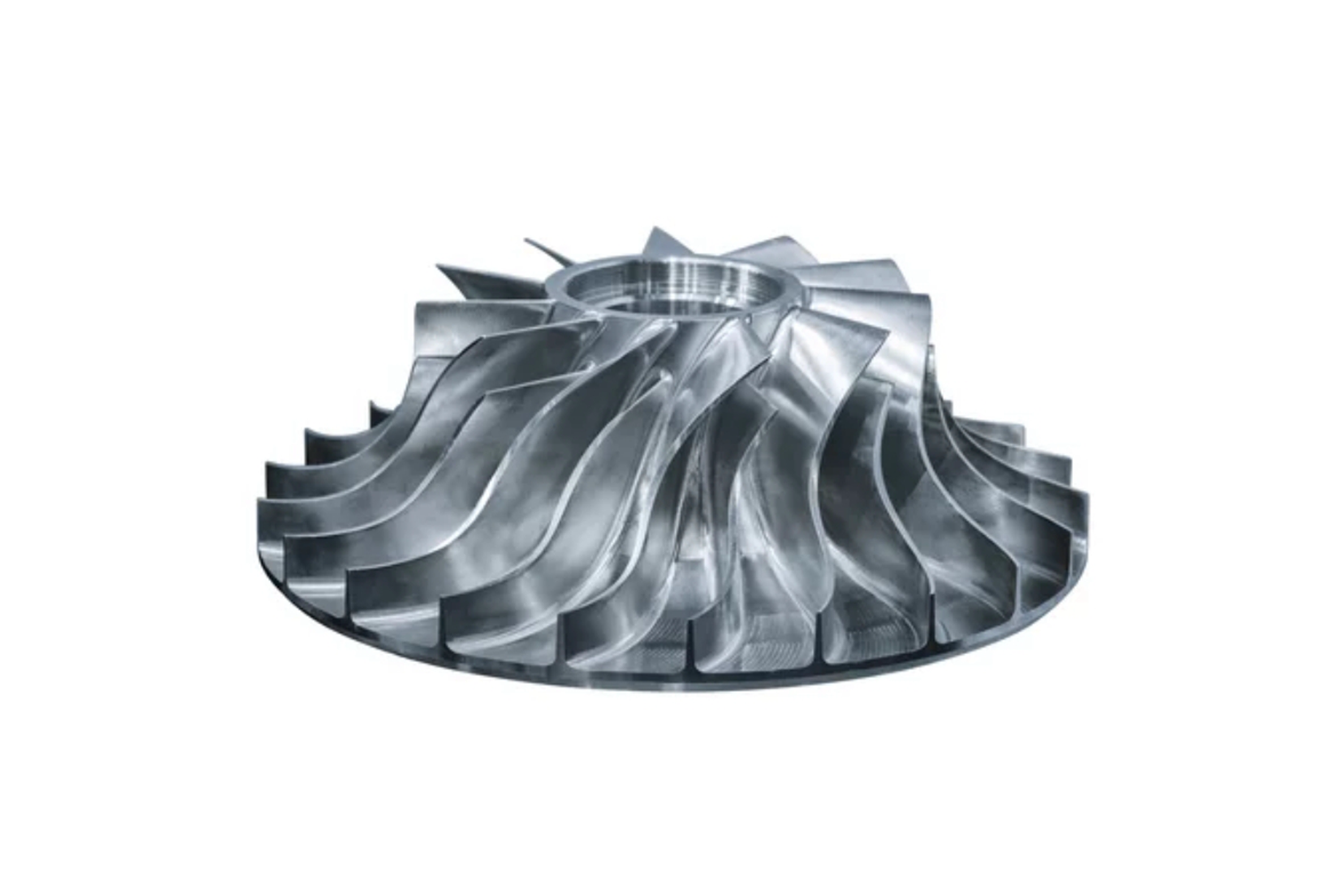
Las piezas de titanio producidas por WAAM generalmente requieren operaciones de acabado, como mecanizado CNC, para cumplir con los estándares de tolerancia aeroespacial. Sin embargo, la combinación de la capacidad de deposición de WAAM con la alta relación resistencia-peso del titanio permite la creación de componentes ligeros pero estructuralmente robustos. Los tratamientos térmicos posteriores al proceso y la validación de calidad mediante pruebas y análisis de materiales logran propiedades mecánicas comparables a las de los componentes forjados.
En última instancia, WAAM proporciona una ruta escalable y rentable para la producción de piezas de titanio, particularmente para aplicaciones aeroespaciales grandes, complejas o de bajo volumen donde los métodos tradicionales se vuelven económicamente o técnicamente restrictivos.