¿Cómo resuelve SLM los desafíos en geometrías complejas de aeroespacial y energía?
Integración de Estructuras Internas
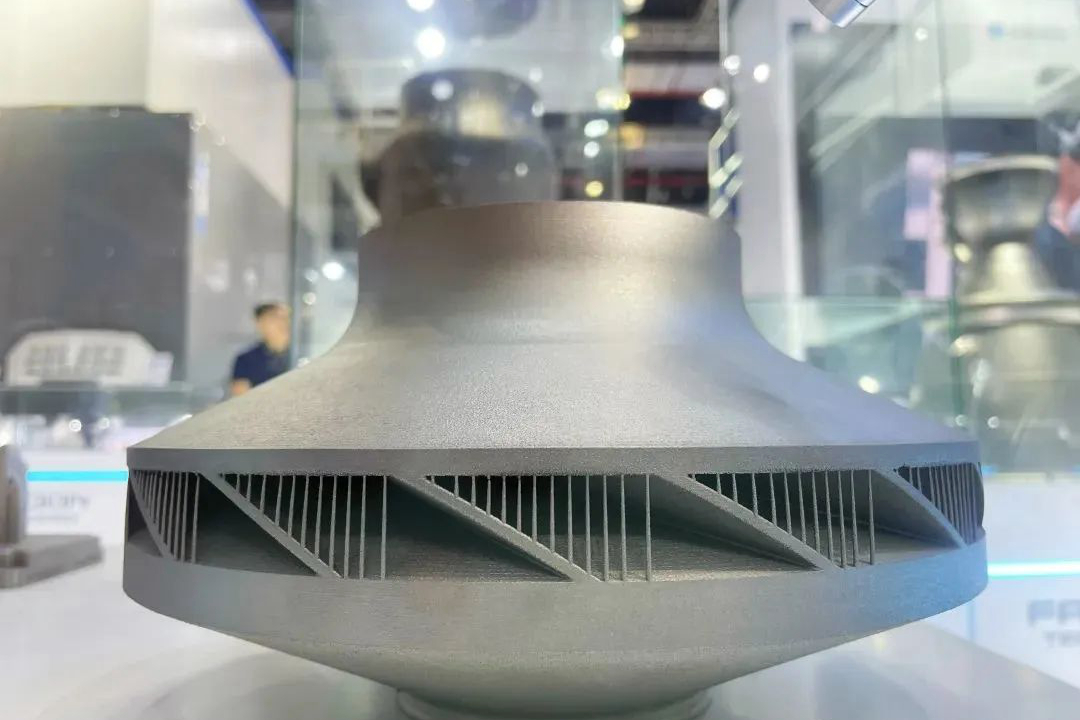
SLM permite la fabricación directa de canales internos, estructuras reticulares y geometrías optimizadas en peso que son difíciles o imposibles de lograr con mecanizado o fundición tradicional. Para componentes aeroespaciales y de energía que requieren una gestión térmica eficiente, SLM permite la formación precisa de pasajes de refrigeración en aleaciones como Inconel 713 o aleaciones de la serie CMSX, mejorando significativamente la disipación de calor y la eficiencia de combustible.
Alta Complejidad sin Herramental
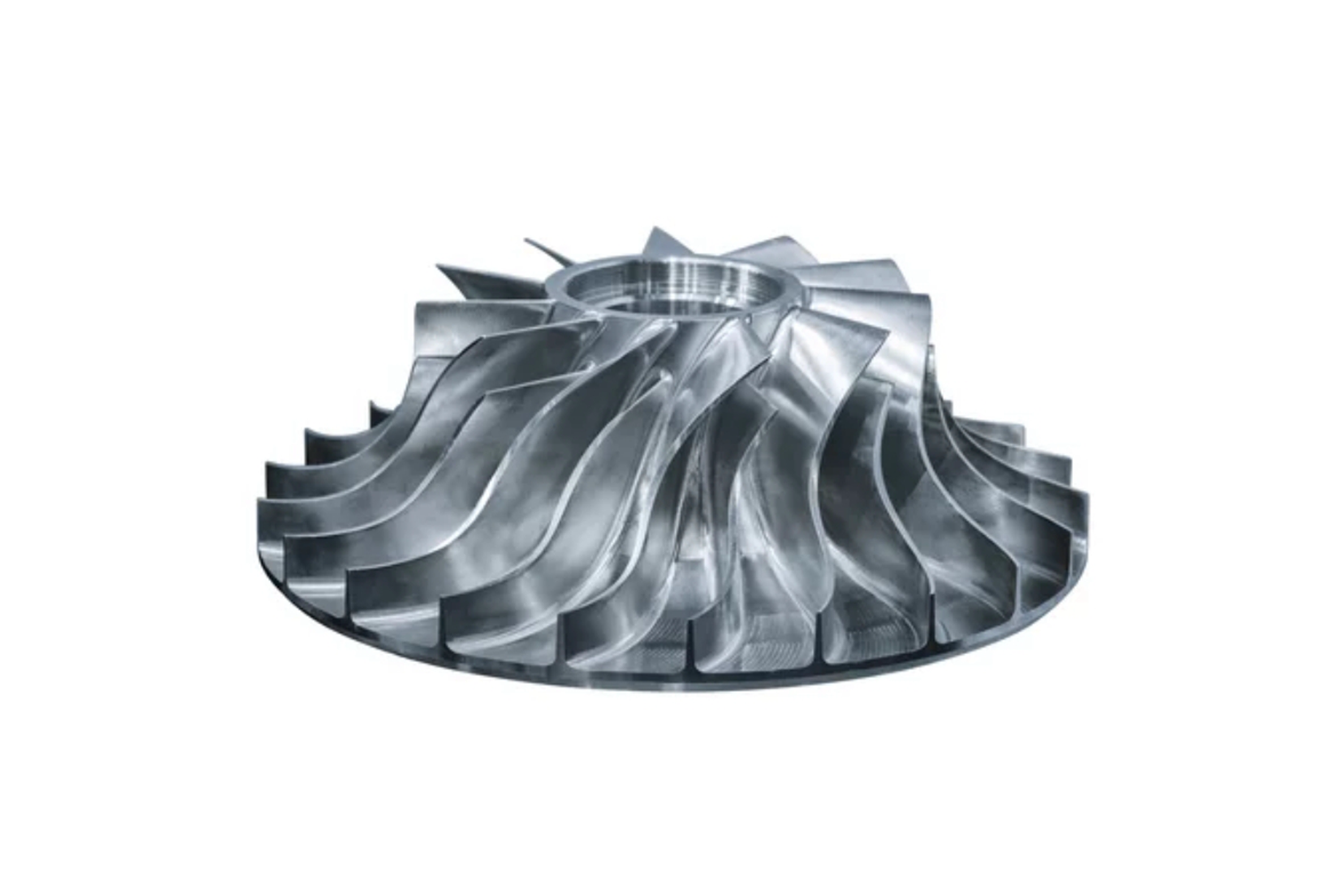
SLM elimina la necesidad de moldes o herramental, lo que lo hace ideal para geometrías complejas utilizadas en sistemas de aeroespacial y generación de energía. Al construir componentes capa por capa, SLM permite la replicación precisa de formas aerodinámicas, diseños de combustor y canales de flujo de turbinas sin deformación o tensiones inducidas por el herramental.
Reducción de Peso y Optimización Estructural
Una ventaja clave de SLM es la reducción de masa mediante optimización topológica y cavidades internas. Aleaciones de titanio como Ti-6Al-4V se utilizan frecuentemente para crear soportes, carcasas y componentes de rotor ligeros que mantienen altas relaciones resistencia-peso, críticas para el rendimiento tanto en aplicaciones aeroespaciales como de energía.
Fabricación Híbrida y Postproceso
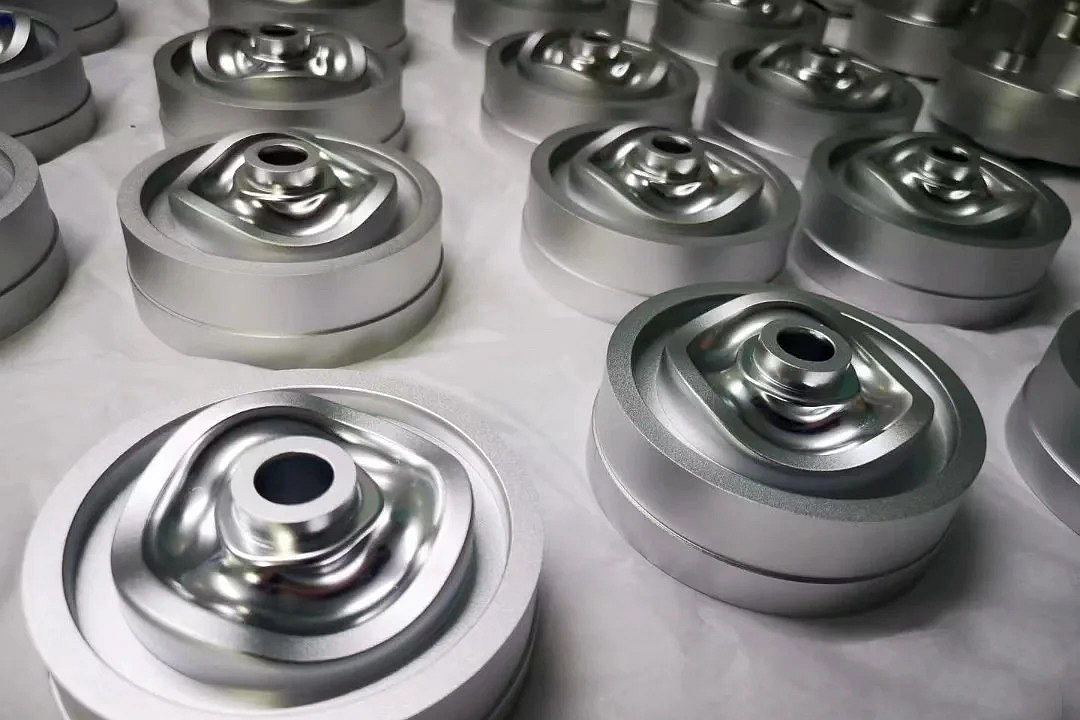
SLM a menudo se combina con postprocesos como prensado isostático en caliente (HIP) y tratamiento térmico para mejorar las propiedades mecánicas y eliminar la porosidad. Las dimensiones críticas se terminan mediante EDM o mecanizado CNC, combinando las ventajas aditivas con el acabado de alta precisión para componentes de turbinas, combustores y bombas.