¿Cómo se garantiza la calidad de las piezas de acero inoxidable producidas mediante impresión 3D SLM...
Marco Sistemático de Garantía de Calidad
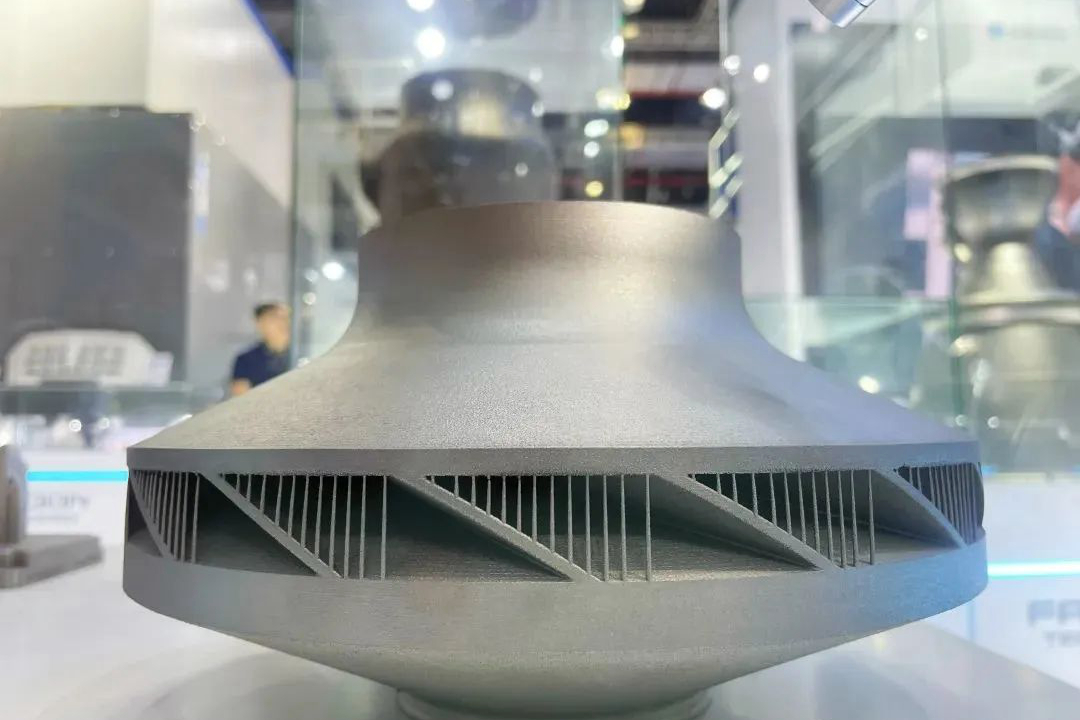
Garantizar la calidad de las piezas de acero inoxidable producidas mediante Fusión Selectiva por Láser (SLM) requiere un marco integral y de múltiples etapas que integra diseño, control de proceso, postprocesado y validación. La calidad no se inspecciona en una pieza, sino que se integra en cada paso del flujo de trabajo de lo digital a lo físico. Esto comienza con la optimización del Diseño para Fabricación Aditiva (DfAM) para mitigar tensiones residuales y requisitos de soporte, y se extiende a través de rigurosas pruebas y análisis de materiales del componente final. El proceso de garantía es especialmente crítico para piezas destinadas a industrias reguladas como aeroespacial y aviación o médica.
Monitoreo y Control en Proceso
El monitoreo en tiempo real durante la construcción es fundamental para la garantía de calidad. Los sistemas SLM avanzados están equipados con sensores que rastrean parámetros clave:
Monitoreo del Baño de Fusión: Cámaras ópticas o térmicas monitorean la interacción láser-polvo, detectando anomalías como salpicaduras o falta de fusión que podrían conducir a defectos.
Inspección Capa por Capa: La imagen coaxial o fuera del eje valida la geometría de cada capa solidificada contra el corte digital, identificando cualquier desviación significativa de manera temprana.
Estabilidad de Atmósfera y Parámetros: La integridad de la atmósfera inerte de argón o nitrógeno y la consistencia de la potencia del láser, la velocidad y la estrategia de escaneo se registran continuamente para garantizar un proceso estable y repetible.
Este enfoque basado en datos permite la trazabilidad y la identificación temprana de desviaciones del proceso que podrían afectar las propiedades del material en grados como 316L.
Densificación y Tratamiento Postproceso
Las piezas SLM tal como se construyen contienen características inherentes que deben abordarse para garantizar un rendimiento de calidad de servicio. Los procesos postproceso estándar incluyen:
Alivio de Tensiones y Tratamiento Térmico: Para eliminar tensiones residuales y ajustar las propiedades mecánicas (por ejemplo, endureciendo 17-4 PH mediante envejecimiento).
Prensado Isostático en Caliente (HIP): Para componentes críticos, se aplica HIP para cerrar la microporosidad interna, logrando una densidad casi teórica y mejorando drásticamente la vida a fatiga y la ductilidad.
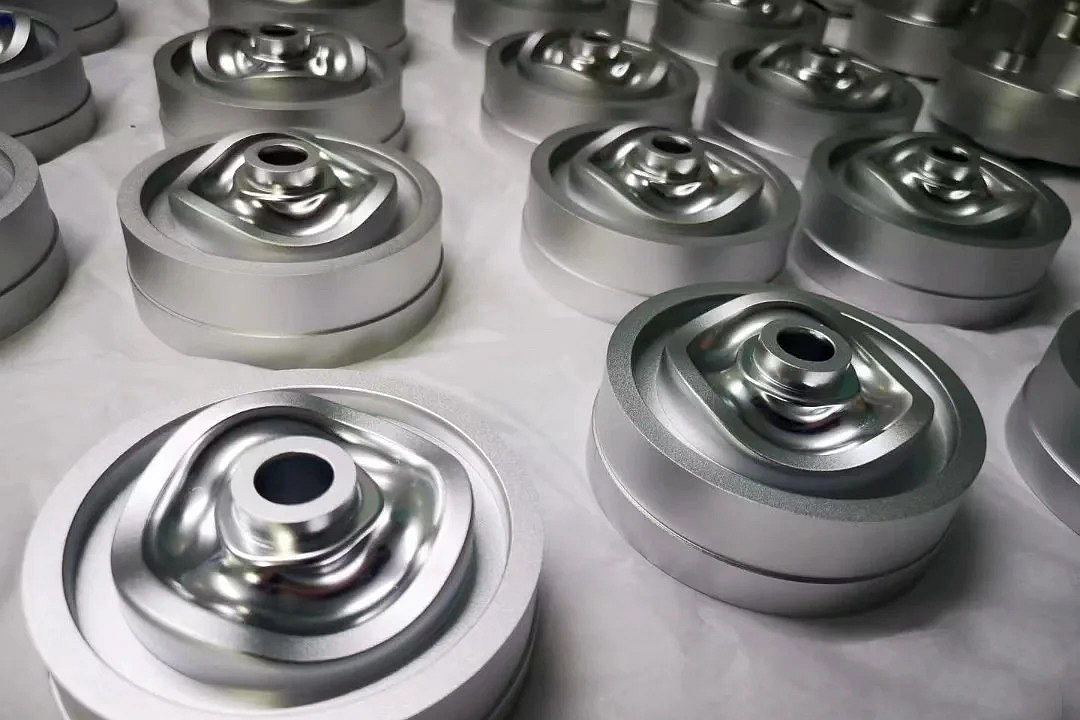
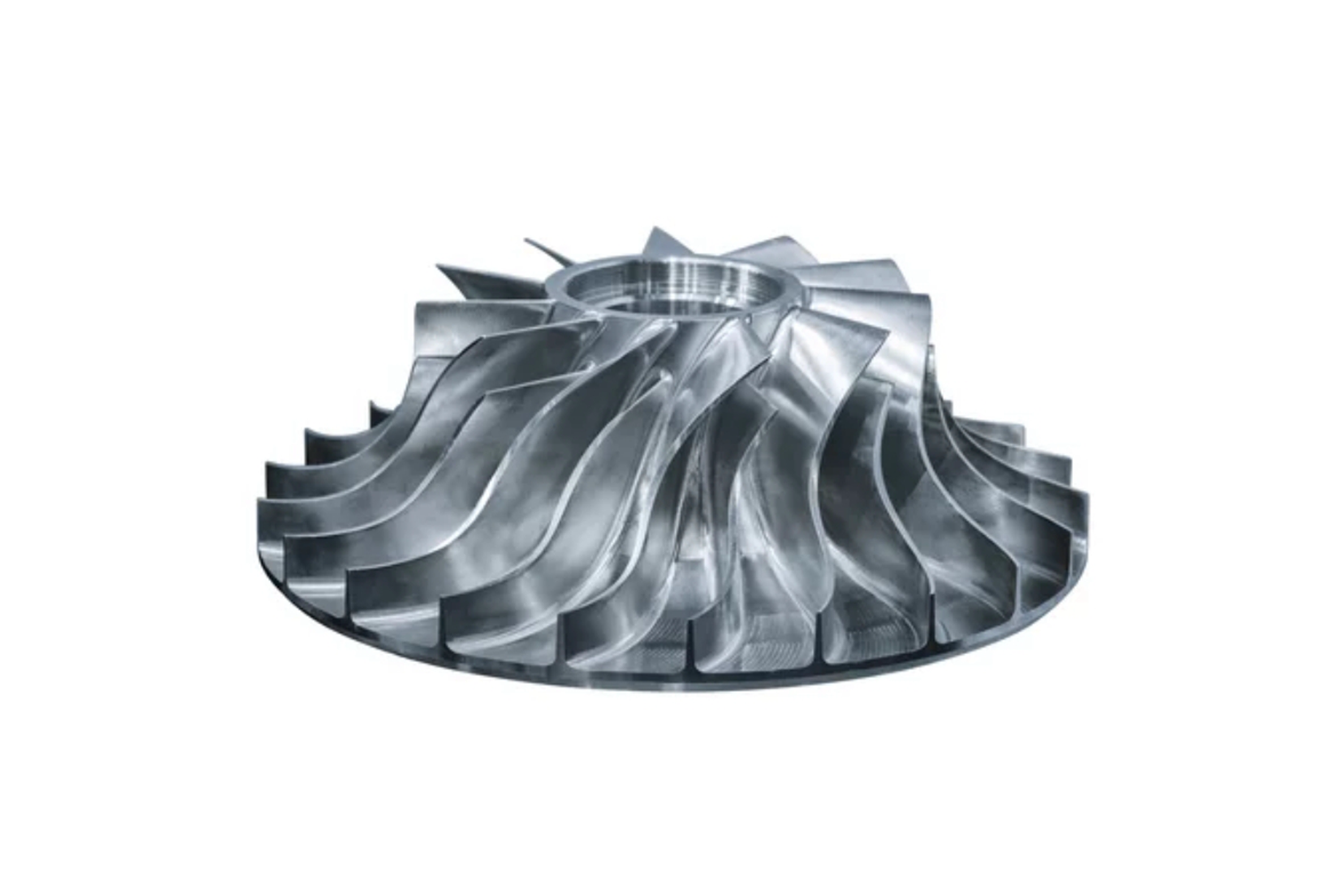
Mecanizado de Precisión: Las interfaces críticas y las características con tolerancias se terminan utilizando mecanizado CNC para cumplir con las especificaciones dimensionales exactas.
Validación e Inspección Integral
La calidad final se verifica a través de una batería de métodos de prueba destructivos y no destructivos (NDT):
Metrología Dimensional: Las máquinas de medición por coordenadas (CMM) y los escáneres láser verifican la geometría de la pieza contra el modelo CAD original.
Pruebas No Destructivas (NDT): Técnicas como la prueba de penetrante colorante (PT), la tomografía computarizada de rayos X (escaneo CT) y las pruebas ultrasónicas inspeccionan defectos superficiales e internos sin dañar la pieza.
Pruebas Mecánicas y Microestructurales: Las probetas construidas junto con las piezas de producción se someten a pruebas de tracción, fatiga, dureza y corrosión. El análisis metalográfico confirma que la microestructura está libre de fases o defectos inesperados, validando toda la cadena de proceso desde el polvo hasta la pieza final.