¿Cómo se compara WAAM con los métodos tradicionales para fabricar componentes de aluminio?
Eficiencia de Materiales y Reducción de Residuos
WAAM demuestra una eficiencia de materiales superior en comparación con los métodos sustractivos tradicionales para componentes de aluminio. Mientras que el mecanizado convencional a partir de tochos típicamente logra relaciones de compra-a-vuelo de 10:1 o más (lo que significa un 90% de desperdicio de material), WAAM opera con relaciones de 1.2:1 a 1.5:1, reduciendo el desperdicio de material hasta en un 85%. Esto es particularmente significativo para las aleaciones de aluminio costosas donde el costo del material domina el precio del componente. A diferencia de los procesos de fundición que requieren canales de colada, mazarotas y sistemas de alimentación, WAAM deposita material solo donde se necesita, eliminando tanto el desperdicio como los costos asociados de reciclaje.
Comparación de Costos de Herramientas y Plazos de Entrega
WAAM elimina las sustanciales inversiones en herramientas requeridas para los métodos tradicionales de fabricación de aluminio. Los procesos de fundición exigen modelos y moldes costosos que pueden costar decenas a cientos de miles de dólares y requieren meses para producirse. De manera similar, las operaciones de forja requieren troqueles personalizados con largos plazos de entrega. El flujo de trabajo digital de WAAM evita por completo estos requisitos, permitiendo la producción inmediata a partir de modelos CAD y reduciendo los plazos de entrega en un 50-70% para prototipos y producción de bajo volumen. Esto hace que WAAM sea particularmente ventajoso para componentes grandes de aluminio personalizados, únicos o de bajo volumen.
Propiedades Mecánicas y Rendimiento
La fundición tradicional a menudo produce componentes de aluminio con porosidad, inclusiones y microestructuras heterogéneas que limitan el rendimiento mecánico. El aluminio depositado por WAAM, particularmente aleaciones como AlSi10Mg, logra una densidad superior al 99.5% con una estructura de grano fina y direccional. Después de un tratamiento térmico apropiado, los componentes de aluminio fabricados con WAAM pueden lograr propiedades mecánicas comparables a los materiales forjados, con resistencias a la tracción de 250-320 MPa y alargamientos del 8-12%. Si bien el aluminio forjado puede lograr propiedades superiores en ciertas orientaciones, WAAM ofrece propiedades más consistentes en toda la geometría compleja.
Libertad de Diseño y Complejidad Geométrica
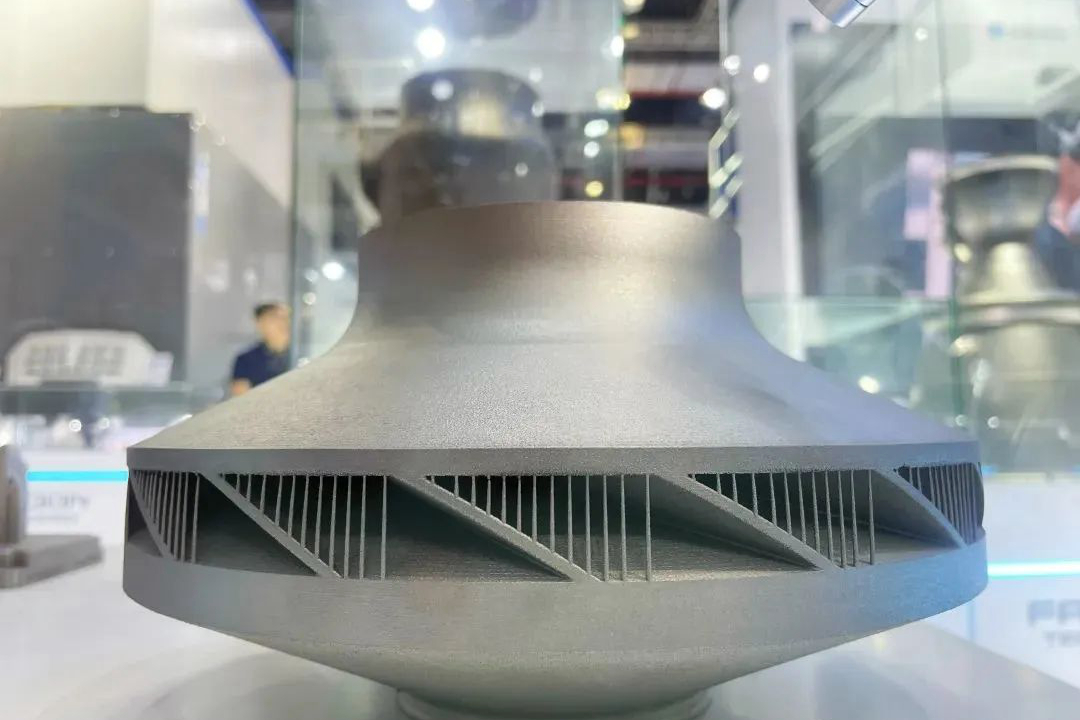
WAAM permite una libertad de diseño sin precedentes para componentes de aluminio, creando estructuras complejas y optimizadas topológicamente imposibles con métodos tradicionales. A diferencia de la fundición limitada por ángulos de desmoldeo, líneas de partición y requisitos de núcleos, o la forja restringida por el flujo del troquel y las líneas de partición, WAAM puede producir canales internos, estructuras de celosía y espesores de pared variables en una sola operación. Esto permite a los ingenieros crear diseños livianos y optimizados para el rendimiento para aplicaciones aeroespaciales y automotrices que reducen significativamente el peso manteniendo la integridad estructural.
Consideraciones Económicas y Escala de Producción
La ventaja económica de WAAM frente a los métodos tradicionales depende en gran medida de la escala de producción y el tamaño del componente. Para componentes grandes (típicamente >0.5m) y bajos volúmenes (1-50 unidades), WAAM ofrece ahorros de costos sustanciales al eliminar herramientas y reducir el desperdicio de material. Sin embargo, para la producción de alto volumen (>1000 unidades), la fundición tradicional se vuelve más económica debido a tiempos de ciclo más rápidos. Las tasas de deposición de WAAM de 1-4 kg/hora para aluminio lo hacen inadecuado para la producción en masa, pero ideal para el "punto óptimo" de componentes grandes de bajo volumen donde los métodos tradicionales son prohibitivamente costosos.
Requisitos de Postprocesamiento
Tanto WAAM como los métodos tradicionales requieren postprocesamiento, pero la naturaleza difiere significativamente. Los componentes de WAAM necesitan un extenso mecanizado CNC para lograr las dimensiones finales y el acabado superficial, típicamente eliminando 3-5mm de material. Los componentes fundidos también requieren mecanizado, pero a menudo con menos remoción de material. Sin embargo, WAAM evita la extensa reparación de defectos que a menudo se necesita con las piezas fundidas. Ambos métodos se benefician del prensado isostático en caliente para mejorar la densidad, aunque esto es más crítico para las fundiciones con porosidad inherente.