Wax Pattern 3D Printing for Investment Cast Turbine Prototypes
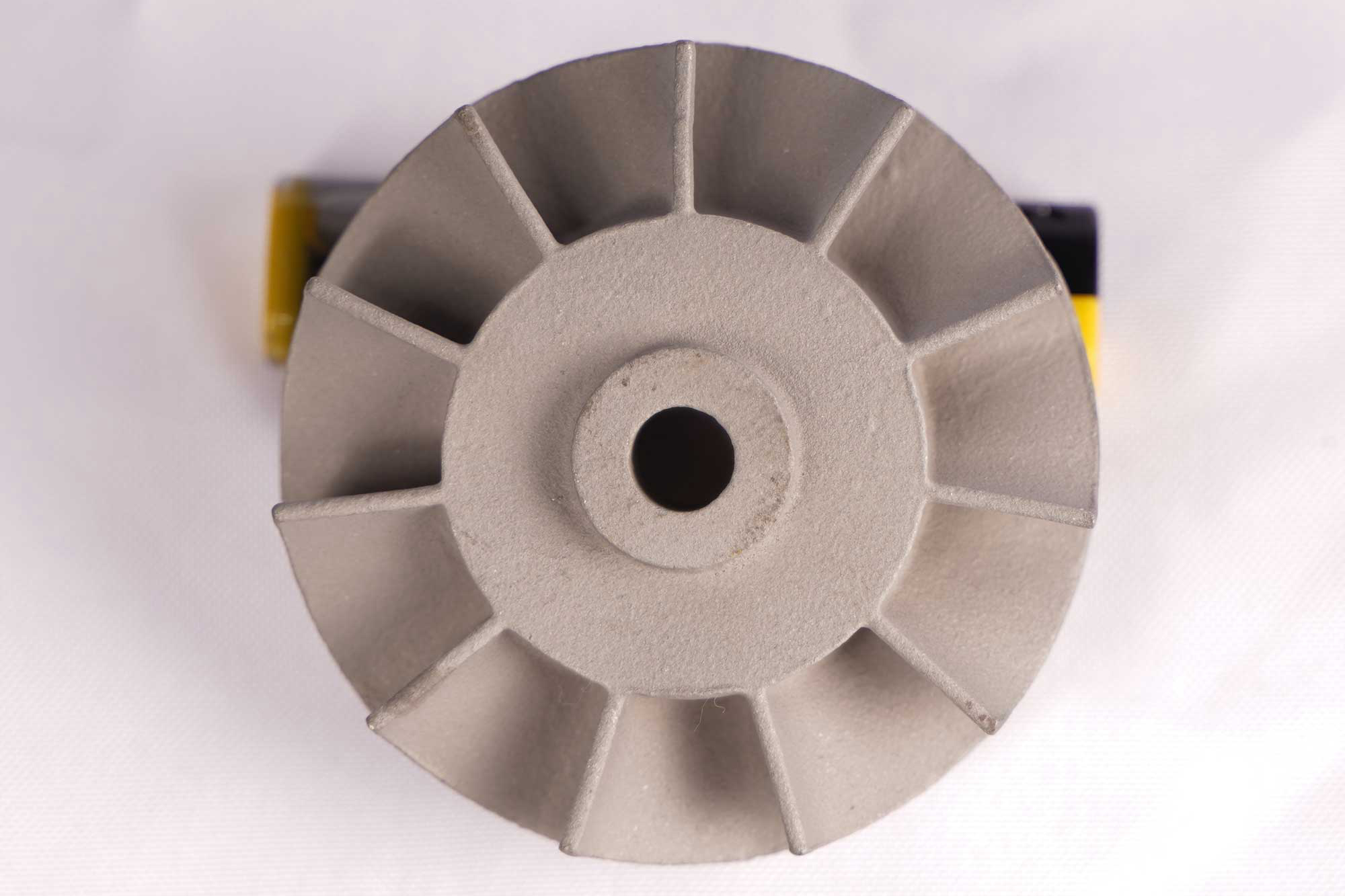
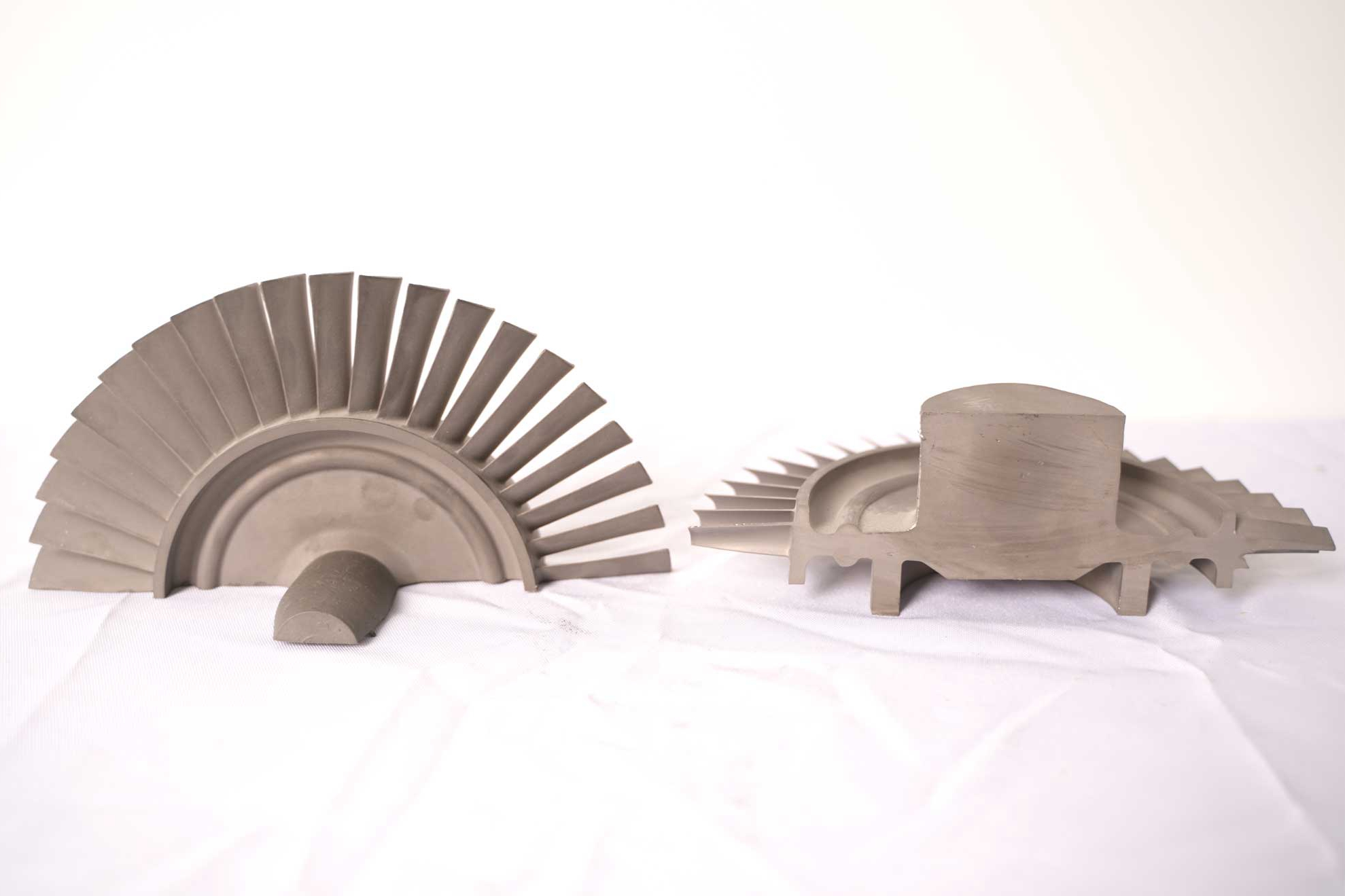
Wax pattern 3D printing for investment cast turbine prototypes is useful when a buyer needs a small number of castable patterns before committing to hard tooling. The value is not the printed pattern alone. The buyer needs to know whether the pattern geometry, shrinkage allowance, surface condition, gate plan, shell behavior, casting alloy, machining stock, and inspection plan can support a usable superalloy prototype. A printed pattern can shorten early route learning, but it still has to be reviewed as part of an investment casting RFQ.
NewayAeroTech can review turbine prototype projects through 3D printing service, vacuum investment casting, high-temperature superalloy casting, superalloy CNC machining, and material testing and analysis. The project should remain drawing-based custom manufacturing, with buyer responsibility for final design release and application approval.
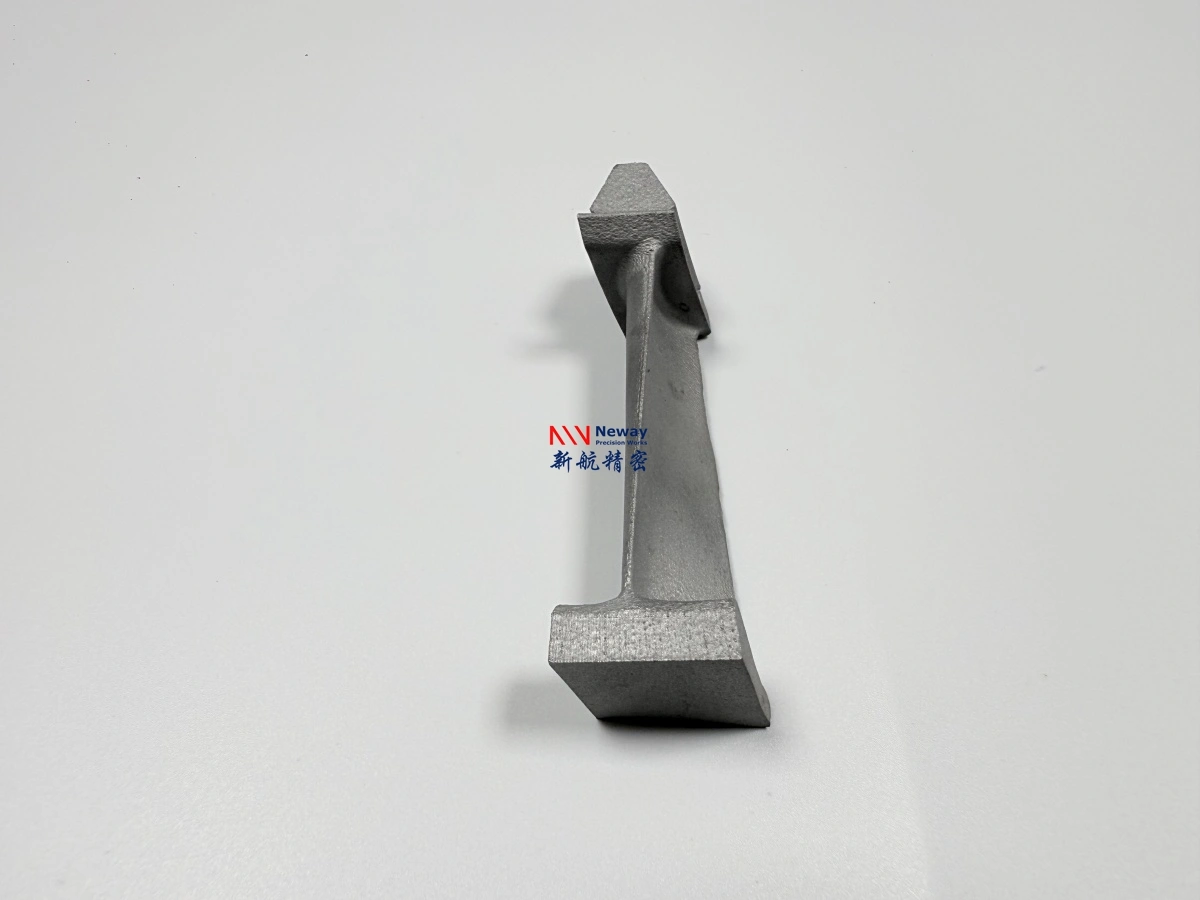
When Printed Patterns Fit the RFQ
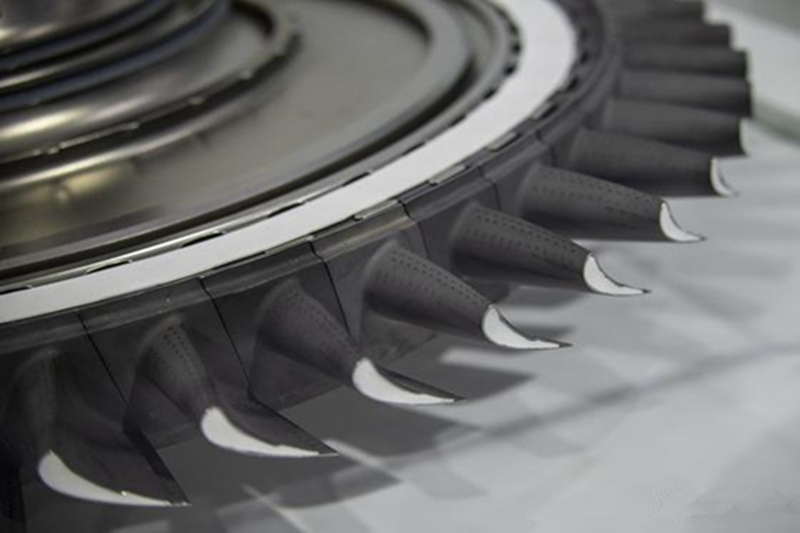
For this RFQ, buyers should first decide why a printed pattern is needed. It may be useful for a turbine blade blank, vane segment, shroud, heat shield, combustor feature, or small hot gas path prototype when the buyer needs route feedback before production tooling. It may not fit when the geometry is already frozen, production quantity is high, and dedicated tooling is clearly more stable and economical.
The printed pattern route should be treated as a prototype route. It can help review geometry, casting feasibility, machining stock, and first-article risk. It should not be presented as a shortcut that removes normal casting engineering. The supplier still needs the alloy, delivery state, tolerance target, post-process scope, and inspection records before it can judge whether the pattern method supports the desired turbine component.
Prototype reason | Printed pattern value | RFQ boundary |
|---|---|---|
Early geometry review | Allows casting route feedback before hard tooling. | State which dimensions are still under review. |
Small sample quantity | Can support trial casting without full tool investment. | Define sample count and first-article decision. |
Complex feature trial | Helps test ribs, edges, platforms, or thin sections. | Mark features that may change after casting review. |
Tooling decision | Provides evidence before committing to production tooling. | Decide what must pass before the next route. |
Pattern Data Before Printing
The buyer should not send only a finished-part CAD model and expect the printed pattern to solve casting allowances. Investment casting needs review of shrinkage, gate contact areas, shell support, ceramic core use if any, and machining stock. A turbine prototype may need a pattern model that differs from the final part model. The supplier needs to know whether NewayAeroTech should review pattern compensation or only print from buyer-supplied pattern geometry.
The RFQ should identify the drawing authority. If the buyer provides a used sample, the worn sample should not be converted directly into a pattern without engineering review. Wear, oxidation, coating residue, deformation, and previous machining can distort the original shape. The buyer should state which dimensions come from an approved drawing and which are only references for prototype discussion.
Input data | Why it matters | Buyer instruction |
|---|---|---|
Finished-part model | Defines the desired prototype geometry. | State whether pattern compensation is supplier scope. |
2D drawing | Controls material, dimensions, tolerances, and notes. | Mark prototype dimensions and final release dimensions separately. |
Pattern model | May include shrinkage, gating, and stock decisions. | Confirm whether this is frozen or open for review. |
Sample part | May help feature interpretation but can include service damage. | Record wear and uncertainty before reverse review. |
Casting Allowance and Surface Condition
A printed pattern has to support the casting surface that the buyer needs. Pattern layer marks, surface preparation, edge condition, local wall thickness, and fine features can influence the shell and final casting. The buyer should ask what surfaces are acceptable as prototype evidence and what surfaces must be machined or finished after casting. A prototype with rough surfaces may still be useful for route learning, but it may not be enough for assembly or flow testing.
Machining allowance should be defined before the pattern is printed. If the final turbine prototype needs machined root faces, platforms, seal faces, mounting pads, holes, or flow-path surfaces, the pattern and casting route must leave enough stock. If the prototype is only for fit review, different surfaces may be left rough. These decisions change printing, casting, machining, and inspection cost.
Small-Batch Route From Pattern to Casting
The printed pattern is only the first visible step. A useful RFQ describes the full prototype route: pattern printing, pattern finishing, assembly to a gating system, shell building, dewax or burnout behavior, alloy casting, knockout, heat treatment, HIP if needed, machining, inspection, and first-article review. Each step may reveal a different risk. A pattern that prints well may still need casting route adjustment if the alloy, section thickness, or gating plan is not suitable.
Buyers should ask the supplier to separate one-time engineering review from repeat sample pricing. A first prototype lot may include extra review, more inspection, or destructive checks. A later small batch may use a narrower inspection plan if the first article has already closed the main geometry and casting risks. This distinction helps avoid comparing a learning quote with a repeat quote.
Route step | Prototype risk | Decision before repeat batch |
|---|---|---|
Pattern printing | Surface condition, fine features, and dimensional compensation. | Approve pattern geometry or revise model. |
Shell and casting | Burnout behavior, feed, shrinkage, and internal soundness. | Adjust gating, stock, or alloy route if needed. |
Machining | Insufficient stock or unstable datum surfaces. | Confirm allowance before more samples. |
Inspection | Prototype may pass shape but fail critical evidence. | Define records needed for first-article release. |
Prototype Versus Production Tooling
Printed patterns can help buyers avoid premature tooling, but they should not replace tooling decisions forever. If a turbine component moves from sample review to repeat production, the buyer and supplier should decide when hard tooling, dedicated wax tooling, or another stable route becomes necessary. The decision depends on quantity, repeatability, dimensional control, pattern cost, surface requirement, and inspection results from the first article.
The RFQ should ask what evidence will trigger the next route. If the prototype confirms castability and machining stock, production tooling may be justified. If the prototype reveals distortion or surface issues, tooling should wait until the geometry or route is corrected. A supplier response is more useful when it includes this decision path instead of only quoting a printed-pattern sample.
Buyers should also define which prototype findings are allowed to change the production drawing. A printed-pattern casting may expose a fragile lip, a feeding problem near a platform, or a surface that needs more machining stock. Those findings are useful only if the buyer has a review path for model changes. Without that path, the same defect can repeat when the project moves into tooling.
Inspection for Printed Pattern Cast Prototypes
Prototype inspection should match the buyer's learning goal. CMM can check stock, datums, airfoil or flow-path sections, mounting pads, and machined features. FPI can review casting or machined surface indications. X-ray or CT may be used when internal soundness, wall thickness, or hidden passages affect the prototype decision. Chemical verification and heat-treatment records may be required when the prototype material must represent the intended superalloy route.
The buyer should define first-article records and repeat-batch records separately. A printed-pattern prototype may need extra inspection to understand process risk. Later samples may not need every exploratory record if the route is stable and accepted by the buyer. This separation prevents the RFQ from becoming either too light for learning or too expensive for a simple feasibility trial.
Inspection | Prototype question answered | RFQ note |
|---|---|---|
CMM | Does the casting have enough stock and usable geometry? | List datum and report dimensions. |
FPI | Are surface indications present after casting or machining? | Define timing and critical surfaces. |
X-ray or CT | Are hidden walls or internal zones acceptable for review? | Mark prototype zones that require evidence. |
Material records | Does the casting represent the intended alloy route? | State chemistry or heat-treatment evidence if required. |
RFQ Data for Printed Pattern Turbine Prototypes
Send the 2D drawing, finished-part 3D model, pattern model if available, material grade, expected sample quantity, prototype purpose, delivery state, machining surfaces, stock allowance, casting process expectation, heat-treatment requirement, HIP requirement if any, inspection records, and first-article decision plan. If the buyer wants a later production route, include estimated follow-up quantity and the conditions that must be met before tooling.
NewayAeroTech can review printed pattern and investment casting prototype routes when buyers define what they need to learn from the sample. A clear RFQ separates pattern printing, casting feasibility, machining allowance, inspection evidence, and tooling decisions. That gives the supplier enough information to quote a turbine prototype route instead of treating the printed pattern as an isolated purchase item.
Related FAQs
Why is rapid prototyping essential in gas turbine component production?
How can rapid prototyping enhance the development of turbine parts?
What are the advantages of 3D printing in gas turbine component manufacturing?
How do manufacturing processes affect the performance of gas turbine components?
What are the most commonly used alloys in gas turbine components?
What quality control tests are essential for gas turbine assemblies?
Which inspections are useful for vacuum-cast superalloy parts?