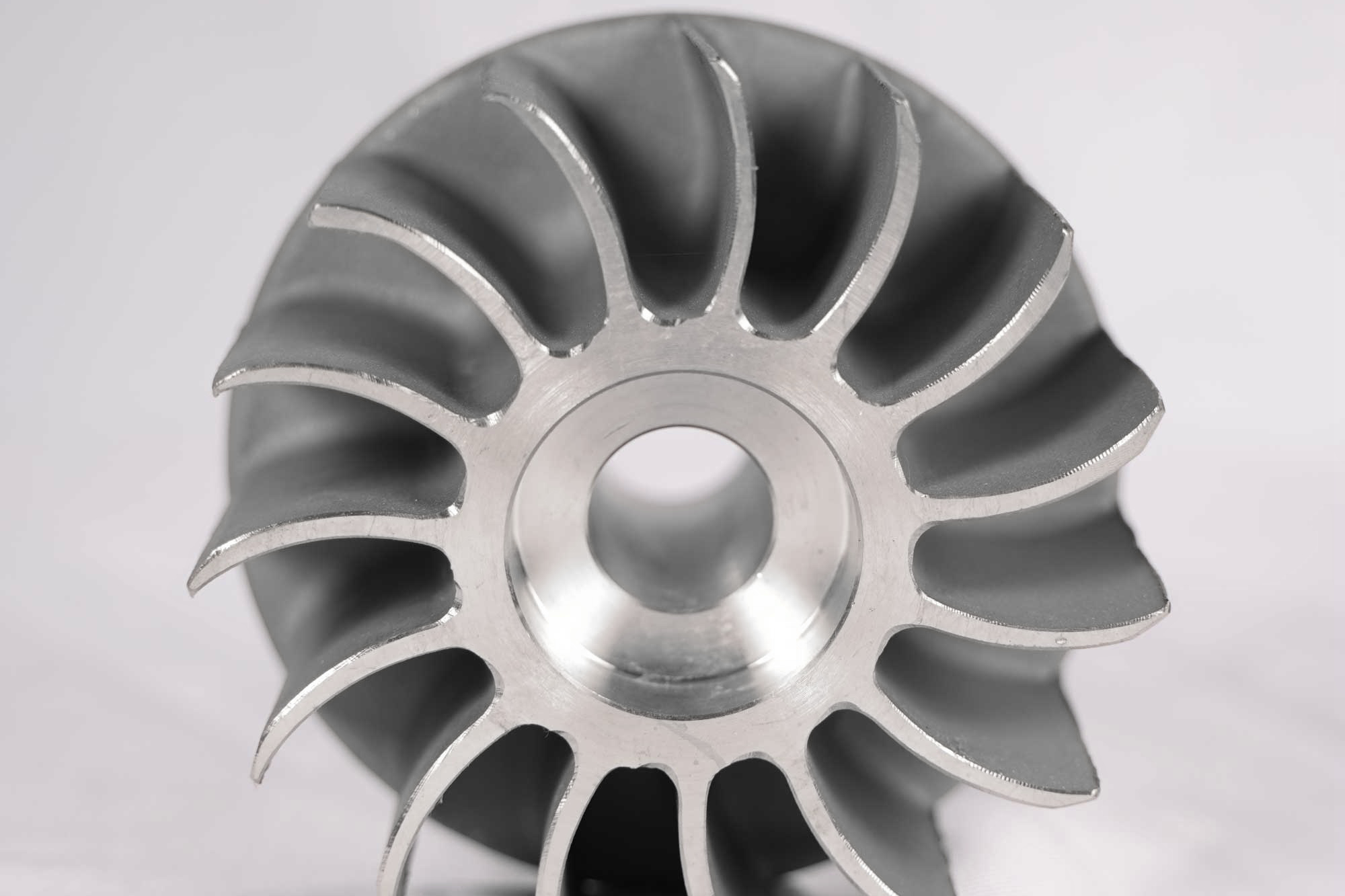
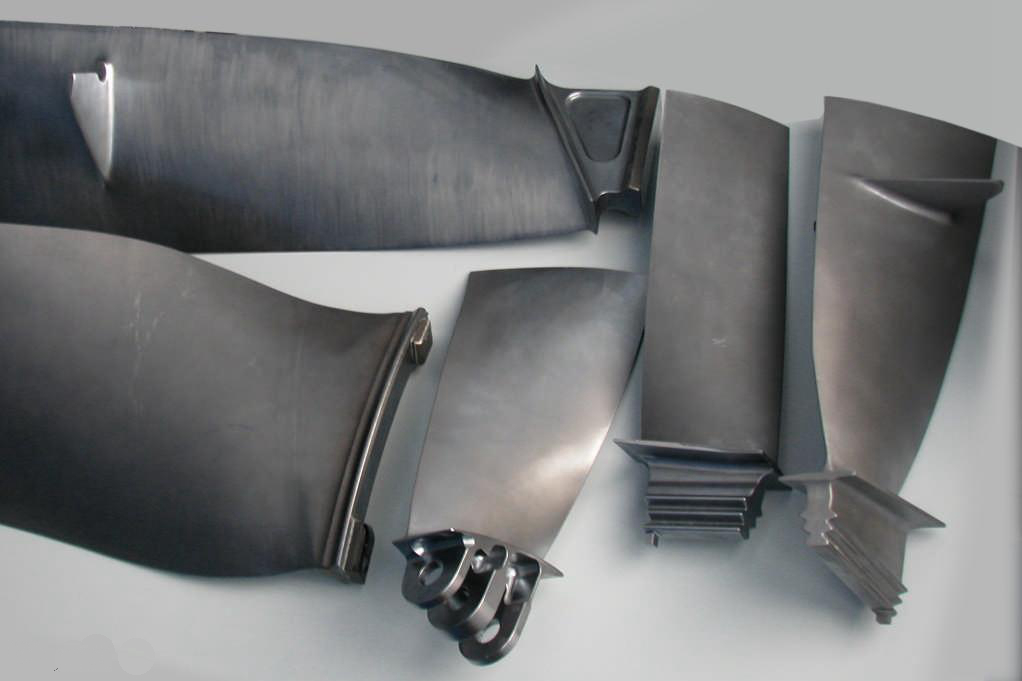
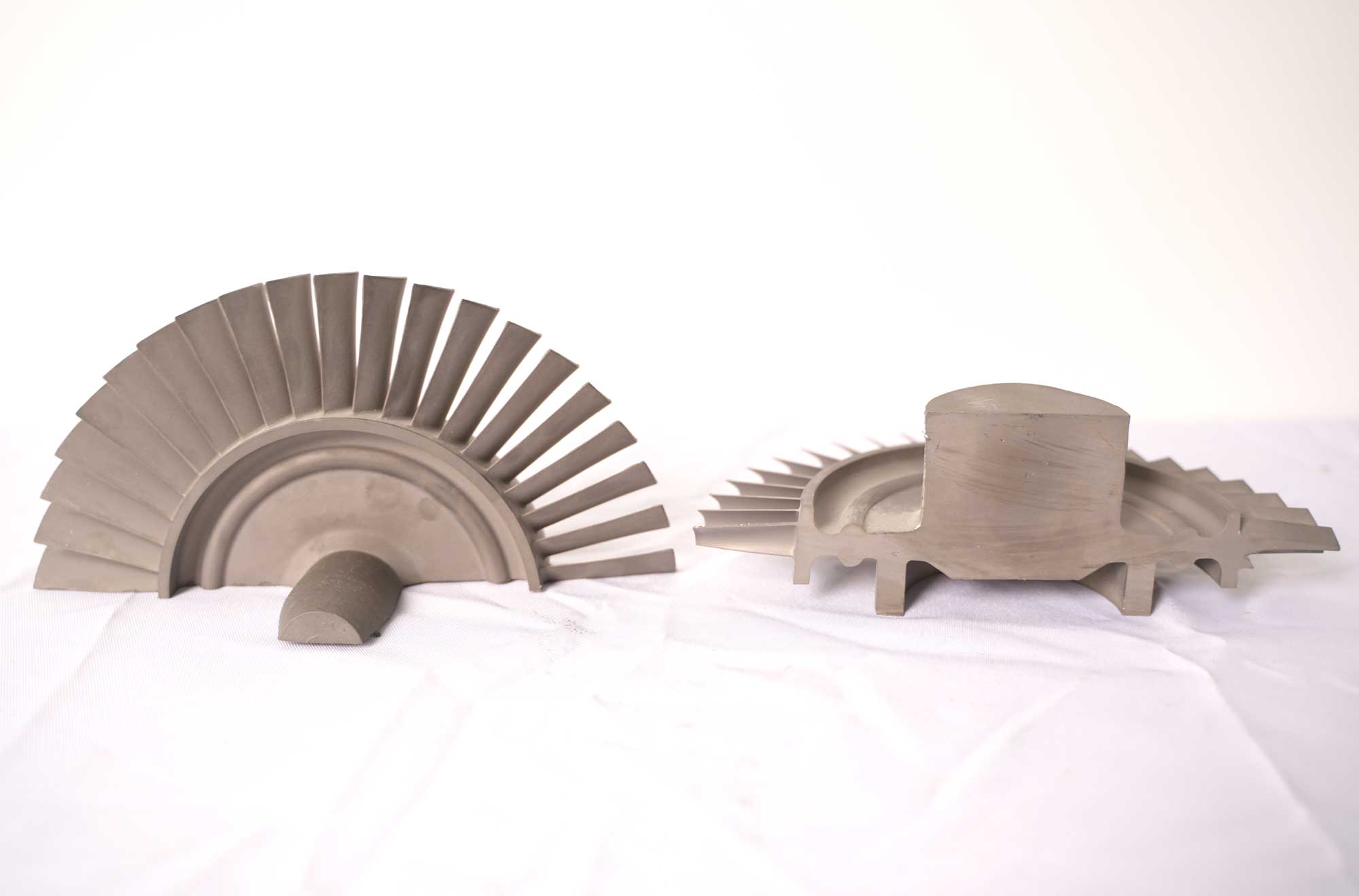
Superalloy Heat Exchanger Parts Fabrication Plant
A heat-exchanger-part RFQ should identify the individual part's fluid side, heat side, sealing surface, and assembly interface before the supplier chooses the alloy route. A buyer may need a header, manifold block, tube-sheet detail, end cover, seal ring, mounting lug, flow insert, boss, bracket, or small hot-side fitting. These parts belong to a heat exchanger, but each one has a different manufacturing problem. A header needs passage control. A seal ring needs surface finish. A mounting lug needs fit and load path. A flow insert needs cleanliness and wall condition.
NewayAeroTech supports superalloy heat exchanger parts through vacuum investment casting, special alloy casting, CNC machining, deep-hole drilling, EDM, heat treatment, HIP review, post-process cleaning, and inspection. A useful RFQ separates a raw casting, machined blank, finished part, prototype, and sample-based replacement detail.
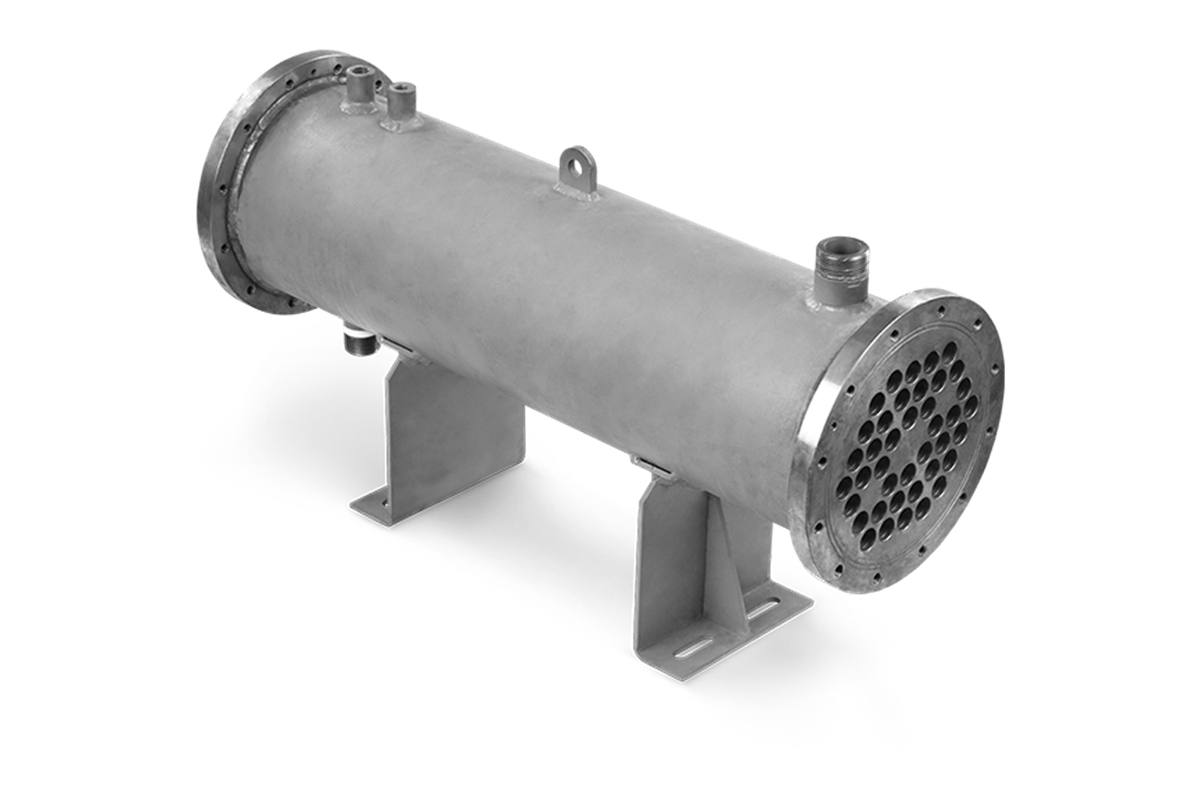
Define fluid side, heat side, and interface surfaces
The first drawing review should mark where the part contacts hot gas, coolant, process fluid, condensate, or only adjacent hardware. A hot-side fitting may need oxidation and thermal-cycle review. A coolant-side insert may need corrosion and cleanliness review. A seal ring needs flatness and finish. A tube-sheet detail may need hole position and burr control. A bracket may need only thermal stability and mounting accuracy. These zones should be separated before quotation.
Buyers should provide media, temperature, pressure notes, cleaning expectations, and whether the part is supplied alone or installed by another team. If the heat exchanger assembler owns leak or system tests, the component supplier's responsibility should be limited to agreed material, process, dimensional, and inspection evidence. This prevents a single-part quote from implying full heat exchanger validation.
Sample-based RFQs need careful interpretation. A used heat exchanger part may be warped, corroded, plugged, cracked, or contaminated. The sample can reveal real service conditions, but the buyer should state which features are original references and which features show damage.
Select superalloy by media, heat, and geometry
Superalloys may be selected for heat exchanger parts when heat, oxidation, corrosion, pressure, or dimensional stability are central. Inconel alloy casting may be reviewed for hot-side strength and oxidation resistance. Hastelloy alloy casting may be reviewed when corrosion resistance is the main concern. Titanium or stainless options may be discussed only when the media and joining route support them.
The alloy should follow the specific part. A manifold may need castability and passage integrity. A tube-sheet detail may need machinability and hole accuracy. A seal ring may need surface finish and stability. A bracket may need less severe material but tighter hole position. Buyers should explain the current failure mode or design concern so the supplier can avoid a generic material recommendation.
Geometry matters as much as alloy. Thin walls, thick bosses, deep passages, and small ports create different risks. The supplier needs to review both material and shape before committing to a route.
Choose casting, machining, or hole-making route by part features
Vacuum investment casting can support manifolds, end features, bosses, curved fittings, and flow inserts with complex forms. A casting can reduce material waste while leaving machining stock on seal faces, ports, and mounting pads. It also requires tooling, gating review, shrinkage control, surface cleanup, and first-article measurement. The quote should state whether the part is supplied as a casting blank or finished machined component.
Superalloy CNC machining controls final faces, bores, grooves, holes, and threads. If the part includes long passages, deep-hole drilling may be part of the route. If small slots or hard-to-reach features are needed, EDM may need review. These operations should be planned before tooling or material purchase.
Prototype parts can confirm flow layout, fit, and assembly clearance, but production route still needs validation. A machined prototype should not be treated as proof that a cast route will hold the same geometry without first-article review.
Manage heat treatment, HIP review, and cleanliness together
Heat treatment should be sequenced with machining and inspection. Thin or asymmetric heat exchanger parts may move during thermal processing. Seal faces, ports, and mounting datums may need finish machining after heat treatment. The RFQ should identify which dimensions must be accepted after all process steps.
HIP may be reviewed for suitable castings where internal soundness is a concern, especially around thick bosses or pressure-related areas. It should be connected to material, geometry, and inspection evidence. It should not be listed automatically for every heat exchanger part.
Cleanliness is central when passages, ports, and cavities are present. Post-process work should include deburring, surface preparation, cleaning, and handling protection where required. Chips, shell residue, and abrasive media should not remain in flow features.
Build inspection evidence around flow, seal, and fit
Material testing and analysis should be chosen by part risk. Cast parts may need material chemistry, visual inspection, dimensional reporting, penetrant inspection, radiographic review where agreed, hardness checks where required, and wall or surface review. Machined parts may need CMM data, flatness, bore measurements, surface finish, thread inspection, and cleanliness evidence.
A seal ring report should show flatness and finish. A manifold report should show port location and passage condition. A tube-sheet detail should show hole pattern and burr control. A mounting lug should show hole position and datum faces. Reports are more useful when they identify the acceptance surface instead of only listing the process performed.
The buyer should state whether leak testing or system flow testing is expected from the component supplier or from the heat exchanger assembler. Component-level evidence does not replace complete heat exchanger validation unless the scope is separately defined.
Clarify single-part responsibility and material-change limits
A heat exchanger part supplier may not control the complete heat exchanger unit. The buyer should state whether NewayAeroTech is responsible for one casting, one machined component, a cleaned part ready for assembly, or an engineering review from a sample. If the buyer expects a leak-ready component, the required surfaces, cleaning evidence, and test scope must be stated. If the buyer only needs a casting blank, downstream machining and assembly remain outside the supplied scope.
Material changes also need a clear decision owner. A new alloy may improve heat or corrosion behavior, but it can change machining, joining, thermal expansion, and compatibility with adjacent parts. The supplier can advise on manufacturability and inspection evidence, while the buyer should define system-level approval requirements. This distinction is especially important when an old sample is being replaced without complete drawings.
Mating features should be included where possible. A seal ring, manifold port, tube-sheet detail, or mounting lug may depend on parts made by other suppliers. Shared interface data helps the quote avoid hidden assumptions and helps first-article inspection focus on the surfaces that matter.
Use first articles to confirm route before small-batch supply
A first article should prove the route for the exact part type and should record any open drawing questions before repeat production begins. For a cast manifold, the review should check stock, port cleanup, surface condition, and final machined faces. For a machined ring, it should check dimensions, flatness, surface finish, and edge condition. For a prototype, the report should state whether the part proves fit only or validates the intended route.
Small-batch supply needs revision control. If the drawing changes after first article review, the supplier should know which features changed. If the part is based on a used sample, damage and contamination should be documented before approval. These records reduce confusion when repeat orders begin, especially when the first sample is approved after drawing comments or cleaning changes.
What to send for a superalloy heat exchanger part RFQ
A complete RFQ includes drawings, models, candidate material, media exposure, temperature, pressure notes, cleanliness expectations, quantity range, sample photos if available, critical surfaces, downstream joining or assembly notes, and inspection requirements. For aerospace and aviation, energy, or chemical-processing equipment, the part function is more useful than the broad industry label.
The supplier response should separate material review, casting or machining route, hole-making assumptions, machining stock, heat-treatment sequence, HIP assumptions, post-process cleaning, inspection evidence, and open questions. If the quote covers one part rather than a full unit, that boundary should be explicit. Buyers should also state whether protective caps, bagging, sealing-face protection, or cleaning documentation are required at delivery. Those items affect handling and cost, and they are easier to include before quotation than after machining is complete.
NewayAeroTech's value is connecting superalloy manufacturing to heat exchanger part geometry, flow, seal, cleanliness, and inspection evidence. A clear RFQ gives both sides a practical path from drawing or sample to controlled small-batch supply with traceable delivery records and fewer late-stage cleaning disputes during first-article and repeat-order review for buyer acceptance records.
Related FAQs
What advantages do superalloys offer for heat exchanger parts?
How does vacuum investment casting enhance the quality of heat exchanger components?
What benefits does powder metallurgy provide for superalloy heat exchangers?
How do HIP and heat treatment enhance heat exchanger performance?
What quality controls ensure the reliability of superalloy heat exchanger parts?
What types of superalloys are commonly used in heat exchanger parts?
How can prototyping benefit the development of heat exchanger parts?