Monel 404 Pump Component Casting and Forging Route for RFQs
A Monel 404 pump component RFQ should not treat casting and forging as interchangeable price options. Pump hardware usually combines corrosion exposure, rotating or stationary fit, sealing surfaces, flow-path cleanup, and assembly interfaces. Those details decide whether the supplier should quote a near-net casting, a forged blank, a machined wrought blank, or a combined manufacturing route with inspection records.
NewayAeroTech can review Monel alloy vacuum investment casting projects and related corrosion-resistant alloy components when buyers provide drawings, alloy requirement, medium, quantity, surface requirements, and delivery condition. For this RFQ, buyers should first define the pump component function before asking for a manufacturing route. A pump casing insert, impeller-adjacent wear ring, sleeve, fitting, bracket, cover, or flow component will not create the same route decision.
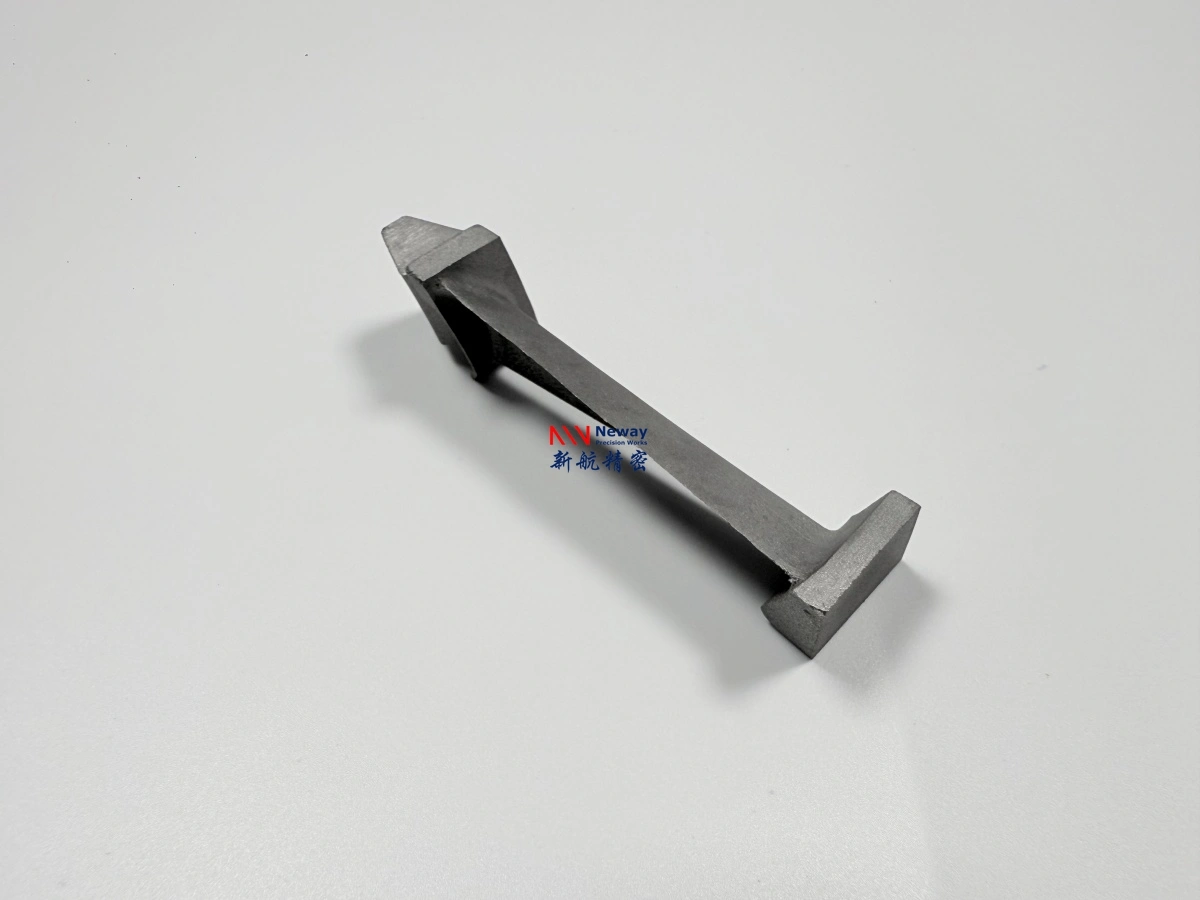
Choose Casting or Forging by Pump Component Geometry
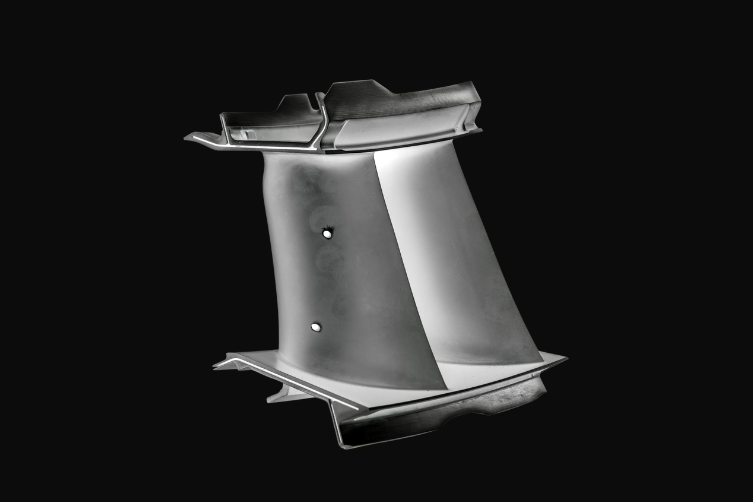
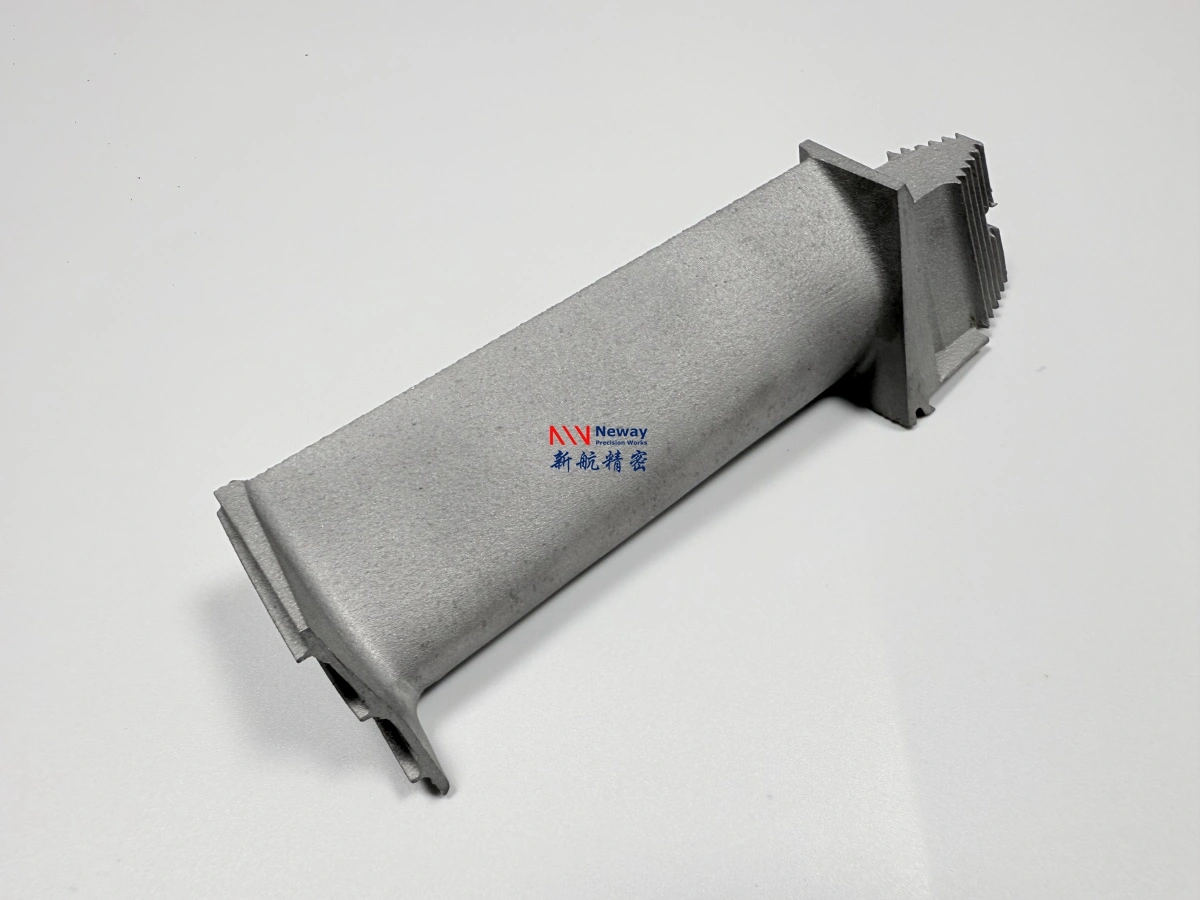
For this RFQ, the first route question is geometry. A pump component with internal passages, curved flow surfaces, pockets, lugs, or a shape that would remove too much material from bar stock may fit investment casting. A simple ring, sleeve, flange-like blank, or high-load compact part may justify forging or wrought machining. If the drawing is still early, the buyer can ask NewayAeroTech to compare the route, but the supplier needs enough dimensional information to make the comparison meaningful.
The casting route should be considered when near-net geometry can reduce waste and protect the flow envelope. The forging route should be considered when the part is simple enough for forged stock or when the buyer values deformation history for a compact blank. A mixed route may also appear: forged blank for strength-critical features, CNC machining for final surfaces, or casting followed by local machining for seals and mounting faces. The quote should state which surfaces are controlled by casting and which are controlled by machining.
Pump component condition | Route to review first | RFQ detail that changes the quote |
|---|---|---|
Curved flow-path insert or complex fitting | Vacuum investment casting plus CNC cleanup | Flow surface stock, internal access, casting tolerance, and inspection zone. |
Wear ring, sleeve, or simple annular part | Forged or wrought blank plus machining | Wall thickness, concentricity, seal diameter, and stock removal plan. |
Mounting bracket or cover with bosses | Casting if bosses and pockets dominate the shape | Datum faces, bolt holes, flatness, and final machining responsibility. |
Small batch replacement component | Route comparison before tooling approval | Quantity, sample condition, drawing maturity, and allowable design adjustment. |
Buyers should avoid sending only a material name and asking for a unit price. Monel 404 may be the required alloy, but the supplier cannot decide casting, forging, machining stock, or inspection effort without part geometry. A STEP model, 2D drawing, critical feature list, quantity, and delivery condition make the quote more reliable than a material-only request.
Monel 404 Material Information Buyers Should Confirm
Monel 404 is typically discussed for corrosion-resistant applications, so the RFQ should describe the environment that led engineering to this grade. The buyer does not need to reveal proprietary pump system data, but it should identify whether the component faces seawater, brine, chemical solution, condensate, sour service concerns, or general corrosion exposure. That information helps the supplier understand whether surface finish, cleanliness, material records, or post-casting operations need special attention.
The RFQ should confirm whether Monel 404 is fixed by drawing or whether equivalent corrosion-resistant alloys can be reviewed. If the grade is fixed, include the governing material requirement and any chemistry or mechanical record expectation. If the grade is still under review, say that clearly so NewayAeroTech can discuss casting feasibility, machining behavior, and inspection evidence without assuming that the alloy decision has already been frozen.
Material information should also include heat condition, any buyer-side passivation or cleaning requirement, and whether wetted surfaces need a particular finish. For pump hardware, the corrosion problem is rarely isolated from manufacturing. A rough cast surface, a turned seal diameter, and a polished flow path may behave differently in service. The quote should therefore show which surfaces remain as-cast, which are machined, and which require final buyer-side treatment.
Material question | Buyer input | Supplier response should clarify |
|---|---|---|
Grade control | Monel 404 drawing note, purchasing specification, or allowed substitute list. | Whether the quote is grade-specific or includes a route review for alternatives. |
Corrosion exposure | Medium, temperature range, cleaning chemicals, and wet or dry operating zone. | Surface finish, cleaning, and documentation assumptions included in scope. |
Delivery condition | Rough casting, forged blank, semi-machined part, or finished component. | Where material, machining, and inspection responsibility transfer to the buyer. |
Records required | Material certificate, chemical verification, dimensional report, or NDT request. | Which records are included and which need a separate hold point or test plan. |
Machining Allowance for Sealing, Mounting, and Flow Surfaces
Pump components often fail an RFQ review when all surfaces are treated with the same allowance. A sealing diameter, bearing-adjacent sleeve, bolt face, flow passage, and nonfunctional outside envelope have different cleanup and inspection needs. If NewayAeroTech is quoting CNC machining after casting or forging, the buyer should mark the final datum system and the surfaces that control assembly.
For cast Monel 404 parts, machining allowance should protect casting cleanup without creating avoidable tool time. For forged or wrought blanks, allowance should protect distortion, scale removal, and final fit. If the buyer plans to machine the part at another facility, the supplier still needs to know the requested blank envelope and stock responsibility. A rough blank with unclear allowance can shift risk from supplier to buyer without either side noticing during quotation.
Internal flow surfaces deserve separate discussion. Some pump parts tolerate as-cast surfaces away from sealing zones. Others need smooth flow paths, controlled edges, or post-machining deburr. A supplier cannot quote that properly unless the drawing identifies flow-critical surfaces and noncritical cavities. When the buyer sends a 3D model, it should also send a marked drawing or notes showing which features are inspected after machining.
Surface type | Common RFQ risk | Better instruction |
|---|---|---|
Seal diameter or face | Rough blank supplied with too little stock for final cleanup. | State final dimension, stock, finish method, and inspection record required. |
Mounting face | Flatness or perpendicularity added after quote. | Define datum role and whether CMM or layout inspection is required. |
Flow path | Surface finish assumed rather than specified. | Identify as-cast, blended, machined, polished, or buyer-finished condition. |
Thread, groove, or small port | Tool access not reviewed before route selection. | Send section view and indicate whether CNC, EDM, or buyer machining is expected. |
Inspection Evidence for Corrosion-Resistant Monel Components
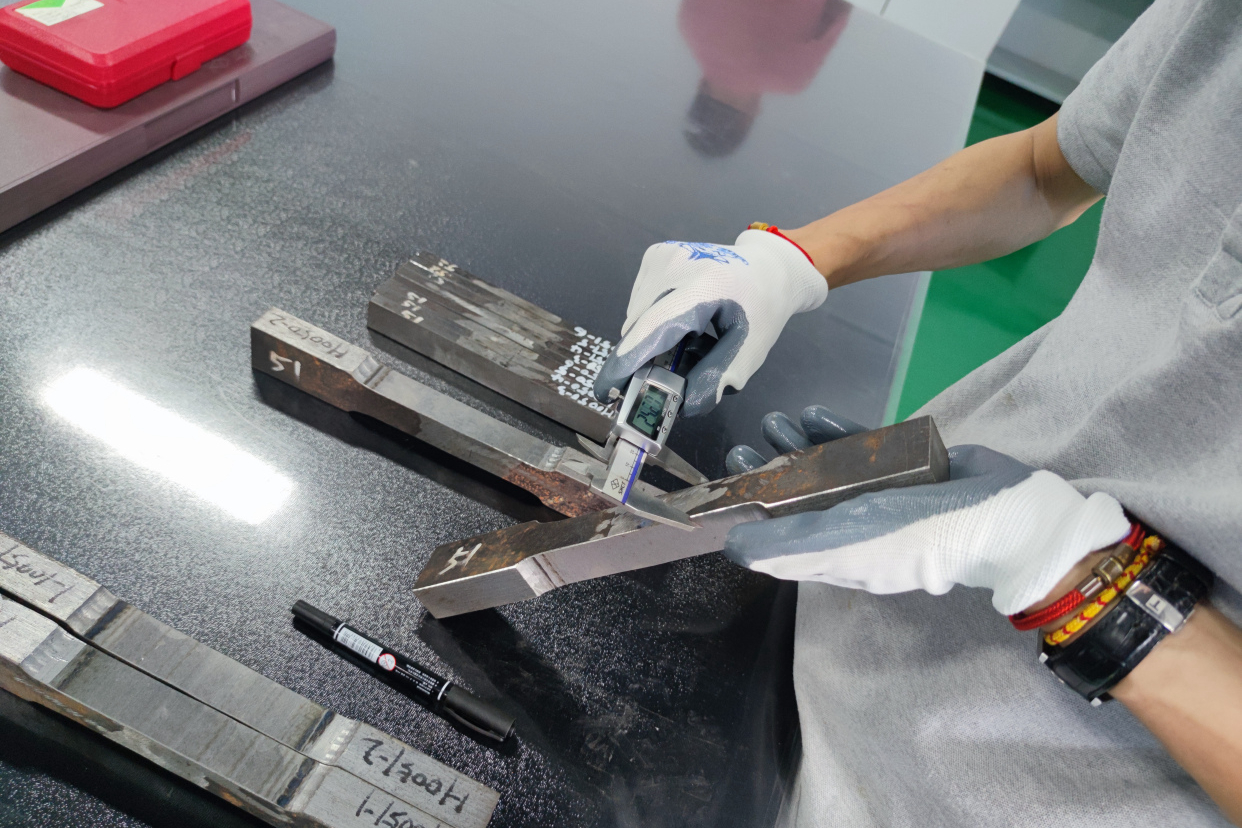
Inspection should follow the manufacturing route. A Monel 404 casting may need chemical verification, visual inspection, dimensional checks, FPI if specified, and review of casting cleanup zones. A forged or wrought blank may need material traceability, hardness or mechanical records where specified, envelope inspection, and final machining reports if NewayAeroTech supplies the finished part. The RFQ should avoid a generic "full inspection" note and instead name the records needed for release.
Corrosion-resistant pump components often require evidence tied to wetted surfaces. If a surface is exposed to fluid, tell the supplier whether roughness, machining marks, casting discontinuities, or cleaning residue are acceptance concerns. If the part is part of a larger assembly, identify which features the buyer will inspect again after installation. That prevents duplicated checks on low-risk features while keeping important surfaces visible in the supplier's report package.
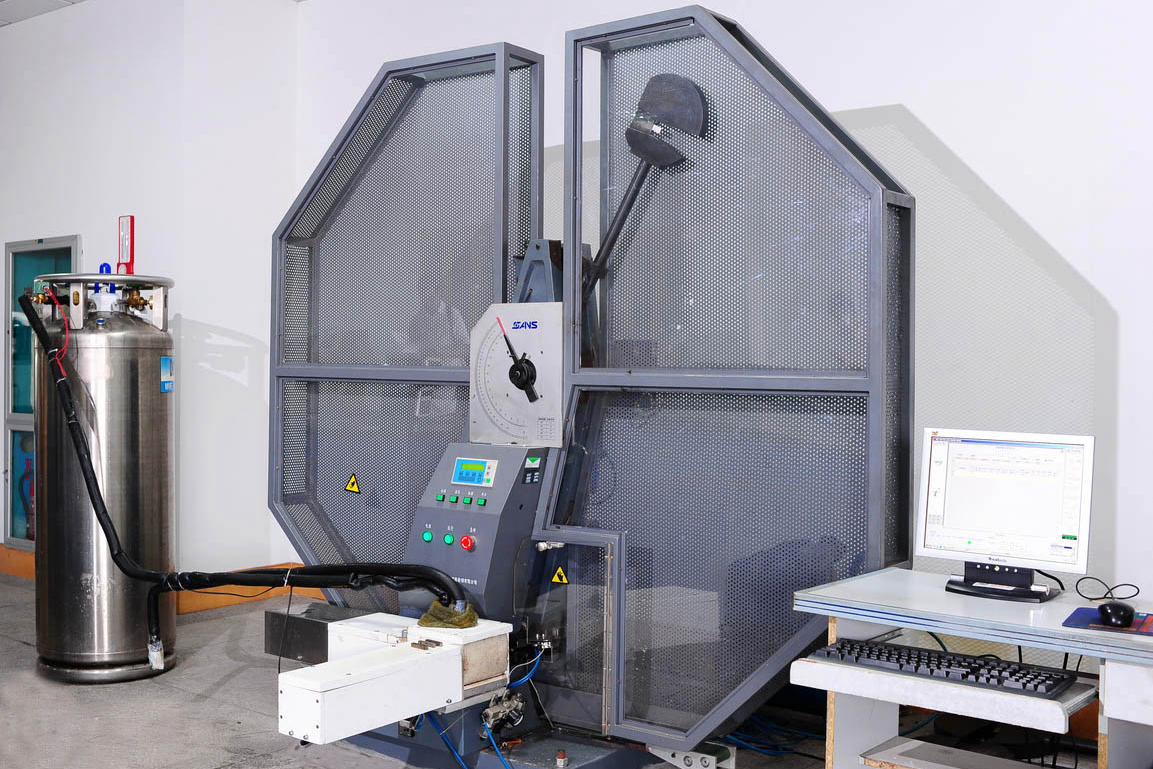
NewayAeroTech can support inspection planning through material testing and analysis when the buyer defines the required tests and acceptance records. The supplier response should state whether reports are by lot, by part, or by critical feature. On small batches, a single extra report requirement can change the inspection workload more than the casting operation itself.
RFQ Checklist for Monel 404 Casting and Forging Projects
A complete Monel 404 pump component RFQ should include the part drawing, STEP file, alloy requirement, medium or corrosion exposure, quantity, route preference if fixed, delivery condition, machining allowance, critical surfaces, inspection records, and whether tooling cost should be separated from part cost. If the buyer has an existing sample, define whether it is a dimensional reference, a worn service sample, or a part used only to explain assembly context.
The quote should separate casting or forging from downstream work. Buyers should be able to see whether NewayAeroTech is responsible for tooling, casting, forged blank supply, heat treatment if applicable, CNC machining, cleaning, inspection, and packaging. A single line item can be acceptable for purchasing, but the technical offer should still make the boundary visible so engineering can compare suppliers fairly.
If the part resembles a fitting or pump component already covered in NewayAeroTech examples, buyers may reference the Monel R-405 pump fitting case for manufacturing context. The new RFQ should still provide its own alloy, geometry, and corrosion exposure data. Similar material families do not remove the need to review the actual pump component.
Send the drawing, model, Monel 404 requirement, medium, quantity, delivery condition, machined surfaces, and inspection records. NewayAeroTech can review whether casting, forging, CNC machining, and testing support fit the pump component RFQ.
Related FAQs
What are the primary advantages of using nickel-based alloys for seawater pump segments?
How does vacuum investment casting improve the production of seawater pump segments?
What are the key tests conducted to ensure the quality of seawater pump segments?
How does vacuum investment casting enhance the quality of superalloy pump components?
What are the most commonly used superalloys for wear-resistant pump assemblies?