What advantages do superalloys provide for pump components?
Exceptional High-Temperature Strength
Pump components used in high-pressure or thermally aggressive environments must maintain mechanical stability even under continuous operation. Nickel-based alloys, such as Inconel 718, and cobalt-based options, like Stellite 6, deliver superior creep resistance, allowing pump impellers, shafts, and housings to operate reliably at elevated temperatures where conventional steels would soften or deform. Their stable microstructures ensure durability under high rotational speeds and fluctuating loads.
Corrosion and Wear Resistance
Corrosive media such as seawater, chemicals, and hydrocarbons reduce the service life of traditional materials. Superalloys such as Monel 400 and Hastelloy C-276 provide exceptional corrosion resistance in acidic and chloride-rich environments. Their inherent wear resistance reduces erosion caused by fluid flow and abrasion, providing longer maintenance intervals and more predictable lifecycle costs. Surface enhancements like post process finishing further enhance contact surfaces and sealing interfaces.
Precision Manufacturing for Efficiency
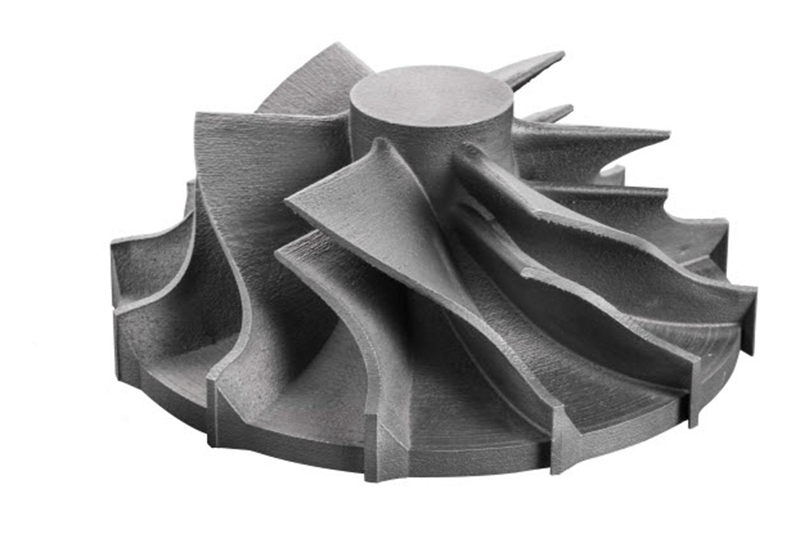
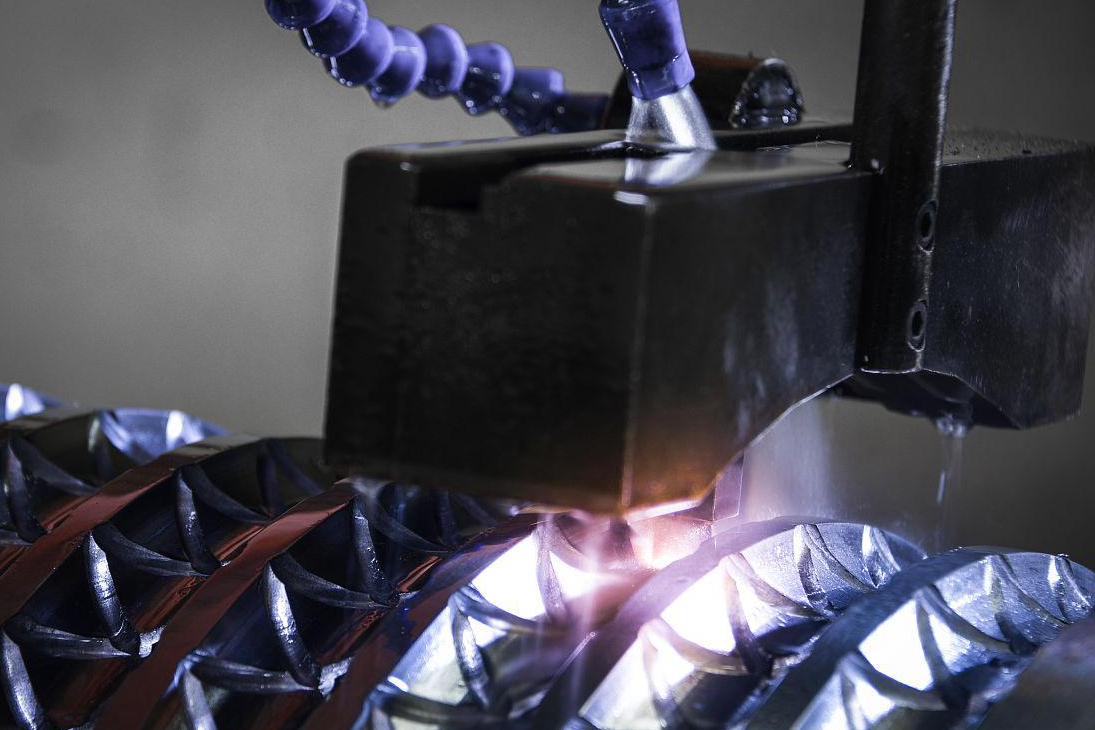
High fluid dynamic efficiency depends on precise geometry and smooth flow paths. Complex impeller blades and spiral housings can be produced using vacuum investment casting or superalloy 3D printing, allowing for optimized internal passages for pressure control. To ensure hydraulic accuracy, critical surfaces are finished using superalloy CNC machining, which provides tight tolerances and repeatability across large volumes.
Long-Term Reliability in Harsh Environments
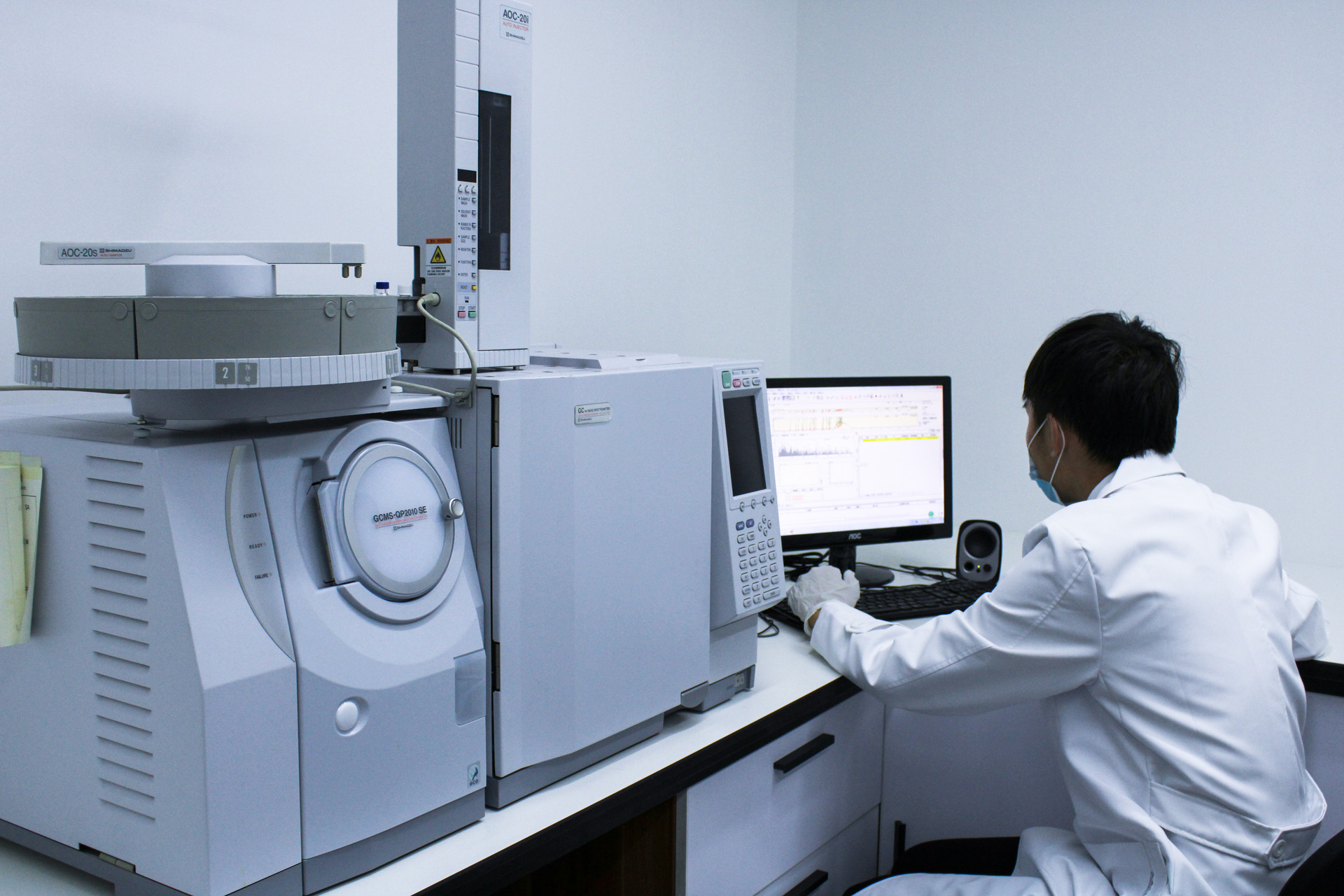
Industrial sectors such as oil and gas, chemical processing, and offshore marine operations require pumps that can withstand corrosive media, elevated temperatures, and high-pressure cycles. Superalloy components are validated via pressure testing, flow simulation, and fatigue assessment to ensure long service life. Microstructural consistency is verified using advanced material testing and analysis to ensure long-term stability.