What are the primary advantages of using nickel-based alloys for seawater pump segments?
Exceptional Corrosion and Pitting Resistance
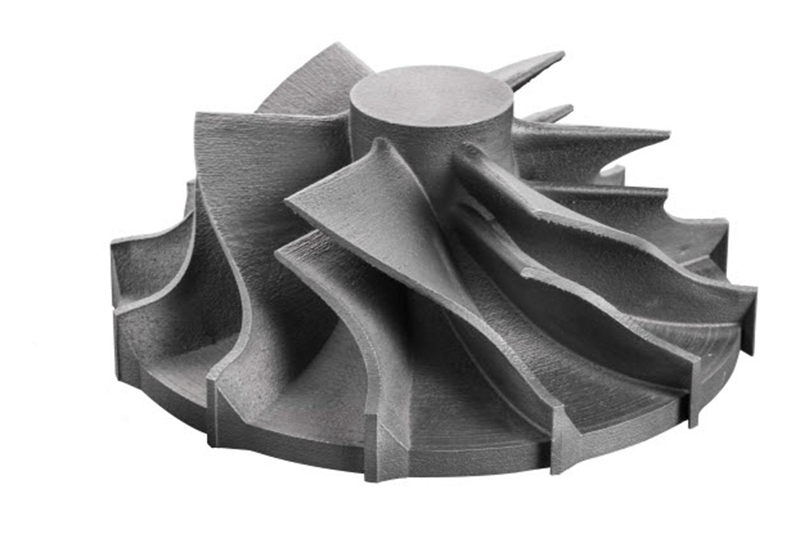
Nickel-based alloys excel in marine environments due to their exceptional resistance to chloride-induced corrosion, a significant challenge in seawater systems. Alloys such as Inconel 625, Monel 400, and Hastelloy C-276 form a stable, adherent oxide film that protects the surface against pitting, crevice corrosion, and stress corrosion cracking. This makes them ideal for seawater pump casings, impellers, and valve housings operating in continuous immersion or high-salinity environments. Compared to stainless steels, nickel-based alloys maintain integrity even under variable oxygen and flow conditions.
Mechanical Strength and Fatigue Resistance in Marine Conditions
Seawater pumps experience cyclic pressure, cavitation, and vibration loads. Nickel-based alloys maintain high tensile and yield strength at both ambient and elevated temperatures. For dynamic components such as impeller hubs and bearing sleeves, vacuum investment casting ensures homogeneity and microstructural consistency, while superalloy precision forging enhances grain alignment and fatigue endurance. Monel K500 is frequently used for shafts and fasteners due to its combination of corrosion resistance and precipitation-hardened strength.
Excellent Weldability and Post-Processing Compatibility
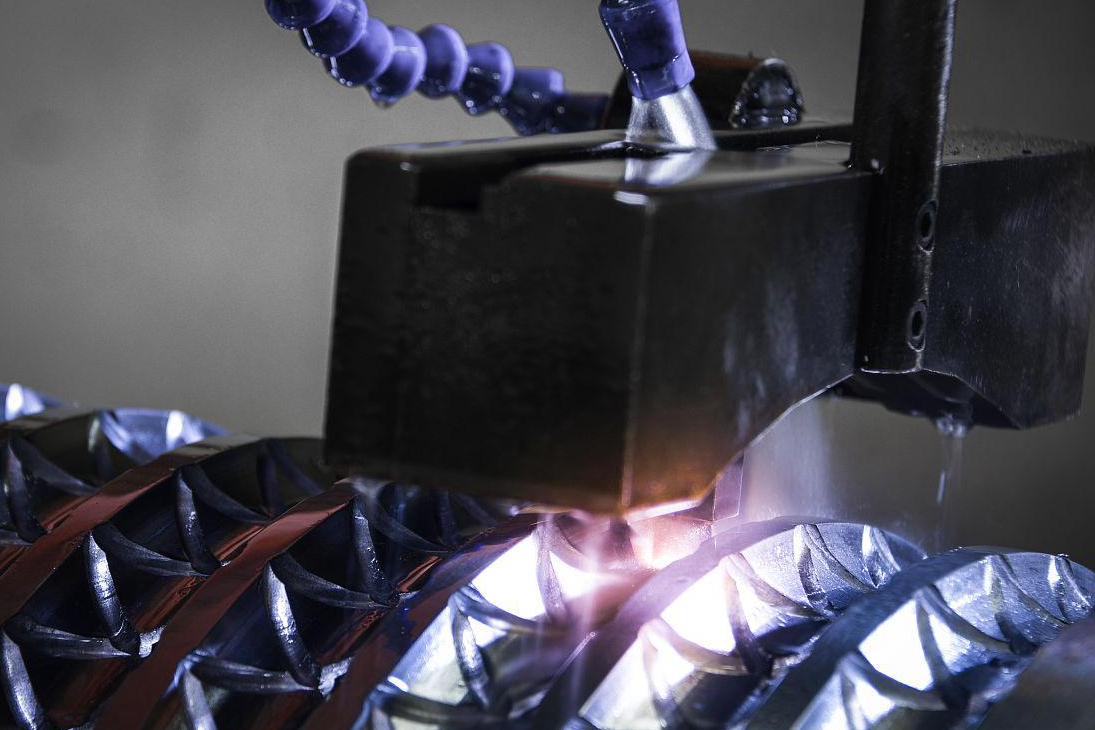
Pump assemblies often require complex fabrication, welding, and finishing. Nickel-based alloys such as Hastelloy X and Inconel 718 exhibit excellent weldability, allowing for precision fabrication and repair with minimal risk of cracking. Subsequent superalloy heat treatment restores full mechanical properties, while hot isostatic pressing (HIP) eliminates internal voids, improving fatigue and pressure performance. For high-efficiency pumps, superalloy CNC machining enables tight tolerances and fine surface finishes that reduce flow losses.
Long-Term Durability and Lifecycle Cost Efficiency
Nickel-based alloys deliver decades of service life in marine conditions, significantly reducing maintenance intervals and replacement costs. This long-term reliability is crucial in marine propulsion and seawater cooling systems, as well as in offshore oil and gas and power generation plants, where downtime incurs high operational costs. Their ability to resist both biofouling and mechanical erosion makes them a cost-effective solution throughout the component's lifecycle, even with a higher initial material investment.
Summary
In seawater pump systems, nickel-based alloys offer the optimal balance of strength, corrosion resistance, and longevity. Whether applied in naval propulsion, offshore platforms, or coastal energy installations, these materials outperform conventional stainless steels by maintaining structural integrity under aggressive marine exposure, pressure fluctuations, and thermal gradients.