How does vacuum investment casting enhance the quality of superalloy pump components?
Controlled Solidification and Microstructure
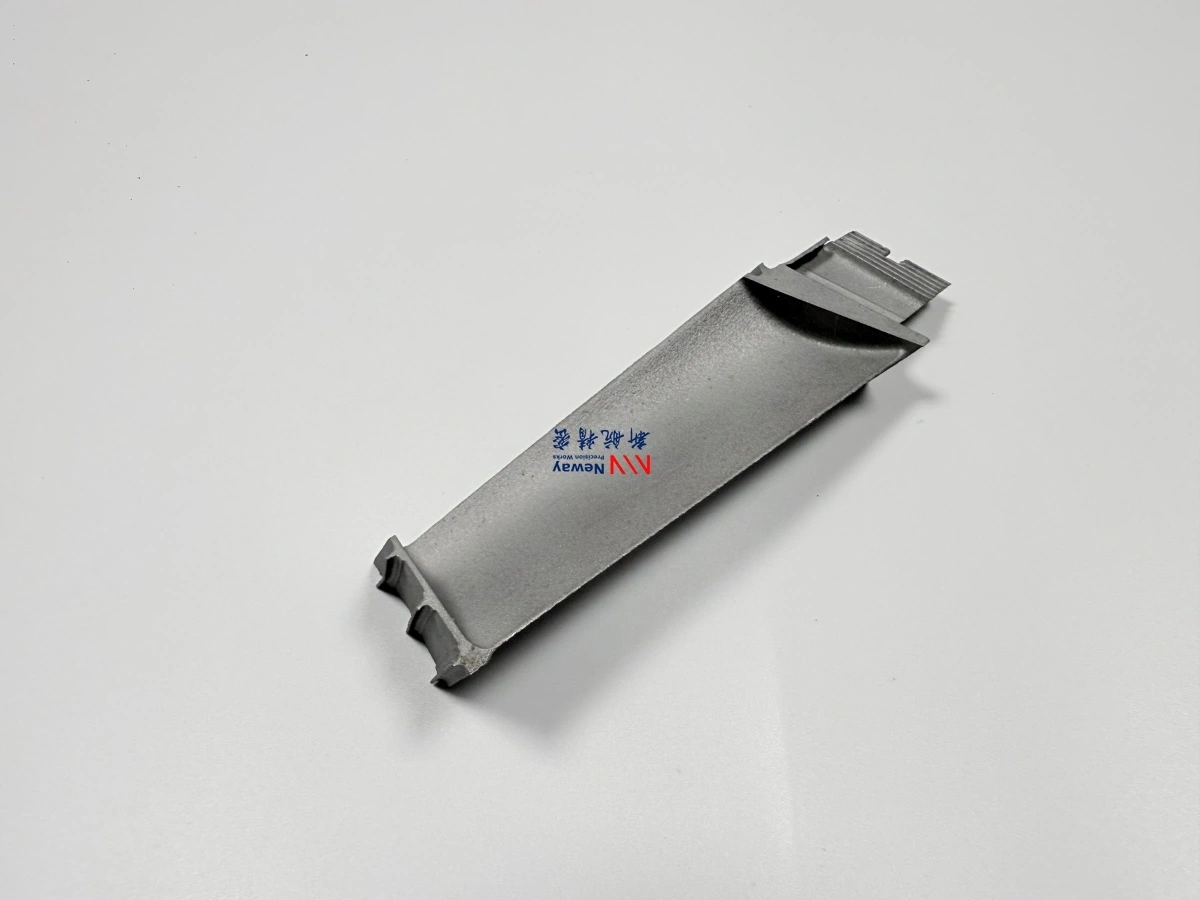
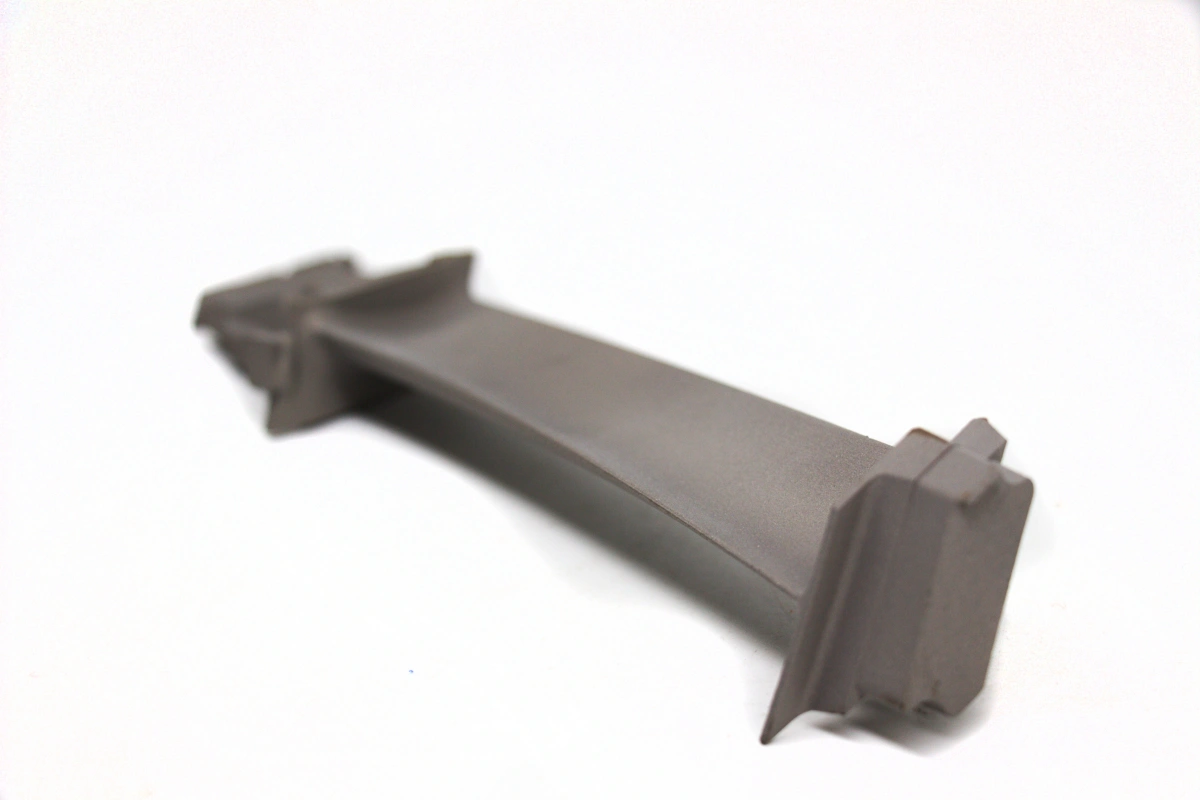
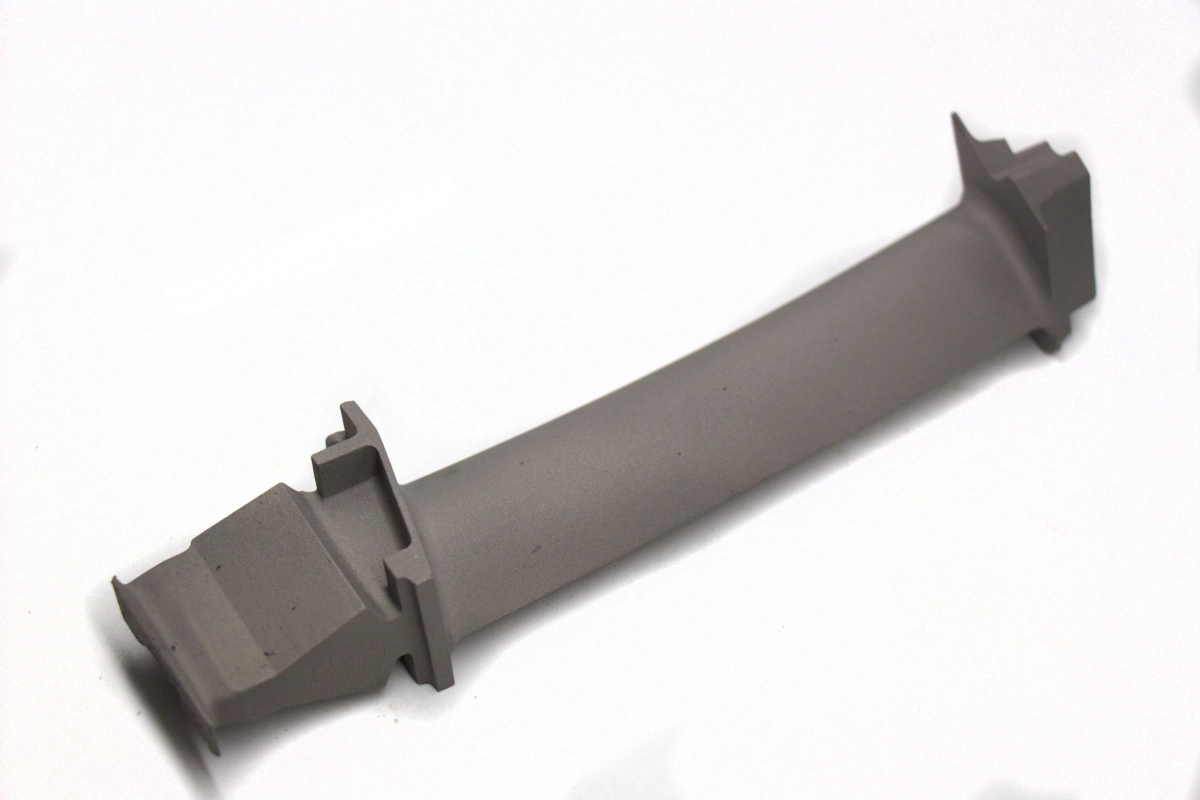
Vacuum investment casting provides precise control over temperature, solidification rate, and mold atmosphere—essential for superalloy pump components that must withstand high pressure and fluid velocity. By eliminating reactive gases, the process minimizes oxidation and contamination, allowing alloys such as Inconel 718 or Stellite 6B to form uniform microstructures with improved creep resistance and mechanical stability. This enhances the fatigue life of impellers, diffusers, and shaft sleeves operating under cyclic pressure loads.
Complex Geometry and Flow Optimization
Pump efficiency depends heavily on internal flow paths and blade geometry. Vacuum investment casting enables the production of intricate shapes and thin-walled channels with high dimensional accuracy. This is especially beneficial for hydraulic components requiring velocity control or cavitation resistance. Near-net shaping reduces machining time and enables high-performance geometries that would be impractical with traditional manufacturing. For advanced internal cooling or flow channels, engineers may complement casting with superalloy 3d printing to further optimize fluid dynamics.
Defect Reduction and Structural Integrity
The vacuum environment minimizes hydrogen absorption, gas porosity, and segregation issues common in conventional casting. After solidification, components can undergo hot isostatic pressing (HIP) to remove residual voids and improve tensile strength and pressure resistance. This combination of vacuum casting and HIP treatment significantly reduces the risk of fatigue-related failure in high-load pump applications.
Compatibility with High-Performance Alloys
High-strength superalloys like Rene 80 and Hastelloy C-22HS require precise control over melting and cooling to maintain their phase composition. Vacuum investment casting provides the clean environment needed to preserve alloy chemistry and prevent contamination, enabling more predictable mechanical performance. When paired with targeted superalloy heat treatment, the lifespan and structural stability of components are significantly improved.
Industry Application and Consistency
Industries such as chemical processing, oil and gas, and offshore marine demand high repeatability and corrosion resistance across large batches of pump components. Process monitoring, mold tracking, and batch-based quality documentation ensure component integrity throughout the production lifecycle—providing long-term operational reliability even in aggressive media and pressurized environments.