
مجموعات سبائك عالية الحرارة لمنشأة تصنيع توربينات الغاز
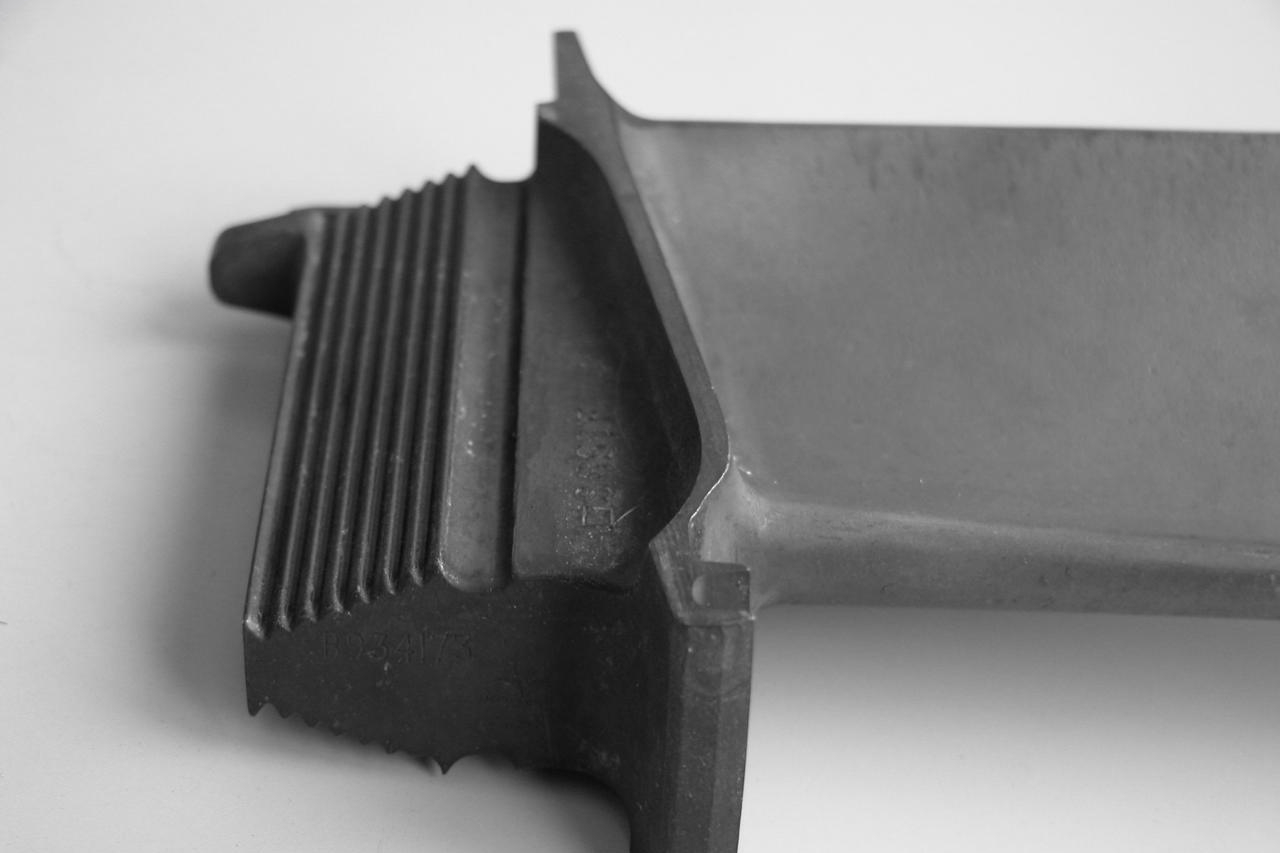
مقدمة موجزة عن مجموعات توربينات الغاز
مجموعات توربينات الغاز حاسمة لتوليد الطاقة والطيران والتطبيقات البحرية. مصنوعة من سبائك عالية الحرارة، تم تصميم هذه المجموعات لتحمل الظروف القاسية، بما في ذلك الحرارة العالية والإجهاد الميكانيكي والبيئات المسببة للتآكل. يتضمن تصنيع مجموعات توربينات الغاز هندسة دقيقة، باستخدام مواد متخصصة وتقنيات إنتاج متقدمة لضمان أداء موثوق.
توجد توربينات الغاز في قلب العديد من التطبيقات الصناعية والتجارية، حيث تحول الوقود إلى طاقة ميكانيكية من خلال عملية الاحتراق. ثم تستخدم هذه الطاقة في توليد الكهرباء، والدفع الطائري، وحركة السفن البحرية. يجب أن تتحمل المجموعات الظروف الشديدة للدوران عالي السرعة وغازات الاحتراق عالية الحرارة. تتطلب هذه الظروف مواد وعمليات تصنيع توفر القوة والمرونة والمتانة مع الحفاظ على الكفاءة التشغيلية وتقليل وقت التوقف. يعد التصميم والإنتاج العمليان لمجموعات توربينات الغاز أمرًا بالغ الأهمية لأدائها وسلامتها وعمرها الافتراضي في هذه التطبيقات المتطلبة.
السبائك الفائقة النموذجية المستخدمة في تصنيع مجموعات توربينات الغاز
تستخدم مجموعات توربينات الغاز مجموعة من السبائك الفائقة التي يمكنها تحمل درجات الحرارة العالية وتوفر قوة ميكانيكية ممتازة. تشمل هذه السبائك إنكونيل، وهاستيلوي، ونيمونيك، وسلسلة CMSX، وسبائك فائقة أخرى قائمة على النيكل. يتم اختيار كل مادة بناءً على خصائصها الفريدة، مثل مقاومة الزحف، ومقاومة التآكل، ومقاومة التعب، وهي حاسمة للظروف المتطلبة لتشغيل توربينات الغاز.
سبائك إنكونيل: معروفة بمقاومتها العالية للأكسدة والتآكل، وهي فعالة في البيئات ذات الحرارة الشديدة. غالبًا ما تستخدم سبائك إنكونيل، مثل غرف الاحتراق ومكونات العادم، في الأقسام الأكثر سخونة في توربين الغاز لأنها يمكنها الاحتفاظ بخصائصها الميكانيكية في درجات حرارة تتجاوز 1000 درجة مئوية.
هاستيلوي: يوفر مقاومة ممتازة للأكسدة عالية الحرارة والمواد الكيميائية العدوانية، مما يجعله مناسبًا لبيئات الاحتراق. يُفضل هاستيلوي للتطبيقات التي يكون فيها التعرض للغازات والمواد الكيميائية القاسية أمرًا لا مفر منه، مما يضمن طول العمر واستقرار المكونات الحرجة.
نيمونيك: مثالي لشفرات وأقراص التوربينات عالية الأداء، حيث يقدم استقرارًا حراريًا استثنائيًا ومقاومة للزحف. تحافظ سبائك نيمونيك على قوتها واستقرارها أثناء التشغيل المستمر في درجات حرارة عالية، وهو مفيد بشكل خاص لشفرات التوربينات المعرضة لقوى الطرد المركزي المستمرة.
سلسلة CMSX: سبائك فائقة أحادية البلورة مصممة خصيصًا لشفرات التوربينات، مما يضمن مقاومة ممتازة للزحف وخصائص التعب الحراري. من خلال القضاء على حدود الحبيبات، تعزز سبائك CMSX قدرة شفرات التوربينات على مقاومة تكوين الشقوق والعيوب الأخرى، وبالتالي إطالة عمر المكون.
تساهم هذه المواد في أداء وعمر مجموعات توربينات الغاز من خلال الحفاظ على السلامة الهيكلية تحت الأحمال الحرارية والميكانيكية الصعبة. يعد اختيار السبيكة المناسبة لكل مكون أمرًا بالغ الأهمية في عملية التصميم والتصنيع، حيث يؤثر على كل من الكفاءة والموثوقية.
عملية التصنيع ومعدات مجموعات توربينات الغاز
يتضمن إنتاج مجموعات توربينات الغاز عدة عمليات متطورة ومعدات متقدمة لتحقيق الجودة والدقة المطلوبة. تشمل العمليات الأكثر شيوعًا المستخدمة في التصنيع ما يلي:
سباكة الشمع المفقود بالتفريغ: طريقة لإنتاج أشكال معقدة بدقة عالية، مما يضمن نقاء وسلامة مكونات السبائك الفائقة. تُستخدم سباكة الشمع المفقود بالتفريغ بشكل شائع لشفرات التوربينات عالية الإجهاد، حيث يكون تقليل الشوائب أمرًا بالغ الأهمية. تتيح هذه العملية إنتاج مكونات قريبة من الشكل النهائي، مما يقلل الحاجة إلى تشغيل مكثف ويضمن جودة سطح ممتازة.
سباكة البلورة الأحادية: تُستخدم لشفرات التوربينات للقضاء على حدود الحبيبات وتحسين مقاومة الزحف. تخلق سباكة البلورة الأحادية شفرات يمكنها تحمل قوى الطرد المركزي الشديدة والإجهاد الحراري، مما يعزز العمر التشغيلي. هذه العملية حاسمة للتطبيقات المتطلبة، لأنها تساعد في منع النقاط الضعيفة حيث يمكن أن يتركز الإجهاد.
سباكة البلورات متساوية المحاور: عملية لتحقيق هياكل حبيبية موحدة تعزز الخصائص الميكانيكية، وغالبًا ما تستخدم في الأجزاء حيث تكون الخصائص متساوية الخواص مرغوبة. تساعد سباكة البلورات متساوية المحاور في الحفاظ على خصائص متسقة في جميع أنحاء الجزء، وهو أمر ضروري للمكونات التي تتعرض لقوى متغيرة أثناء التشغيل.
سباكة السبائك الفائقة الموجهة: توفر أجزاء ذات قوة اتجاهية محسنة لظروف تحميل محددة. تقوم السباكة الموجهة بمحاذاة حدود الحبيبات لتعظيم القوة الميكانيكية في اتجاه التحميل المطلوب، وهو مفيد بشكل خاص للمكونات المعرضة لتدرجات حرارية عالية، مثل شفرات وريش التوربينات.
ميتالورجيا المساحيق: تضمن توزيعًا متجانسًا للمادة وخصائص ميكانيكية ممتازة لأقراص التوربينات. ميتالورجيا المساحيق مفيدة لإنتاج المكونات التي تتطلب تجانسًا عاليًا في التركيب وحد أدنى من العيوب. هذه العملية مثالية للأجزاء التي تتحمل سرعات دوران عالية وتقاوم التصدع تحت الحمل.
تشغيل السبائك الفائقة بالتحكم الرقمي بالحاسوب (CNC): يحقق دقة عالية في هندسات المكونات، وهو أمر بالغ الأهمية لمتطلبات التركيب والتسامح في مجموعات التوربينات. تتيح التشغيل بالتحكم الرقمي بالحاسوب (CNC) تحكمًا دقيقًا في الأبعاد، وهو أمر بالغ الأهمية للتجميع الدقيق والتشغيل الأمثل. تتطلب مكونات مثل الأعمدة والفوهات وأجزاء الغلاف أبعادًا دقيقة لضمان الأداء الأمثل وتقليل التآكل.
التصنيع الإضافي للسبائك الفائقة: عمليات الطباعة ثلاثية الأبعاد، مثل الانصهار الانتقائي بالليزر (SLM)، تتيح النمذجة السريعة وإنتاج الأشكال الهندسية المعقدة، وبالتالي تقليل وقت التسليم. كما يتيح التصنيع الإضافي مرونة في التصميم، مما يسمح بإنشاء مكونات بهياكل داخلية معقدة تعزز كفاءة التبريد. يمكن للمكونات المنتجة عبر SLM أن تتضمن تصميمات مبتكرة تعزز إدارة الحرارة وتقلل وزن المادة، مما يساهم في تحسين كفاءة التوربين.
طرق و معدات الاختبار في مراقبة الجودة لمجموعات توربينات الغاز
مراقبة الجودة جزء لا يتجزأ من إنتاج مجموعات توربينات الغاز، مما يضمن أن المكونات تفي بمعايير الأداء الصارمة. تشمل طرق الاختبار المستخدمة ما يلي:
الاختبار بالموجات فوق الصوتية
يستخدم الاختبار بالموجات فوق الصوتية للكشف عن العيوب الداخلية وضمان السلامة الهيكلية للمواد. تكشف الموجات فوق الصوتية عن العيوب التي قد تهدد الاستقرار الميكانيكي للأجزاء أثناء التشغيل. تفيد هذه الطريقة أجزاء مثل شفرات وأقراص التوربينات، حيث يمكن أن تؤدي الشقوق الداخلية أو الشوائب إلى فشل كارثي. يعد استخدام الاختبار بالموجات فوق الصوتية على المكونات عالية الإجهاد أمرًا بالغ الأهمية لضمان السلامة والموثوقية.
التفتيش بالأشعة السينية
التفتيش بالأشعة السينية هو تقنية غير مدمرة تُستخدم لتحديد الشقوق الداخلية أو المسامية. هذه الطريقة ضرورية للأجزاء ذات الأشكال الهندسية المعقدة حيث قد لا تكون العيوب الداخلية مرئية من الخارج. يضمن التفتيش بالأشعة السينية أن الهيكل الداخلي للمكونات، مثل جذور الشفرات وقنوات التبريد، يفي بمواصفات التصميم. الكشف عن العيوب الداخلية باستخدام الأشعة السينية أمر بالغ الأهمية للحفاظ على السلامة الهيكلية لمكونات توربينات الغاز.
اختبار الزحف والتعب
يقيم اختبار الزحف والتعب قدرة المادة على تحمل التعرض المطول لدرجات الحرارة العالية والإجهاد الميكانيكي. تضمن هذه الاختبارات أن شفرات وأقراص التوربينات تحافظ على أدائها على فترات تشغيلية طويلة. يتضمن اختبار الزحف تعريض المكونات لدرجات حرارة وإجهاد مرتفعين مستمرين لتحديد كيفية تشوهها بمرور الوقت، بينما يقيم اختبار التعب قدرتها على تحمل التحميل المتكرر. توقع دورة الحياة من خلال اختبار التعب أمر حيوي لضمان متانة توربينات الغاز.
تحليل المجهر الإلكتروني الماسح (SEM)
يستخدم تحليل SEM للتحليل المجهري لضمان أن الخصائص الداخلية للسبيكة تفي بالمواصفات المطلوبة. SEM لا يقدر بثمن لفهم بنية الحبيبات، وتكوين الطور، والشوائب المحتملة التي قد تؤثر على أداء المادة. هذا المستوى من التحليل حاسم لتحديد الأسباب الجذرية لأي عيوب قد تؤدي إلى فشل تشغيلي. يدعم التصوير عالي الدقة باستخدام SEM تقييم الجودة الدقيق.
الاختبارات الميكانيكية
تشمل الاختبارات الميكانيكية اختبارات الشد والصلادة والصدم لتقييم قوة ومرونة المادة. تضمن هذه الاختبارات أن جميع المواد المستخدمة في مجموعات التوربينات يمكنها تحمل الإجهادات التشغيلية. تساعد الاختبارات الميكانيكية في التحقق من أن تركيبات السبائك توفر القوة والمطيلية والمتانة اللازمة للأداء الفعال. يؤكد التحقق من قوة الخضوع وقوة الشد الامتثال لمتطلبات الأداء.
الصناعات والتطبيقات لمجموعات توربينات الغاز
تُستخدم مجموعات توربينات الغاز على نطاق واسع عبر الصناعات التي تتطلب محركات وتوربينات عالية الأداء وموثوقة، مثل:
الفضاء والطيران: تشغيل محركات الطائرات ووحدات الطاقة المساعدة. تلعب توربينات الغاز دورًا محوريًا في الدفع، مما يضمن سلامة وموثوقية أنظمة الطيران. تجعل قدرة توربينات الغاز على العمل بكفاءة على ارتفاعات عالية وتحت ظروف متغيرة بسرعة منها مثالية لتطبيقات الفضاء.
توليد الطاقة: هذه هي المكونات الأساسية لتوربينات الغاز المنتجة للكهرباء. تُستخدم توربينات الغاز على نطاق واسع في محطات الطاقة ذات الدورة المركبة، حيث توفر جزءًا كبيرًا من كهرباء العالم. تُقدر هذه التوربينات لكفاءتها العالية، وقدرتها على البدء السريع، وتوافقها مع أنواع الوقود المختلفة، بما في ذلك الغاز الطبيعي والوقود الحيوي.
البحرية: تُستخدم في أنظمة الدفع للسفن البحرية والتجارية. تجعل نسبة القوة إلى الوزن العالية لتوربينات الغاز منها مثالية للتطبيقات البحرية حيث تكون المساحة والوزن محدودين. غالبًا ما تُجمع توربينات الغاز البحرية مع أنظمة الدفع الكهربائية لتعظيم الكفاءة والمرونة.
النفط والغاز: دعم المحركات الميكانيكية في معدات الاستخراج والمعالجة. توفر توربينات الغاز الطاقة اللازمة لضغط الغاز الطبيعي وغيرها من العمليات في صناعة النفط والغاز. تجعل قدرتها على توليد الطاقة بشكل موثوق في البيئات النائية والقاسية منها خيارًا شائعًا للمنصات البحرية ومحطات ضغط خطوط الأنابيب.
عملية ما بعد التصنيع النموذجية لمجموعات توربينات الغاز
بعد التصنيع الأولي، تخضع مجموعات توربينات الغاز لعدة عمليات ما بعد التصنيع لتعزيز خصائصها وإعدادها للخدمة. تشمل هذه العمليات ما يلي:
الكبس المتساوي الساخن (HIP): لتقليل المسامية وتحسين القوة الميكانيكية. يخضع HIP الجزء لدرجات حرارة وضغوط عالية لإغلاق الفراغات الداخلية، وبالتالي زيادة الكثافة وتحسين خصائص المادة. هذه العملية ضرورية لشفرات وأقراص التوربينات، والتي يجب أن تتحمل قوى الطرد المركزي الشديدة ودرجات الحرارة العالية دون فشل.
المعالجة الحرارية: لتحسين الهياكل المجهرية وتعزيز متانة السبيكة. تُطبق عمليات المعالجة الحرارية، مثل التخمير والتشيخ، لتعزيز القوة الميكانيكية ومقاومة التعب الحراري. تساعد هذه المعالجات الأجزاء على تحمل الدورات الحرارية التي ستواجهها أثناء التشغيل والإيقاف، مما يقلل من خطر التصدع أو التشوه.
الطلاء الحاجز الحراري (TBC): يُطبق على شفرات التوربينات لتقليل التعب الحراري. TBCs هي طلاءات سيراميك تعزل المعدن الأساسي عن درجات الحرارة العالية، مما يعزز متانته. يطيل هذا الطلاء بشكل كبير عمر خدمة شفرات التوربينات من خلال حمايتها من غازات الاحتراق الساخنة وتقليل الحمل الحراري الكلي.
التشغيل بالتحكم الرقمي بالحاسوب (CNC): التشطيب النهائي لتحقيق تسامحات ضيقة. التشغيل أمر بالغ الأهمية لتلبية المتطلبات الأبعاد للتجميع وضمان الكفاءة التشغيلية. يضمن التشغيل بالتحكم الرقمي بالحاسوب (CNC) أن جميع الأجزاء تتلاءم معًا بدقة، مما يقلل الفجوات ويضمن تدفق هواء كفء عبر التوربين.
عملية النمذجة السريعة
النمذجة السريعة أمر بالغ الأهمية لتسريع تطوير مجموعات توربينات الغاز. تشمل التقنيات المستخدمة الطباعة ثلاثية الأبعاد للسبائك الفائقة (مثل SLM، LENS) لإنشاء أشكال هندسية معقدة بسرعة والتشغيل بالتحكم الرقمي بالحاسوب (CNC) لتحسين التصاميم لتلبية المتطلبات الوظيفية. تتيح طرق النمذجة الأولية هذه للمصنعين اختبار التصاميم وإجراء التعديلات اللازمة بكفاءة، مما يقصر دورة التطوير. كما يتيح إنتاج النماذج الأولية بسرعة المزيد من التكرارات في مرحلة التصميم، مما يؤدي إلى تحسين الأداء والموثوقية.
أهمية التحقق من العينات
يضمن التحقق من النماذج الأولية والعينات أن المكونات تفي بمواصفات التصميم، وتتحمل الظروف التشغيلية، وتحدد العيوب المحتملة في التصميم أو المادة قبل الانتقال إلى الإنتاج على نطاق واسع. يقلل التحقق الصارم من التغييرات المكلفة أثناء الإنتاج الضخم ويضمن الأداء. تساعد عملية التحقق هذه أيضًا في تحديد المشكلات المتعلقة بـ سلوك المادة، أو دقة الأبعاد، أو عيوب التصميم التي قد تؤثر على موثوقية المكون في ظروف العالم الحقيقي. إن القدرة على اكتشاف ومعالجة المشكلات المحتملة في وقت مبكر من دورة التطوير تقلل بشكل كبير من خطر الفشل أثناء التشغيل، مما يؤدي في النهاية إلى مجموعات توربينات غاز أكثر قوة وموثوقية.
الأسئلة الشائعة
- ما هي أكثر السبائك الفائقة شيوعًا المستخدمة في مجموعات توربينات الغاز؟
- كيف تحسن سباكة البلورة الأحادية أداء شفرات التوربينات؟
- ما هي اختبارات مراقبة الجودة الأساسية لمجموعات توربينات الغاز؟
- لماذا يُستخدم HIP في عملية ما بعد التصنيع لأجزاء توربينات الغاز؟
- ما هي مزايا الطباعة ثلاثية الأبعاد في تصنيع مكونات توربينات الغاز؟
