
Sealing and Wear Parts for Gas Turbine Hot Section Repair and Efficiency Recovery
NewayAeroTech manufactures custom sealing and wear parts for gas turbine hot section repair and efficiency recovery projects. These components include shroud blocks, seal rings, turbine seal segments, blade ring segments, wear-resistant segments, sealing faces, and cobalt-based wear-resistant turbine components.
For power generation gas turbines, sealing and wear parts are replaced not only because they are damaged, but also because they directly affect turbine efficiency. Worn seal faces, enlarged blade tip clearance, damaged shroud blocks, oxidized sealing surfaces, or coating loss can increase leakage and reduce hot section performance.
NewayAeroTech supports power generation turbine hot section parts manufacturing through special alloy casting, vacuum investment casting, CNC machining, EDM, heat treatment, coating preparation, post-processing, and inspection for custom gas turbine sealing and wear parts.
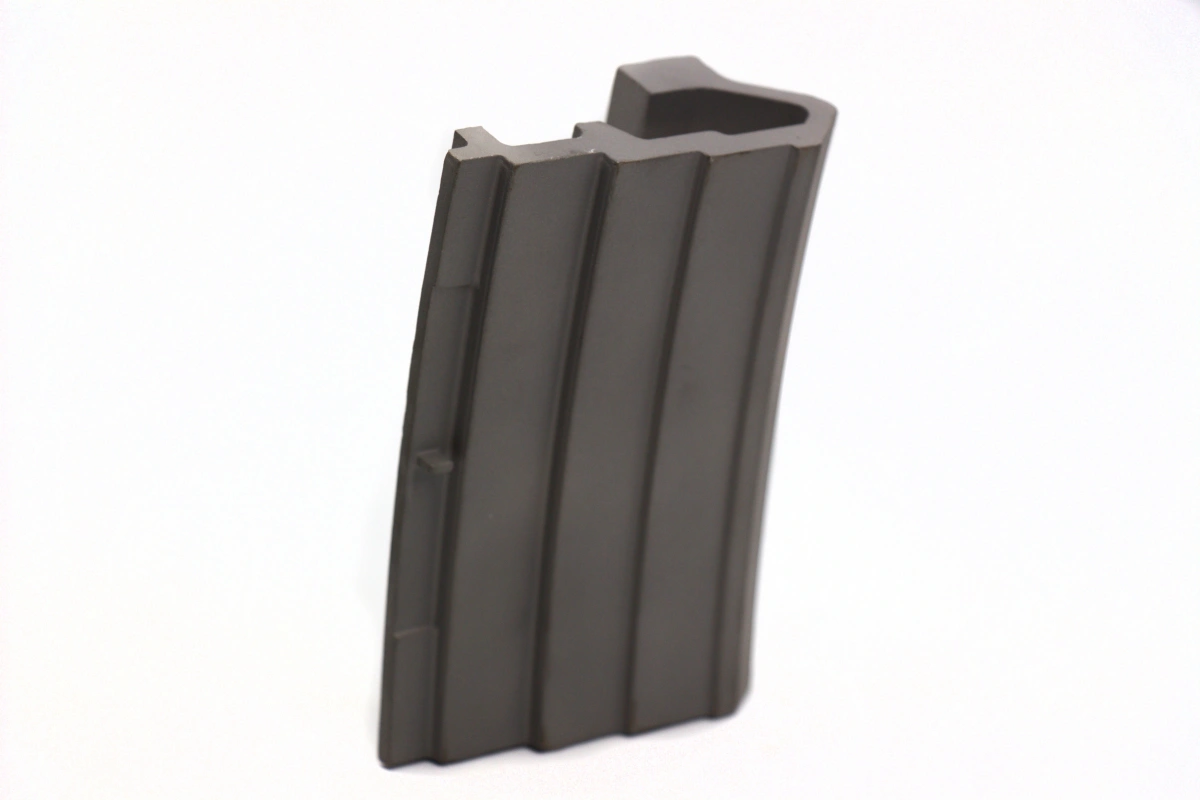
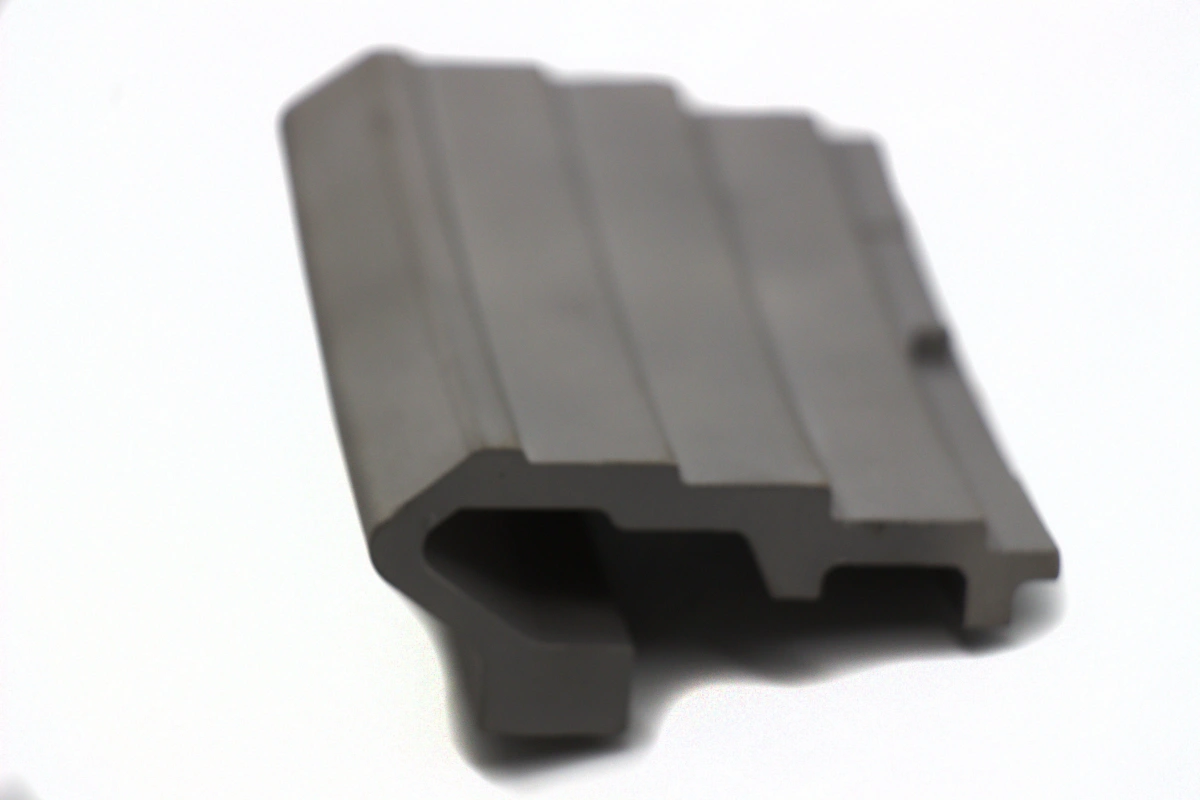
Direct Answer: Sealing and Wear Parts for Hot Section Repair
NewayAeroTech manufactures sealing and wear parts for gas turbine hot section repair, including shroud blocks, seal rings, turbine seal segments, blade ring segments, wear-resistant faces, and custom hot section sealing components. These parts can be produced from customer drawings, old samples, 3D scan data, or turbine model information.
Our manufacturing support can cover:
Custom sealing and wear parts for gas turbine repair
Turbine shroud blocks and seal rings manufacturing
Replacement seal segments for power generation turbines
Wear-resistant gas turbine hot section components
Cobalt-based wear-resistant turbine parts
Small-batch repair parts and long-term spare parts supply
The goal is to restore sealing performance, control leakage, recover turbine efficiency, and protect hot section structures with accurately manufactured replacement parts.
Why Sealing Parts Matter for Gas Turbine Efficiency
Gas turbine sealing parts help control the gap between rotating and stationary components. In the turbine hot section, even a small increase in clearance can increase gas leakage, reduce energy transfer, and lower overall turbine efficiency.
Sealing and wear parts are important because they help:
Control blade tip clearance
Reduce hot gas leakage around turbine stages
Improve sealing efficiency and stage performance
Protect casing and surrounding hot section structures
Provide replaceable wear surfaces during service
Support efficiency recovery during overhaul or repair projects
For this reason, sealing parts should not be treated as simple blocks or rings. Their arc profile, sealing face, surface roughness, coating condition, mounting features, and segment fit all affect turbine performance.
Typical Sealing and Wear Components
Gas turbine sealing and wear components include parts installed around turbine blades, hot gas path segments, casing interfaces, and wear-prone sealing zones. These parts are often designed to be replaceable because they experience rubbing, thermal exposure, oxidation, and coating degradation during service.
Typical components include:
Shroud blocks
Turbine seal rings
Turbine seal segments
Blade ring segments
Wear-resistant segment blocks
Sealing faces and contact surfaces
Hot gas path wear strips, inserts, and custom sealing components
NewayAeroTech also supports turbine shrouds and seal segments for hot section repair projects where blade tip clearance, arc geometry, segment fit, and sealing surfaces must be controlled.
Common Failure Modes of Sealing and Wear Parts
Sealing and wear parts operate in high-temperature gas flow and may contact adjacent rotating or stationary components. During long service, they can lose their original geometry and surface condition, reducing sealing efficiency and increasing hot section losses.
Common failure modes include:
Wear on sealing faces caused by rubbing or contact
Oxidation and hot corrosion on gas-facing surfaces
Thermal cracks caused by repeated start-stop cycles
Coating peeling, spalling, erosion, or local coating loss
Seal face deformation or loss of controlled clearance
Segment mismatch, edge damage, or gap enlargement
Mounting groove wear or positioning surface damage
Surface roughness change that increases leakage or wear
When these conditions are found during overhaul inspection, replacement sealing parts can help restore clearance control and improve hot section efficiency.
Material Selection for Sealing and Wear Components
Material selection for gas turbine sealing parts depends on service temperature, wear mechanism, hot corrosion exposure, coating system, rubbing condition, and original part specification. These components often require materials with a combination of high-temperature strength, oxidation resistance, wear resistance, and dimensional stability.
Common material options include Stellite alloys, cobalt-based alloys, Inconel alloys, Rene alloys, and other wear-resistant superalloys. For many wear-prone sealing zones, cobalt-based materials may be reviewed because they can provide strong wear resistance and hot corrosion performance.
NewayAeroTech supports Stellite alloy vacuum investment casting for cobalt-based wear-resistant components, Inconel alloy vacuum investment casting for nickel-based hot section parts, and Rene Alloys vacuum investment casting for advanced turbine hot-section applications.
Material Family | Typical Use | Selection Reason |
|---|---|---|
Stellite alloys | Wear-resistant seal segments, shroud blocks, and sealing faces | Useful for wear resistance, hot corrosion resistance, and cobalt alloy durability |
Cobalt-based alloys | Hot section wear parts and high-temperature sealing components | Suitable where rubbing, oxidation, and hot corrosion must be controlled |
Inconel alloys | Nickel-based seal rings, shrouds, and hot gas path parts | Provides high-temperature strength and oxidation resistance |
Rene alloys | Advanced turbine hot-section components | Can be reviewed when the original design requires higher hot-section performance |
Wear-resistant superalloys | Blade ring segments, seal blocks, and replaceable wear surfaces | Selected according to rubbing condition, coating system, and repair strategy |
Manufacturing Route for Sealing and Wear Parts
Sealing and wear parts usually require a combined manufacturing route. Casting can form complex segment geometry, curved bodies, grooves, and near-net-shape blanks. CNC machining then controls sealing faces, mounting features, arc contours, and segment-to-segment fit.
A typical manufacturing route may include:
Review turbine model, part drawings, old samples, or 3D scan data
Confirm material grade, coating requirement, wear surface requirement, and inspection standard
Select special alloy casting, vacuum investment casting, or machining-from-stock route
Produce the shroud block, seal ring, or wear segment blank with machining allowance
Apply heat treatment or stress relief according to material and drawing requirements
Machine arc profiles, sealing faces, mounting grooves, positioning surfaces, and mating faces
Use EDM for slots, sharp corners, holes, or tool-access-limited features when required
Prepare surfaces for coating, wear-resistant treatment, cleaning, or final delivery
Inspect arc geometry, sealing dimensions, segment fit, surface condition, and material records
NewayAeroTech provides special alloy casting for high-temperature and wear-resistant alloy components where geometry, alloy behavior, and inspection requirements must be considered together. For complex near-net-shape parts, vacuum investment casting can support shroud blocks, seal segments, and custom hot section wear parts.
CNC Machining Focus for Seal Rings, Shroud Blocks, and Segments
CNC machining is critical for sealing and wear parts because final performance depends on accurate geometry and surface condition. The sealing face, arc profile, mounting groove, and mating surfaces must be machined according to the functional datum structure.
NewayAeroTech provides superalloy CNC machining for nickel-based, cobalt-based, and wear-resistant turbine components.
Critical machining features include:
Arc-shaped inner and outer contours
Sealing faces and blade tip clearance surfaces
Mounting slots, hooks, grooves, and retaining features
Positioning faces and datum surfaces
Segment-to-segment mating surfaces
Surface roughness on wear and sealing areas
Coating allowance and masking boundaries
For efficiency recovery projects, machining accuracy is especially important because even small deviations in sealing surfaces or segment fit can increase leakage and reduce turbine performance.
Surface Treatment and Coating Preparation
Sealing and wear parts may require coating preparation, wear-resistant surface treatment, polishing, cleaning, or other post-processing before delivery. These operations help improve oxidation resistance, wear behavior, sealing performance, and service life.
NewayAeroTech supports superalloy post process for high-temperature alloy components that require heat treatment, surface control, coating preparation, and final inspection.
Surface and coating preparation may include:
Removing oxide scale, oil, machining residue, and surface contamination
Deburring grooves, slots, holes, edges, and mating surfaces
Controlling surface roughness on sealing and wear faces
Preparing surfaces for oxidation-resistant, abradable, or wear-resistant coatings
Masking features that must remain uncoated
Inspecting cracks, dents, chips, and surface defects before coating
Coating allowance should be considered during machining. If coating thickness changes the sealing face, blade clearance surface, or segment fit, the part may fail final assembly even if it passed inspection before coating.
Critical Quality Controls for Efficiency Recovery
Sealing and wear parts are closely connected to gas turbine efficiency recovery. The goal is not only to replace damaged parts, but also to restore clearance control, reduce leakage, and improve hot section performance.
Critical quality controls include:
Arc profile accuracy for blade path and seal ring fit
Segment-to-segment gap control
Sealing face flatness, profile, and surface roughness
Mounting groove and positioning feature accuracy
Wear-resistant material consistency
Coating preparation quality and masking control
Surface crack and internal casting defect inspection
If these points are not controlled, the replacement part may not recover sealing efficiency, even if the part appears visually similar to the original component.
Inspection for Gas Turbine Sealing and Wear Parts
Inspection should verify both wear surface quality and assembly geometry. A complete inspection plan should be confirmed before production because seal parts may require arc measurement, segment fit checks, surface roughness reports, and coating-related inspection.
Inspection Item | What to Check | Why It Matters |
|---|---|---|
Arc profile | Inner radius, outer radius, curvature, blade path surface | Controls blade tip clearance and ring geometry |
Segment fit | End faces, mating surfaces, assembled gap, segment continuity | Reduces leakage and assembly stress |
Sealing face dimensions | Flatness, profile, roughness, coating allowance, wear surface geometry | Supports sealing efficiency and wear control |
FPI | Surface cracks and open defects | Helps identify crack risk before coating, assembly, or delivery |
X-ray or CT | Internal shrinkage, porosity, inclusions, hidden casting defects | Verifies casting soundness for hot section service |
CMM inspection | Mounting slots, positioning faces, datum surfaces, mating geometry | Confirms final fit and dimensional repeatability |
Pre-coating surface check | Cleanliness, roughness, edge quality, masking areas | Supports coating adhesion and final surface performance |
Reverse Engineering Support for Sealing and Wear Parts
Many sealing and wear part replacement projects begin with used components, incomplete drawings, or 3D scan data. In these cases, reverse engineering must separate original geometry from service wear.
NewayAeroTech can review projects based on:
Original drawings and 3D CAD files
Used seal rings, shroud blocks, seal segments, or wear segments
3D scan data and reconstructed models
CMM data and segment fit reports
Material analysis from old parts
Photos showing rubbing wear, coating loss, oxidation, cracks, or sealing damage
Turbine model, stage number, and clearance requirements
For worn sealing parts, rubbing marks, oxidized faces, damaged coating, distorted segment ends, and worn mounting grooves should not be copied directly. The replacement part should be reconstructed around functional sealing geometry and fit-up requirements.
Supplier Value for Sealing and Wear Parts Projects
A qualified gas turbine sealing parts supplier should understand efficiency recovery, clearance control, wear behavior, material selection, casting route, machining datum, coating preparation, and inspection planning.
NewayAeroTech supports sealing and wear parts projects by providing:
Wear-resistant material and alloy review
Special alloy casting and vacuum investment casting options
CNC machining for arc contours, sealing faces, mounting grooves, and datum features
EDM review for slots, holes, sharp corners, and tool-access-limited features
Heat treatment, cleaning, polishing, and coating preparation support
Arc profile, segment fit, FPI, X-ray, CMM, roughness, and material inspection planning
Prototype, small-batch repair parts, and long-term spare seal segment manufacturing
This integrated route helps reduce risk in gas turbine repair projects where leakage control, hot section efficiency, and outage timing are important.
RFQ Checklist for Gas Turbine Sealing and Wear Parts
To quote gas turbine sealing and wear parts accurately, customers should provide technical data related to material, geometry, coating, wear condition, and inspection requirements.
A complete RFQ should include:
Turbine model, stage number, part name, part number, and revision level
2D drawing and 3D CAD file if available
Used seal ring, shroud block, or wear segment sample if reverse engineering is required
Photos showing wear, rubbing, coating loss, cracks, oxidation, or sealing surface damage
Required material grade, such as Stellite, cobalt-based alloy, Inconel, Rene alloy, or specified superalloy
Casting route requirement, such as special alloy casting or vacuum investment casting
Sealing face, arc profile, segment fit, mounting groove, and surface roughness requirements
Heat treatment, coating, abradable surface, wear-resistant treatment, or post-processing requirements
Inspection requirements such as FPI, X-ray, CT, CMM, roughness report, material report, or coating inspection
Quantity for prototype, repair batch, outage maintenance, or long-term spare parts program
Delivery schedule, packaging, and documentation requirements
If the goal is efficiency recovery, customers should also provide clearance requirements, assembly condition, mating component information, and any previous inspection data related to leakage or wear.
FAQ
What Power Generation Turbine Repair Parts Can NewayAeroTech Manufacture?
Can Gas Turbine Repair Parts Be Manufactured from Worn Samples or 3D Scan Data?
What Manufacturing Processes Are Used for Turbine Repair Parts?
Which Materials Are Used for Power Generation Turbine Repair Parts?
What Information Is Needed to Quote Custom Turbine Repair Parts?
