
What Power Generation Turbine Repair Parts Can NewayAeroTech Manufacture?
What Power Generation Turbine Repair Parts Can NewayAeroTech Manufacture?
NewayAeroTech can manufacture power generation turbine repair parts for gas turbine overhaul, maintenance, replacement, and reverse-engineering projects. Typical parts include hot gas path components, combustion section parts, rotating components, sealing and wear parts, and custom repair parts developed from worn samples, drawings, 3D scan data, or CMM measurement data.
For power plant turbine maintenance programs, NewayAeroTech supports power generation turbine parts manufacturing through special alloy casting, vacuum investment casting, CNC machining, EDM, deep hole drilling, heat treatment, coating preparation, material testing, and dimensional inspection. The goal is to help customers restore fit, function, thermal resistance, wear resistance, and service reliability for critical gas turbine replacement parts.
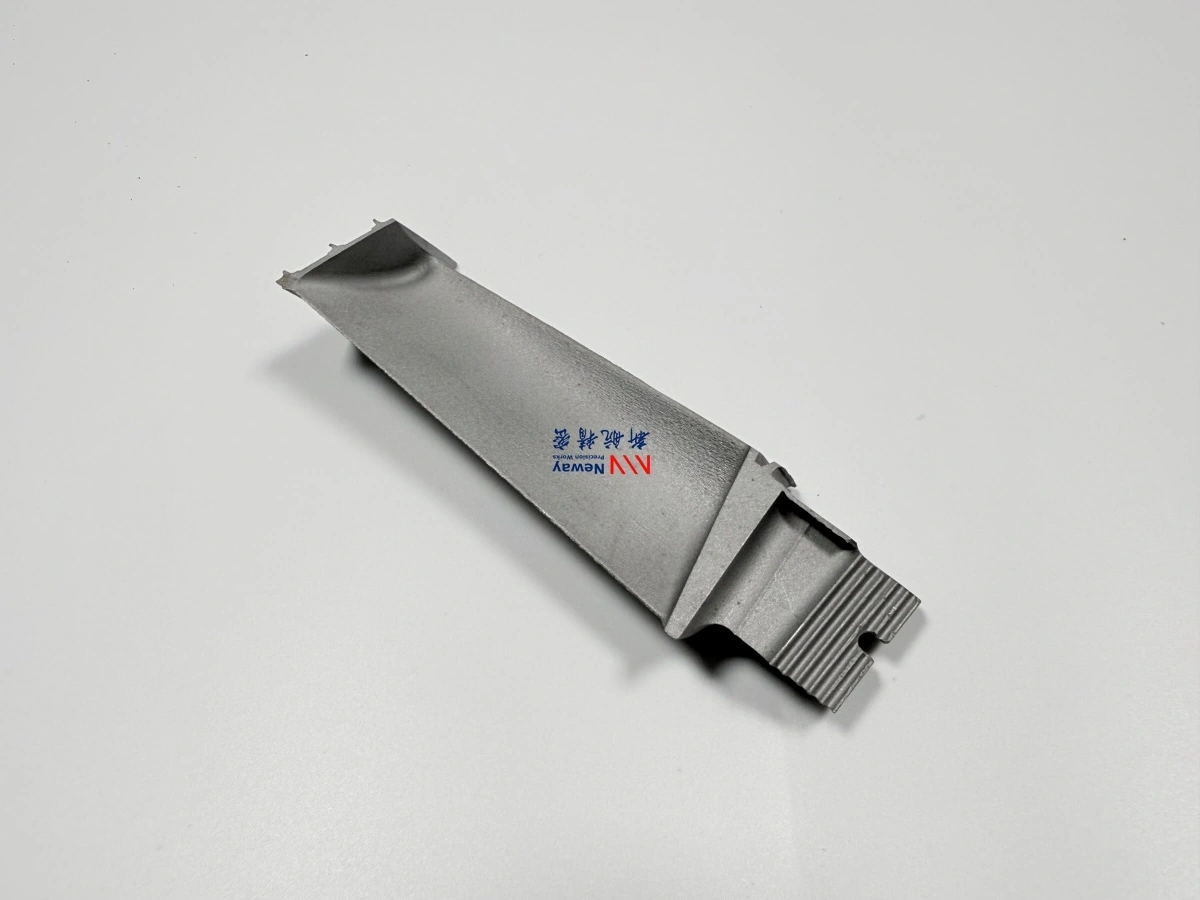
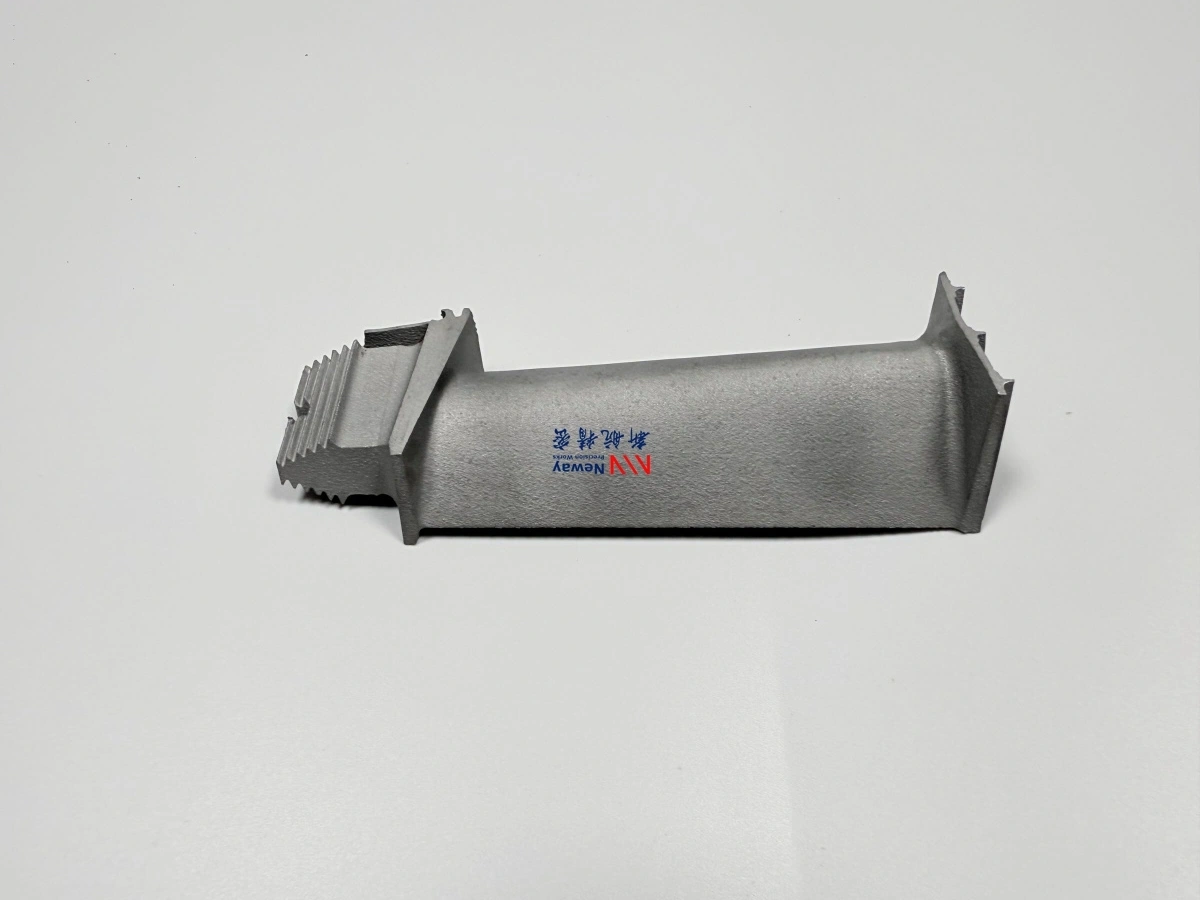
1. Direct Answer: What Turbine Repair Parts Can NewayAeroTech Manufacture?
NewayAeroTech can manufacture hot gas path parts, combustion parts, rotating parts, sealing and wear parts, and custom gas turbine repair parts for power generation turbines. These components can be produced for replacement, overhaul, life-extension, repair support, and obsolete spare part programs.
Repair Part Category | Typical Components | Main Manufacturing Focus |
|---|---|---|
Hot gas path parts | Turbine blades, vanes, nozzle guide vanes, gas turbine nozzles, shrouds, and seal segments. | High-temperature alloy selection, casting quality, airfoil geometry, CNC machining, coating preparation, and inspection. |
Combustion parts | Combustion liners, transition pieces, transition ducts, fuel nozzles, and flow sleeves. | Heat resistance, oxidation resistance, thin-wall forming, hole features, welding review, and thermal-cycle durability. |
Rotating parts | Turbine discs, impellers, compressor components, rotating rings, and related rotating hardware. | Material integrity, concentricity, balance-related features, strength, heat treatment, and dimensional accuracy. |
Sealing and wear parts | Shroud blocks, seal rings, wear-resistant segments, blade ring segments, and sealing interfaces. | Wear resistance, sealing surface accuracy, gap control, surface finish, and assembly fit. |
Custom repair parts | Reverse-engineered turbine replacement parts developed from samples, drawings, 3D scans, or CMM data. | Old part analysis, material verification, CAD reconstruction, prototype validation, and batch manufacturing. |
2. What Hot Gas Path Parts Can Be Manufactured?
NewayAeroTech can manufacture hot gas path parts such as turbine blades, turbine vanes, nozzle guide vanes, gas turbine nozzles, shrouds, seal segments, and metallic heat shield components. These parts operate in high-temperature gas flow and usually require nickel-based or cobalt-based superalloys, precision casting, machining, coating preparation, and strict defect inspection.
For hot gas path parts manufacturing, the key controls include airfoil profile, throat area, platform geometry, wall thickness, sealing features, cooling holes, coating allowance, and material soundness. Depending on the part type, the manufacturing route may include vacuum investment casting, equiaxed casting, single crystal casting, directional casting, CNC machining, EDM, heat treatment, HIP, and surface preparation.
Hot Gas Path Part | Function | Key Manufacturing Control |
|---|---|---|
Turbine blades | Extract energy from hot gas and transfer work to the rotor. | Airfoil profile, root geometry, alloy integrity, heat treatment, and inspection. |
Turbine vanes | Guide hot gas into downstream rotating blades. | Vane angle, throat area, platform fit, and defect control. |
Nozzle guide vanes | Control gas direction, velocity, and pressure distribution. | Airfoil accuracy, passage consistency, leading edge, trailing edge, and coating readiness. |
Gas turbine nozzles | Direct and accelerate hot gas flow in the turbine section. | High-temperature material, flow-path geometry, machining, and inspection. |
Shrouds and seal segments | Control leakage, protect casing structures, and support turbine efficiency. | Sealing surface accuracy, wear resistance, coating allowance, and fit control. |
3. What Combustion Section Repair Parts Can Be Manufactured?
NewayAeroTech can manufacture combustion section repair parts such as combustion liners, transition pieces, transition ducts, fuel nozzles, flow sleeves, and related hot gas flow components. These parts are exposed to flame, hot gas, oxidation, vibration, pressure pulsation, and repeated thermal cycling.
For combustion section repair parts, the manufacturing process may involve high-temperature alloy casting, sheet or formed structures where applicable, CNC machining, EDM holes or slots, deep hole drilling, welding evaluation, heat treatment, coating preparation, and dimensional inspection. Critical controls include hole pattern accuracy, wall thickness, distortion, thermal fatigue resistance, and surface condition.
Combustion Part | Typical Application | Key Control Point |
|---|---|---|
Combustion liners | Protect and shape the combustion chamber flow path. | Thin-wall geometry, cooling holes, oxidation resistance, and thermal fatigue control. |
Transition pieces | Guide hot gas from combustor to turbine inlet. | Shape accuracy, weld quality, coating preparation, and distortion control. |
Transition ducts | Manage hot gas transfer and flow distribution. | Large thin-wall structure, heat resistance, and fit with adjacent assemblies. |
Fuel nozzles | Control fuel delivery and combustion stability. | Hole accuracy, internal passages, surface finish, and cleaning requirements. |
Flow sleeves | Guide cooling or combustion air flow around the combustor section. | Roundness, hole pattern, wall thickness, and assembly fit. |
4. What Rotating Turbine Parts Can Be Manufactured?
NewayAeroTech can support selected rotating turbine parts and related components such as turbine discs, impellers, compressor components, rotating rings, and precision rotating hardware. These parts require careful evaluation because rotating components are sensitive to material integrity, dimensional accuracy, concentricity, balance-related geometry, heat treatment, and inspection requirements.
For rotating turbine parts manufacturing, customers should provide full drawings, material standards, operating speed, load conditions, inspection requirements, and acceptance criteria. Depending on the project, NewayAeroTech can evaluate forging, powder metallurgy, casting, CNC machining, heat treatment, NDT, and dimensional reporting routes.
Rotating Part | Typical Requirement | Manufacturing and Inspection Focus |
|---|---|---|
Turbine discs | High strength, thermal stability, and rotor integrity. | Material traceability, heat treatment, machining accuracy, NDT, and documentation. |
Impellers | Complex blade geometry and rotating balance-related features. | 5-axis machining, profile control, surface finish, and dimensional inspection. |
Compressor components | Accurate aerodynamic surfaces and stable assembly fit. | CNC machining, profile inspection, and surface condition control. |
Rotating rings | Roundness, concentricity, and fit with adjacent rotor hardware. | Turning, grinding, heat treatment, and CMM inspection. |
5. What Sealing and Wear Parts Can Be Manufactured?
NewayAeroTech can manufacture sealing and wear parts such as shroud blocks, seal rings, wear-resistant segments, blade ring segments, seal segments, and contact or clearance-control components used in gas turbine hot-section repair. These parts help reduce gas leakage, restore clearance, protect adjacent structures, and recover turbine efficiency during maintenance.
For sealing and wear parts, key manufacturing controls include sealing surface geometry, wear-resistant material selection, coating allowance, dimensional stability, surface finish, and repeatable fit. Depending on the part design, the process may include casting, CNC machining, EDM, grinding, coating preparation, heat treatment, and final inspection.
Sealing / Wear Part | Main Function | Important Control Point |
|---|---|---|
Shroud blocks | Control blade tip clearance and protect turbine casing areas. | Wear surface, coating condition, dimensional fit, and high-temperature stability. |
Seal rings | Reduce leakage between rotating and stationary sections. | Roundness, sealing face finish, gap control, and material compatibility. |
Wear-resistant segments | Protect high-contact or erosion-sensitive areas. | Wear material, coating, surface hardness, and edge condition. |
Blade ring segments | Support sealing, clearance control, and hot-section assembly function. | Segment geometry, mating surfaces, assembly clearance, and coating allowance. |
6. Can Custom Gas Turbine Repair Parts Be Made from Samples or Scan Data?
Yes. NewayAeroTech can develop custom turbine repair parts from old samples, worn components, 2D drawings, 3D CAD files, 3D scan data, CMM measurement data, and material analysis results. This is especially useful for obsolete gas turbine spare parts, discontinued turbine models, urgent outage repair, and replacement parts with incomplete original documentation.
For custom gas turbine repair parts, the first step is to separate original design intent from service wear, distortion, oxidation, cracks, coating loss, or damaged features. The workflow may include reverse engineering, material verification, CAD reconstruction, prototype manufacturing, first article inspection, and repeat batch production.
Input Data | How It Helps | Engineering Concern |
|---|---|---|
Old sample | Provides real geometry, material clues, and functional interfaces. | Must identify wear, deformation, cracking, and service damage. |
2D drawing | Defines tolerances, datums, material, surface finish, and inspection notes. | Drawing revision and specification completeness must be confirmed. |
3D scan data | Captures complex freeform surfaces and worn part geometry. | Scan data must be cleaned and interpreted against functional requirements. |
CMM measurement data | Provides accurate dimensional references and critical feature positions. | Measurement strategy must match assembly and inspection datums. |
Material analysis | Helps identify alloy type, microstructure, coating, and service degradation. | Material substitution requires customer approval and application review. |
7. What Manufacturing Processes Support Turbine Repair Parts?
NewayAeroTech supports turbine repair part manufacturing through a combination of casting, CNC machining, EDM, deep hole drilling, heat treatment, coating preparation, material testing, and final inspection. The process route depends on part size, material, function, service temperature, geometry, tolerance, coating requirement, and customer documentation needs.
Process | Typical Use | Value for Turbine Repair Parts |
|---|---|---|
Vacuum investment casting | Blades, vanes, nozzles, shrouds, heat shields, combustion parts, and complex hot-section castings. | Forms near-net superalloy geometries with complex curves and thin sections. |
CNC machining | Mounting faces, sealing surfaces, holes, slots, datums, and precision interfaces. | Controls final assembly fit and drawing tolerances. |
EDM | Narrow slots, small holes, complex local features, and hard-to-machine superalloy details. | Machines difficult features with low cutting force. |
Deep hole drilling | Cooling passages, long holes, fuel passages, and special internal features. | Supports flow, cooling, and functional passage requirements. |
Heat treatment | Superalloy stabilization, stress relief, and property control. | Supports hot-section durability and material performance. |
Coating preparation | TBC, oxidation-resistant coating, wear coating, and surface protection. | Improves thermal protection, oxidation resistance, and wear performance. |
Inspection and testing | CMM, 3D scanning, FPI, X-ray, CT, material testing, and documentation. | Confirms material, geometry, defects, and final quality before delivery. |
8. What Information Should Buyers Provide for a Turbine Repair Parts RFQ?
For a power generation turbine repair parts RFQ, buyers should provide the turbine model, part name, part number, drawings, 3D CAD files, old part photos, sample condition, material requirement, coating requirement, quantity, inspection standard, documentation requirement, and target delivery schedule. If the part is obsolete or reverse engineered, 3D scan data and CMM measurement data can also help speed up feasibility review.
RFQ Information | Recommended Input | Why It Matters |
|---|---|---|
Turbine model | Gas turbine model, power plant application, or engine platform. | Helps evaluate operating environment and component function. |
Part identification | Part name, part number, assembly location, or maintenance reference. | Clarifies whether the component is hot gas path, combustion, rotating, sealing, or custom repair hardware. |
Geometry data | 2D drawing, STEP file, X_T file, STL scan, CMM data, or old sample. | Supports manufacturing route selection, tooling, machining, and inspection planning. |
Material and coating | Original alloy, equivalent material, heat treatment, TBC, oxidation coating, or wear coating. | Determines casting, machining, heat treatment, testing, and surface preparation requirements. |
Quantity and project stage | Prototype, first article, overhaul batch, urgent outage demand, or repeat annual demand. | Affects tooling strategy, unit cost, lead time, and process validation level. |
Inspection and documents | FAI, CMM report, 3D scan report, FPI, X-ray, CT, material report, heat treatment record, coating report, or COC. | Defines quality-control scope, delivery documents, and acceptance criteria. |
9. Summary
NewayAeroTech can manufacture power generation turbine repair parts including hot gas path parts, combustion parts, rotating parts, sealing and wear parts, and custom repair parts developed from samples, drawings, 3D scans, or CMM data. Typical components include turbine blades, vanes, nozzle guide vanes, gas turbine nozzles, shrouds, seal segments, combustion liners, transition pieces, fuel nozzles, turbine discs, impellers, seal rings, and wear-resistant segments.
As a power generation turbine repair parts manufacturer, NewayAeroTech supports casting, CNC machining, EDM, deep hole drilling, heat treatment, coating preparation, material analysis, dimensional inspection, and delivery documentation. Buyers should provide turbine model, part number, drawings, old part data, material requirements, coating requirements, quantities, inspection standards, and delivery targets so the correct manufacturing and quality-control route can be evaluated.
