
Which Materials Are Used for Power Generation Turbine Repair Parts?
Which Materials Are Used for Power Generation Turbine Repair Parts?
Power generation turbine repair parts commonly use nickel-based superalloys, cobalt-based alloys, single crystal alloys, titanium alloys, and other high-temperature materials. The correct material depends on the part location, operating temperature, load, oxidation exposure, thermal fatigue risk, wear condition, coating requirement, cost target, and expected service life.
For power generation turbine repair parts, material selection should not be based on alloy name alone. A turbine blade, nozzle guide vane, combustion liner, shroud block, seal segment, turbine disc, and lightweight structural component may all require different material families because each part works under different thermal, mechanical, oxidation, fatigue, and wear conditions.
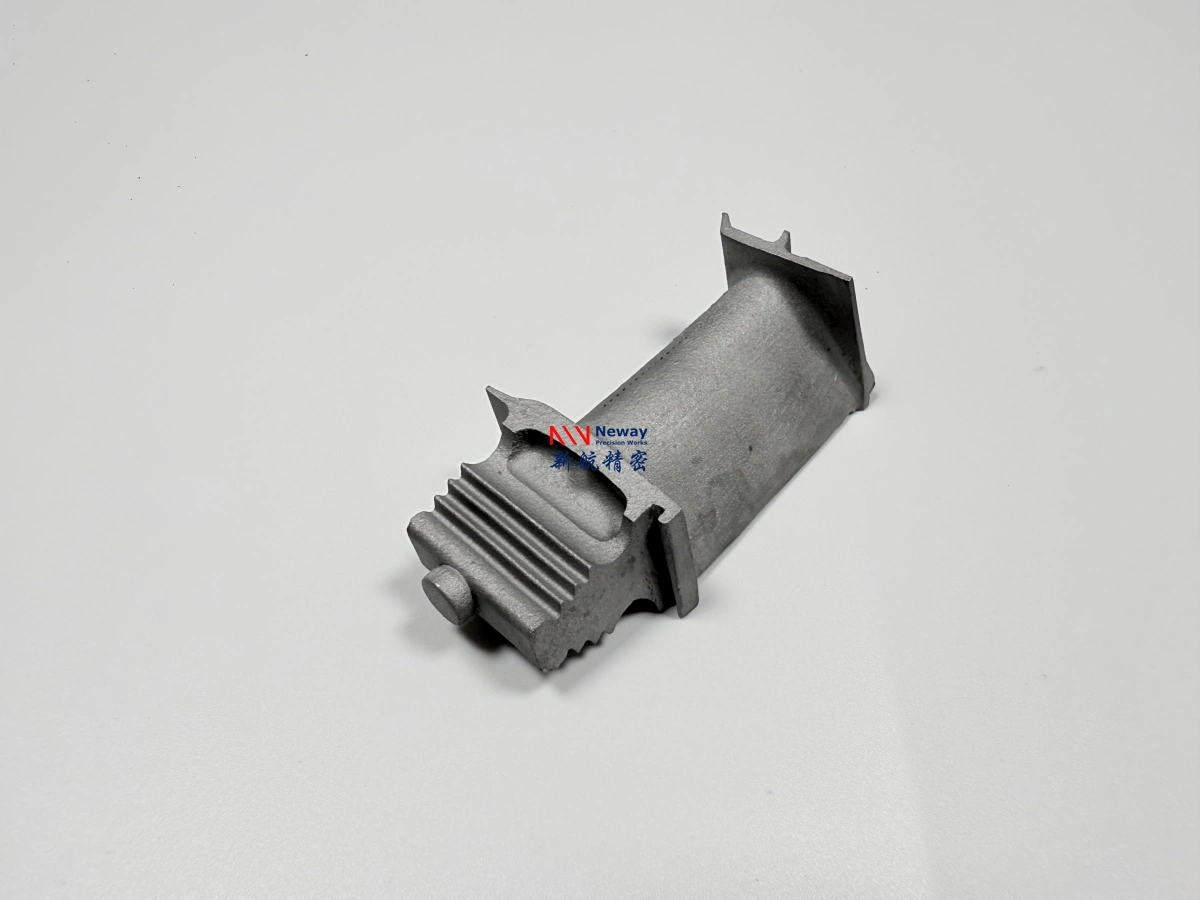

1. Direct Answer: Which Materials Are Used for Turbine Repair Parts?
Common materials for power generation turbine repair parts include Inconel alloys, Rene alloys, CMSX series and other single crystal alloys, Stellite and cobalt-based alloys, Hastelloy alloys, Nimonic alloys, titanium alloys, and other customer-specified superalloys. Hot gas path parts usually require high-temperature strength and oxidation resistance, combustion parts need thermal fatigue and oxidation resistance, rotating parts need strength and fatigue life, and sealing or wear parts need wear resistance and stable sealing surfaces.
Material Family | Typical Turbine Repair Parts | Main Selection Reason |
|---|---|---|
Inconel alloys | Blades, vanes, nozzles, liners, shrouds, heat shields, and hot gas path parts. | High-temperature strength, oxidation resistance, and broad turbine repair use. |
Rene alloys | High-temperature blades, guide vanes, nozzles, and loaded hot-section parts. | Strong high-temperature performance for demanding turbine components. |
CMSX / single crystal alloys | Single crystal turbine blades and critical hot-section components. | High creep resistance and advanced hot-section capability. |
Stellite / cobalt alloys | Shrouds, seal segments, nozzles, wear-resistant parts, and hot wear surfaces. | Wear resistance, hot corrosion resistance, and stable performance in severe environments. |
Hastelloy / Nimonic alloys | Combustion liners, transition parts, hot-section parts, and thermal-cycle components. | Oxidation resistance, thermal fatigue resistance, and hot gas durability. |
Titanium alloys | Lower-temperature rotating parts, structural parts, housings, and lightweight components. | High strength-to-weight ratio and corrosion resistance in suitable temperature zones. |
2. Why Are Inconel Alloys Used for Turbine Repair Parts?
Inconel alloys are widely used for turbine repair parts because they offer a strong balance of high-temperature strength, oxidation resistance, corrosion resistance, and manufacturability. They are commonly selected for gas turbine blades, vanes, nozzles, liners, shrouds, heat shields, and other hot-section replacement components.
Inconel alloy vacuum investment casting can support complex turbine geometries such as airfoils, platforms, shroud features, curved hot gas path surfaces, and thin-wall structures. For repair parts, Inconel alloy selection should be confirmed by drawing requirements, original material standard, operating temperature, coating system, and customer approval.
Inconel Application | Typical Part | Material Selection Focus |
|---|---|---|
Hot gas path components | Blades, vanes, nozzles, and heat shields. | High-temperature strength, oxidation resistance, and thermal fatigue behavior. |
Combustion hardware | Liners, transition ducts, flow sleeves, and hot gas structures. | Oxidation resistance, thin-wall stability, and thermal-cycle durability. |
Shrouds and sealing parts | Shroud segments, seal segments, and hot-section wear interfaces. | Dimensional stability, coating compatibility, and sealing surface life. |
3. When Are Rene Alloys Used for Turbine Repair Parts?
Rene alloys are used for high-temperature turbine components that require strong mechanical performance, creep resistance, oxidation resistance, and hot-section durability. They may be selected for turbine blades, vanes, nozzles, and other loaded hot-section parts where the operating environment is more demanding than general-purpose alloys can handle.
Rene Alloys vacuum investment casting can support complex high-temperature turbine parts when the drawing, original alloy specification, or customer requirement calls for a Rene material family. Material substitution should be reviewed carefully because different Rene grades can have different casting behavior, heat treatment response, coating compatibility, and inspection requirements.
4. When Are CMSX Series and Single Crystal Alloys Used?
CMSX series and other single crystal alloys are used for critical high-temperature turbine components where creep resistance, thermal stability, and advanced hot-section performance are required. They are commonly associated with turbine blades and selected high-performance hot-section parts rather than general repair hardware.
CMSX Series vacuum investment casting and Single Crystal Alloy vacuum investment casting are selected when the component requires controlled crystal structure. These processes require stricter control of orientation, grain defects, solidification, inspection, and documentation than conventional equiaxed casting.
Single Crystal Material Use | Why It Is Selected | Important Manufacturing Control |
|---|---|---|
Turbine blades | High creep resistance and thermal stability in severe hot-section service. | Crystal orientation, grain defect control, heat treatment, and NDT. |
Critical hot-section parts | High-performance operation where conventional cast structures may not be sufficient. | Solidification control, material traceability, and strict inspection. |
Replacement programs | Used when the original part design specifies single crystal alloy. | Original material standard and customer approval are required. |
5. Why Are Stellite and Cobalt Alloys Used for Sealing and Wear Parts?
Stellite and cobalt-based alloys are often used for turbine repair parts that require wear resistance, hot hardness, oxidation resistance, and stable performance in high-temperature contact or erosion environments. They are suitable for shrouds, seal segments, nozzles, wear-resistant segments, and sealing surfaces where material loss or surface degradation can affect turbine efficiency.
Stellite alloy vacuum investment casting can support cobalt alloy turbine components with complex geometry and wear-resistant requirements. For seal and shroud parts, material selection should also consider coating system, mating surface, operating clearance, thermal expansion, and repair interval.
Cobalt Alloy Application | Typical Component | Why It Is Used |
|---|---|---|
Wear-resistant hot-section parts | Wear segments, seal surfaces, and contact areas. | Maintains surface life under heat, friction, and erosion. |
Shrouds and seal segments | Turbine shrouds, seal rings, and blade ring segments. | Supports clearance control and turbine efficiency recovery. |
Nozzle and vane-related parts | Gas turbine nozzles, guide components, and hot gas path hardware. | Provides hot corrosion and oxidation resistance in selected applications. |
6. When Are Hastelloy and Nimonic Alloys Used?
Hastelloy and Nimonic alloys are used for turbine repair parts that require oxidation resistance, thermal fatigue resistance, hot gas durability, and stability under repeated heating and cooling. They are often considered for combustion liners, transition pieces, transition ducts, hot-section brackets, and other components exposed to combustion gas or thermal cycling.
Hastelloy alloy vacuum investment casting can support hot-section components where oxidation, corrosion, and thermal-cycle resistance are important. Nimonic alloy vacuum investment casting can also support nickel-based high-temperature turbine repair parts depending on the original specification and service requirement.
7. When Are Titanium Alloys Used for Turbine Repair Parts?
Titanium alloys are used for selected lower-temperature turbine-related parts, lightweight structural components, housings, compressor-side components, and certain rotating or support parts where high strength-to-weight ratio is important. They are generally not selected for direct high-temperature hot gas path areas where nickel or cobalt superalloys are required.
Titanium alloy vacuum investment casting may be suitable for lightweight turbine-related components when the operating temperature, load, corrosion environment, and fatigue requirements are within the alloy’s capability. For repair parts, titanium should be selected only after confirming part location and service temperature.
Titanium Alloy Use | Best-Fit Component Area | Selection Limitation |
|---|---|---|
Lightweight structural parts | Brackets, supports, housings, and non-hot-gas-path components. | Not suitable for severe turbine hot gas path exposure. |
Compressor-side components | Selected compressor or lower-temperature rotating components. | Must confirm fatigue, speed, temperature, and inspection requirements. |
Replacement repair parts | Parts originally designed in titanium or approved titanium equivalents. | Material substitution requires engineering and customer approval. |
8. How Are Materials Selected for Different Turbine Part Locations?
Materials are selected according to the part’s operating position, temperature, stress level, oxidation exposure, wear condition, thermal fatigue risk, coating requirement, cost target, and required life. A material that is suitable for a combustion liner may not be suitable for a turbine disc, and a material suitable for a seal segment may not be suitable for a single crystal blade.
Turbine Part Location | Main Service Requirement | Common Material Direction |
|---|---|---|
Hot gas path parts | High-temperature strength, oxidation resistance, creep resistance, and coating compatibility. | Inconel, Rene, CMSX, single crystal alloys, and selected cobalt alloys. |
Combustion parts | Thermal fatigue resistance, oxidation resistance, thin-wall stability, and hot gas durability. | Inconel, Hastelloy, Nimonic, and selected high-temperature alloys. |
Rotating parts | Strength, fatigue life, material integrity, heat treatment stability, and traceability. | Powder metallurgy superalloys, forged superalloys, selected titanium alloys, and customer-specified grades. |
Sealing and wear parts | Wear resistance, oxidation resistance, hot hardness, and sealing surface life. | Stellite, cobalt alloys, Inconel alloys, and coated superalloy systems. |
Custom reverse-engineered parts | Match original material performance or approved equivalent requirement. | Material selected by chemical analysis, original drawings, service condition, and customer approval. |
9. What Factors Affect Material Selection?
Material selection for power generation turbine repair parts is affected by operating temperature, mechanical load, creep requirement, oxidation exposure, corrosion condition, thermal fatigue, vibration, wear, coating system, manufacturability, inspection standard, cost, lead time, and expected service life. The original drawing or OEM specification should always be reviewed when available.
Selection Factor | Why It Matters | Example Impact |
|---|---|---|
Operating temperature | Determines whether stainless steel, titanium, nickel alloy, cobalt alloy, or single crystal alloy is suitable. | Hot gas path parts usually require nickel or cobalt superalloys. |
Mechanical load | Affects strength, fatigue, creep, and deformation requirements. | Rotating parts require stricter material integrity and heat treatment control. |
Oxidation and corrosion | Hot gas and combustion environments can degrade unsuitable materials. | Combustion liners may need oxidation-resistant nickel alloys. |
Wear and sealing | Contact and clearance-control surfaces need stable wear behavior. | Shrouds and seal segments may use cobalt or wear-resistant alloy systems. |
Coating compatibility | Base material must work with TBC, oxidation coating, or wear coating. | Heat shields and shrouds require coating allowance and surface preparation control. |
Manufacturability | Some alloys are difficult to cast, forge, machine, weld, or heat treat. | The chosen alloy must match the available casting and machining route. |
Cost and lead time | Advanced alloys may increase material cost, tooling risk, and inspection time. | Material choice should balance performance, availability, and repair urgency. |
10. How Can NewayAeroTech Support Material Selection?
NewayAeroTech can support material selection by reviewing drawings, old samples, turbine model information, service conditions, failure mode, coating requirements, and inspection standards. For obsolete or reverse-engineered turbine parts, material analysis can help identify the original alloy family and support the selection of an approved replacement material.
The supplier support process can include material verification, alloy recommendation, casting process selection, heat treatment review, CNC machining feasibility, coating preparation review, NDT planning, and delivery documentation. When material substitution is requested, approval should be based on operating temperature, load, oxidation, thermal fatigue, wear, coating, and customer acceptance requirements.
Supplier Support | What It Provides | Why It Helps Buyers |
|---|---|---|
Drawing and specification review | Confirms original material, heat treatment, coating, and inspection requirements. | Reduces risk of incorrect alloy selection. |
Old part analysis | Identifies alloy chemistry, coating, wear, oxidation, and service damage. | Supports reverse-engineered repair parts when drawings are incomplete. |
Application review | Reviews temperature, load, thermal cycling, corrosion, wear, and fatigue conditions. | Helps match material family to real service conditions. |
Process route recommendation | Defines casting, forging, powder metallurgy, CNC machining, heat treatment, coating, and inspection route. | Connects material choice with manufacturing feasibility. |
Documentation planning | Plans material report, heat treatment record, NDT report, dimensional report, and COC. | Supports customer quality approval and traceability. |
11. Summary
Power generation turbine repair parts use different materials depending on part location and service conditions. Inconel alloys are common for blades, vanes, nozzles, liners, shrouds, and hot-section components. Rene alloys, CMSX series, and single crystal alloys are used for higher-performance turbine parts. Stellite and cobalt alloys are often used for shrouds, seal segments, nozzles, and wear-resistant parts. Hastelloy and Nimonic alloys can support combustion and hot-section components, while titanium alloys are used for selected lower-temperature lightweight or structural parts.
As a superalloy turbine parts manufacturer, NewayAeroTech can help customers select materials based on drawings, old parts, operating temperature, load, oxidation, thermal fatigue, wear, coating requirements, inspection standards, and cost targets. The correct material should be selected together with the manufacturing route, including casting, forging, CNC machining, heat treatment, coating preparation, testing, and final documentation.
