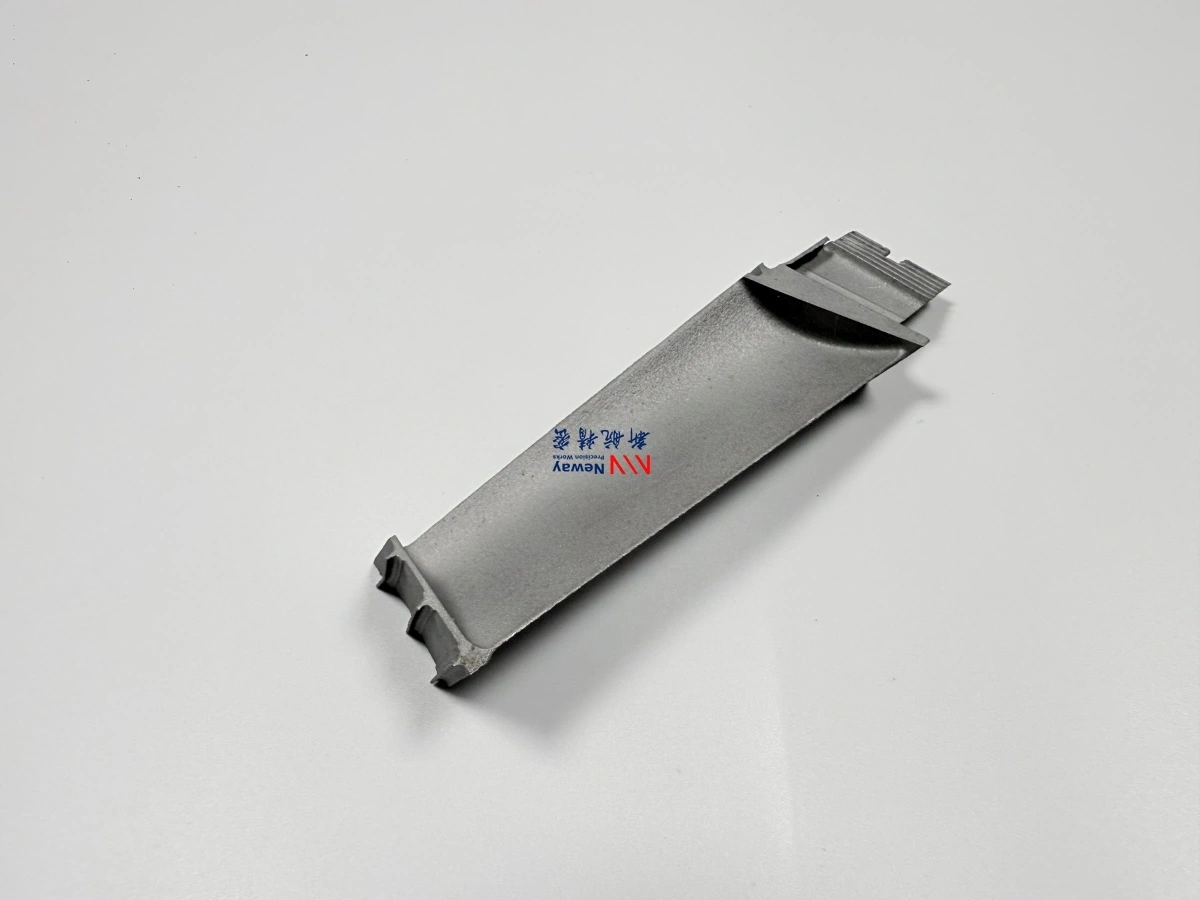
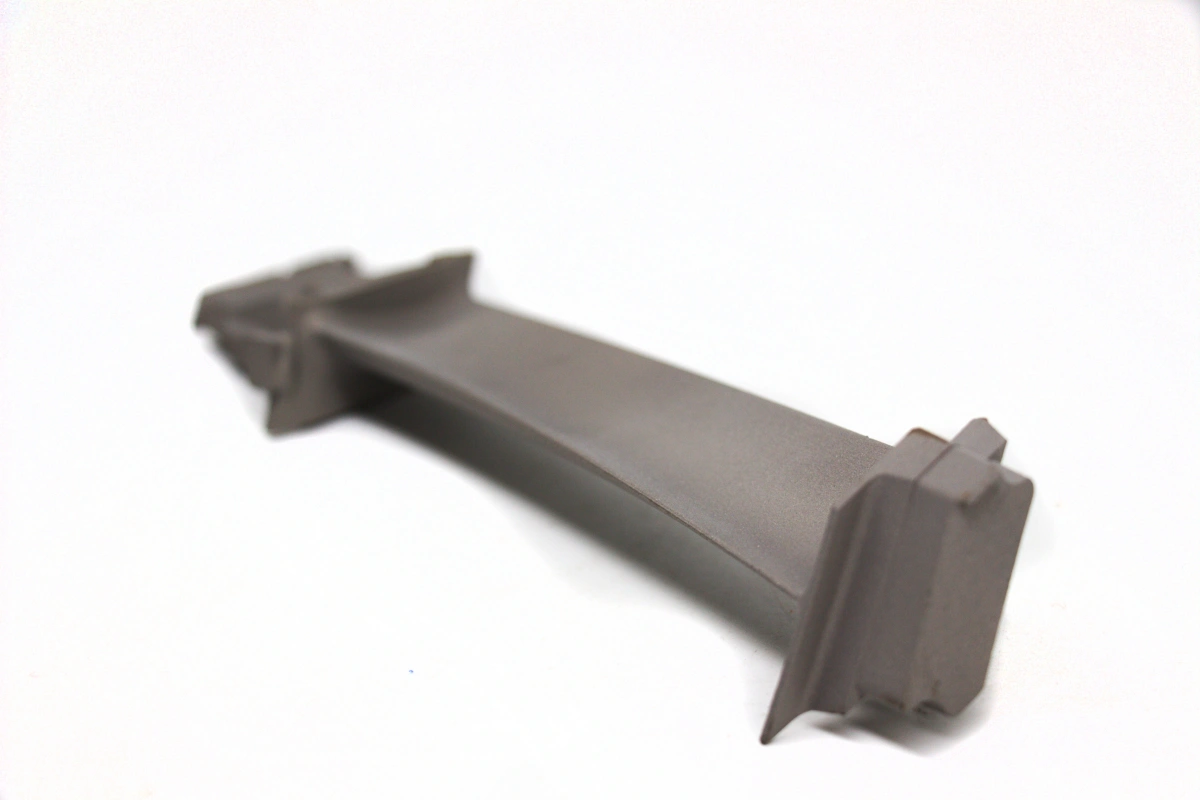
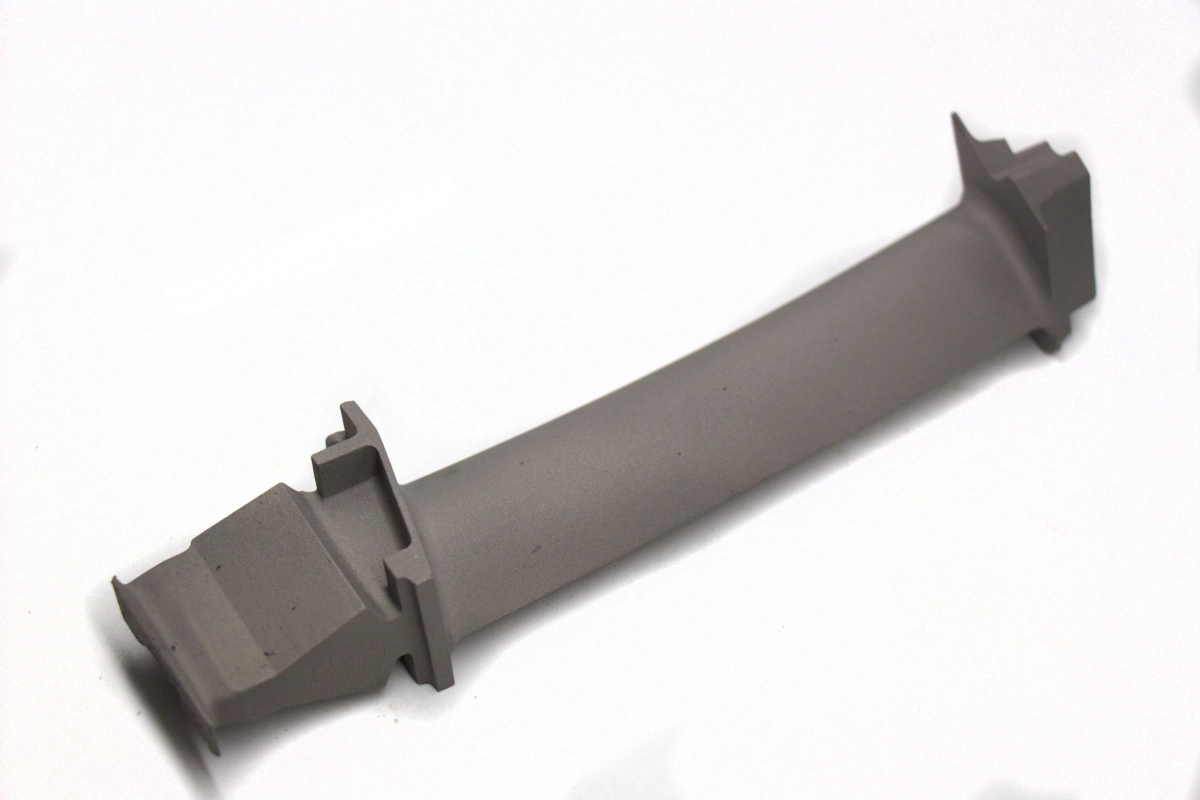
What should buyers provide when requesting a quote for 7F / 7FA combustion parts?
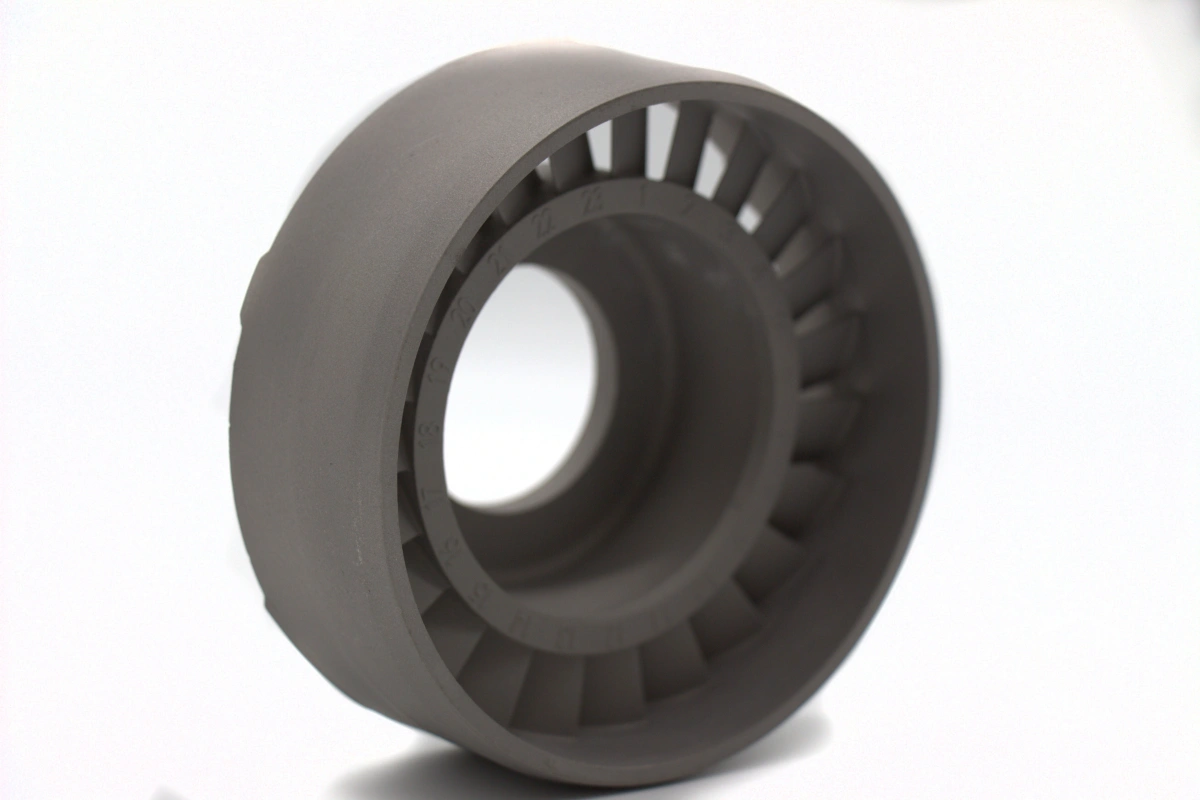
What should buyers provide when requesting a quote for 7F / 7FA combustion parts?
When requesting a quote for 7F / 7FA combustion parts, buyers should provide the exact part identification, technical drawings, material requirements, service condition details, quantity, inspection scope, and target delivery schedule. For critical hot-section parts such as transition pieces, combustion liners, and fuel nozzles, incomplete RFQ data can easily add several quotation cycles, delay technical review, and increase pricing uncertainty because the supplier must first clarify geometry, alloy route, repair scope, and quality requirements.
1. Core Information Buyers Should Send First
RFQ Item | What to Provide | Why It Matters |
|---|---|---|
Part identification | Part name, part number, turbine model, combustion location | Prevents quoting the wrong hardware version or configuration |
Technical files | 2D drawings in PDF and 3D models in STEP, IGS, or X_T | Allows geometry review, manufacturability check, and cost estimation |
Material requirement | Specified alloy, grade, or approved equivalent | Material route strongly affects process, lead time, and cost |
Supply type | New manufacture, reverse engineering, repair, or replacement duplicate | Changes the production route and inspection scope |
Quantity | Prototype, trial batch, outage quantity, annual demand | Pricing differs significantly between 1 piece and 12–24 piece sets |
Delivery target | Required ship date and outage date | Helps determine feasible lead time and production priority |
Inspection requirement | NDT, dimensional report, metallurgy, coating checks, certificates | Quality scope can change price by a meaningful margin |
2. Drawings and Models Are the Most Important Input
For 7F / 7FA combustion hardware, drawings are usually the difference between a rough budgetary quote and a production-grade quotation. Buyers should send:
File Type | Recommended Format | Use in Quotation |
|---|---|---|
2D drawing | PDF, DWG | Tolerances, datums, critical dimensions, notes, weld details |
3D model | STEP, IGS, X_T | Surface complexity, wall thickness, cooling features, manufacturability |
Inspection sample | Photos or used-part scans | Helpful for repair quotes and reverse engineering projects |
If the part is a repaired transition piece or liner, used-part photos showing crack zones, oxidation depth, wall loss, and previously repaired areas can save one or two rounds of clarification. If the part is a fuel nozzle, section views and internal flow-feature geometry are especially important because nozzle complexity directly affects machining time and inspection cost. Production routes may later involve precision machining or superalloy welding, so incomplete geometry almost always delays the quote.
3. Buyers Should Clearly State Material and Process Expectations
Because hot-section parts work in roughly 900–1,100°C metal temperature ranges, buyers should state whether they need original-grade alloy, approved equivalent alloy, or a repair-compatible material route. If this point is unclear, the supplier cannot accurately define whether the part should follow a high-temperature alloy casting, fabrication, restoration, or hybrid process path.
It is also helpful to specify whether the quote should include any of the following:
Optional Scope | Why Buyers Should Mention It Up Front |
|---|---|
Required for microstructure stability, stress relief, and final performance | |
May be required for densification and fatigue-critical hardware | |
Strongly affects substrate protection and total cost | |
Important if the buyer wants a finished install-ready part rather than semi-finished hardware |
4. Inspection and Documentation Requirements Should Never Be Omitted
For combustion parts, the inspection scope can change pricing and lead time almost as much as material choice. Buyers should identify whether they need only standard dimensional release, or a full package that includes NDT, metallography, chemical verification, coating inspection, and mechanical records. A missing inspection requirement can easily create a major commercial gap after the first quotation is issued.
Typical requested items may include dimensional reports, material certificates, repair maps, weld inspection reports, X-ray or CT checks, and final quality release documentation through testing and analysis. For outage-driven orders, this documentation often determines whether the part can be approved for installation without delay.
5. Quantity, Service History, and Delivery Window Also Affect Price
Buyers should clearly state whether they need 1 evaluation sample, a 6-piece can set, a 12-piece combustor set, or an annual blanket supply. In gas turbine maintenance, unit pricing often improves once suppliers know the expected batch size, because setup, tooling, inspection fixtures, and process planning can be spread over multiple parts.
For repaired hardware, service history is also useful. Total fired hours, starts, prior repairs, visible cracks, and coating condition all help define whether the job is feasible as a repair or should be quoted as new replacement. In many cases, this also influences whether the part should be routed through power generation hot-section supply logic or more specialized restoration handling.
6. Practical RFQ Checklist for Buyers
Before Sending the RFQ, Confirm You Included: |
|---|
7F or 7FA turbine model and exact part name |
Part number or OEM reference if available |
2D drawing and 3D model |
Material grade or approved equivalent request |
New part or repair scope definition |
Required quantity and annual forecast if known |
Inspection, certificate, and report requirements |
Coating, heat treatment, or special process scope |
Target delivery date and outage deadline |
Shipping destination and commercial terms if urgent |
7. Summary
In summary, buyers requesting a quote for 7F / 7FA combustion parts should provide complete identification, drawings, alloy requirements, quantity, inspection scope, process requirements, and schedule targets. The best RFQs clearly define whether the job is for a new transition piece, liner, fuel nozzle, or repair program, and whether the supply should include value-added stages such as gas turbine component manufacturing support or high-temperature alloy assembly delivery. The more complete the RFQ package, the faster and more accurate the quote will be.