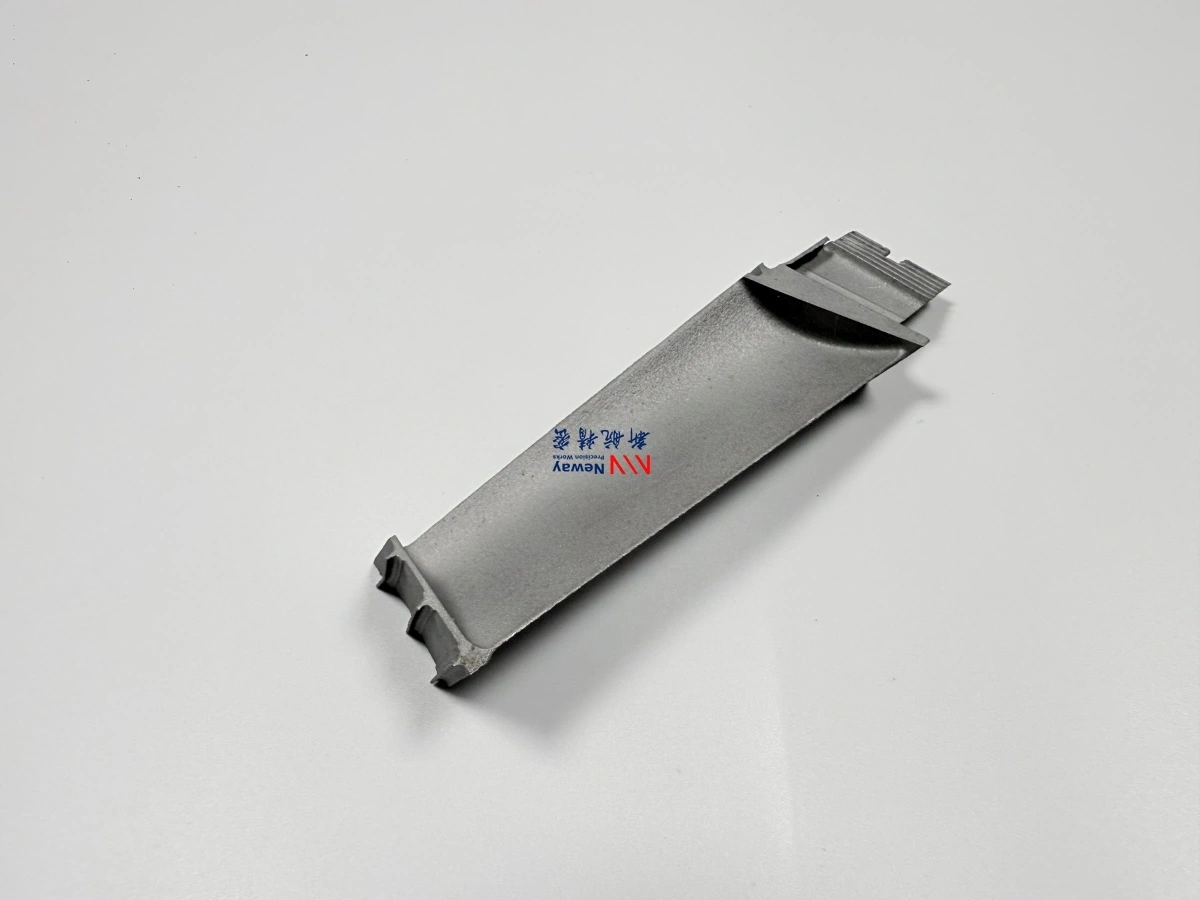
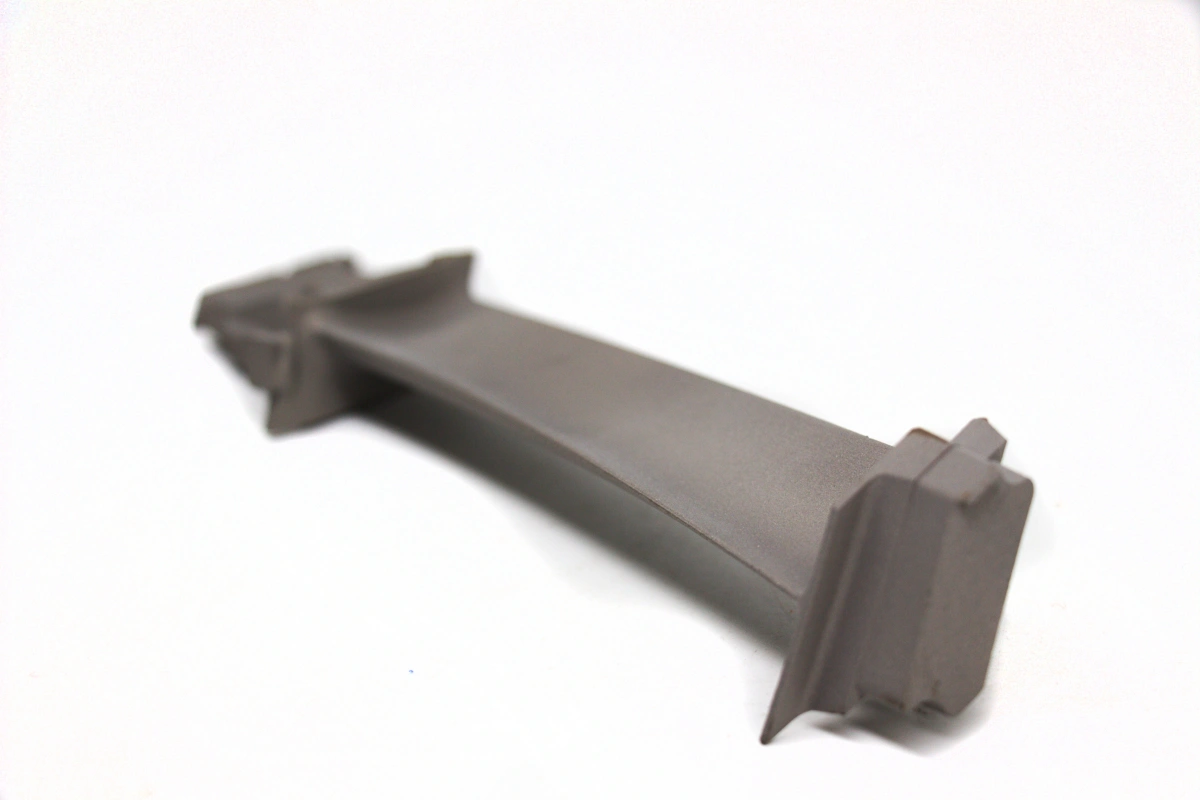
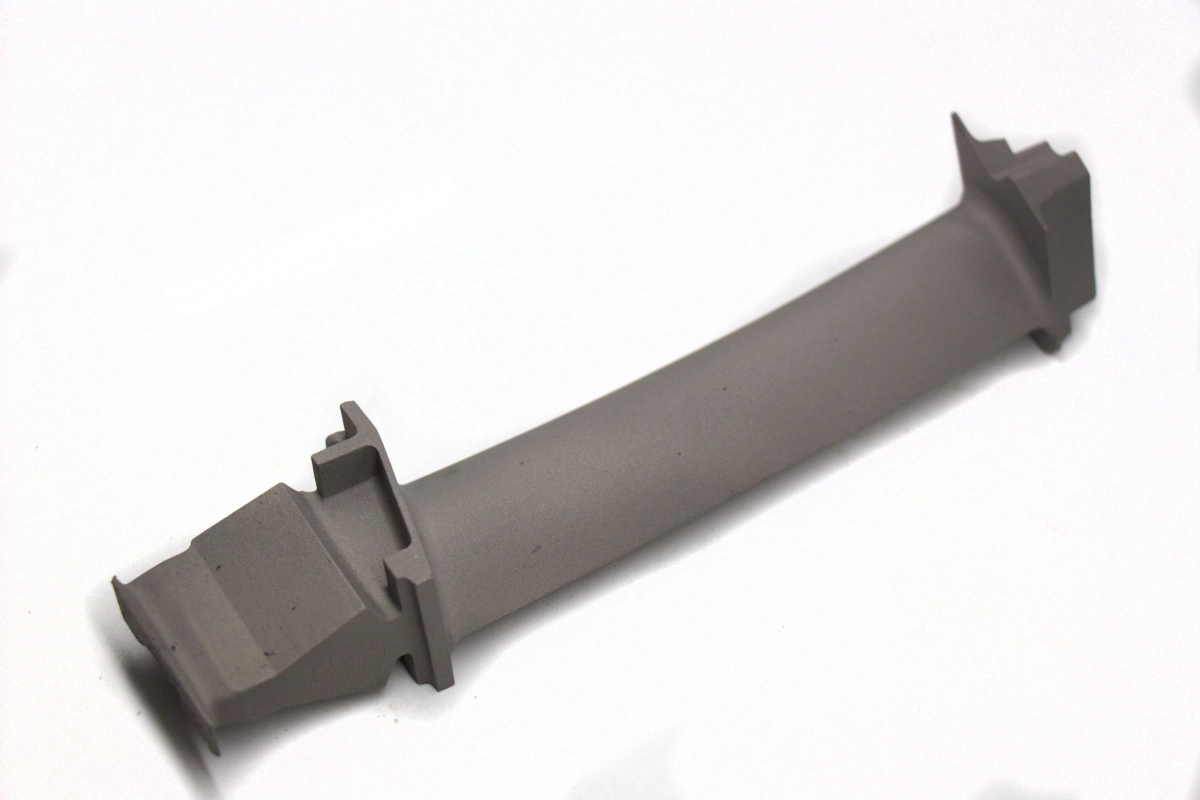
How do heat treatment and coating affect 7F / 7FA combustion part life?
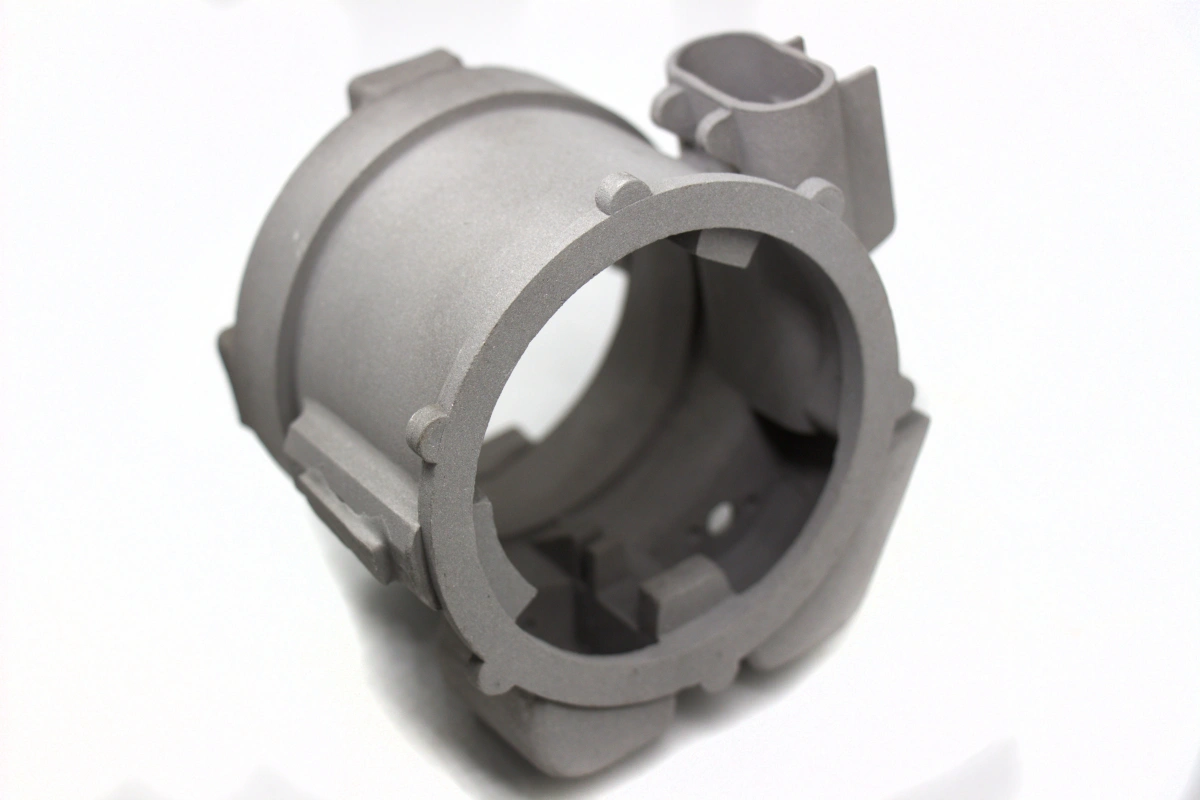
How do heat treatment and coating affect 7F / 7FA combustion part life?
Heat treatment and coating directly affect 7F / 7FA combustion part life by controlling microstructure stability, residual stress, oxidation rate, thermal fatigue resistance, and base-metal temperature. In practical gas turbine service, these two steps often determine whether liners, transition pieces, and fuel nozzles reach expected inspection intervals or fail early from cracking, distortion, wall thinning, or coating-assisted overheating.
1. Why These Two Processes Matter So Much
7F / 7FA combustion hardware commonly operates with metal temperatures in roughly the 850–1,050°C range, while local gas-path temperatures can be significantly higher. Under these conditions, the base alloy alone is not enough. Without proper thermal processing, the material may retain harmful residual stress or unstable precipitate distribution. Without surface protection, oxidation and hot corrosion can rapidly consume wall thickness and accelerate crack initiation.
For high-temperature replacement hardware, the life difference between untreated and properly processed parts can be substantial because failure usually begins at the surface or in thermally stressed weld and edge regions. That is why post-cast or post-fabrication processing is often just as important as the original alloy route, whether the part came from vacuum investment casting, fabrication, or repair build-up.
2. How Heat Treatment Extends Combustion Part Life
Heat Treatment Effect | Main Benefit | Life Impact on 7F / 7FA Parts |
|---|---|---|
Stress relief | Reduces residual welding and forming stress | Lowers crack initiation risk in liners, weld seams, and transition-piece corners |
Microstructure stabilization | Improves phase balance and hot-strength consistency | Helps parts hold shape and strength during repeated thermal cycling |
Homogenization | Reduces local segregation after casting or repair | Improves durability in heavily heated zones and lowers weak-spot formation |
Post-weld recovery | Restores damaged heat-affected regions | Improves service reliability after weld repair or section replacement |
For combustion parts, heat treatment is especially important after repair welding, fabrication, and dimensional correction. Residual stress that is left in the part can combine with thermal gradients during startup and shutdown, causing crack growth much earlier than expected. Proper thermal cycles help reduce this effect and improve dimensional stability at flanges, seams, and flame-facing panels.
In some cases, densification with HIP is also used before or together with later thermal treatment to reduce internal discontinuities and improve fatigue life, especially in critical hot-section superalloy hardware.
3. How Coating Extends Combustion Part Life
Coating Function | Main Protection Mechanism | Typical Effect on Service Life |
|---|---|---|
Thermal insulation | Reduces base-metal temperature | Can lower substrate temperature by tens to more than 100°C, depending on system design |
Oxidation resistance | Slows scale growth and metal loss | Reduces wall thinning in liners and transition pieces |
Hot corrosion protection | Shields alloy from aggressive combustion by-products | Improves durability in contaminated or cycling environments |
Thermal gradient moderation | Reduces local metal temperature spikes | Helps delay crack initiation near hot spots and edges |
For 7F / 7FA combustion parts, coating performance is often most visible on flame-facing structures such as transition pieces and liners. When the coating system remains stable, it slows oxidation and reduces the rate at which the substrate loses thickness. When it spalls, local metal temperature can rise quickly, and crack growth usually accelerates.
This is why coating condition is frequently one of the main repair-or-replace criteria during outage inspection. Even a strong nickel alloy can lose life rapidly once the protective layer fails in the highest heat-flux region.
4. Which Parts Benefit the Most?
Part | Heat Treatment Importance | Coating Importance | Main Life Driver |
|---|---|---|---|
Transition pieces | Very high | Very high | Thermal fatigue plus oxidation resistance |
Combustion liners | High | Very high | Flame-side protection and crack control |
Fuel nozzles | High | Medium to high | Tip durability, oxidation control, dimensional stability |
Crossfire tubes | Medium | Medium | Cyclic crack resistance and wall preservation |
Among these parts, transition pieces usually gain the most from a strong combination of thermal processing and ceramic surface protection because they sit between the combustor and first-stage turbine inlet, where both heat flux and cyclic stress are severe. Liners also depend heavily on coating because direct flame exposure makes oxidation and hot-spot damage especially aggressive.
5. What Happens When Heat Treatment or Coating Is Poor?
If heat treatment is insufficient, common problems include retained residual stress, distortion after service exposure, unstable microstructure, and faster crack formation near welds or formed edges. If coating quality is poor, typical outcomes include early spallation, accelerated oxidation, local overheating, and shortened inspection intervals.
In service terms, these failures often appear as:
Process Issue | Typical Field Result |
|---|---|
Insufficient stress relief | Earlier crack initiation after startup-shutdown cycling |
Unstable post-weld structure | Heat-affected-zone failure and repair-zone cracking |
Weak bond coat or poor surface prep | Coating lift-off and rapid local oxidation |
Nonuniform coating thickness | Uneven temperature distribution and localized hot spots |
6. How Life Is Usually Validated After Processing
Because these post-process steps are so critical, high-temperature combustion hardware is typically checked through material testing and analysis after processing. Verification may include coating adhesion review, thickness checks, crack detection, metallographic confirmation, dimensional inspection, and local hardness or microstructure validation.
When repair zones or high-precision fits are involved, final geometry is often controlled by finish machining, especially at flanges, sealing features, and interfaces that affect combustor alignment and leakage. For utilities operating in power generation, this verification work directly supports lower outage risk and more predictable replacement cycles.
7. Summary
If you want to improve... | Most important process | Expected benefit |
|---|---|---|
Crack resistance | Heat treatment | Lower residual stress and better thermal fatigue life |
Oxidation life | Coating system | Lower metal loss and slower wall thinning |
Repair durability | Post-weld thermal processing | More stable weld zones and reduced crack risk |
Hot-section interval reliability | Combined heat treatment and TBC | Better resistance to cyclic heat and flame-side attack |
In summary, heat treatment improves 7F / 7FA combustion part life by stabilizing microstructure and reducing damaging stress, while coating extends life by lowering substrate temperature and slowing oxidation. The longest service intervals usually come from combining both processes with proper alloy selection, inspection, and controlled post-processing. For related capabilities, see post-process, gas turbine parts, and superalloy castings.