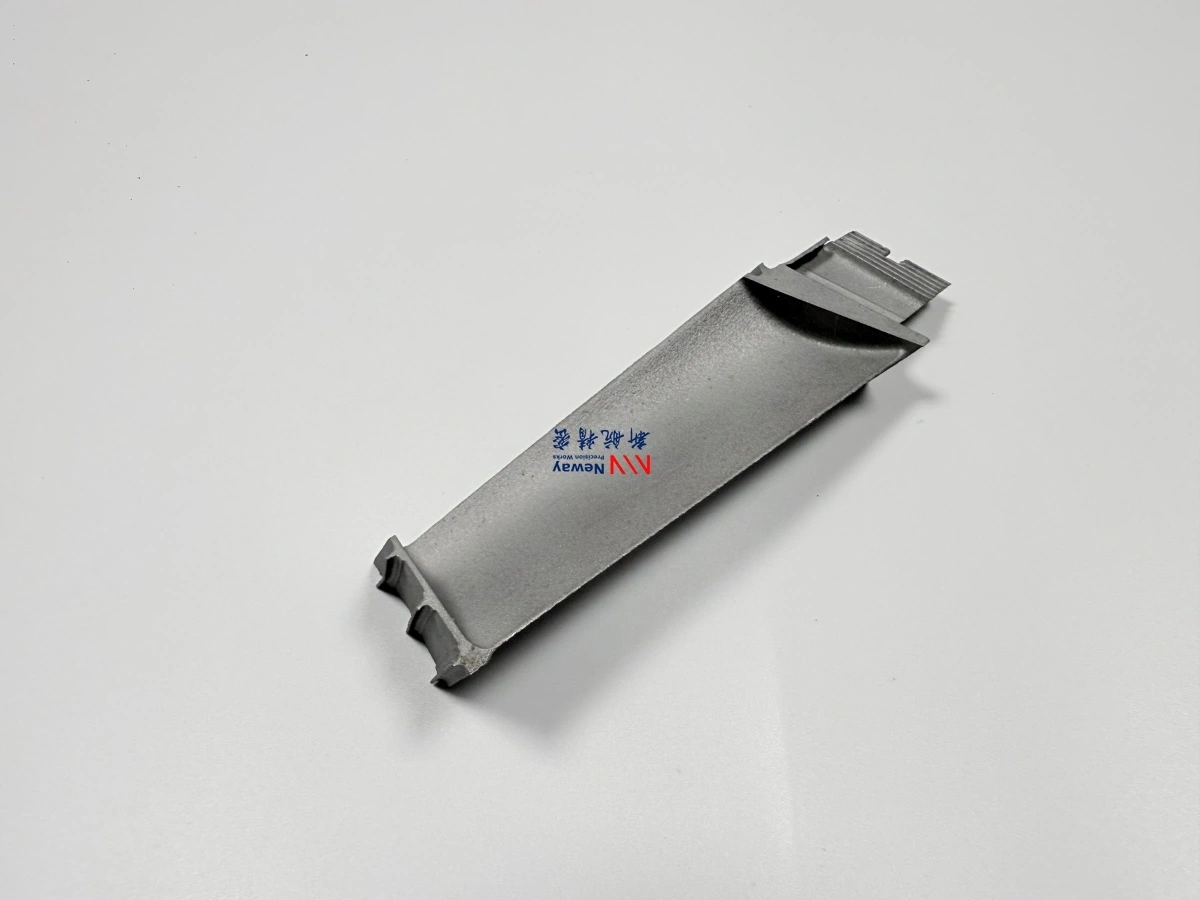
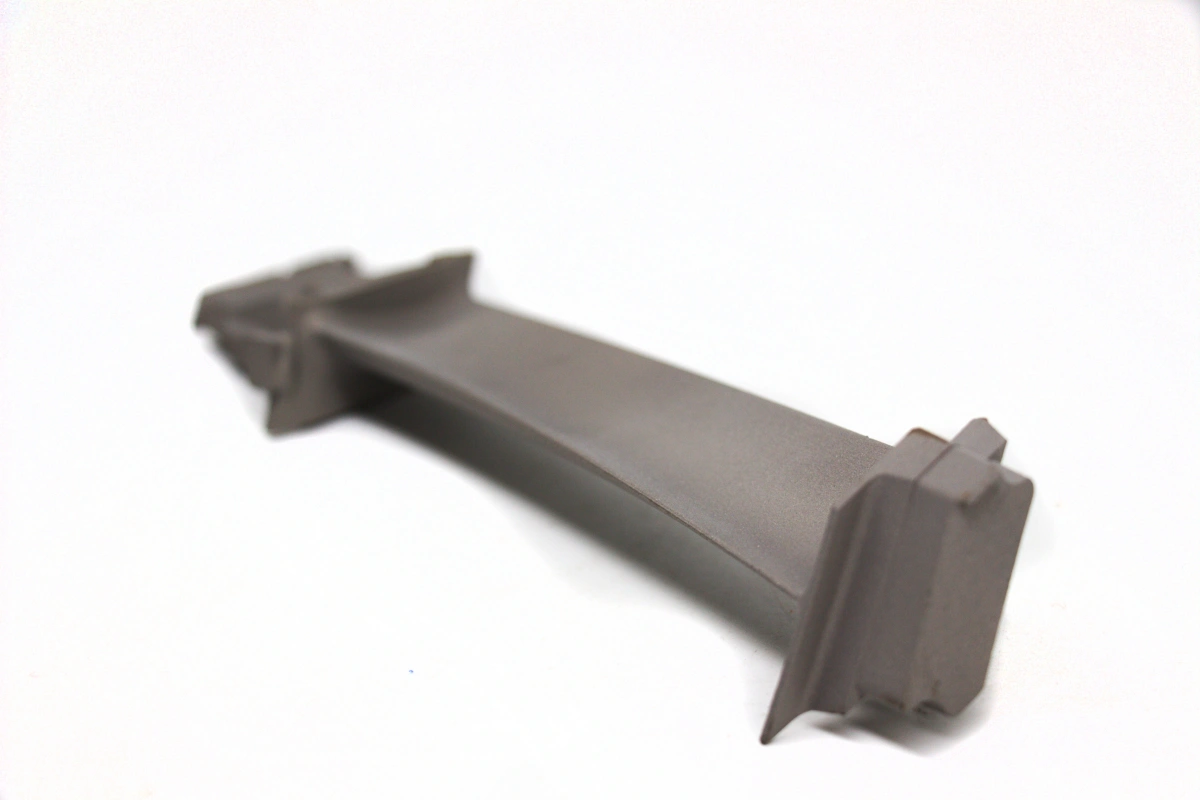
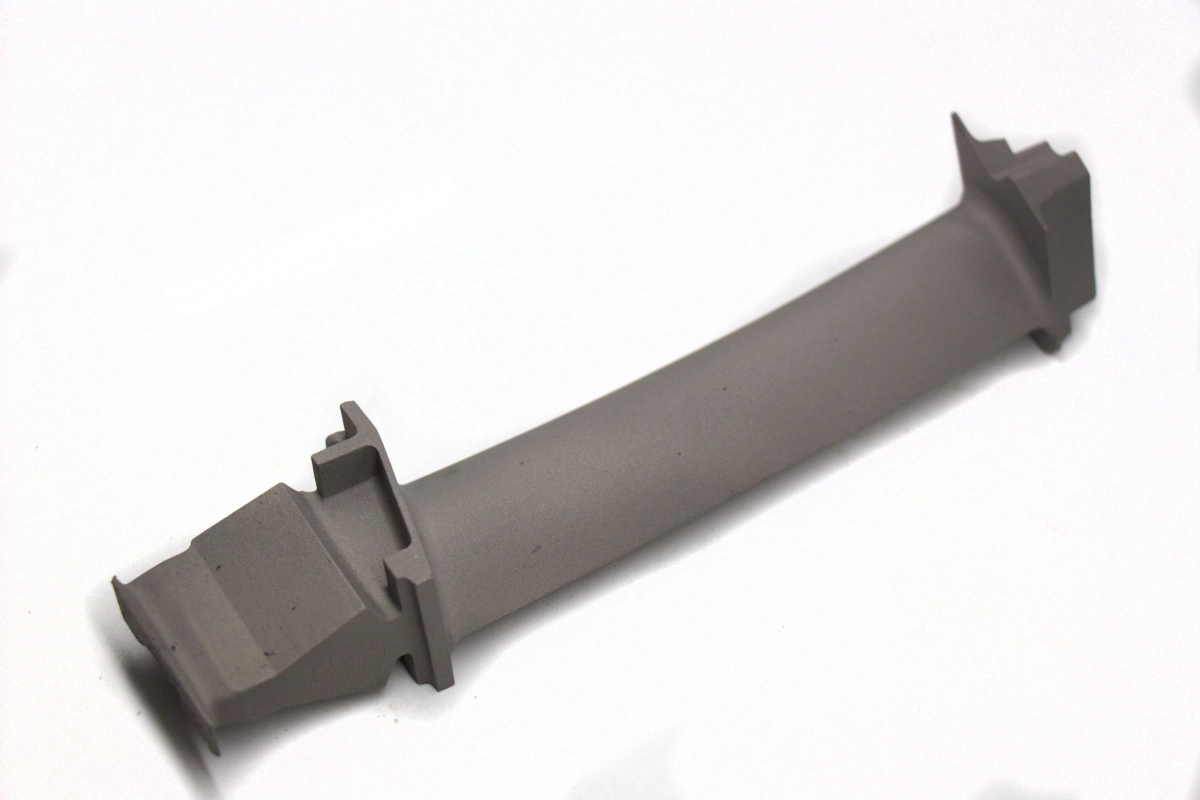
How are 7F / 7FA transition pieces manufactured for high-temperature service?
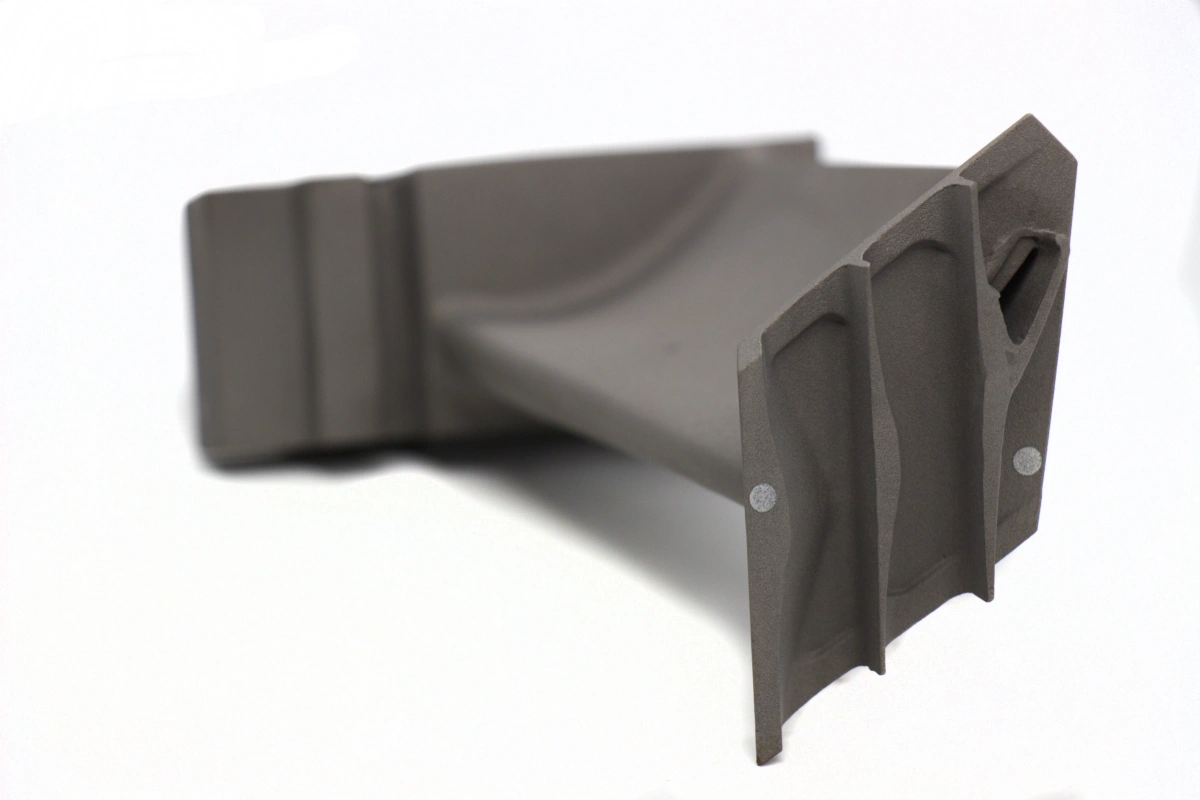
How are 7F / 7FA transition pieces manufactured for high-temperature service?
7F / 7FA transition pieces are typically manufactured through a controlled route that combines nickel-based high-temperature alloy forming or casting, weld assembly, dimensional finishing, heat treatment, coating preparation, and rigorous inspection. Because these components operate in the combustor discharge path and are exposed to temperatures that can exceed 1,000–1,200°C class service conditions, the manufacturing process must deliver strong oxidation resistance, thermal fatigue resistance, dimensional stability, and reliable weld integrity over long operating intervals.
1. Typical Manufacturing Route for 7F / 7FA Transition Pieces
Stage | Main Objective | Typical Process Focus | Why It Matters |
|---|---|---|---|
Material selection | Choose a heat-resistant alloy system | Nickel-based superalloys with oxidation and creep resistance | Base alloy controls life under high heat and cyclic stress |
Blank or segment production | Create the near-net hot-section structure | vacuum investment casting or formed/welded segment fabrication | Near-net geometry reduces distortion and downstream machining load |
Subassembly joining | Build the full transition piece geometry | Controlled seam joining, local reinforcement, feature integration | Weld quality is critical in thermal cycling service |
Stress control | Stabilize structure after joining and forming | Solution or stress-relief cycles, distortion correction | Reduces residual stress and improves dimensional repeatability |
Precision finishing | Meet final fit-up and interface tolerances | Flange machining, hole finishing, datum control, edge preparation | Accurate fit is essential for sealing and thermal alignment |
Surface protection | Improve oxidation and thermal durability | Bond coat preparation and ceramic barrier systems | Protects substrate from severe hot-gas exposure |
Inspection and release | Verify structure, dimensions, and material integrity | NDT, metallography, dimensional checks, chemistry verification | Ensures the part is suitable for high-temperature outage service |
2. Why High-Temperature Manufacturing Control Is So Important
Unlike lower-temperature ducting components, 7F / 7FA transition pieces see strong thermal gradients between the combustor exit and turbine inlet region. During operation, metal temperatures may fluctuate significantly through startup, shutdown, load following, and trip events. In practical terms, that means even small manufacturing variation in wall thickness, weld penetration, local microstructure, or coating adhesion can shorten service life.
For this reason, manufacturers typically target strict control over sheet or cast section thickness, weld heat input, flange flatness, cooling-feature geometry, and oxidation-resistant surface condition. In many repair and replacement programs, allowable dimensional variation is controlled tightly enough that final machining and inspection become just as important as the base alloy itself.
3. Key Processes Used to Manufacture Transition Pieces
Near-net alloy production is often built around high-temperature alloy casting for complex sections or around fabricated segments when geometry and repair strategy require formed assemblies. The selected route depends on part architecture, lot size, thermal loading, and whether the hardware is new manufacture or reverse-engineered replacement.
Joining and restoration are commonly supported by superalloy welding, especially where seams, attachment areas, reinforcement zones, and localized repairs must maintain strength under repeated thermal cycling. Weld procedure control is important because excessive heat input can raise distortion and increase cracking risk in service.
Dimensional finishing is usually completed through precision CNC machining at flange faces, bolt patterns, sealing interfaces, and other critical datums. Even when most of the transition piece is formed or cast, these local features often determine assembly quality and leakage control.
Thermal stabilization depends on heat treatment to relieve residual stress, optimize microstructure, and improve hot-strength stability. For some high-integrity replacement hardware, densification or defect healing may also involve HIP before final finishing.
Thermal protection is frequently enhanced through thermal barrier coating, especially in regions exposed to the most intense hot-gas flow. A properly applied coating system can reduce substrate temperature and slow oxidation, which is especially valuable in heavily cycled units.
4. Typical Performance Requirements for 7F / 7FA Transition Pieces
Requirement | Typical Target | Manufacturing Implication |
|---|---|---|
Oxidation resistance | Stable performance above 1,000°C class service | Requires heat-resistant alloy chemistry and protected surface condition |
Thermal fatigue resistance | Survive repeated start-stop cycles without rapid crack growth | Needs controlled welding, stress relief, and sound microstructure |
Dimensional stability | Maintain flange fit and flow-path geometry | Depends on machining accuracy and distortion management |
Coating compatibility | Support bond coat and ceramic barrier adhesion | Surface prep and thermal cycle control are essential |
Inspection traceability | Verify defects, chemistry, and geometry before release | Requires structured documentation and final quality review |
5. How Quality Is Verified Before Service
Because transition pieces are high-risk combustion hot-section components, release inspection typically goes beyond simple visual checks. Manufacturers often combine chemistry confirmation, dimensional mapping, weld examination, crack detection, and structural evaluation through material testing and analysis. Depending on the program, inspection may include X-ray, microscopy, SEM review, thickness verification, flange geometry checks, and repair-zone validation.
In replacement programs for utility gas turbines, acceptance criteria often focus on crack-free welds, controlled wall loss, verified fit-up surfaces, coating condition, and traceable process history. This is especially important in power generation applications, where combustion hardware reliability affects outage length, emissions stability, and downstream turbine durability.
6. Summary
If the goal is... | Critical manufacturing step |
|---|---|
High-temperature strength | Alloy selection plus controlled thermal processing |
Crack-resistant assembly | Qualified joining procedures and stress control |
Accurate installation fit | Precision machining and dimensional verification |
Longer hot-gas-path life | Barrier coating system and oxidation protection |
Reliable outage release | Comprehensive inspection and documentation |
In summary, 7F / 7FA transition pieces for high-temperature service are manufactured through a tightly controlled route that combines heat-resistant alloy production, weld assembly, precision finishing, thermal stabilization, protective coating, and final inspection. The objective is to deliver hardware that can withstand 1,000°C+ class combustion conditions, repeated thermal cycling, and demanding outage reliability requirements. For related capability references, see gas turbine components, high-temperature alloy assemblies, and post-process support.