
Ti-13V-11Cr-3Al (TC11) Титановый сплав для 3D-печати методом лазерного наплавления (LMD) с использов...
Введение в аддитивное производство титанового сплава TC11 методом LMD
Ti-13V-11Cr-3Al (TC11) — это псевдо-β титановый сплав, известный своим высоким отношением прочности к весу, отличной прокаливаемостью и превосходной термической стабильностью. Технология LENS (Laser Engineered Net Shaping), представляющая собой процесс лазерного наплавления (LMD), позволяет эффективно производить и восстанавливать крупногабаритные компоненты из сплава TC11 с формой, близкой к конечной.
В компании Neway Aerotech наши услуги по 3D-печати титана поддерживают передовое производство методом LMD для аэрокосмических, энергетических и инструментальных применений сплава TC11, требующих структурной долговечности и устойчивости к высоким температурам.
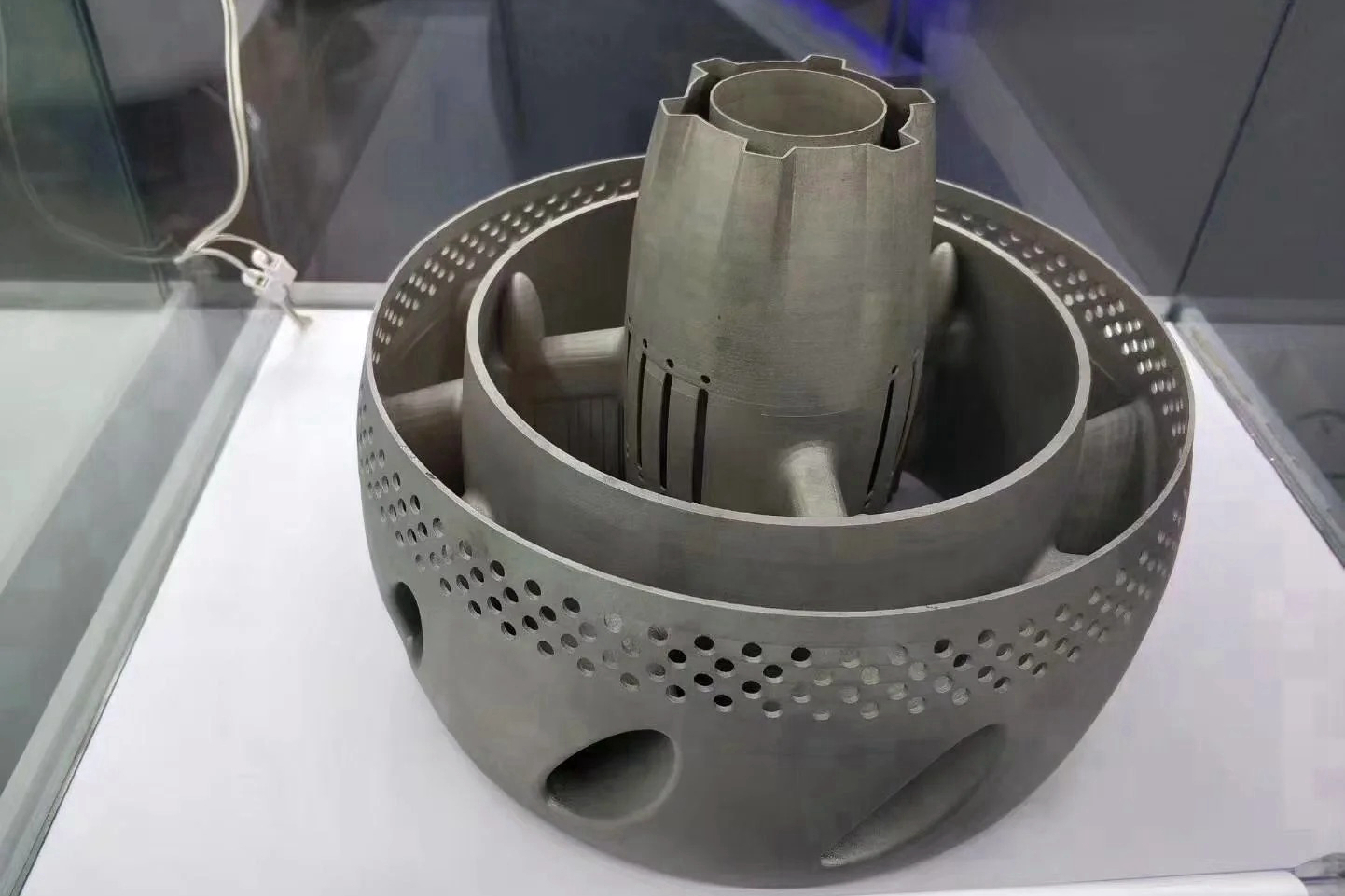
Лазерное наплавление для титанового сплава TC11
Возможности процесса LMD
Параметр | Значение | Описание |
|---|---|---|
Толщина слоя | 300–800 мкм | Подходит для высокой скорости наплавления и крупных геометрий |
Скорость наплавления | 10–30 см³/ч | Эффективно для создания конструкций и ремонта деталей |
Диапазон мощности лазера | 500–2000 Вт | Регулируется в зависимости от толщины стенки и размера элемента |
Атмосфера | Инертный аргон или азот | Предотвращает окисление во время формирования ванны расплава |
Размер частиц порошка | 45–105 мкм | Идеальная текучесть для коаксиальных систем подачи порошка |
Эксплуатационные характеристики и свойства материала TC11
Свойство | Значение | Преимущество для применения |
|---|---|---|
Предел прочности при растяжении | 1150–1250 МПа | Несущие аэрокосмические конструкции и кронштейны двигателей |
Предел текучести | ~1050 МПа | Высокая структурная жесткость под статическими нагрузками |
Относительное удлинение | 10–15% | Сохраняет пластичность для критически важных аэрокосмических фитингов |
Рабочая температура | До 500°C | Используется в планерах и деталях, связанных с турбинами |
Прокаливаемость | Отличная благодаря β-фазной структуре | Надежность при создании крупногабаритных сечений |
Почему TC11 идеально подходит для применений LMD
Сплав TC11 обладает выдающейся свариваемостью и реакцией на термическую обработку, что делает его совместимым с системами LENS/LMD как для производства деталей, так и для ремонта компонентов.
По сравнению с α+β сплавами, такими как Ti-6Al-4V, TC11 обеспечивает превосходную прочность и сопротивление ползучести при повышенных температурах.
Стабильность сплава при процессе LMD позволяет избежать распространенного термического растрескивания, наблюдаемого в менее пластичных материалах.
Практический пример: Ремонт методом LMD пилона авиационного двигателя из сплава TC11
Предпосылки проекта
Заказчику из сферы аэрокосмического обслуживания требовался структурный ремонт кованого кронштейна пилона двигателя из сплава TC11, страдающего от фреттинг-усталости и поверхностной эрозии вблизи монтажных бобышек. Геометрия имела высокую кривизну и зоны, чувствительные к усталости, что требовало обработки с минимальными деформациями.
Производственный процесс
Исходный порошок: Титановый порошок TC11, газораспыленный, D50 = 70 мкм, скорость подачи 10 г/мин.
Система: Система LENS мощностью 1,2 кВт с коаксиальной подачей порошка и 4-осевым столом.
Стратегия ремонта: Сканирование поврежденной зоны, реконструкция модели; генерация траектории инструмента для восстановления толщины 8 мм.
Наплавление: 4 слоя по 50 мкм каждый, межпроходная температура поддерживалась на уровне 200–250°C.
Термообработка: Закалка при 90°C + старение при 560°C в течение 6 часов для восстановления прочности.
Постобработка и контроль
Механическая обработка: Фрезерование поверхности до плоскостности ±0,02 мм и соосности отверстий ±0,05 мм.
Рентгеновский неразрушающий контроль (НК): Отсутствие дефектов сплавления или пористости в наплавленном материале.
Ультразвуковой контроль: Подтверждена целостность интерфейса и основного металла.
КИМ (Координатно-измерительная машина): Все восстановленные размеры подтверждены с точностью ±0,03 мм.
Результаты и верификация
Отремонтированный кронштейн из сплава TC11 успешно прошел испытания на вибрационную усталость при имитации полной нагрузки двигателя в течение 1 миллиона циклов. Механические испытания показали предел прочности 1220 МПа и равномерность твердости по зоне наплавления. Решение на базе LMD восстановило эксплуатационную пригодность и увеличило срок службы детали более чем на 300%.
Часто задаваемые вопросы (FAQ)
Как сравнивается сплав TC11 с Ti-6Al-4V в применениях LMD?
Каковы требования к порошку для 3D-печати титановых сплавов методом LMD?
Можно ли использовать LMD для сплава TC11 для производства полных компонентов с формой, близкой к конечной?
Какая постобработка необходима после лазерного наплавления сплава TC11?
Как контролируется деформация при ремонте методом LMD на титановых сборках?
