
Компоненты из суперсплавов с длинными отверстиями: электроэрозионная обработка
Прецизионная механическая обработка глубоких внутренних элементов
По мере того как аэрокосмические и энергетические системы становятся более компактными и эффективными, растет спрос на сложную внутреннюю геометрию компонентов из суперсплавов. Для создания длинных отверстий с соотношением длины к диаметру более 20×D и микрополостей в жаропрочных сплавах требуется комбинация сверления глубоких отверстий и электроэрозионной обработки (ЭЭО), что позволяет получать элементы с высоким аспектным отношением и допусками на микронном уровне.
Компания Neway AeroTech специализируется на сочетании прецизионной ЭЭО и сверления с ЧПУ для компонентов из сплавов Inconel 718, CMSX-4 и Rene 41, создавая глубокие расточки, внутренние пазы и угловые каналы охлаждения.
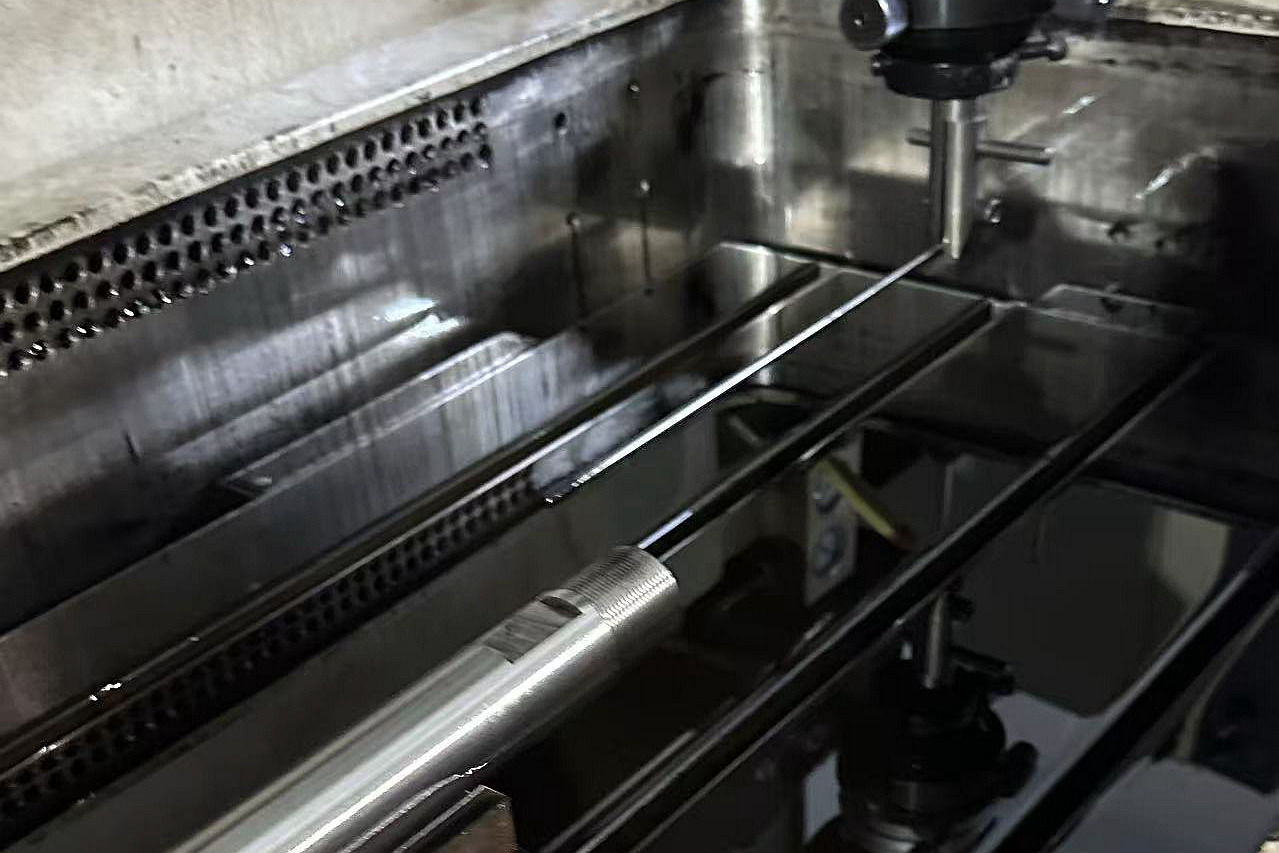
Ключевые технологии ЭЭО для компонентов с длинными отверстиями
Сочетание сверления с ЧПУ и ЭЭО позволяет получать точные отверстия без заусенцев в никелевых суперсплавах, где механические методы неэффективны.
ЭЭО стартовых отверстий для направляющих расточек диаметром <0,5 мм
Прошивочная ЭЭО для формирования внутренних полостей
Ротационная и орбитальная ЭЭО для формирования наклонных или криволинейных каналов
Гибридный технологический процесс ЭЭО-сверление для соотношения длины к диаметру свыше 20×D в сплавах CMSX и Inconel
ЭЭО обеспечивает минимальное термическое повреждение и превосходный контроль формы в труднообрабатываемых сплавах.
Типичные материалы суперсплавов для элементов, обработанных методом ЭЭО-сверления
Сплав | Макс. температура (°C) | Твердость (HRC) | Типичные области применения |
|---|---|---|---|
704 | 44 | Глубокие каналы охлаждения | |
1140 | 37 | Отверстия для пленочного охлаждения ударного типа | |
980 | 40 | Длинные осевые расточки, внутренние шлицы | |
1175 | 32 | Выхлопные гильзы, кольца с микрополостями |
ЭЭО применяется, когда сложность геометрии или отклонение инструмента ограничивают использование традиционных методов сверления.
Практический пример: охлаждаемая турбинная гильза из сплава CMSX-4 с длинными отверстиями, обработанными методом ЭЭО
Описание проекта
Ведущему аэрокосмическому заказчику потребовалось изготовить отверстия диаметром 0,4 мм в стенке толщиной 10 мм под углом 35° в турбинной гильзе из сплава CMSX-4. Механическое сверление вызывало появление следов пригорания и инициирование трещин. Применение ЭЭО обеспечило точность отверстий в пределах ±0,008 мм и толщину наплавленного слоя менее 2 мкм.
Типичные модели компонентов с длинными отверстиями, обработанными методом ЭЭО, и области их применения
Модель детали | Описание | Материал | Глубина отверстия | Отрасль |
|---|---|---|---|---|
LHC-320 | Ударное кольцо со 120 радиальными отверстиями, 22×D | CMSX-4 | 11 мм | |
HTB-150 | Блок теплопередачи с змеевидными каналами | Inconel 718 | 15×D | |
ECC-200 | Ядро камеры двигателя с пересекающимися микроотверстиями | Rene 41 | 18×D | |
PRF-140 | Напорное кольцо с угловыми вентиляционными путями | Hastelloy X | 10×D |
Функциональность компонентов зависит от прецизионных путей потока жидкости и газа, созданных с помощью гибридных технологий ЭЭО-сверления.
Проблемы электроэрозионной обработки компонентов из суперсплавов с длинными отверстиями
Соотношение сторон >20×D требует применения ротационной ЭЭО и промывки в реальном времени
Контроль наплавленного слоя: для деталей, критичных к усталости, толщина должна быть менее 2 мкм
Наклонные отверстия >30° усложняют выравнивание стартового отверстия и траекторию электрода
Variation тепловой проводимости вызывает неравномерность эрозии искрой и отклонения размеров
Поверхностное окисление в сплаве Inconel требует пассивации после ЭЭО для предотвращения коррозии
Решения для геометрий суперсплавов, обработанных методом ЭЭО-сверления
ЭЭО стартовых отверстий + орбитальное сверление позволило создать отверстия диаметром 0,35 мм в сплаве CMSX-4 с отклонением круглости 6 мкм
Ротационная ЭЭО с промывкой удаляла стружку при давлении 100 бар, предотвращая короткое замыкание искры в отверстиях глубиной >20 мм
Полировка наплавленного слоя с использованием электрохимического удаления заусенцев (ECD) снизила шероховатость поверхности до Ra 0,4 мкм
Приспособления для многоугловой фиксации обеспечили позиционную точность ±0,005 мм для наклонных расточек
Термообработанные детали сохранили твердость и структуру после ЭЭО
Результаты и верификация
Методы производства
Производство компонентов начиналось с заготовок, полученных методом вакуумного литья по выплавляемым моделям, или кованых колец. После сверления глубоких отверстий выполнялась финишная обработка методом ротационной или прошивочной ЭЭО. Траектории инструмента программировались с использованием 3D-моделирования и проверялись посредством картирования профиля отверстия.
Прецизионная финишная обработка
Длинные отверстия полировались в цикле после ЭЭО с удалением наплавленного слоя до 1,5 мкм. Конечные размеры: допуск ±0,008 мм, шероховатость Ra 0,3–0,5 мкм. Резьбовые полости обрабатывались прошивочной ЭЭО с точностью по ISO 6g с использованием твердых медно-вольфрамовых электродов.
Последующая обработка
Детали подвергались горячему изостатическому прессованию (ГИП) и отжигу для снятия напряжений при температуре 870°C, после чего при необходимости наносилось теплозащитное покрытие (TBC). На деталях из сплава Inconel применялась поверхностная пассивация для предотвращения окисления от остатков ЭЭО.
Контроль качества
КИМ (Координатно-измерительная машина) подтвердила положение отверстий и прямолинейность в пределах 0,006 мм. СЭМ (Сканирующий электронный микроскоп) проверил целостность наплавленного слоя и вход в отверстие. Для сложных пересекающихся элементов использовался метод рентгеновского контроля. GDMS ensured material chemistry within ±0.03 wt%.
Часто задаваемые вопросы (FAQ)
Какова минимальная толщина отверстия, которое может создать ЭЭО в сплаве Inconel 718?
Как обеспечивается выравнивание расточки при многоосевом ЭЭО-сверлении под углом?
Какая толщина наплавленного слоя является допустимой для аэрокосмических деталей, критичных к усталости?
Можно ли использовать ЭЭО после механической обработки на станках с ЧПУ без термической деформации?
Каковы распространенные методы контроля внутренних элементов, обработанных методом ЭЭО?
