
Изотермическая ковка сплавов Nimonic для компонентов морских турбин
Введение
Изотермическая ковка сплавов Nimonic имеет решающее значение для производства высокопроизводительных компонентов турбин, используемых в системах морского движения. Эти никелевые суперсплавы, такие как Nimonic 80A, 90 и 105, обладают исключительным сохранением прочности, стойкостью к окислению и высоким ресурсом усталости при постоянных температурах до 850°C. В Neway AeroTech мы специализируемся на ковке компонентов из Nimonic с минимальными припусками для турбинных систем морского, оборонного назначения и энергогенерации, обеспечивая жесткий контроль размеров (±0.02 мм) и длительный срок службы в коррозионных высокоскоростных морских условиях.
Изотермическая ковка обеспечивает точное микроструктурное измельчение, направленное выравнивание зерен и стабильные механические характеристики для роторных лопаток, сопловых колец и дисков турбин как в дизель-электрических, так и в газотурбинных силовых установках.
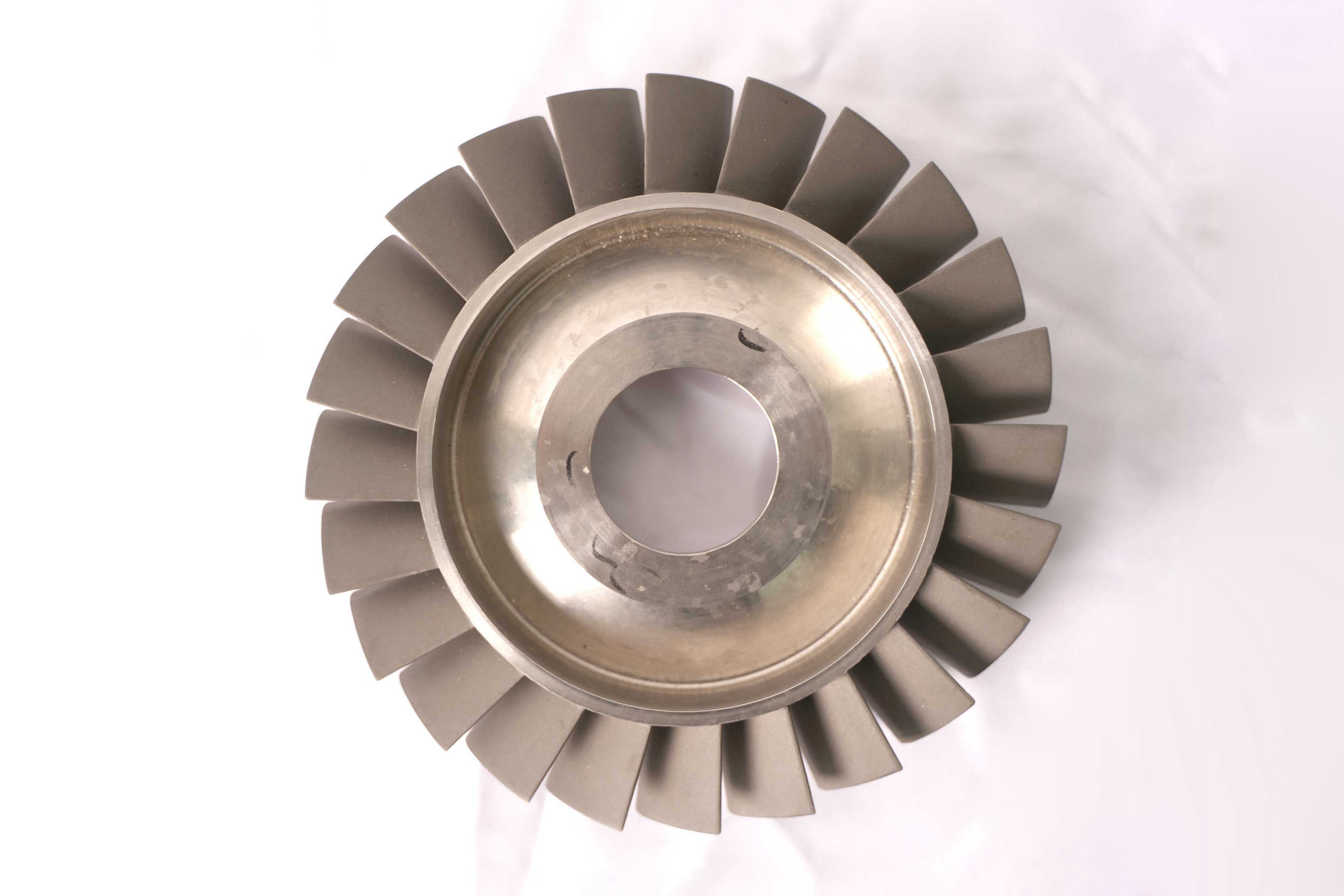
Основная технология изотермической ковки Nimonic
Выбор сплава и предварительный нагрев: Заготовки из Nimonic (80A, 90, 105) равномерно нагреваются до 1050–1150°C в инертной атмосфере для минимизации окисления и сохранения пластичности.
Процесс изотермической ковки: Заготовка и штамп поддерживаются при одинаковых температурах во время деформации, обеспечивая равномерное напряжение течения и измельченную микроструктуру по всей сложной геометрии.
Оптимизация структуры зерна: Управляемая ковка дает мелкие зерна по ASTM 10–12, повышая стойкость к термической усталости и ресурс ползучести под нагрузками в морских двигателях.
Термическая обработка после ковки: Компоненты подвергаются закалке на твердый раствор и старению для оптимизации упрочнения γ′-фазой и коррозионной стойкости.
Прецизионная механическая обработка: Такие элементы, как ласточкин хвост, елочные соединения, отверстия под болты и охлаждающие каналы, выполняются с использованием многоосевой обработки на станках с ЧПУ с допусками ±0.02 мм.
Поверхностное упрочнение (опционально): Выполняются такие поверхностные обработки, как полировка или пассивация, для дальнейшего повышения стойкости к морской коррозии.
Характеристики материалов кованных сплавов Nimonic
Свойство | Nimonic 80A | Nimonic 90 | Nimonic 105 |
|---|---|---|---|
Макс. рабочая температура | 815°C | 870°C | 870°C |
Временное сопротивление разрыву (при 700°C) | ~920 МПа | ~1020 МПа | ~1150 МПа |
Сопротивление ползучести | Отличное до 800°C | Отличное до 850°C | Выдающееся при 850°C |
Стойкость к окислению | Отличная | Отличная | Очень высокая |
Размер зерна (кованый) | ASTM 10–12 | ASTM 9–11 | ASTM 10–12 |
Стойкость к морской коррозии | Очень хорошая | Очень хорошая | Хорошая |
Пример из практики: Изотермически кованные диски и сопла турбин из Nimonic для морских двигателей
Предпосылки проекта
Судостроительная инжиниринговая компания требовала диски турбин, направляющие лопатки и сопловые кольца, выкованные из Nimonic 90 и 105, для высокоскоростных морских газовых турбин, работающих выше 750°C. Компоненты должны были обладать превосходным ресурсом ползучести, стойкостью к солевому туману и долговечностью при многоцикловой усталости в течение длительных циклов эксплуатации.
Типичные кованные компоненты морских турбин
Диски турбин: Выкованы из Nimonic 90, обеспечивая долговременную прочность при ползучести и сбалансированный вес для высокооборотных морских газовых турбин.
Направляющие лопатки: Лопатки с тонкими сечениями из Nimonic 105, изотермически кованные для высокой стойкости к окислению при высоких температурах и жесткого геометрического контроля.
Сопловые кольца: Используются для направления потока газа в турбонагнетателях и турбинах; выкованы из Nimonic 80A для долговечности в горячих потоках выхлопных газов, насыщенных солью.
Платформы и корневые части лопаток: Выкованные и прецизионно обработанные соединения типа "ласточкин хвост" и "елочка" из Nimonic 90 для снижения концентрации напряжений во время термических циклов.
Производственное и технологическое решение
Подготовка заготовки: Вакуумно-плавленные прутки Nimonic нарезаются на предварительные формы, затем равномерно нагреваются до 1100°C для деформации при контролируемых скоростях деформации.
Выполнение изотермической ковки: Ковка выполняется в штампах с контролируемой температурой для сохранения микроструктурной однородности и снижения остаточных напряжений.
Термическая обработка: Закалка на твердый раствор при 1150°C с последующим старением при 700–800°C для оптимизации дисперсии γ′-фазы для прочности и стойкости к усталости.
Обработка на станках с ЧПУ: Корневые части типа "елочка", профили лопаток и массивы отверстий под болты обрабатываются с допуском ±0.02 мм с использованием 5-осевой обработки.
Финальная отделка поверхности: По требованию применяются полировка и дробеструйная обработка для повышения стойкости к эрозии и улучшения ресурса усталости при высокотемпературной вибрации.
Неразрушающий контроль: Внутреннее качество проверяется с помощью рентгеновского контроля, а геометрия подтверждается с использованием контроля на координатно-измерительной машине (КИМ).
Результаты и проверка
Прочность на растяжение: Диски турбин из Nimonic 105 после старения превысили 1150 МПа временного сопротивления разрыву при 700°C, обеспечивая структурную стабильность при пиковых нагрузках.
Ресурс усталости: Испытания на многоцикловую усталость подтвердили ресурс свыше 30 000 циклов для вращающихся компонентов в условиях эксплуатации при 750°C.
Контроль размеров: Финальная геометрия достигнута в пределах ±0.02 мм на всех сопрягаемых поверхностях, что подтверждено контролем на КИМ.
Коррозионная стойкость: Воздействие солевого тумана (ASTM B117) подтвердило отсутствие деградации поверхности после 1000 часов.
Работоспособность при термических циклах: Компоненты выдержали 10 000 термических циклов от 200°C до 800°C без трещин или структурной деформации.
Часто задаваемые вопросы
Какие марки Nimonic лучше всего подходят для компонентов морских турбин?
Как изотермическая ковка улучшает ресурс ползучести и усталости в сплавах Nimonic?
Какие размерные допуски достижимы на кованных деталях из Nimonic?
Может ли Neway AeroTech применять поверхностные обработки для повышения стойкости к морской коррозии?
Какие испытания обеспечивают надежность кованных компонентов турбин из Nimonic?
