
Детали газовых турбин из жаропрочного сплава IN713LC, отлитые равноосными кристаллами
Введение
Компоненты газовых турбин должны выдерживать постоянное воздействие высокотемпературных продуктов сгорания, механических напряжений и окисления. Для решения этих задач широко используется IN713LC — дисперсионно-твердеющий никелевый жаропрочный сплав — для деталей газовых турбин, таких как лопатки, направляющие аппараты, бандажные кольца и сегменты сопел. Изготовленные методом литья равноосными кристаллами, детали из IN713LC обладают однородными механическими свойствами, стабильной микроструктурой и надежными долгосрочными характеристиками.
Neway AeroTech предлагает вакуумное литье по выплавляемым моделям деталей газовых турбин из IN713LC с равноосной кристаллизацией в рамках сертифицированных по AS9100 процессов. Наши отливки поддерживают применение в турбинах для аэрокосмической отрасли, энергетики, судостроения и оборонной промышленности.
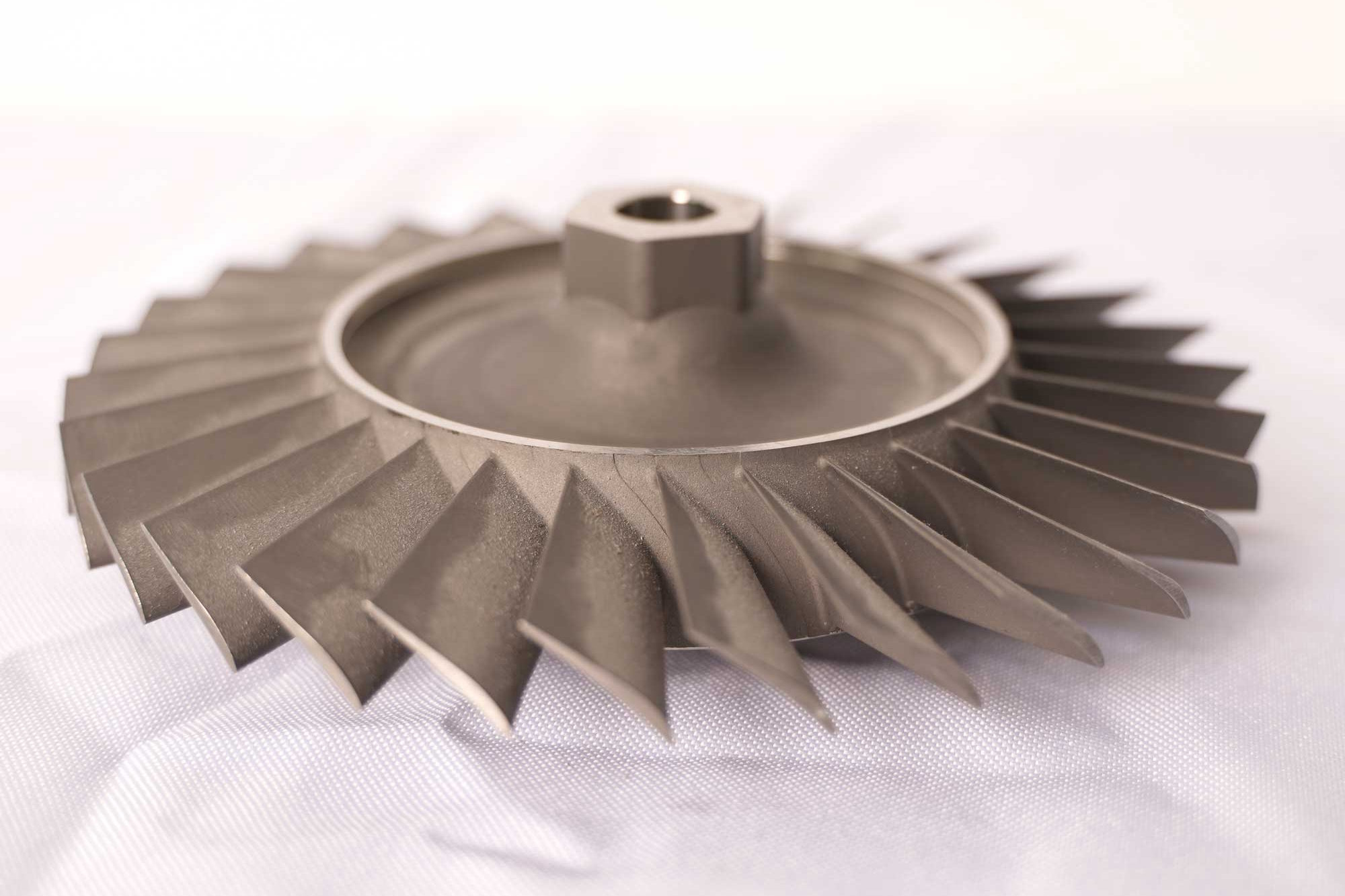
Основная технология литья равноосными кристаллами из IN713LC
Изготовление восковых моделей Высокоточные восковые модели воспроизводят сложную геометрию с допуском ±0,05 мм, подходят для лопаток турбин, направляющих аппаратов и сегментов.
Изготовление керамической оболочки Многослойные керамические оболочки формируются (толщиной 6–8 мм) с использованием огнеупорной суспензии и обсыпки, обладают отличной термостойкостью.
Выплавление воска и обжиг оболочки Оболочки очищаются от воска в автоклаве при 150°C и спекаются при ~1050°C для обеспечения прочности при заливке расплавленного металла.
Вакуумная индукционная плавка Сплав IN713LC плавится в вакууме при ~1450°C (≤10⁻³ Па), что минимизирует оксиды и обеспечивает однородный химический состав.
Равноосная кристаллизация Расплавленный сплав заполняет предварительно нагретые формы и охлаждается в контролируемых условиях, образуя равноосные зерна размером от 0,5 до 2 мм.
Удаление оболочки и очистка поверхности Удаление оболочки производится с помощью вибрации и струйной обработки высокого давления без повреждения прецизионных отлитых элементов.
Термическая обработка Применяются закалка и старение для улучшения распределения γ′-фазы и повышения сопротивления ползучести.
Окончательная механическая обработка и контроль Обработка на станках с ЧПУ и электроэрозионная обработка обеспечивают точность размеров; КИМ и рентгеновский контроль гарантируют соответствие.
Свойства материала IN713LC для деталей газовых турбин
Рабочая температура: До 982°C (1800°F)
Предел прочности при растяжении: ≥1034 МПа
Предел текучести: ≥862 МПа
Сопротивление ползучести (разрушение): ≥200 МПа при 760°C за 1000 часов
Окалиностойкость: Отличная в условиях циклического воздействия горячих газов
Размер зерна (ASTM): 5–7, однородный по толстым и тонким сечениям
Пример из практики: Компоненты турбины из IN713LC для энергетики
Предпосылки проекта
Глобальный производитель силовых турбин (OEM) поручил Neway AeroTech изготовить лопатки, направляющие аппараты и бандажные кольца из IN713LC, отлитые равноосными кристаллами, для газовой турбины мощностью 70 МВт, работающей непрерывно при 950°C. Заказчик требовал минимальные деформации, высокое сопротивление ползучести и стабильность размеров для всех деталей горячей части.
Типичные детали газовых турбин
Лопатки турбины подвергаются высоким центробежным и термическим напряжениям, требуя мелкозернистой равноосной микроструктуры и окалиностойкости.
Направляющие аппараты сопел Направляют продукты сгорания через ступени турбины; требуют жесткого геометрического контроля и сопротивления термической усталости.
Бандажные кольца первой ступени Уплотняют концы вращающихся лопаток и выдерживают экстремальные тепловые циклы и газовую эрозию.
Сегменты кольца камеры сгорания: Статические дуговые компоненты, подверженные лучистому теплу и колебаниям температуры.
Технологический процесс изготовления деталей турбины из равноосного IN713LC
Проектирование литниковой системы и формы Литниковые системы оптимизируются с помощью CFD-анализа для обеспечения направленного потока и устранения горячих точек.
Выполнение вакуумного литья по выплавляемым моделям Сплав IN713LC заливается в формы в вакууме, кристаллизуется в равноосных условиях и охлаждается для минимизации остаточных напряжений.
Термическая обработка Циклы термической обработки стабилизируют микроструктуру и увеличивают ресурс ползучести за счет равномерного выделения γ′-фазы.
Окончательная обработка после литья Механическая обработка посадочных поверхностей, отверстий и элементов охлаждения выполняется с помощью станков с ЧПУ и электроэрозионной обработки для соблюдения жестких допусков.
Контроль и неразрушающий контроль Все детали проверяются с использованием рентгеновского контроля, ультразвукового контроля и измерений на КИМ для обеспечения точности размеров и структурной целостности.
Основные проблемы при литье деталей турбин равноосными кристаллами
Избежание микроликвации в деталях с толстыми стенками
Достижение постоянного размера зерна в геометриях с переменным сечением
Сохранение стабильности размеров после термической обработки
Предотвращение окисления и трещинообразования при тепловых циклах
Результаты и проверка
Достигнут размер зерна ASTM 6–7 во всех сечениях лопаток и направляющих аппаратов
Прочностные характеристики при растяжении превысили 1034 МПа при стабильном качестве от партии к партии
100% статус бездефектности подтвержден рентгеновским и ультразвуковым контролем
Достигнуто отклонение размеров в пределах ±0,03 мм после механической обработки
Часто задаваемые вопросы
Какие преимущества дает литье равноосными кристаллами для компонентов газовых турбин?
Как IN713LC сравнивается с другими жаропрочными сплавами для турбин?
Какие методы контроля используются для проверки целостности отливок?
Могут ли детали из равноосного IN713LC использоваться в судовых турбинах?
Какие допуски достижимы при финишной обработке на станках с ЧПУ и электроэрозионной обработкой?
