
Титановые суперсплавы: Прецизионная ковка тепловых экранов — надежные и эффективные решения
Введение
Титановые суперсплавы для тепловых экранов предлагают исключительное сочетание легкой прочности, термостойкости и защиты от коррозии, что идеально подходит для аэрокосмических и промышленных систем теплового управления. Neway AeroTech специализируется на прецизионной ковке титановых сплавов, таких как Ti-6Al-4V и Ti-6Al-2Sn-4Zr-6Mo, обеспечивая прецизионно-кованые тепловые экраны с жесткими допусками (±0,05 мм) и повышенной долговечностью при рабочих температурах до 600°C.
Используя передовые технологии ковки и термообработки, наши титановые тепловые экраны обеспечивают превосходную надежность, сниженный вес и улучшенную долгосрочную эксплуатационную эффективность для критически важных применений.
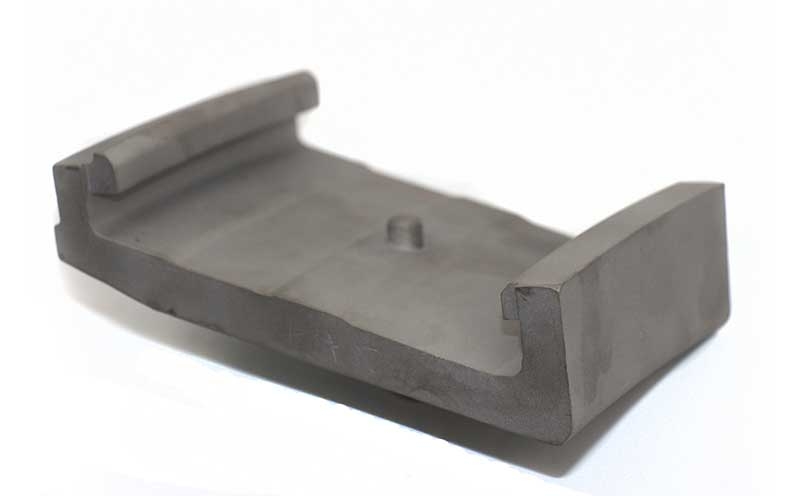
Основные производственные проблемы для титановых тепловых экранов
Ковка титановых суперсплавов, таких как Ti-6Al-4V и Ti-6Al-2Sn-4Zr-6Mo, связана со специфическими проблемами:
Узкие температурные окна ковки (обычно 850–1050°C), требующие строгого теплового контроля.
Высокая чувствительность к скорости деформации, требующая тщательного управления деформацией для предотвращения трещин.
Достижение точных размерных допусков (±0,05 мм) с минимальными искажениями.
Контроль микроструктуры для баланса высокой прочности, пластичности и сопротивления ползучести.
Процесс прецизионной ковки для титановых тепловых экранов
Процесс прецизионной ковки для титановых тепловых экранов включает:
Нагрев заготовки: Равномерный нагрев до 900–950°C для обеспечения однородного поведения при деформации.
Ковка в закрытых штампах: Приложение контролируемых давлений и скоростей деформации для получения деталей с чистой или почти чистой формой.
Изотермическая ковка (для критических деталей): Штампы с контролируемой температурой уменьшают тепловые градиенты и улучшают однородность микроструктуры.
Контролируемое охлаждение: Медленное воздушное охлаждение или контролируемое печное охлаждение для предотвращения остаточных напряжений и улучшения структуры зерна.
Термообработка после ковки: Растворение, обычно при 940–970°C, с последующим старением для улучшения механических свойств.
Прецизионная механическая обработка: Обработка на станках с ЧПУ для достижения окончательных допусков (±0,01 мм) и отличной чистоты поверхности (Ra ≤1,6 мкм).
Сравнение методов производства для титановых тепловых экранов
Метод производства | Размерная точность | Чистота поверхности (Ra) | Контроль микроструктуры | Термическая стабильность | Экономическая эффективность |
|---|---|---|---|---|---|
Прецизионная ковка | ±0,05 мм | ≤3,2 мкм | Отличная | Превосходная | Средняя |
Вакуумное литье по выплавляемым моделям | ±0,1 мм | ≤3,2 мкм | Хорошая | Хорошая | Средняя |
Обработка на станках с ЧПУ (из прутка) | ±0,01 мм | ≤0,8 мкм | Ограниченная | Хорошая | Высокая |
Стратегия выбора метода производства
Выбор оптимального метода производства для титановых тепловых экранов включает балансировку веса, прочности, точности и стоимости:
Прецизионная ковка: Предпочтительна для аэрокосмических компонентов, требующих опт��мизированных механических свойств, точных размеров (±0,05 мм) и улучшенного измельчения зерна, что повышает сопротивление ползучести и срок усталостной долговечности до 30% по сравнению с литыми деталями.
Вакуумное литье по выплавляемым моделям: Подходит для сложных геометрий, где ковка менее практична. Обеспечивает хорошие структурные характеристики, но обычно имеет более крупное зерно и более низкое сопротивление усталости по сравнению с ковкой.
Обработка на станках с ЧПУ (из прутка): Идеальна для мелкосерийных или высокосложных деталей, требующих экстремальной размерной точности (±0,01 мм), хотя с повышенными отходами материала и более высокой стоимостью.
Матрица характеристик титановых сплавов
Материал сплава | Макс. рабочая темп. (°C) | Предел прочности (МПа) | Плотность (г/см³) | Сопротивление ползучести | Типичные применения |
|---|---|---|---|---|---|
400 | 930 | 4,43 | Хорошее | Аэрокосмические тепловые экраны, детали турбин | |
550 | 1030 | 4,62 | Отличное | Высокотемпературная аэрокосмическая защита | |
480 | 870 | 4,5 | Хорошее | Тепловая защита планера | |
540 | 965 | 4,6 | Отличное | Компоненты экранирования реактивных двигателей | |
370 | 980 | 4,68 | Хорошее | Легкие аэрокосмические конструкции |
Стратегия выбора сплава для титановых тепловых экранов
Выбор титановых сплавов зависит от рабочей температуры, требований к прочности и сложности конструкции:
Ti-6Al-4V: Выбирается для общих аэрокосмических тепловых экранов, требующих высокой прочности (930 МПа) и умеренной термической стабильности до 400°C.
Ti-6Al-2Sn-4Zr-6Mo: Идеален для экранов турбин, требующих отличного сопротивления ползучести и предела прочности (1030 МПа) при рабочих температурах до 550°C.
Ti-5Al-2.5Sn: Подходит для экранирования планера, работающего при умеренных температурах (~480°C), с хорошей свариваемостью и прочностью (870 МПа).
Ti-6Al-2Sn-4Zr-2Mo: Используется для компонентов экранирования реактивных двигателей, требующих высокого сопротивления термической усталости и характеристик ползучести.
Ti-15V-3Cr-3Sn-3Al: Применяется там, где важны легкие конструкции, балансируя высокий предел прочности с хорошей термостойкостью.
Ключевые методы последующей обработки
Основные операции последующей обработки включают:
Горячее изостатическое прессование (ГИП): Улучшает плотность (>99,9%) и механические характеристики за счет устранения пористости.
Прецизионная обработка на станках с ЧПУ: Достигает окончательных размерных допусков (±0,01 мм) и отличной чистоты поверхности (Ra ≤0,8 мкм).
Термообработка: Индивидуальные обработки растворением и старением оптимизируют прочность, сопротивление ползучести и усталостные характеристики.
Финишная обработка поверхности: Полировка и микроабразив�ая обработка улучшают качество поверхности и адгезию теплозащитных покрытий.
Методы испытаний и обеспечение качества
Neway AeroTech гарантирует, что каждый титановый тепловой экран соответствует строгим аэрокосмическим стандартам качества посредством:
Координатно-измерительная машина (КИМ): Проверка размерной точности в пределах ±0,005 мм.
Рентгеновский контроль: Неразрушающее обнаружение внутренних пустот и дефектов.
Металлографическая микроскопия: Оценка однородности структуры зерна и распределения фаз.
Испытания на растяжение: Подтверждение соответствия характеристик растяжения, текучести и удлинения спецификациям.
Наша полная система менеджмента качества соответствует стандартам аэрокосмической сертификации AS9100.
Пример из практики: Прецизионно-кованые тепловые экраны из Ti-6Al-2Sn-4Zr-6Mo
Neway AeroTech поставила кованые тепловые экраны из Ti-6Al-2Sn-4Zr-6Mo для аэрокосмических турбинных систем, достигнув:
Рабочая температура: Непрерывное использование до 550°C
Усталостная прочность: Увеличена на 35% после ГИП и термообработки
Размерная точность: Постоянно поддерживается ±0,03 мм
Сертификация: Полное соответствие стандартам аэрокосмического качества AS9100
Часто задаваемые вопросы
Какие преимущества дает прецизионная ковка для титановых тепловых экранов?
Какие титановые сплавы лучше всего подходят для высокотемпературных экранирующих применений?
Как вы обеспечиваете жесткие размерные допуски для кованых титановых деталей?
Какие методы последующей обработки улучшают характеристики титановых тепловых экранов?
Каким сертификатам и стандартам качества соответствуют ваши титановые тепловые экраны?
