Superalloy Packaging Machine Accessories Processing Plant
Packaging equipment accessories rarely fail because the part is large or visually complex. The harder RFQ questions are usually smaller: will the contact surface resist cleaning chemistry, will a guide or valve pocket stay stable after thermal cycling, can the supplier machine seal faces without tearing a nickel alloy, and can first samples be inspected against the surfaces that actually control filling, sealing, dosing, or transfer. A useful quote for superalloy packaging machine accessories should separate the cosmetic envelope from the functional surfaces that touch heat, product flow, steam, washdown media, or sliding assemblies.
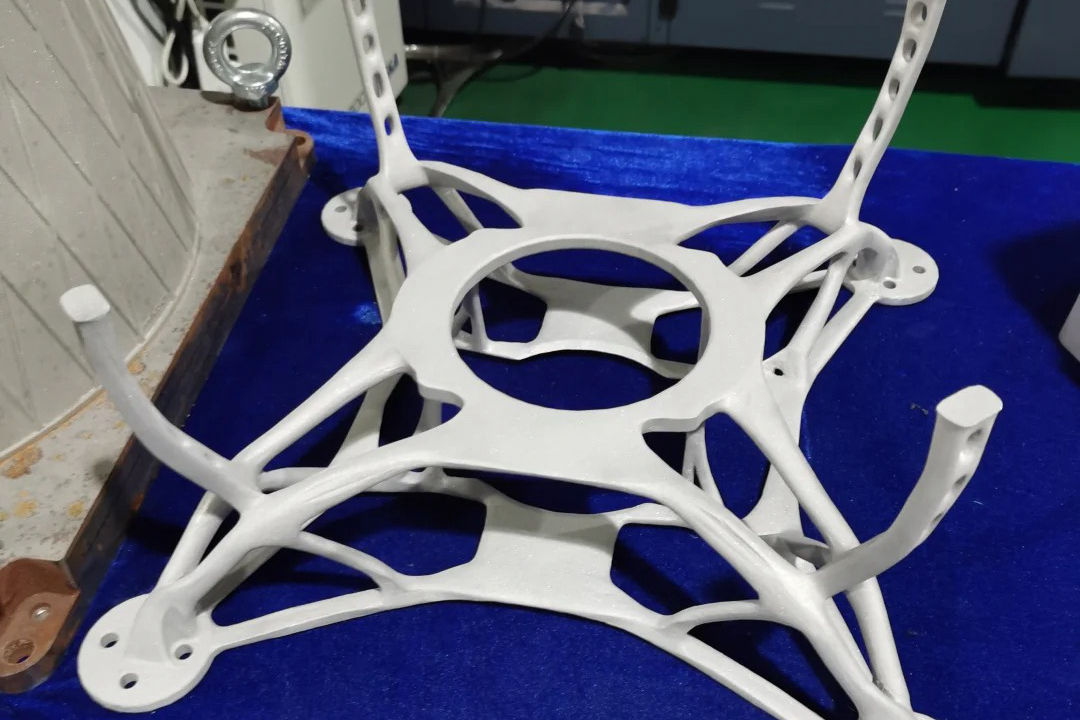
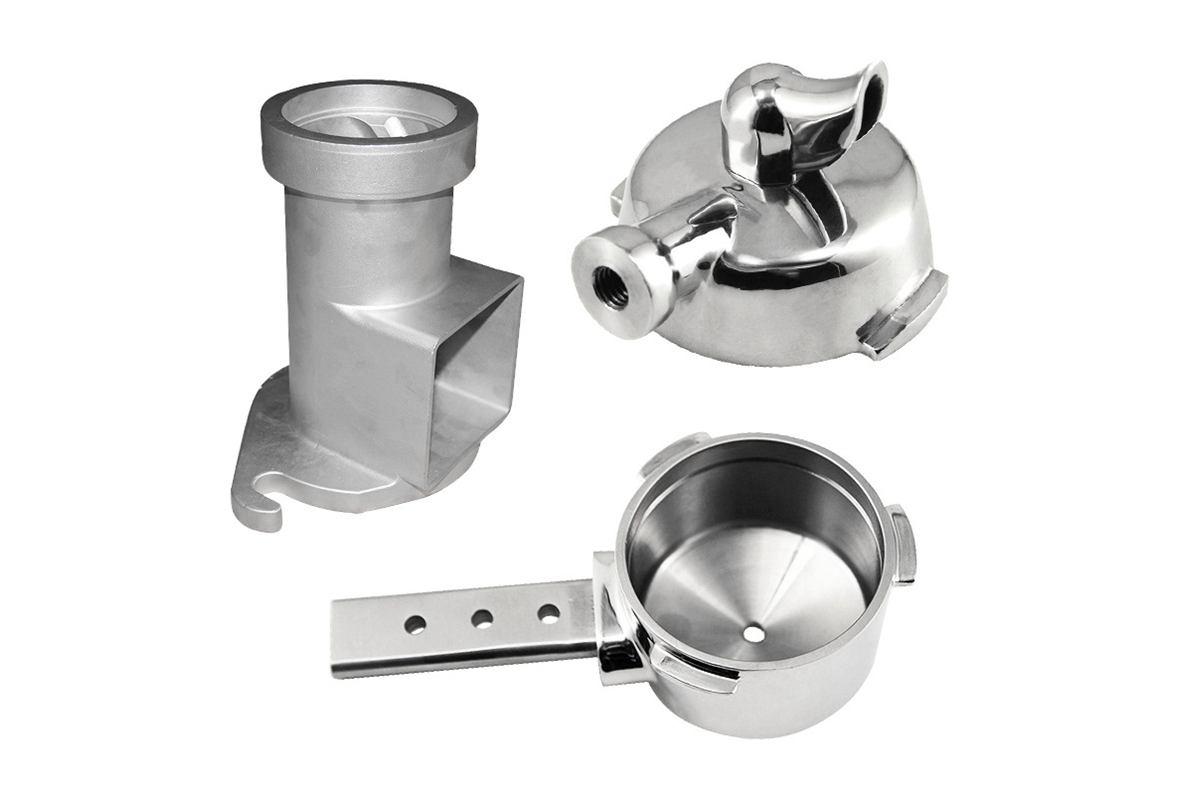
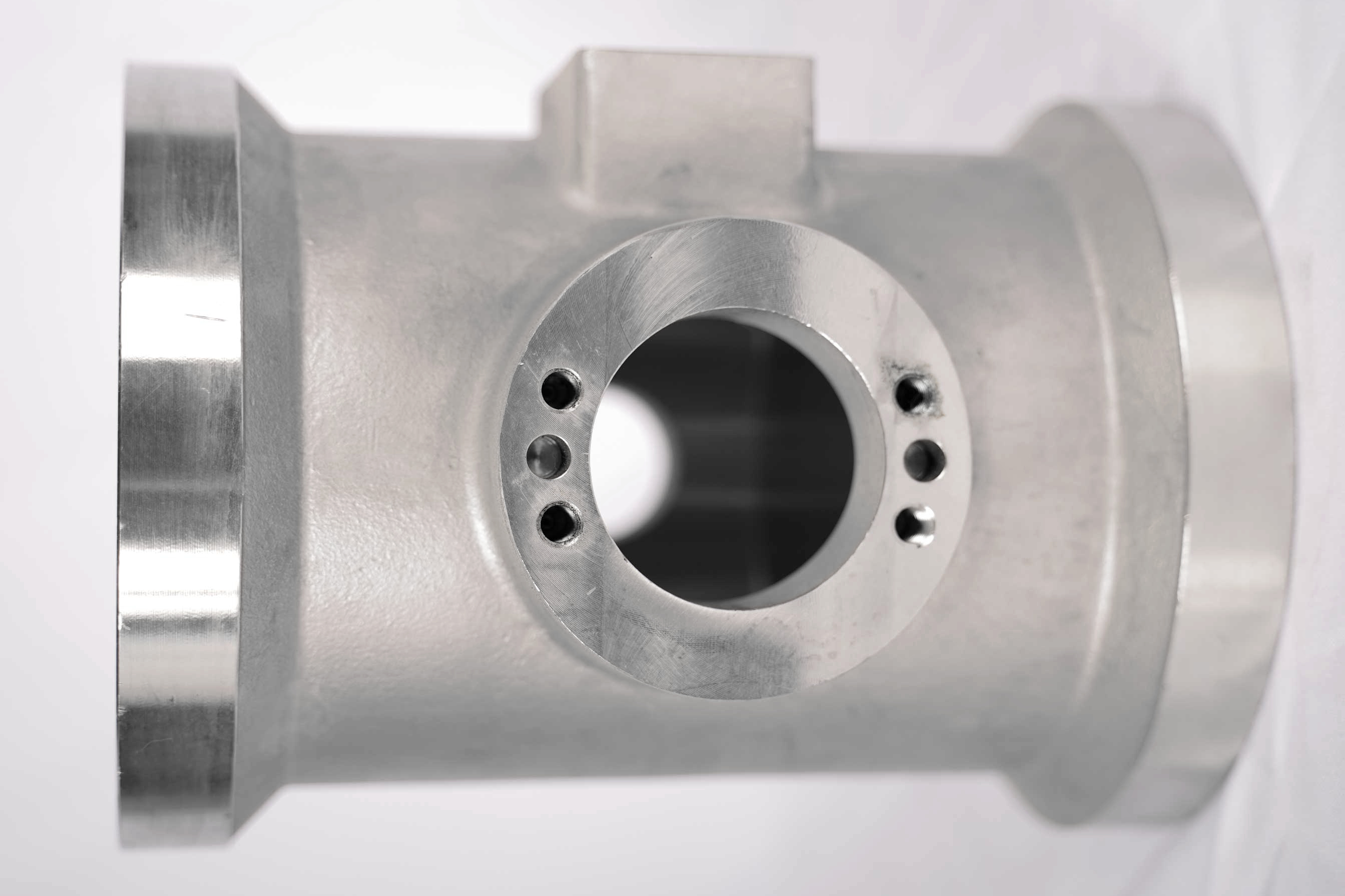
Neway reviews these accessories as custom industrial components rather than catalogue hardware. Buyers can use the same supplier discussion for filling heads, wear pads, sealing jaws, heater blocks, nozzle adapters, rotary-transfer fingers, corrosion-resistant brackets, small valve bodies, sensor mounts, shaft sleeves, and fixture parts exposed to hot air, steam, acidic cleaning, salt spray, or abrasive powders. The first RFQ package does not need to be perfect, but it should tell the supplier which surfaces must be cast near net shape, which faces require superalloy CNC machining, and which dimensions are allowed to change during prototype review.
Define the Packaging Machine Duty Before Selecting the Alloy
Buyers should first describe the duty cycle around the accessory, not only the nominal machine type. A guide rail close to a heat tunnel, a jaw in a heat-sealing station, and a dosing nozzle exposed to cleaning solution may all be called packaging machine accessories, but they ask different questions of the alloy. Temperature, intermittent contact, cleaning medium, product residue, sliding load, and shutdown cleaning frequency decide whether the RFQ should prioritize oxidation resistance, chloride resistance, hot hardness, galling control, or machinability.
For this RFQ, the supplier needs to know whether the part touches product, touches packaging film, carries load, guides motion, seals pressure, or only locates another component. Product-contact and clean-in-place environments usually demand tighter control of surface finish, internal corners, polishing access, and material traceability. Hot transfer or heater-zone parts may place more weight on oxidation resistance, dimensional stability, and heat-treatment history. If the same accessory performs both functions, the drawing should mark the surfaces separately so the quote does not hide all risk under one general tolerance block.
Alloy choice also depends on what the buyer plans to validate after first samples. Inconel grades may suit hot, oxidizing, or mildly corrosive packaging stations; Hastelloy grades may be considered when cleaning chemistry and localized corrosion are stronger drivers; Monel can be discussed when chloride exposure and toughness dominate the requirement. When the alloy is not fixed, Neway can compare the practical casting and machining route through casting superalloys, Hastelloy alloy casting, Inconel alloy casting, and Monel alloy casting before committing to tooling.
RFQ Boundary: Sample Replacement, Drawing Release, or New Accessory
A replacement accessory made from a worn sample should not be quoted the same way as a new drawing-controlled part. Used packaging machine parts may have polished tracks, compressed seal faces, thermal bow, altered hole locations, or cleaning damage that no longer represents the original geometry. The buyer should identify whether the sample is a reference for envelope shape, a failed component for failure review, or the only available geometry. That distinction changes reverse engineering effort and prevents the supplier from copying wear as design intent.
When drawings are available, the RFQ should mark datum surfaces, critical interfaces, removable features, and inspection method. If drawings are incomplete, buyers can still give a controlled quote by separating three zones: surfaces that must match the machine interface, surfaces that can be adjusted after trial assembly, and non-functional contours where casting economy is acceptable. This boundary is especially useful for low-volume maintenance parts, machine upgrade projects, and custom packaging equipment where the buyer needs fit and corrosion resistance more than cosmetic duplication.
For prototype accessories, the quote should also state whether the buyer expects one-piece casting, welded assembly reduction, machined-from-solid comparison, or a staged route where a first machined prototype confirms fit before an investment casting tool is released. A staged route can reduce tool risk for complex filling, sealing, or indexing accessories, but it must be agreed before pricing because it changes fixture design, machining allowance, and inspection records.
Choose Casting, Machining, or Powder Route by Feature Risk
Vacuum investment casting is usually considered when the accessory has curved flow passages, ribs, bosses, pockets, or repeated near-net contours that would waste material if machined from billet. The process can reduce welding and assembly interfaces, but the RFQ must still define minimum wall thickness, draft expectations, blind pockets, gate-removal zones, and surfaces that need machining stock. Packaging parts with narrow slots or deep recesses should be reviewed for ceramic shell access, cleaning of internal media, and later inspection visibility before tooling is approved.
Machining from wrought or cast stock can be better for simple blocks, flat jaws, plates, shafts, guide pins, and components where surface finish and hole alignment dominate the requirement. Superalloys are not forgiving in long slender cuts, interrupted cuts, or small drilled holes, so the quote should list thread depth, reamed features, seal lands, and any edges that cannot carry burrs. If electrical discharge machining is needed for slots, small windows, or hard-to-reach shapes, buyers should include acceptable recast-layer removal or finishing requirements. Neway can combine superalloy EDM with machining when feature access is limited.
Powder metallurgy is not the default answer for every packaging accessory, but it can be discussed for wear-resistant inserts, compact high-strength shapes, or parts where material utilization and uniformity justify a different route. The buyer should not ask for a process name alone. The better question is which route protects the functional feature with the least downstream correction: a cast near-net nozzle, a machined seal jaw, a powder metal wear element, or a hybrid assembly where each piece uses the most practical route.
Accessory condition | Likely RFQ route | Engineering item to confirm |
|---|---|---|
Curved nozzle adapter or small valve body | Vacuum investment casting plus machining | Internal passage access, machining stock, pressure or flow boundary |
Flat sealing jaw or heater-zone block | Machined superalloy blank | Flatness reference, thermal distortion allowance, surface finish |
Wear shoe, guide insert, or sliding contact pad | Casting, powder route, or machined insert | Galling risk, mating material, edge break, replaceability |
Maintenance replacement from used sample | Reverse engineering plus first article | Wear correction, machine interface, trial-fit evidence |
Machining Allowance and Surface Finish Must Follow Function
The most expensive mistake in these RFQs is treating every visible surface as precision-machined. Packaging equipment accessories often need only a small number of controlled surfaces: sealing lands, bolt patterns, product-contact bores, bearing fits, guide tracks, knife or film-contact edges, and mounting datums. If the drawing does not classify these surfaces, the supplier may either overprice a decorative finish or underprice a surface that later controls machine stability.
Buyers should identify which faces require turning, milling, grinding, polishing, lapping, EDM, or only casting cleanup. For product-contact surfaces, the RFQ should say whether the surface must be accessible for cleaning, whether internal corners need larger radii, and whether a polishing direction matters. For sliding parts, the supplier needs the mating material and lubrication condition. For heated parts, thermal expansion and clamp load can make a room-temperature dimension less important than parallelism after assembly.
Machining allowance is different from extra material everywhere. On an investment casting, allowance should be placed where the final operation needs it, while gate locations, parting cleanup, and heat-treatment distortion are reviewed before the quote is locked. For small-batch packaging accessories, this can be handled through a first-article route: cast blank inspection, machining setup approval, CMM or fixture check, then final cleaning and packing requirements.
Post-Process Scope: Heat Treatment, HIP, Cleaning, and Finish
Post-processing should be quoted as an engineering sequence rather than a loose list. Depending on alloy and route, packaging accessories may need heat treatment for mechanical stability, hot isostatic pressing for casting integrity, solution and age treatment for precipitation-strengthened nickel alloys, stress relief after machining, passivation-style cleaning where applicable, or controlled polishing for product-contact geometry. The RFQ should identify which of these are mandatory, which are supplier recommendations, and which depend on first article findings.
Superalloy heat treatment is especially important when the accessory combines thin walls, bosses, and machined faces. Distortion may be small enough to correct by machining, or large enough to require process review before production. Hot isostatic pressing may be relevant for cast parts where internal soundness affects pressure, fatigue, or cleaning reliability. The buyer should decide whether HIP is required by specification or selected after casting risk review; those are different commercial scopes.
Cleaning and finish requirements should not be added at the end of the project. If the part will enter food, pharmaceutical, pouching, bottling, or chemical packaging equipment, packaging, handling, marking, and residue control may be part of buyer acceptance. The supplier needs to know whether sharp edges are prohibited, whether blind holes must be avoided, whether threads require masking during finishing, and whether the buyer wants a documented cleaning step before shipment.
Inspection Evidence for Buyer Acceptance
Inspection should track the part's job in the machine. A bracket may need dimensional evidence only at datums and mounting holes. A filling nozzle may need bore size, concentricity, surface condition, and pressure-related checks. A sealing jaw may need flatness, parallelism, edge condition, and thermal-zone review. A valve pocket may need internal transition inspection because a small casting or machining mismatch can affect cleaning and flow.
For cast accessories, buyers can request a staged record that includes material certificate, visual inspection, dimensional inspection, and non-destructive testing when geometry or duty justifies it. Dye penetrant inspection is useful for surface-breaking defects. X-ray or CT review can be considered for internal passages, pressure boundaries, or areas hidden after machining. CMM checks help prove machine-interface surfaces and repeat-part consistency. Neway's material testing and analysis page is the practical internal reference when the quote must include evidence instead of only finished parts.
The buyer should also state how first samples will be judged. Trial fit, short machine run, cleaning review, heat exposure, and wear pattern review are different acceptance events. If the buyer will change dimensions after the first fit, the supplier should keep tooling and machining programs under revision control so the next batch reflects approved changes rather than informal shop notes.
RFQ Checklist for Low-Volume Packaging Accessories
A strong RFQ can be short if it names the right boundaries. Include the existing drawing or sample photos, machine position, alloy requirement or operating environment, annual or batch quantity, surfaces that contact product or film, cleaning chemistry, temperature exposure, mating parts, coating or finish expectations, and inspection records required with shipment. If the buyer does not know the alloy, describe the failure mode: corrosion at a bore, galling at a guide, oxidation near heat, cracking near a screw boss, or wear at a sealing edge.
For small-batch work, ask the supplier to quote the first article separately from the repeat batch. The first article may include route review, sample measurement, tool or fixture design, machining program setup, and inspection planning. Repeat batches should then quote the stable production scope. This prevents prototype uncertainty from being hidden in each unit price and gives both sides a clearer route for future spare parts.
The final purchasing decision should compare total manufacturing responsibility, not only the part price. A supplier that can review alloy, casting, machining, heat treatment, HIP, surface finishing, and inspection in one route may reduce handoff risk for complex accessories. That is especially useful when the packaging machine cannot tolerate long troubleshooting cycles after installation.
Related FAQs
What are the best superalloys for packaging machine accessories?
How does powder metallurgy improve superalloy packaging component production?
Why is hot isostatic pressing HIP important in post-processing packaging accessories?
What quality inspection methods are used for packaging machine accessories?
How does CNC machining support prototyping for packaging accessories?