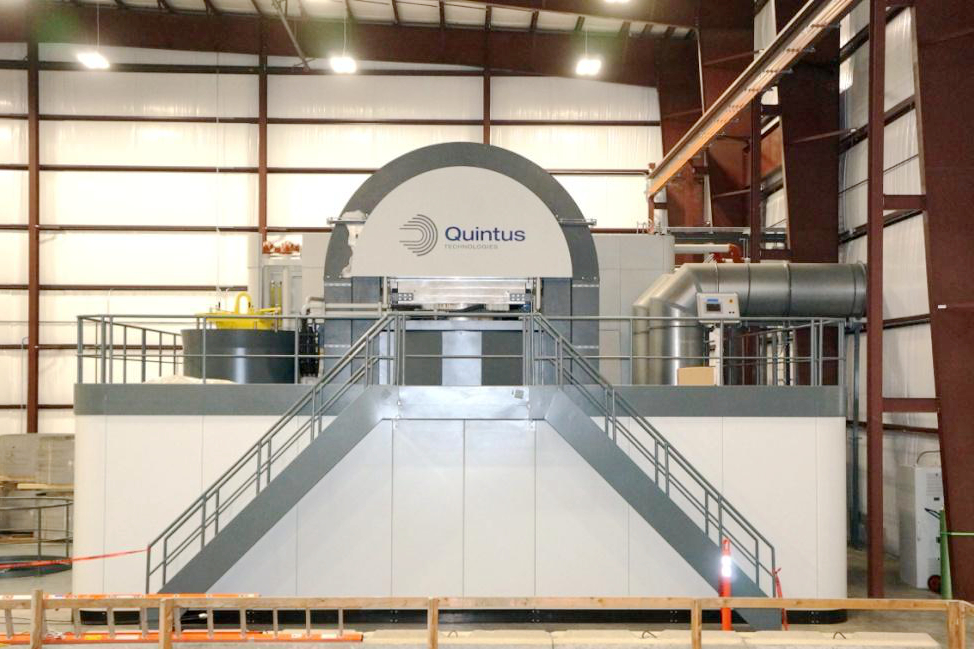
Why is Hot Isostatic Pressing (HIP) important in post-processing packaging accessories?
Defect Elimination for High-Speed Operation
Packaging accessories operate under constant motion and repetitive load cycles, making internal defects a critical risk factor. Hot Isostatic Pressing (HIP) removes internal porosity and micro-voids created during casting or additive manufacturing. This improves fatigue strength and prevents crack initiation, especially in sliding components such as cams, valve seats, and wear pads.
Enhanced Microstructure Stability
Packaging accessories made from high-wear superalloys—such as Stellite 6B and Inconel X-750—require stable grain structures to maintain dimensional accuracy. HIP promotes diffusion bonding and grain refinement, enhancing resistance to galling, abrasion, and thermal fatigue in high-speed packaging lines.
Integration with Machining and Surface Treatments
HIP is typically performed before finishing operations to ensure optimized machining results. Performing HIP prior to superalloy cnc machining helps prevent tool damage from hidden defects and improves dimensional repeatability. It also provides a consistent base material for coatings or wear-resistant layers that may be applied to sanitation-critical areas on packaging equipment.
Reliability for Hygienic and Pharmaceutical Systems
In applications related to pharmaceutical and food packaging, HIP-treated components must avoid contamination risks and ensure smooth surface quality. Combined with non-destructive inspection, HIP contributes to consistent performance under cleaning chemicals, elevated temperatures, and continuous dynamic loads, supporting regulatory compliance and long-term operational safety.