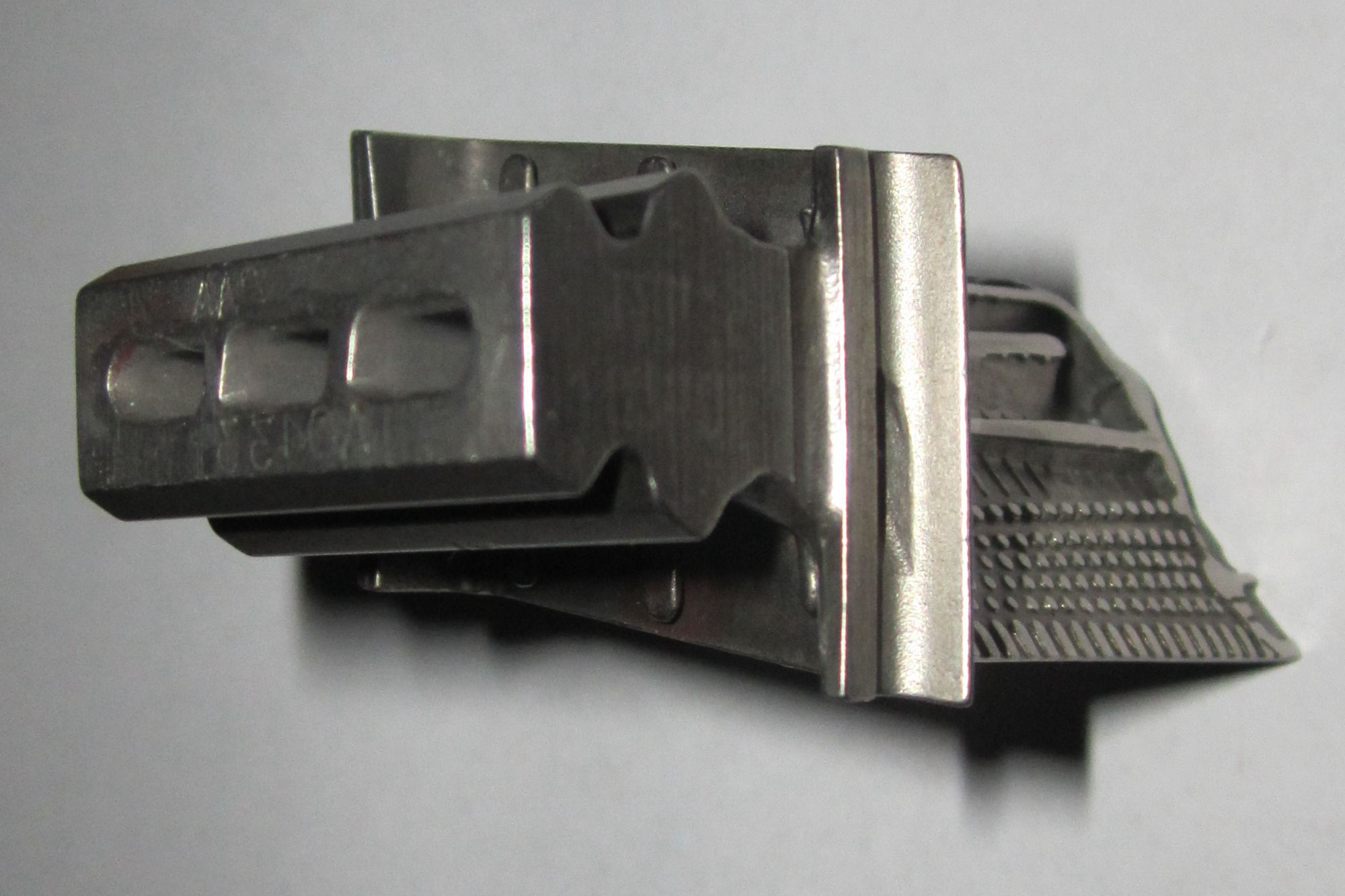
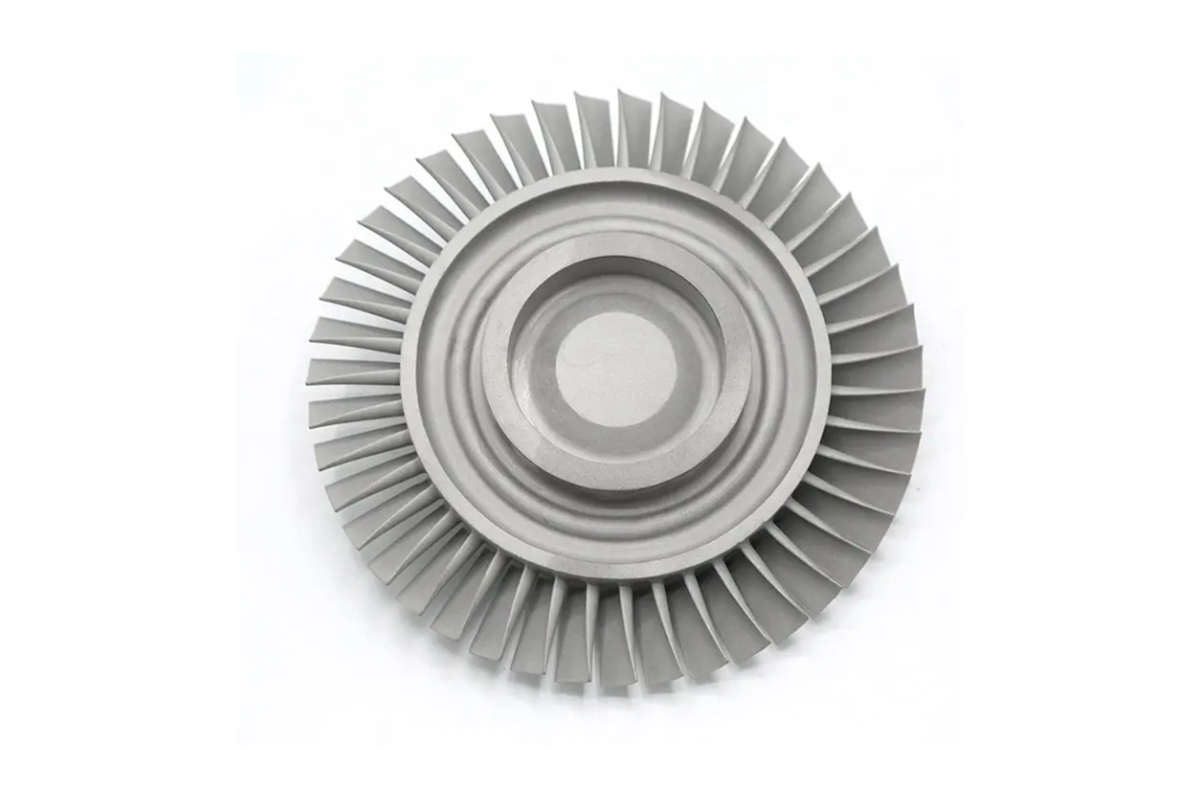
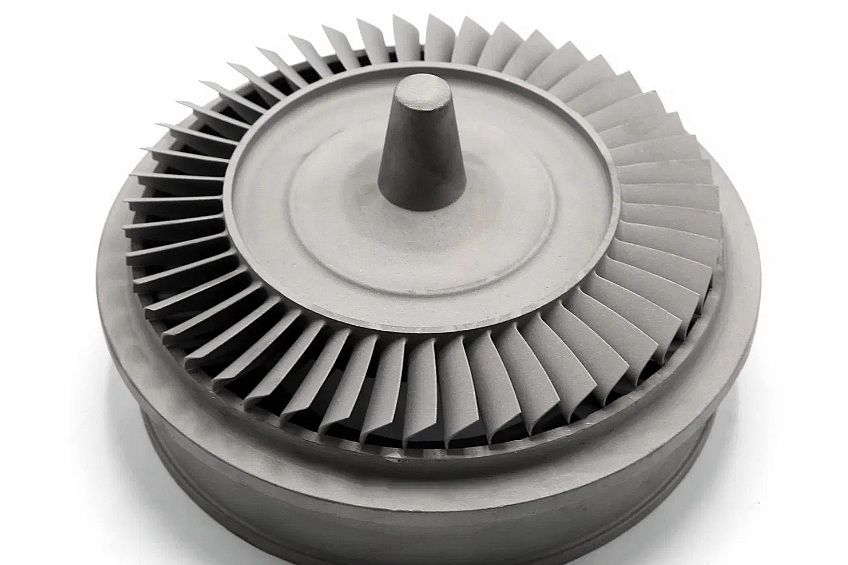
Superalloy Corrosion-Resistant Piping Accessories Processing Plant
A corrosion-resistant piping-accessory RFQ should define media exposure, pressure boundary, joint type, and final connection surfaces before a supplier selects the alloy route. Piping accessories can include elbows, tees, branch connections, nozzles, flanges, reducers, sleeves, collars, bosses, clamp details, support lugs, and custom fittings. Some parts are pressure-related and wetted by corrosive media. Others only support installation or locate adjacent hardware. The quote should separate those roles clearly.
NewayAeroTech supports superalloy piping accessories through vacuum investment casting, special alloy casting, CNC machining, heat treatment, post-process cleaning, welding preparation review, and material testing. A useful RFQ states whether the buyer needs a casting blank, machined fitting, finished connection part, prototype, or sample-based replacement accessory.
Define media, pressure, and connection type before quoting
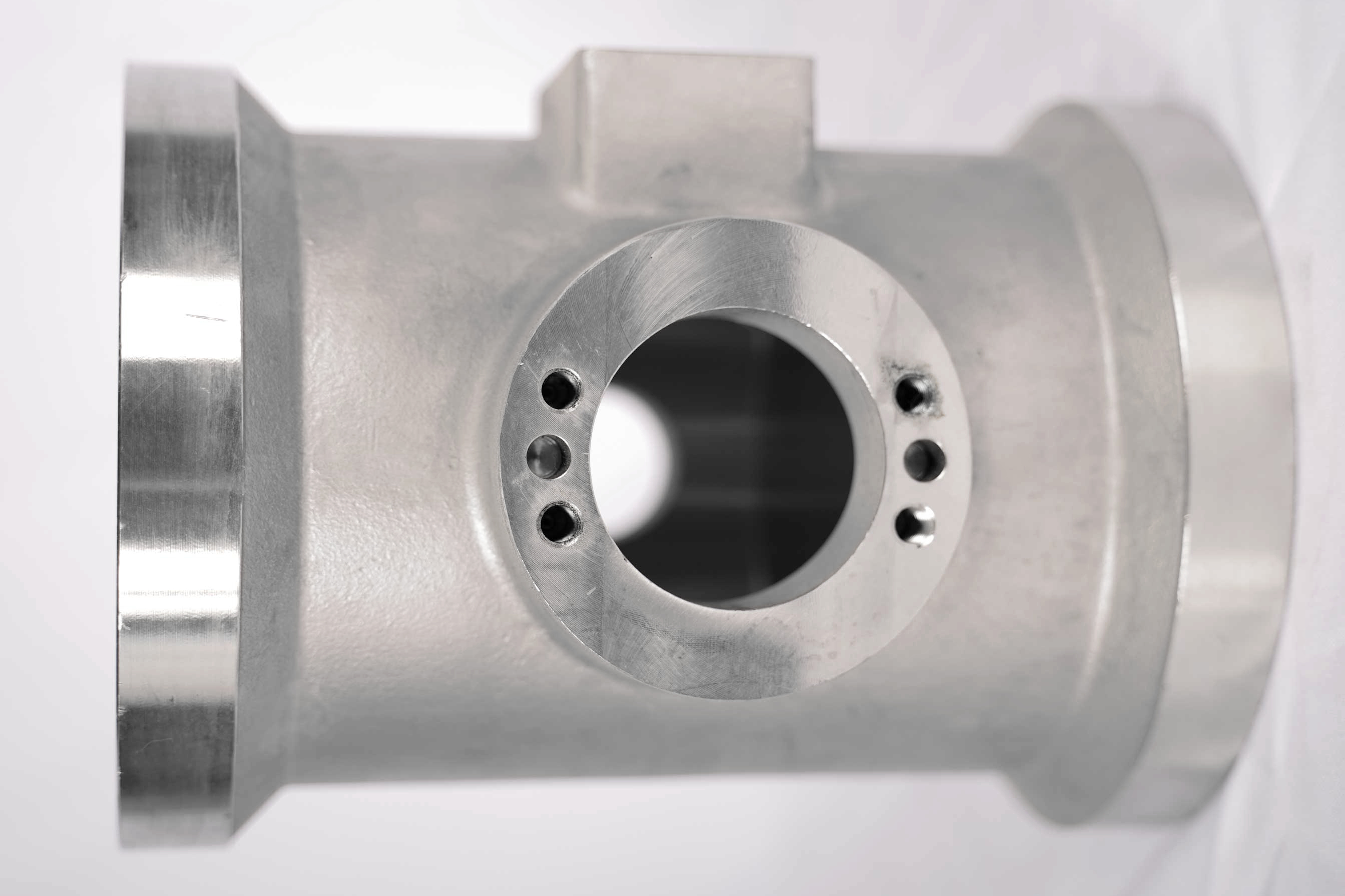
The first review should identify the fluid or gas media, pressure notes, temperature, corrosion concern, cleaning exposure, and whether the accessory is welded, bolted, threaded, clamped, or inserted into another assembly. A flange needs flatness and bolt-hole position. A threaded boss needs thread form and orientation. A branch connection needs wall transition and weld preparation. A reducer or elbow needs flow geometry and clean internal surfaces.
Buyers should also mark wetted and non-wetted surfaces. A support lug on a piping accessory may only need machining and load review, while the bore and weld-prep surfaces need corrosion and cleanliness control. If the supplier cannot see these boundaries, it may quote unnecessary work on non-functional surfaces or miss a critical surface inside the flow path.
Used samples should be documented for corrosion loss, weld residue, scale, thread damage, and deformation. A sample can help identify geometry, but the buyer should state which features are reliable references and which are damaged service features.
Choose alloy by corrosion, temperature, and joint risk
Superalloy piping accessories may use nickel, cobalt, stainless, titanium, or other special alloys depending on media and temperature. Hastelloy alloy casting may be reviewed for severe corrosion environments. Inconel alloy casting may be reviewed where heat and strength are important. Monel alloy casting may be reviewed for suitable seawater or related service conditions.
The material should match the local feature. A weld-prep end may need compatibility and machining stock. A flange needs flatness and sealing surface stability. A threaded port needs machinability and clean entry. An elbow or tee needs internal surface control and wall continuity. The RFQ should explain the corrosion mechanism or current failure mode so the supplier can review manufacturability and material risk together.
Mating materials should be shared where possible. A corrosion-resistant accessory may connect to pipe, gasket, fastener, valve, or pump hardware made from different alloys. That interface can affect material review, surface finish, and post-process choices.
Choose casting, machining, or forging route by geometry
Vacuum investment casting can support elbows, branches, nozzles, bosses, and compact fittings with curved passages or integrated lugs. A casting can reduce material waste and provide near-net geometry while leaving stock on sealing faces, bores, and weld-prep ends. It also requires tooling, gating review, shrinkage control, surface cleanup, and first-article measurement.
Machining from billet or forged stock may be better for simple flanges, collars, sleeves, threaded bosses, and spacer-like accessories. Superalloy CNC machining controls threads, gasket lands, bores, grooves, and datum faces. Superalloy precision forging may be reviewed when part geometry and loading justify it. The supplier response should explain the route instead of listing every process as available.
Prototype route should be labeled. A machined prototype can confirm fit and connection geometry, while a cast first article may be needed for the final production route. If the buyer expects repeat batches, expected quantity should be included before tooling or fixture decisions are made.
Control seal faces, bores, weld prep, and cleanliness
Piping accessories are accepted by connection surfaces. Flange faces need flatness and finish. Bores need size and internal surface condition. Weld-prep ends need geometry and cleanliness. Threads need gaugeable form and clean entry. Branch transitions need wall continuity and no harmful internal residue. The RFQ should mark these features as critical.
Machining allowance should be assigned around final connection features. Too little stock can leave casting variation at a seal face or weld-prep end. Too much stock can increase cost and distort thin sections. If heat treatment is used, finish machining may need to happen afterward on critical surfaces. The supplier should state the planned sequence.
Post-process work should include cleaning, deburring, surface preparation, and handling protection where required. Internal chips, shell residue, abrasive media, or oil contamination can create installation issues in process piping. Buyers should state whether flushing, visual inspection, or special packaging is needed.
Confirm internal passage and connection readiness before release
Piping accessories often look acceptable from the outside while still carrying risk inside the bore or branch. A reducer may need smooth transition and no trapped abrasive. A branch connection may need local wall continuity and clean weld-prep edges. A threaded boss may need chips removed from the intersection. Buyers should state whether bore diameter, internal surface, or flow-area evidence is required, especially when the part will enter corrosive or high-temperature service.
If the accessory will be welded, the RFQ should identify weld-prep geometry, root face expectations, and any surfaces that must not be damaged during handling. If it will be bolted or clamped, sealing face protection and packaging should be stated. These connection-readiness details often decide whether the part can move directly to installation.
Build inspection evidence around pressure, corrosion, and fit
Material testing and analysis should support the piping accessory's risk. Inspection may include chemistry, visual inspection, dimensional reporting, penetrant inspection, radiographic review where agreed, hardness checks where required, surface finish, thread gauging, and cleanliness evidence. The buyer should choose evidence that matches the connection and media.
Component inspection should be separated from complete piping-system validation. NewayAeroTech can document the supplied part against agreed drawing and process criteria. The buyer or system assembler remains responsible for system pressure, leak, or process validation unless a separate scope is defined. That boundary prevents a component quote from implying unsupported system responsibility.
Reports should identify the features that matter: seal faces, weld-prep ends, bores, ports, threads, and support surfaces. A focused report is more useful than a broad checklist that misses the actual acceptance point.
Clarify supplier scope and material-change boundary
Piping accessory RFQs often begin after corrosion, leakage, thread damage, or weld-prep problems appear in service. If the buyer wants to change material, the RFQ should state who owns that decision and what validation will follow. NewayAeroTech can advise on manufacturability, machining risk, heat treatment, and inspection evidence, while the buyer should define complete piping-system approval requirements unless a separate engineering scope is agreed.
Supplier scope should also be explicit. A rough casting quote is not the same as a finished accessory with final machining, cleaning, reports, and protected packaging. If downstream welding or machining is handled elsewhere, datum and stock assumptions should be stated. If NewayAeroTech supplies the finished part, required connection surfaces and records should be included in the quote.
Use first articles to confirm route before repeat supply
A first article should prove the selected route. For a cast fitting, it should check internal surface condition, stock, connection faces, and inspection evidence. For a machined sleeve or flange, it should check bores, threads, flatness, and finish. For a prototype, the report should state whether it proves fit only or validates the final route.
Small-batch piping accessories need revision control. If drawing notes change after first article review, the supplier should know which features changed. If a used sample is involved, corrosion loss and damaged threads should be documented. If packaging or cleaning documentation is required, it should be part of the RFQ before production begins. The first-article record should also list any open media, gasket, weld-prep, or cleaning assumptions before the next release. If the buyer changes the connected pipe material or gasket style after the first article, the supplier should review the connection surface again before repeat supply.
What to send for a corrosion-resistant piping accessory RFQ
A complete RFQ includes drawings, models, material requirement, media exposure, temperature, pressure notes, joint type, mating parts, critical surfaces, quantity range, sample photos if available, cleaning needs, and inspection requirements. For chemical processing, oil and gas, marine, or energy equipment, media and connection function are more useful than an industry label.
The supplier response should separate alloy review, casting or machining route, forging assumptions where relevant, machining stock, heat-treatment sequence, post-process cleaning, inspection evidence, and open questions. If the quote covers one accessory rather than a complete piping system, that boundary should be explicit.
NewayAeroTech's value is connecting superalloy manufacturing to corrosion-resistant piping geometry, connection surfaces, cleanliness, and inspection evidence. A clear RFQ gives both sides a controlled route from sample or drawing to small-batch supply with fewer late changes to stock allowance, cleaning, inspection records, and protected delivery condition.
Related FAQs
What are the most commonly used superalloys in piping accessories?
How does vacuum investment casting enhance superalloy piping accessory quality?
What quality inspection methods are used for superalloy piping accessories?
Why is heat treatment important in the manufacturing process of fittings?
How does the quality control process ensure reliability in alloy fittings?