What quality inspection methods are used for superalloy piping accessories?
Material Verification and Alloy Analysis
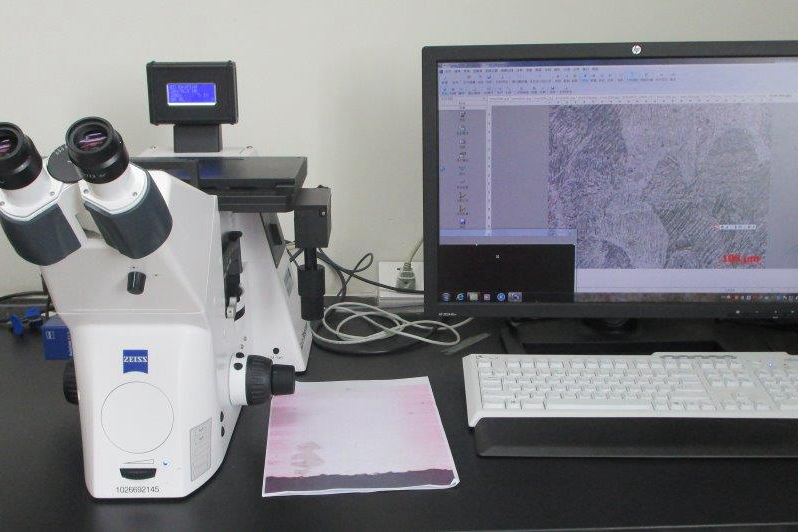
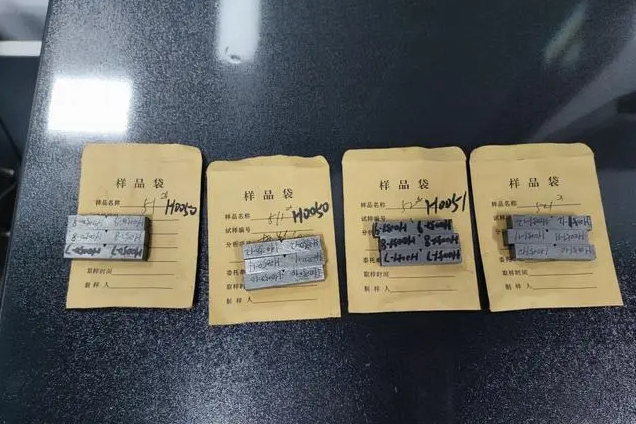
Quality inspection begins with confirming chemical composition and purity to ensure the alloy is suitable for corrosive and high-pressure environments. Superalloys such as Inconel 690 and Hastelloy C-276 undergo composition checks, grain structure analysis, and corrosion resistance evaluation through advanced material testing and analysis.
Non-Destructive Evaluation (NDE)
To ensure internal soundness, non-destructive testing techniques such as ultrasonic inspection, radiography, and eddy current scanning are used. These are particularly important for parts manufactured via vacuum investment casting or powder metallurgy, where any internal defects could compromise pressure containment or sealing reliability.
Dimensional Accuracy and Machining Validation
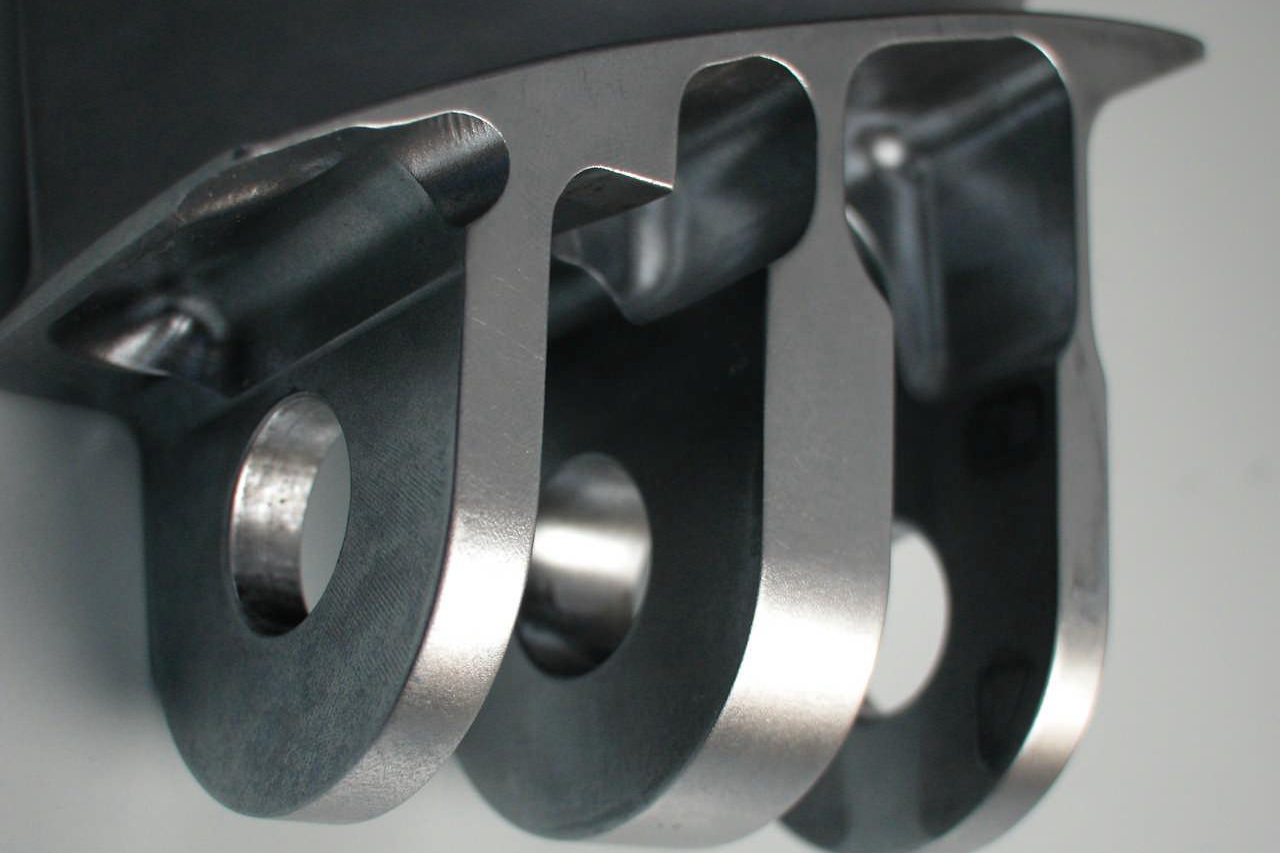
Piping accessories such as flanges, valve parts, and seals must maintain tight tolerances. Geometric inspection is performed using CMM measurement, optical scanning, and surface profiling. Components processed through superalloy CNC machining are validated for tolerance stability and hydraulic efficiency before final assembly.
Functional and Environmental Testing
To ensure performance under real operating conditions, components undergo pressure cycling, corrosion simulation, and flow testing. Industries such as oil and gas and chemical processing require validation of thermal fatigue resistance, sealing capabilities, and corrosion behavior in actual process fluids.
Traceability and Certification
Reliable piping accessories require full process traceability across manufacturing and inspection stages. Batch-based documentation, microstructure certification, and compliance with industrial standards ensure consistency, helping to predict maintenance intervals. Testing data provides assurance of safe operation over the long term in system use.