What quality inspection methods are used for packaging machine accessories?
Material Verification and Alloy Analysis
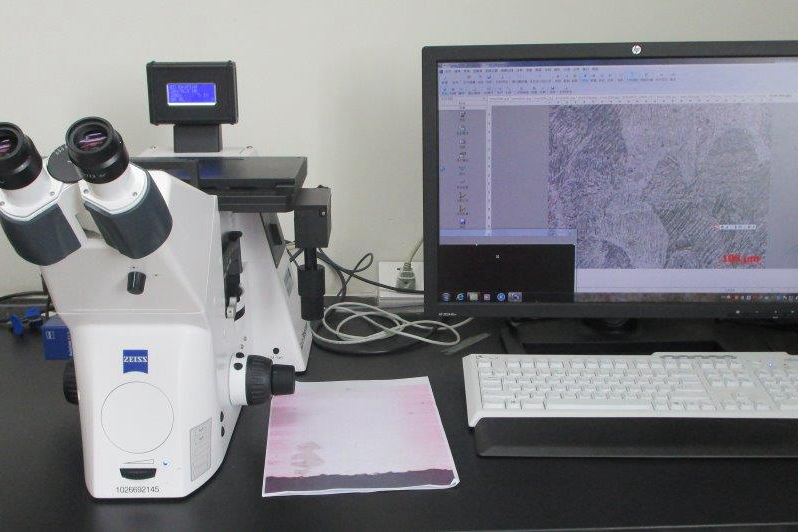
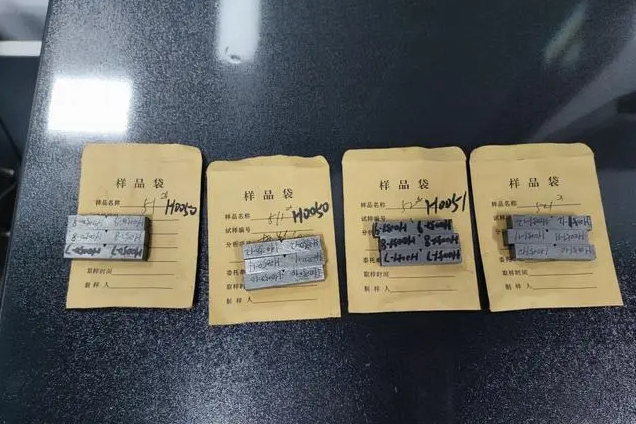
To ensure durability and hygiene, packaging accessories begin with verification of their alloy composition. Techniques under material testing and analysis confirm chemical balance, hardness values, and corrosion resistance—especially for food-contact components. Alloys such as Stellite 20 or high-strength nickel-based materials undergo microstructure examination before final machining or forming.
Wear and Fatigue Testing
Packaging machinery operates at high frequency, demanding strong abrasion resistance and long service life. Sliding elements and rotating parts are evaluated through friction testing, fatigue simulation, and wear analysis. Components produced via powder metallurgy also undergo hardness assessment to ensure dimensional stability under repeated loading and contact movement.
Non-Destructive Evaluation (NDT)
Internal defects may compromise long-term reliability. Ultrasonic testing, X-ray inspection, and dye-penetrant methods detect cracks, voids, or porosity—especially after casting or HIP treatment. These NDT techniques are similar to standards used in aerospace and ensure internal cleanliness before final surface finishing.
Dimensional and Surface Quality Assessment
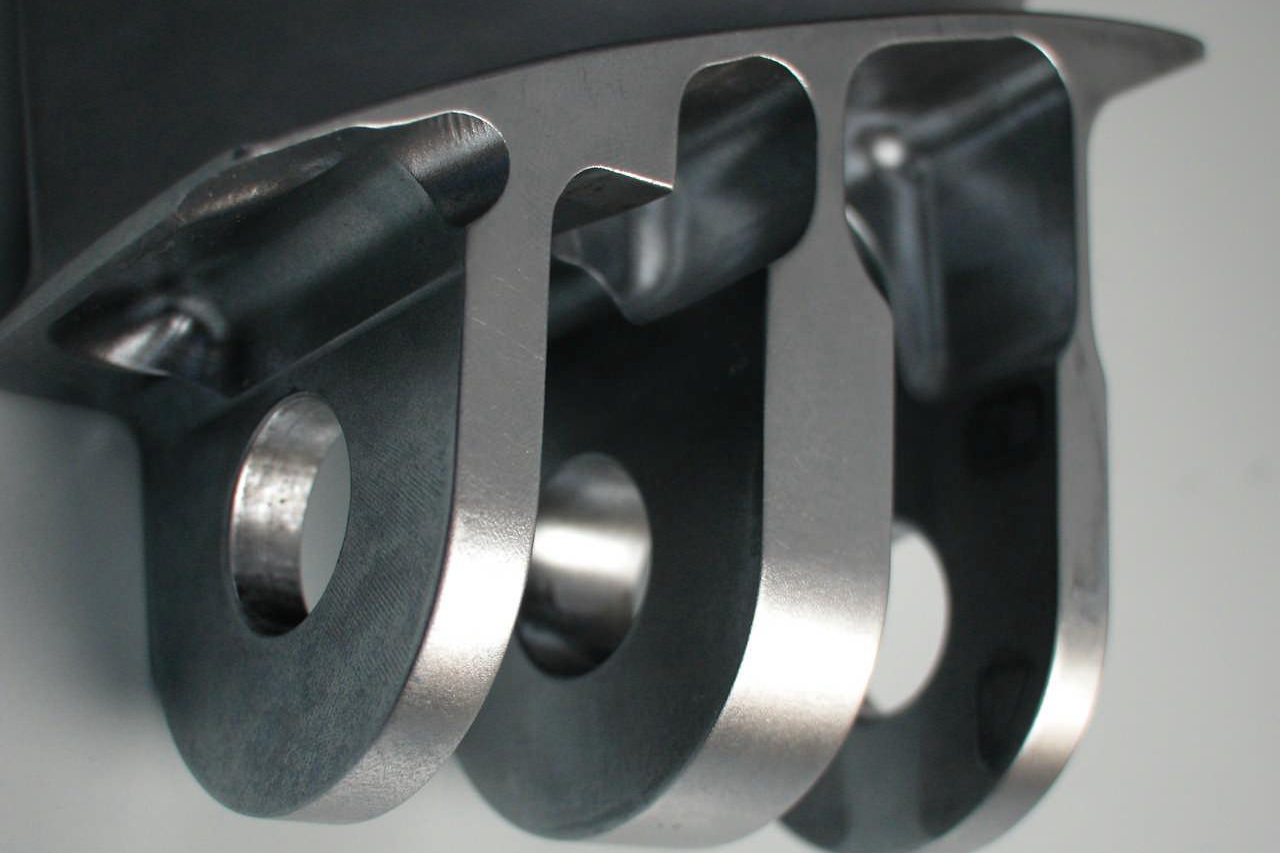
Precision is essential to avoid assembly backlash, leakage, or misalignment. Accessories produced via superalloy cnc machining are inspected using CMM measurement, surface roughness profiling, and non-contact scanning. These methods ensure high repeatability for both high-speed mechanical motion and sanitary cleaning requirements.
Hygiene and Certification Validation
For equipment used in pharmaceutical and food environments, inspection also includes surface migration testing, chemical resistance evaluation, and assessment of cleanability. Approved results ensure compliance with hygiene standards and long-term control of contamination.