How does powder metallurgy improve superalloy packaging component production?
Microstructure Uniformity and Wear Resistance
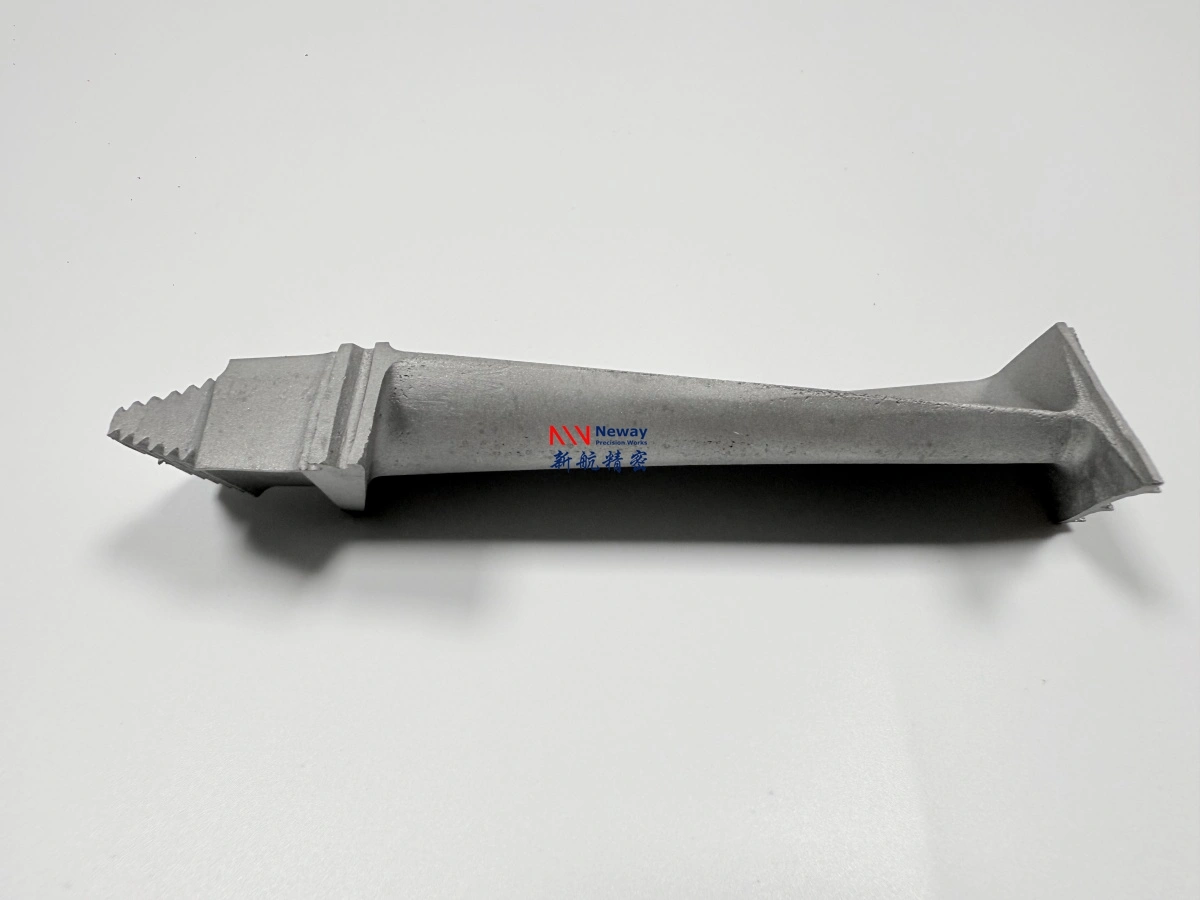
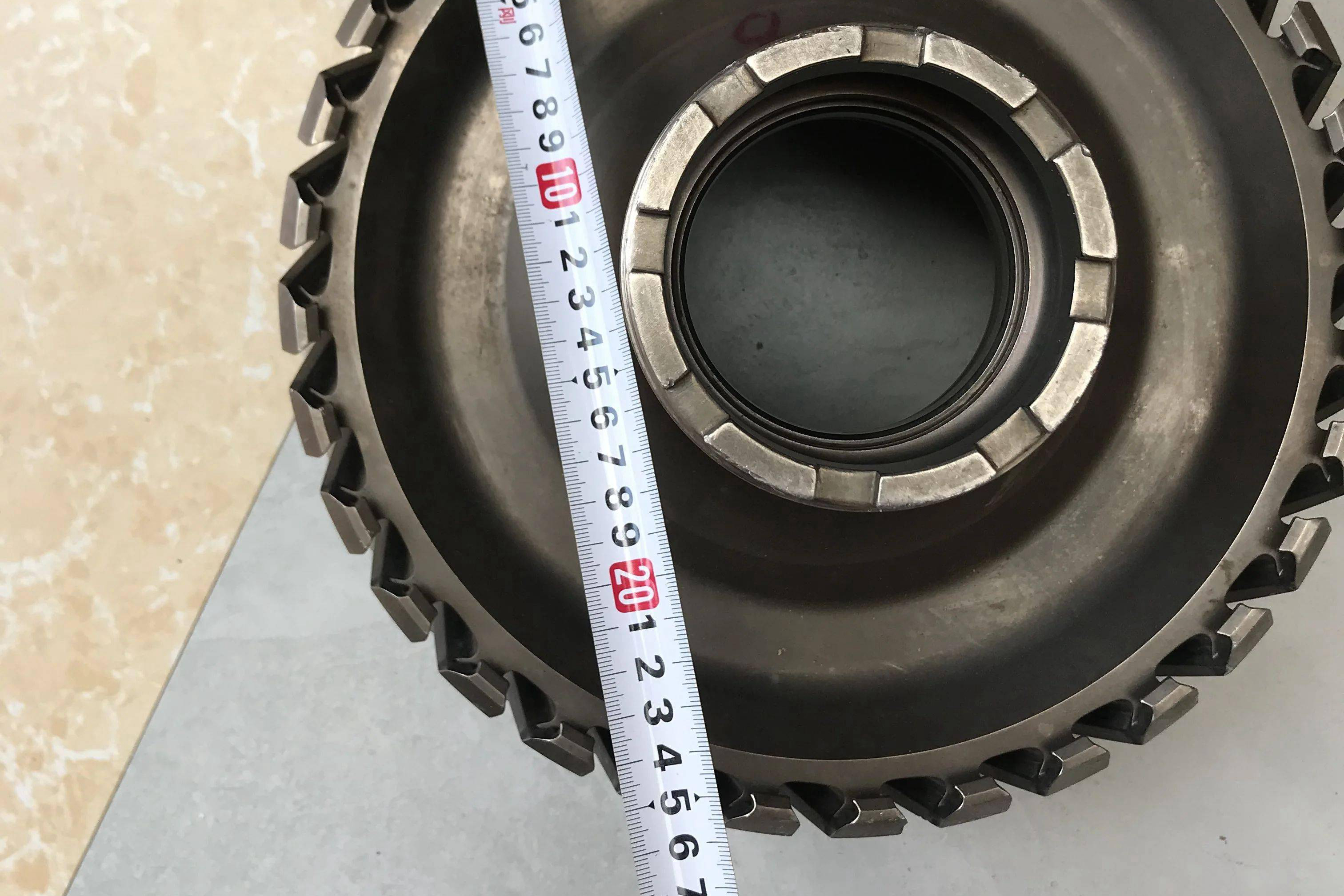
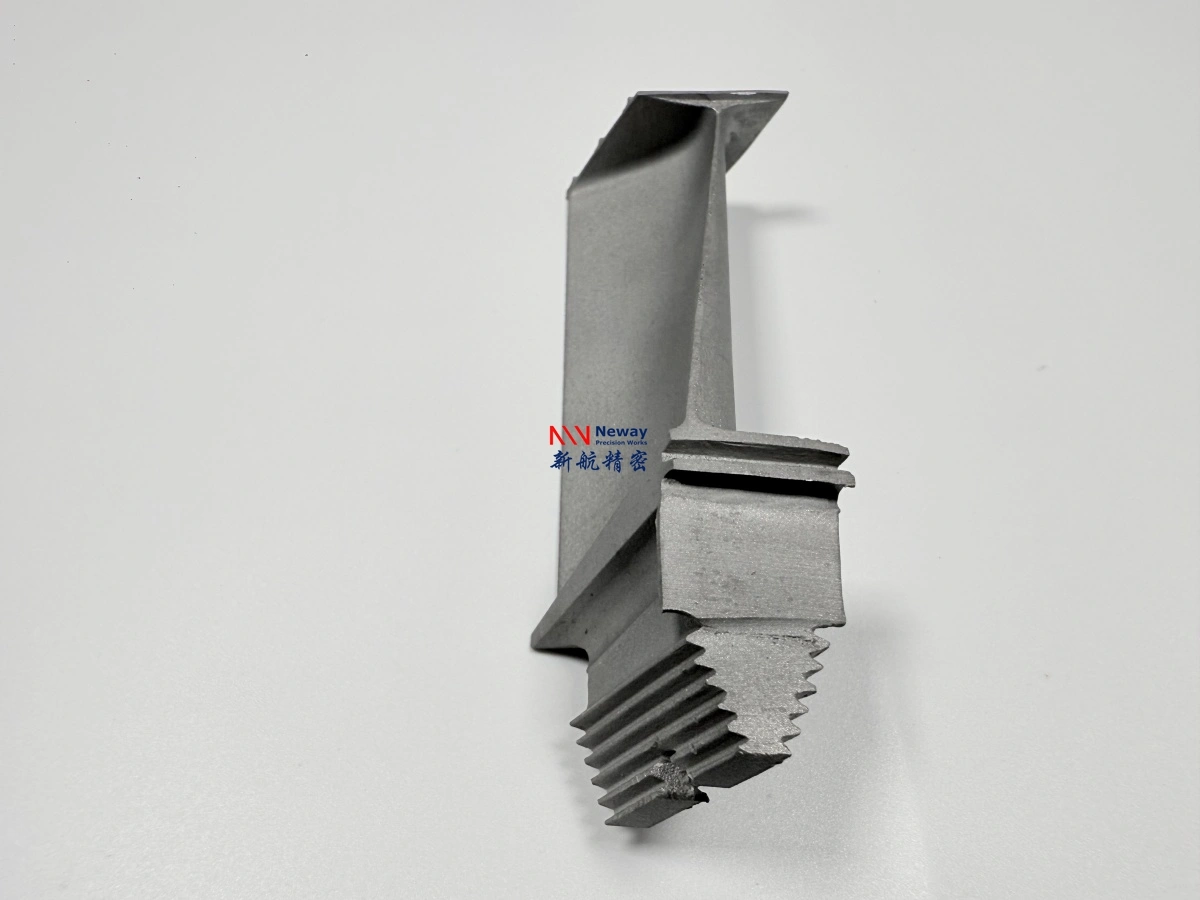
Packaging machinery operates at high repetition rates, making a uniform grain structure essential for durability. Powder metallurgy offers excellent microstructural control, minimizing segregation and significantly reducing wear and crack initiation in sliding or impact components. This technology, demonstrated in the manufacturing of powder metallurgy turbine discs, enables enhanced fatigue resistance and dimensional stability for precision packaging parts.
Improved Performance in High-Speed Applications
Accessories such as guide blocks, bushings, bearings, and precision cams benefit from powder metallurgy’s ability to produce high-strength alloys like Inconel 617 and Rene 65 with controlled grain size. These alloys withstand high wear zones and operational vibration, improving service life while reducing maintenance intervention on automated lines.
Compatibility with Machining and Assembly
Powder metallurgy components are often produced as near-net shapes, reducing machining time and material waste. They are easily combined with finishing techniques such as superalloy cnc machining and precision heat treatment for consistent assembly performance. Additionally, controlled surface hardness contributes to the optimized friction behavior required for reliable packaging movement.
Cost Efficiency and Prototyping Advantage
For modular packaging equipment, powder metallurgy enables faster prototyping without full tooling investment. Multiple alloy grades can be evaluated quickly through a combination of material testing and forming methods. This flexibility allows engineers to validate performance in applications such as sealing, feeding, or cutting systems before transitioning into mass production.