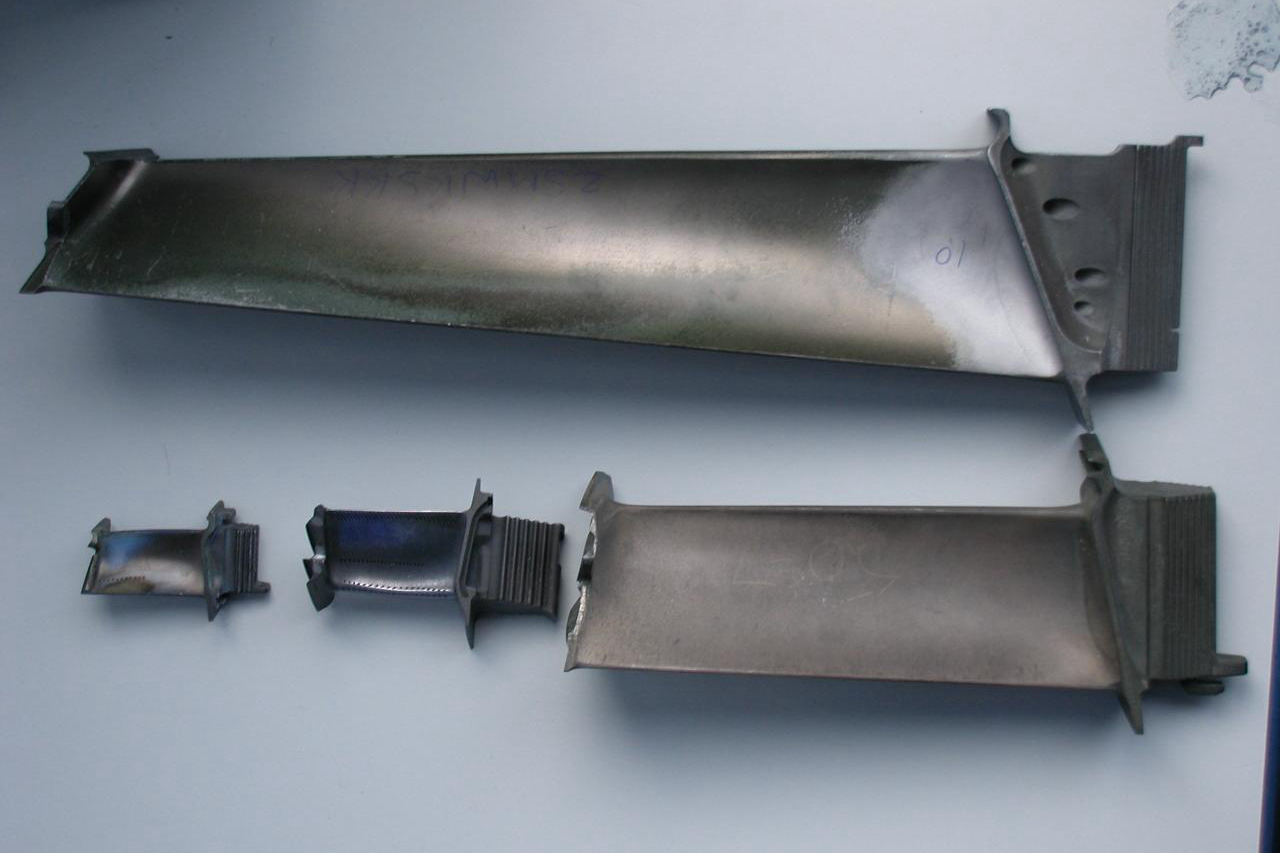
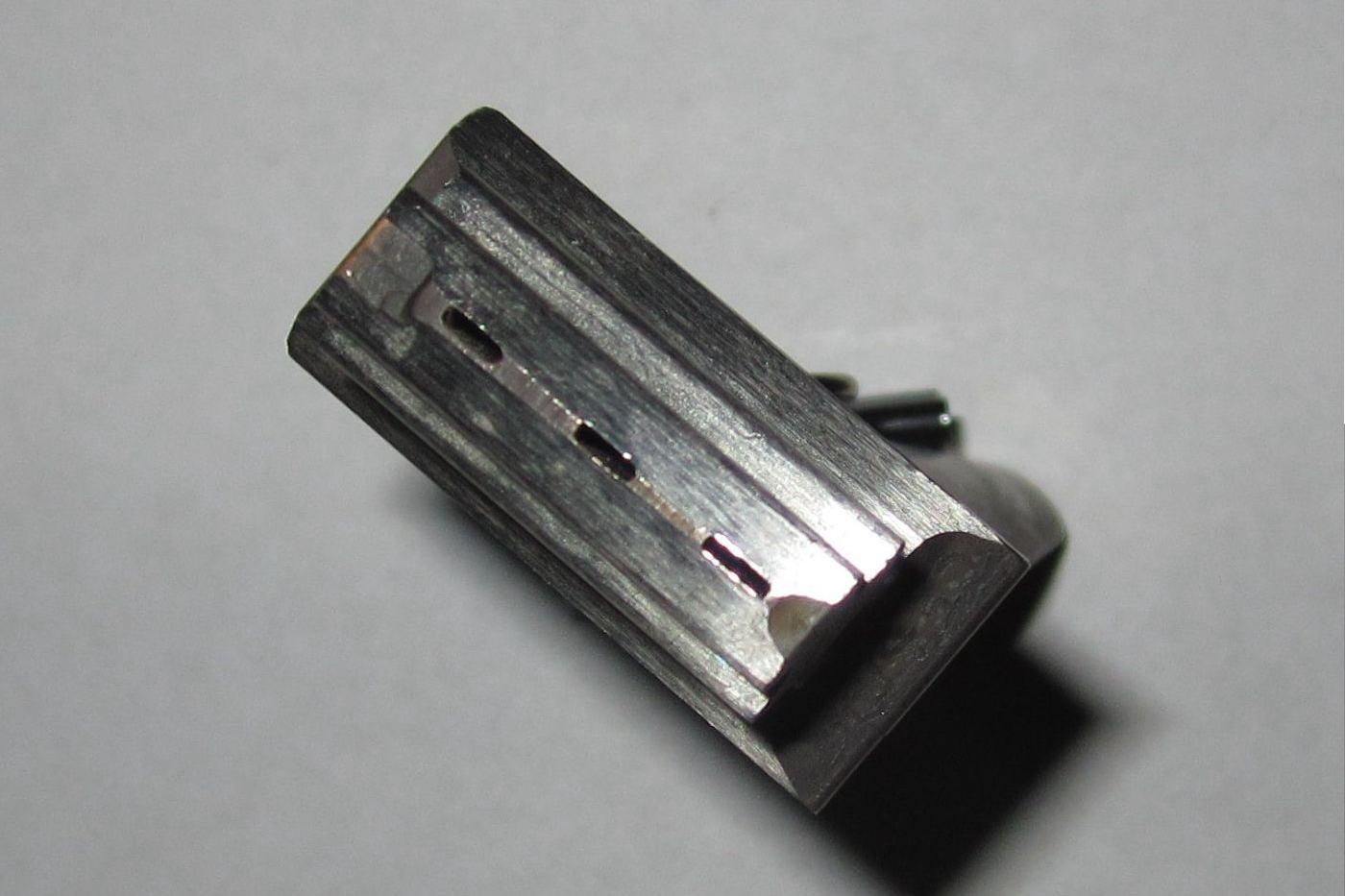
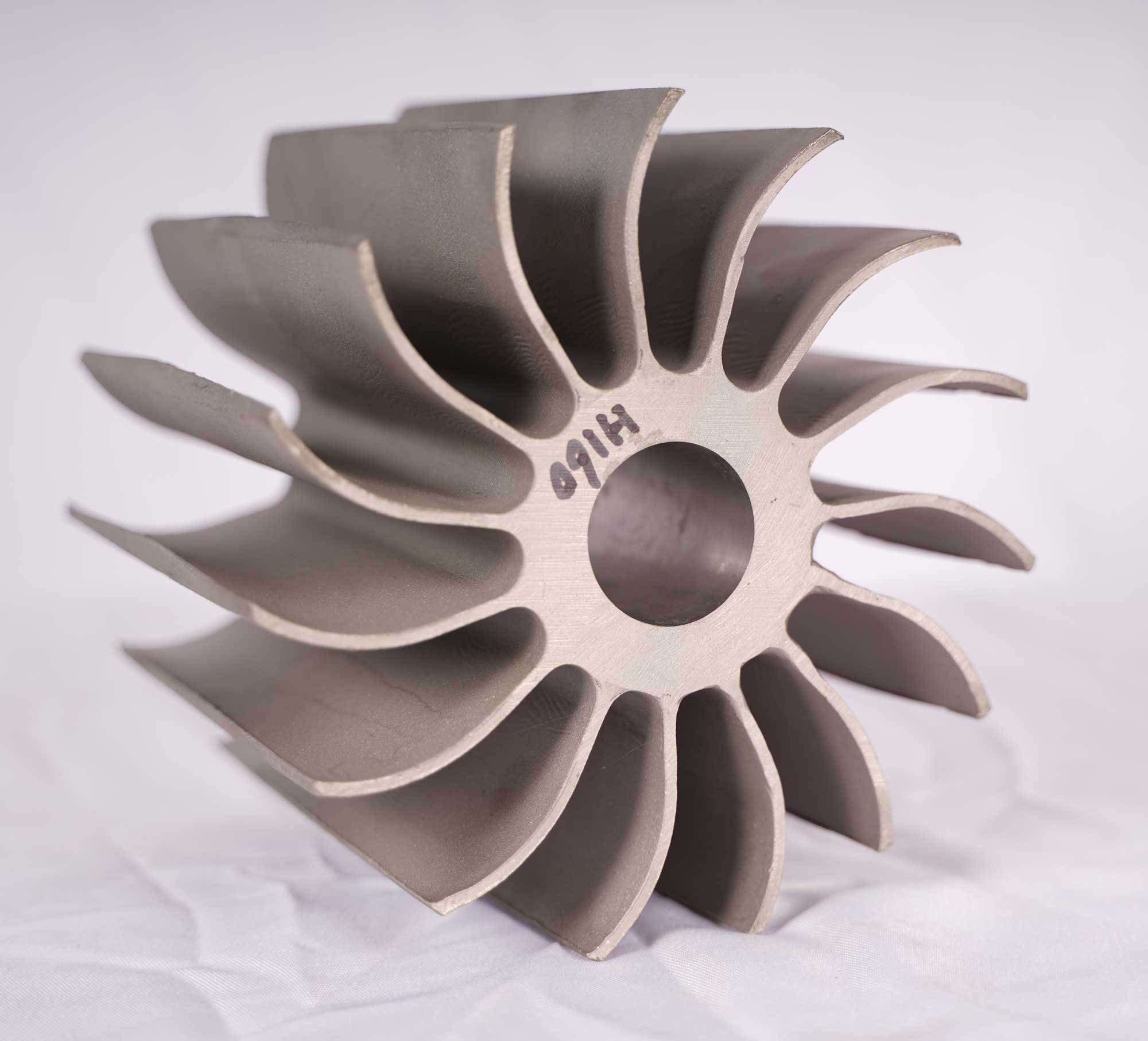
Oil and Gas High-Temperature Alloy Valve Components Manufacturing
An oil and gas high-temperature alloy valve component RFQ should start with service conditions, not with a generic valve label. Seat rings, cages, balls, stems, plugs, trim parts, bushings, guide sleeves, seal carriers, and body inserts may face different combinations of heat, sour media, chlorides, erosion, galling, pressure cycling, and machining accuracy. The buyer's first task is to define which surfaces see flow, which surfaces seal, which features guide motion, and which dimensions control assembly.
NewayAeroTech can review custom oil and gas high-temperature alloy components when buyers provide drawings, 3D models, material notes, operating media, quantity, delivery condition, and inspection requirements. The manufacturing scope can involve Hastelloy alloy vacuum investment casting, Inconel alloy vacuum investment casting, Stellite alloy casting, superalloy CNC machining, and material testing and analysis. The fit is custom special-alloy manufacturing based on buyer specifications, not catalog valve resale.
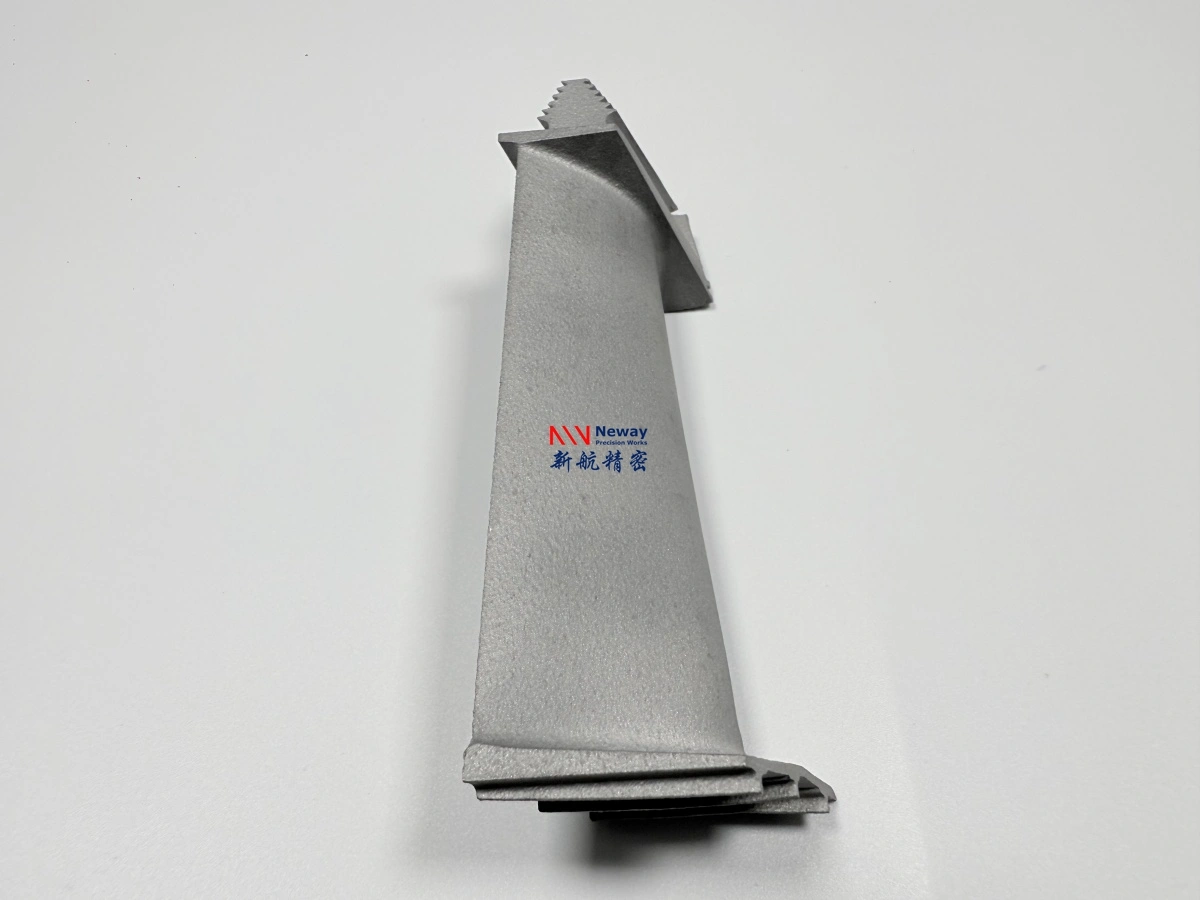
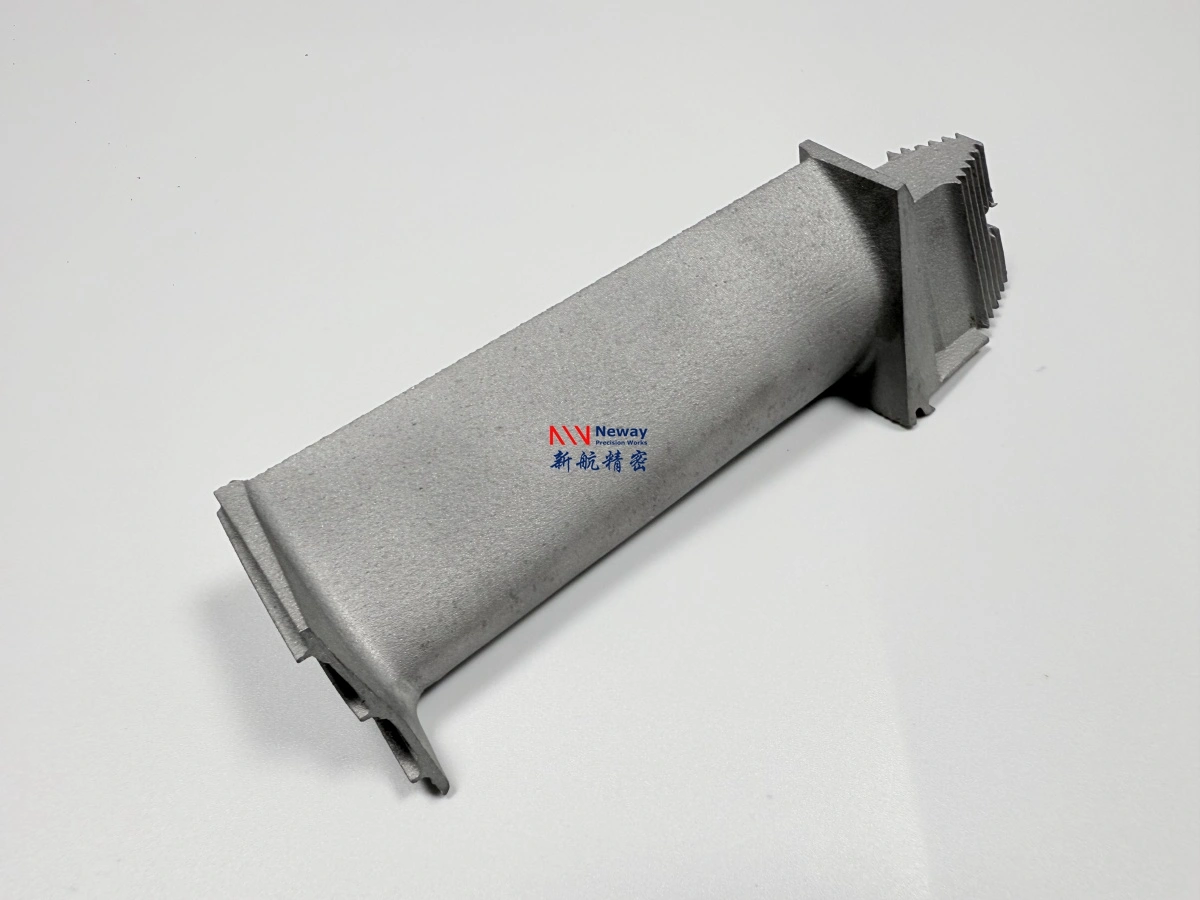
Valve Component Boundary Before Quotation
Valve component manufacturing changes sharply when the buyer moves from a general assembly name to the exact part boundary. A trim cage may need slot accuracy, flow-edge integrity, and erosion-resistant material. A seat ring needs sealing surface stock, concentricity control, and post-machining inspection. A stem or plug may need forged or machined stock rather than a casting route. A body insert can be suitable for casting when geometry, wall thickness, and final machining allowance support it.
The RFQ should state whether NewayAeroTech is quoting a casting blank, forged blank, machined component, or ready-for-assembly part. This boundary affects tooling, machining time, heat treatment, NDT, documentation, and responsibility for final fit. If the buyer sends only a valve assembly drawing, the supplier may not know which component surfaces are functional and which dimensions are reference only.
Valve component | Manufacturing risk | RFQ boundary to define |
|---|---|---|
Seat ring | Sealing face stock, concentricity, erosion, and corrosion exposure. | Blank or finished seal face, surface finish requirement, and inspection record. |
Trim cage | Flow windows, edge condition, wall thickness, and distortion after heat treatment. | Slot geometry, machining datum, and final dimensional evidence. |
Stem or plug | Strength, straightness, guide surface quality, and galling risk. | Forged or machined route, bearing surfaces, and material approval note. |
Body insert or sleeve | Pressure boundary interface, machining allowance, and material compatibility. | Delivery state, pressure-facing surfaces, and buyer assembly interface. |
Material Selection for Heat Corrosion and Wear
Hastelloy, Inconel, and Stellite are not interchangeable labels. Hastelloy grades are often discussed when corrosion media, acidic service, or chloride exposure dominates the buyer's concern. Inconel grades may be reviewed for heat, oxidation resistance, and strength in suitable high-temperature valve or flow-control components. Stellite and other cobalt-based alloys may be selected for wear-facing parts such as seats, trim, or sliding interfaces where galling and erosion are part of the operating problem.
The buyer should provide the required grade where the design already specifies it. If the grade is open, the RFQ should ask for manufacturability review and material discussion, not a final material decision without service data. Media chemistry, temperature range, pressure class, flow velocity, abrasive solids, cleaning chemistry, and mating material all affect whether a cast, forged, or machined special-alloy component is a sensible route.
Alloy family | Common buyer concern | Useful RFQ data |
|---|---|---|
Hastelloy alloys | Corrosion resistance in aggressive chemical or sour-service environments. | Media, concentration, temperature, pH range, and required grade. |
Inconel alloys | Heat, oxidation, and high-temperature strength in suitable valve components. | Temperature profile, mechanical load, drawing notes, and heat treatment condition. |
Stellite alloys | Wear, galling, erosion, and sliding contact on seats or trim parts. | Mating material, contact surface, flow particles, hardness expectation, and finishing scope. |
Mixed special alloys | One valve assembly using different alloys for different functions. | Part-by-part material map and assembly interface notes. |
Casting Forging and CNC Route Options
The manufacturing route should follow geometry and functional surfaces. Vacuum investment casting can support complex special-alloy valve parts with internal forms, curved flow paths, and near-net geometry when wall thickness, tooling, and alloy behavior are suitable. Forging or bar-stock machining may fit stems, shafts, simple plugs, and parts where wrought structure or straightness is the main concern. CNC machining is often required after casting or forging because sealing faces, bores, threads, grooves, and assembly datums rarely remain as-cast.
A good RFQ separates the route decision from the final machining promise. Buyers should mark which surfaces require finish machining, which features may stay as-cast, and which dimensions need reports. If hardfacing, weld overlay, heat treatment, or post-process cleaning is part of the buyer's scope, the supplier still needs to know the final interface condition expected at delivery.
Route | Where it may fit | Buyer decision point |
|---|---|---|
Vacuum investment casting | Complex special-alloy inserts, cages, sleeves, or corrosion-resistant parts with castable geometry. | Confirm wall thickness, allowance, tooling approach, and inspection zones. |
Forging plus CNC | Stems, plugs, shafts, or pressure-loaded parts where wrought stock is preferred by the design. | Define stock condition, heat treatment, machining allowance, and straightness control. |
Casting plus CNC | Seat rings, cages, inserts, and parts needing near-net shape plus sealing or assembly surfaces. | Mark machined faces, datum scheme, CMM report requirement, and surface finish. |
Stellite wear-surface route | Seats, trim, or wear surfaces needing cobalt-alloy wear resistance. | State whether the part is cast Stellite, Stellite insert, overlay, or buyer-side finishing. |
Pressure Corrosion and Temperature Data for RFQs
Oil and gas valve RFQs become risky when pressure, corrosion, and temperature are described only as "severe service." The supplier needs a useful operating envelope: media, pressure class, temperature range, thermal cycling, abrasive particles, H2S or chloride exposure when relevant, cleaning fluids, and whether the part is static, rotating, sliding, or sealing. These details do not replace the buyer's design authority, but they help the supplier avoid quoting the wrong material route or delivery condition.
Buyers should also identify the release level expected from the supplier. Some projects need only dimensional inspection and material records for prototype review. Others need chemical verification, hardness, FPI, radiographic inspection, CMM reporting, or mechanical testing based on the drawing. When the acceptance method is unclear, suppliers may quote a low-evidence manufacturing package that later fails the buyer's internal release process.
RFQ data | Why the supplier needs it | Quotation effect |
|---|---|---|
Media and corrosion data | Supports Hastelloy, Inconel, Stellite, or other special-alloy discussion. | Changes material review, heat treatment, and testing scope. |
Temperature profile | Separates continuous heat exposure from short thermal events. | Affects alloy selection, machining allowance, and post-process planning. |
Pressure and sealing function | Identifies seal faces, pressure-facing surfaces, and assembly interfaces. | Changes CMM, surface finish, and final machining requirements. |
Quantity and validation stage | Shows whether the project is sample review, prototype, or repeat production. | Changes tooling route, inspection budget, and batch documentation. |
Inspection Evidence and Supplier Boundary
Inspection evidence for special-alloy valve components should be tied to functional risk. CMM reporting may be needed for sealing faces, bores, datums, grooves, and assembly dimensions. FPI can support surface indication review after casting, machining, or finishing. X-ray or CT may be requested for cast parts where internal soundness, thick-to-thin transitions, or hidden geometry is relevant. Chemical analysis and hardness checks can support material identity and condition when required by the buyer's specification.
NewayAeroTech can quote manufacturing and inspection records when the buyer defines the requirement. It should not be asked to assume final valve design release or field-performance approval without the buyer's engineering process. The useful supplier boundary is clear: manufacture the special-alloy component to drawing and agreed inspection scope, report the evidence requested, and state any manufacturing limitations before the first article or sample lot moves forward.
RFQ Package for Custom Valve Component Manufacturing
A complete RFQ should include the 2D drawing, 3D model, material grade, required heat treatment, quantity, target delivery condition, machining surfaces, tolerances, surface finish, media exposure, temperature range, pressure or sealing function, inspection requirement, and whether samples are provided for reference. If an old part is supplied, the buyer should state whether wear, corrosion, deformation, or coating residue may be present. A used sample should not be treated as final design geometry when sealing faces or guide surfaces have been damaged in service.
Send NewayAeroTech the drawing package, material note, operating environment summary, and inspection expectations for oil and gas special-alloy valve components. The quotation can then separate material review, casting or forging route, CNC machining, post-processing, inspection evidence, and buyer validation responsibility, which is much more useful than asking for a broad "high-temperature valve part" price.
Related FAQs
What superalloys are most commonly used in subsea valve components?
How does vacuum investment casting contribute to the manufacturing of subsea valve components?
What are the key challenges in manufacturing subsea valve components from superalloys?
What are the main benefits of using superalloys in valve assemblies?
How do casting and forging processes differ in manufacturing valve assemblies?
What are the most common post-processing techniques for superalloy valve assemblies?
What is the role of CNC machining in producing superalloy valve assemblies?