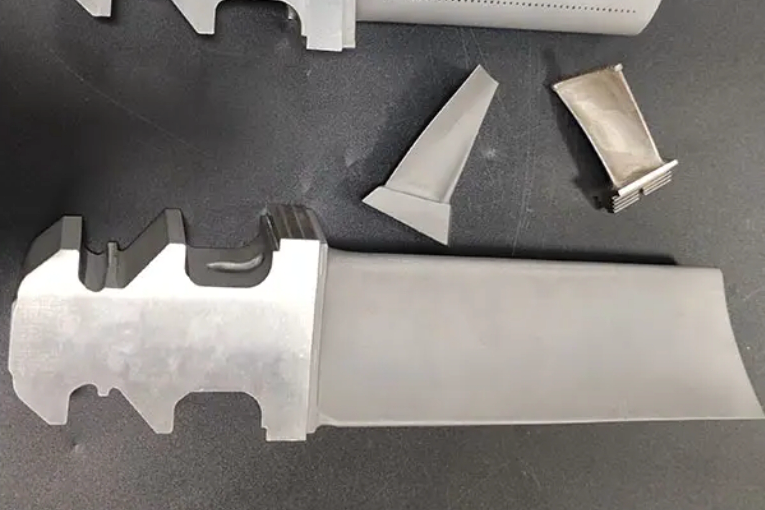
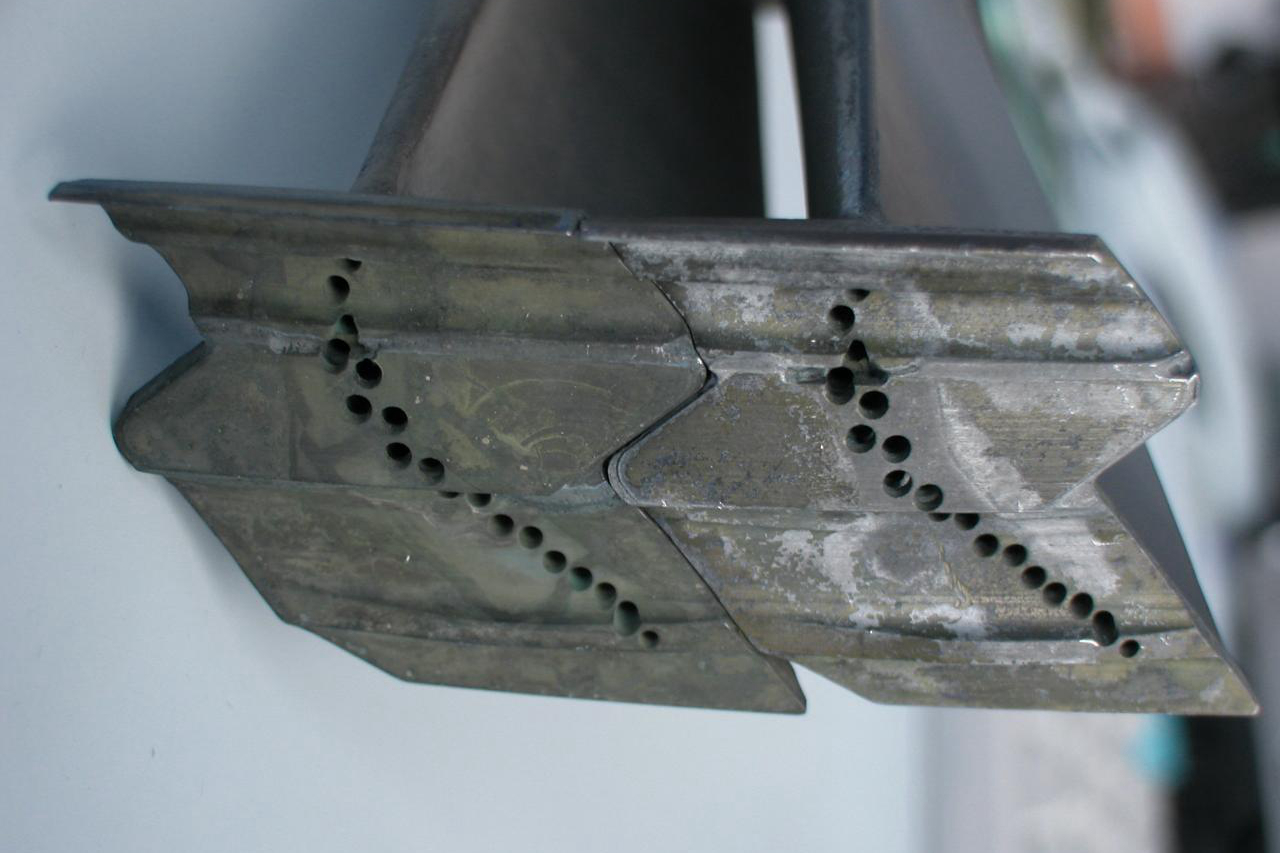
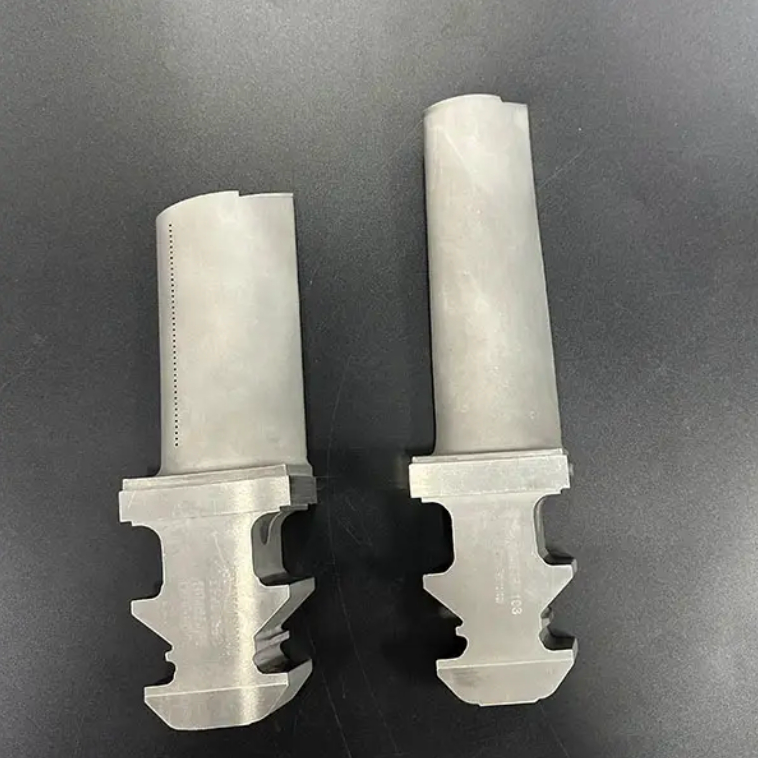
Nuclear Reactor Units Advanced Alloy Supplier For Critical Power Infrastructure
A nuclear-energy alloy RFQ should begin with the component boundary, customer specification, material traceability requirement, and inspection package. Reactor-adjacent hardware, heat-shielding parts, valve or pump alloy components, fixture parts, fasteners, and high-temperature support structures may all use advanced alloys, but each requires a different manufacturing review. NewayAeroTech can evaluate custom alloy components for energy infrastructure when the buyer provides drawings, 3D models, material standards, quantity, application environment, and acceptance evidence. Customer engineering teams remain responsible for final application approval and any regulatory route.
The practical question for buyers is whether a supplier can connect alloy sourcing, casting or machining route, heat treatment, post-processing, and testing records without making unsupported claims. Nuclear-related projects demand disciplined documentation. A quotation should identify exactly what is included: raw material evidence, process steps, NDT, dimensional inspection, surface treatment, heat-treatment records, packaging, and open technical assumptions. Anything not included should be visible before the buyer compares suppliers.
Define Whether the Part Is Safety-Critical, Auxiliary, or Test Hardware
Not every alloy part used in nuclear energy infrastructure carries the same approval burden. A non-pressure auxiliary bracket, heat-resistant fixture, valve accessory, pump component, or test-loop part may be reviewed differently from a safety-class component. The RFQ should state the part function, system boundary, drawing authority, material standard, inspection class, and whether customer approval is required before manufacturing. Without that boundary, a supplier may quote a general alloy part while the buyer expects a much stricter evidence package.
NewayAeroTech should be positioned as a custom manufacturing supplier, not as a reactor designer or a holder of customer-specific approvals unless those approvals are provided separately by the buyer. The supplier can review manufacturability, route selection, machining allowance, and material testing scope. The buyer should control the final drawing, required documentation, acceptance criteria, and use conditions.
Project boundary | Buyer should define | Supplier responsibility to quote |
Auxiliary high-temperature hardware | Part location, material grade, corrosion or heat exposure, quantity | Manufacturing route, raw material evidence, machining and inspection scope. |
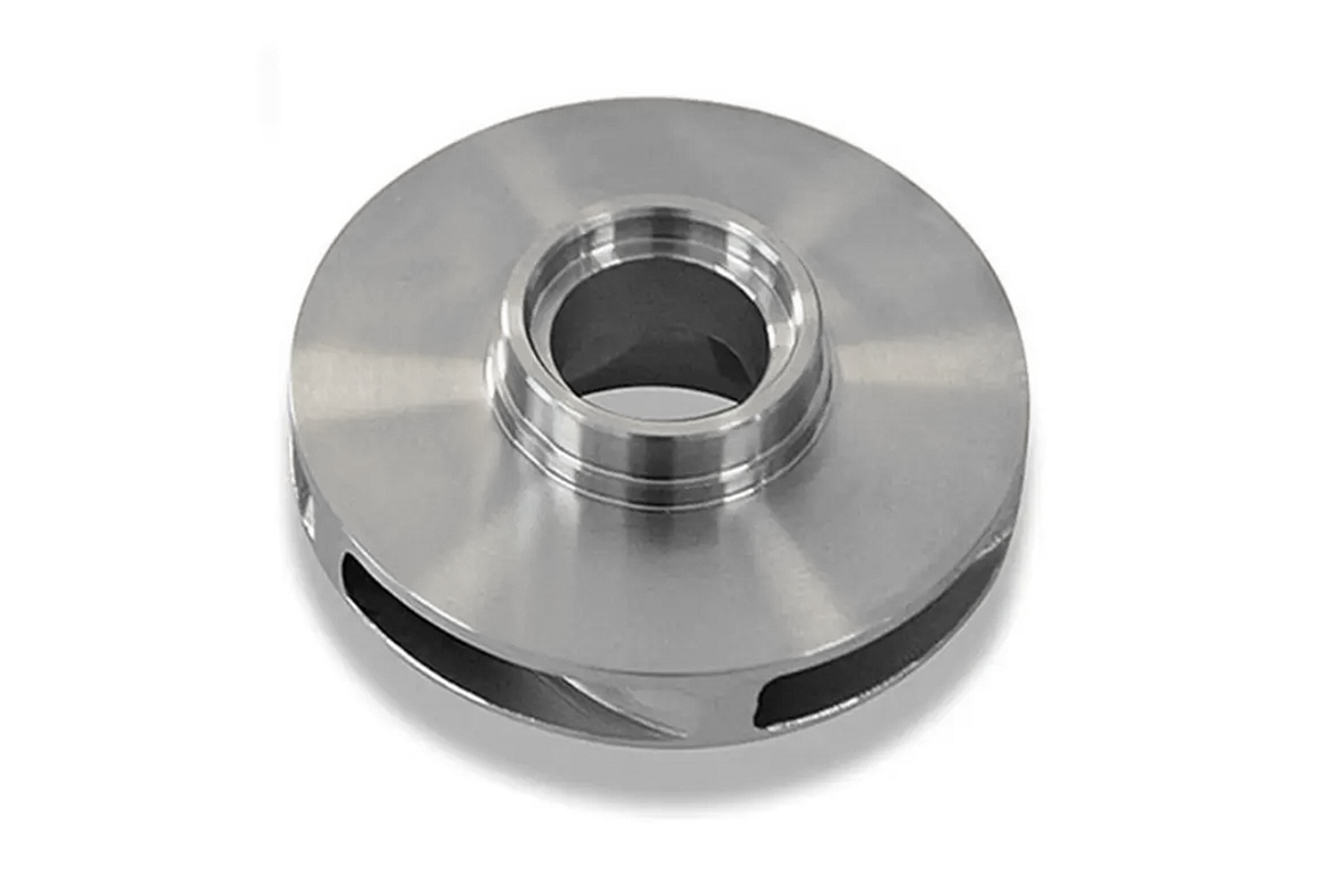
Valve, pump, or flow-control alloy part | Pressure-side surface, seat face, thread or bore, sealing interface | CNC route, heat treatment state, NDT if required, CMM report for critical dimensions. |
Fixture or test-loop component | Test environment, thermal cycles, sample or drawing authority | Material review, prototype route, dimensional evidence, and post-process requirements. |
Safety-class or regulated item | Customer approval path, quality plan, required records, restricted operations | Quote only after requirements are explicit; exclude unsupported approvals from the supplier scope. |
Choose Materials From Environment, Documentation, and Manufacturability
Material choice should follow the customer specification and the component environment. Nickel-based alloys may be selected for suitable high-temperature strength, oxidation resistance, or corrosion-resistant behavior. Inconel 718, Inconel 625, Hastelloy X, Hastelloy C-type grades, Stellite alloys, and selected stainless or cobalt-based alloys may enter review depending on the drawing, exposure, and manufacturing route. The supplier should not substitute materials casually when the project depends on traceability, chemical analysis, and customer approval.
NewayAeroTech can review advanced high-temperature alloy casting, vacuum investment casting, and machined alloy routes for custom nuclear-energy components. The route should connect the alloy to the part geometry. Complex cast shapes may need radiographic review or CT. Machined valve or pump parts may need bore, thread, and seal-face inspection. Welded or fabricated parts need a separate review of joint access, heat treatment, and surface condition.
Material decision | RFQ evidence needed | Reason for supplier review |
Customer-specified grade | Material standard, heat lot traceability, approved equivalent rule | Prevents uncontrolled material changes and supports document review. |
Corrosion-resistant nickel alloy | Fluid or atmosphere description, cleaning exposure, surface condition | Connects alloy choice to corrosion risk and required inspection records. |
High-temperature superalloy | Thermal exposure, load condition, casting or machining route | Checks feasibility, heat treatment, HIP review, and final machining stock. |
Wear-resistant alloy or overlay-compatible grade | Seat, guide, rubbing, or contact surface location | Clarifies hard-facing, coating, final machining, and inspection scope. |
Manufacturing Route Must Show Every Operation Included in the Quote
A quotation for nuclear-energy alloy parts should not be a single-line price for “manufacturing.” The buyer should see the route: material procurement, casting or blank preparation, heat treatment, HIP if required, CNC machining, EDM or drilling, surface treatment, cleaning, inspection, and documentation. Superalloy CNC machining may dominate cost for valve bodies, seal faces, ports, grooves, and threaded interfaces. Casting may dominate risk when the component has curved geometry, internal features, or local wall-thickness sensitivity.
When the RFQ includes an old sample, the manufacturing route also needs a reverse-engineering boundary. A worn part may show corrosion pits, rubbed surfaces, distortion, or repair marks. Those features should be recorded but not automatically used as final geometry. The buyer should approve which surfaces are design intent, which surfaces are service damage, and which dimensions must be recreated from the drawing rather than the sample.
Heat Treatment, HIP, and Surface Processing Need Explicit Acceptance Rules
Post-processing is where many alloy RFQs become unclear. Heat treatment may be needed to reach the specified material condition or reduce machining-related stress. HIP may be considered for cast superalloy components where internal soundness risk is part of the specification. Coating, surface preparation, cleaning, passivation, polishing, or hard-facing compatibility may also be required depending on the part. NewayAeroTech can review heat treatment, hot isostatic pressing, and superalloy post-process scope when the buyer defines the required condition.
The RFQ should state whether each post-process is mandatory, conditional, or excluded. If a coating is required, define whether the supplier must deliver a coated part, a machined part ready for coating, or a surface-prepared part without coating application. If heat treatment is required before final machining, the supplier should account for dimensional movement and cleanup stock. If HIP is requested, the buyer should define whether inspection happens before HIP, after HIP, or both.
Post-process item | When it should be discussed | Buyer data to include |
Heat treatment | Specified alloy condition, distortion control, stress relief, or final property review | Required condition, sequence, report format, and inspection after treatment. |
HIP | Cast superalloy soundness risk or customer specification | Required cycle responsibility, pre/post inspection, and acceptance evidence. |
Surface treatment or coating preparation | Corrosion, oxidation, seat contact, or cleaning requirements | Surface roughness, masking, coating boundary, and final inspection state. |
Cleaning and packaging | Parts entering controlled energy-system assembly areas | Cleanliness expectation, packaging instruction, marking, and document package. |
Inspection Evidence Should Be Mapped to Risk Areas
Inspection should prove the features that carry project risk. For cast alloy parts, FPI or DPI can review surface-connected indications, while X-ray or CT can support internal soundness review when specified. For CNC-machined valve, pump, or fixture components, CMM reporting may be more important than broad visual inspection. Material-sensitive nuclear-energy components may require chemical analysis, heat lot traceability, hardness testing, metallography, mechanical testing, or heat-treatment records. The exact requirement should come from the drawing or purchase specification.
NewayAeroTech can support material testing and analysis for custom alloy components. The buyer should identify critical dimensions, pressure-side or contact surfaces, internal soundness regions, required sample quantity, report language, and rejection rules before manufacturing begins. A supplier that cannot describe inspection responsibility clearly is difficult to compare with a supplier offering a complete route and document package.
First Article Review Is the Safest Place to Close Open Assumptions
For small-batch nuclear-energy alloy components, first-article review should close assumptions before repeat production. The buyer should compare the finished part to the drawing, material requirements, process route, NDT results, dimensional report, surface condition, and any approved deviations. If the first article is a prototype, it should be labeled that way so no one treats it as a production-approved component. If the first article is production-intent, the supplier should know which evidence must be repeated for later lots.
This step is especially useful when the project starts from a sample, a legacy drawing, or an incomplete material note. NewayAeroTech can identify missing RFQ inputs and route risks, but the buyer should decide whether to revise the drawing, change the material note, add inspection requirements, or release the batch. A clear first-article gate reduces ambiguity without requiring the supplier to make unsupported design or approval claims.
RFQ Checklist for Nuclear-Energy Alloy Components
Send the 2D drawing, 3D model, material grade, quantity, component function, safety or auxiliary classification if applicable, operating environment, surface finish, heat treatment, HIP or coating requirement, inspection standard, report requirements, sample photos, and drawing revision. Mark any pressure-side surface, seat face, seal interface, bore, thread, or mounting feature that controls acceptance. State whether the quote should include only a blank, a machined part, or a finished component with documentation.
Ask the supplier to return a route table, material evidence, included post-process steps, inspection deliverables, exclusions, and open engineering questions. NewayAeroTech is suitable for custom drawing-based alloy manufacturing and inspection-supported supply; requests for complete reactor design responsibility, unprovided approvals, or catalog spare-part resale should be kept outside the manufacturing quote.
Related FAQs
What Materials Are Best Suited for Nuclear Reactor Unit Components?
How Do Manufacturers Ensure the Reliability of Reactor Units Under Extreme Conditions?
What Are the Primary Testing Methods Used in Quality Control for Nuclear Reactor Units?
What Are the Main Post-Processing Treatments for Reactor Unit Components?
What are the key superalloys used in nuclear energy components?
How does Hot Isostatic Pressing improve the quality of nuclear energy components?
What testing methods are essential for ensuring the quality control of nuclear superalloys?
For nuclear-energy alloy RFQs, the safest buying approach is to define component responsibility, material records, post-process scope, and inspection evidence before comparing prices. NewayAeroTech can review custom high-temperature alloy parts based on drawings and customer specifications, subject to project requirements and approval boundaries.