What are the key superalloys used in nuclear energy components?
Exceptional Performance Under Radiation and Heat
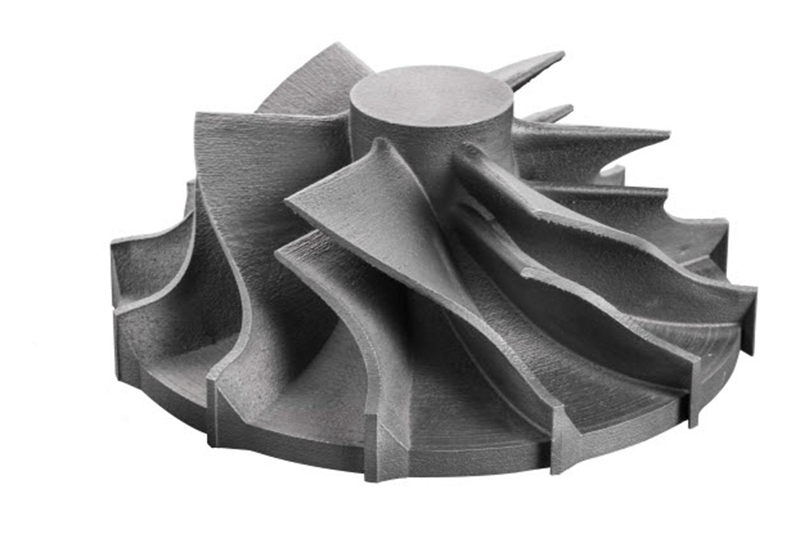
Nuclear reactors demand materials that retain mechanical strength and corrosion resistance while exposed to intense neutron radiation and high temperatures. Superalloys play a vital role in core internals, control rod drive mechanisms, turbine components, and heat exchangers. Advanced manufacturing methods such as vacuum investment casting, equiaxed crystal casting, superalloy precision forging, and powder metallurgy turbine disc production enable precise microstructural control for these demanding applications.
Nickel-Based Alloys for Core and Turbine Applications
Nickel-based systems dominate nuclear environments due to their superior resistance to creep and corrosion. Key alloys include Inconel 600 and Inconel 690, commonly used in steam generator tubing and reactor internals. Inconel 718 provides strength for fasteners and rotating components. Advanced grades, such as Hastelloy X and Hastelloy C-22, offer enhanced oxidation and carburization resistance for high-temperature service, while Monel 400 performs reliably in primary coolant systems where chloride-induced cracking is a risk.
Cobalt- and Iron-Based Superalloys for Radiation Resistance
Cobalt-based alloys such as Stellite 6B and Stellite 21 are widely used in valve seats, control rod drive sleeves, and wear-resistant components. Their hardness retention and resistance to radiation-induced embrittlement make them ideal for reactor hardware. In parallel, Nimonic 90 and Nimonic 263 provide stability under prolonged thermal cycles within turbines operating in nuclear power generation.
Advanced Post-Processing and Integrity Enhancement
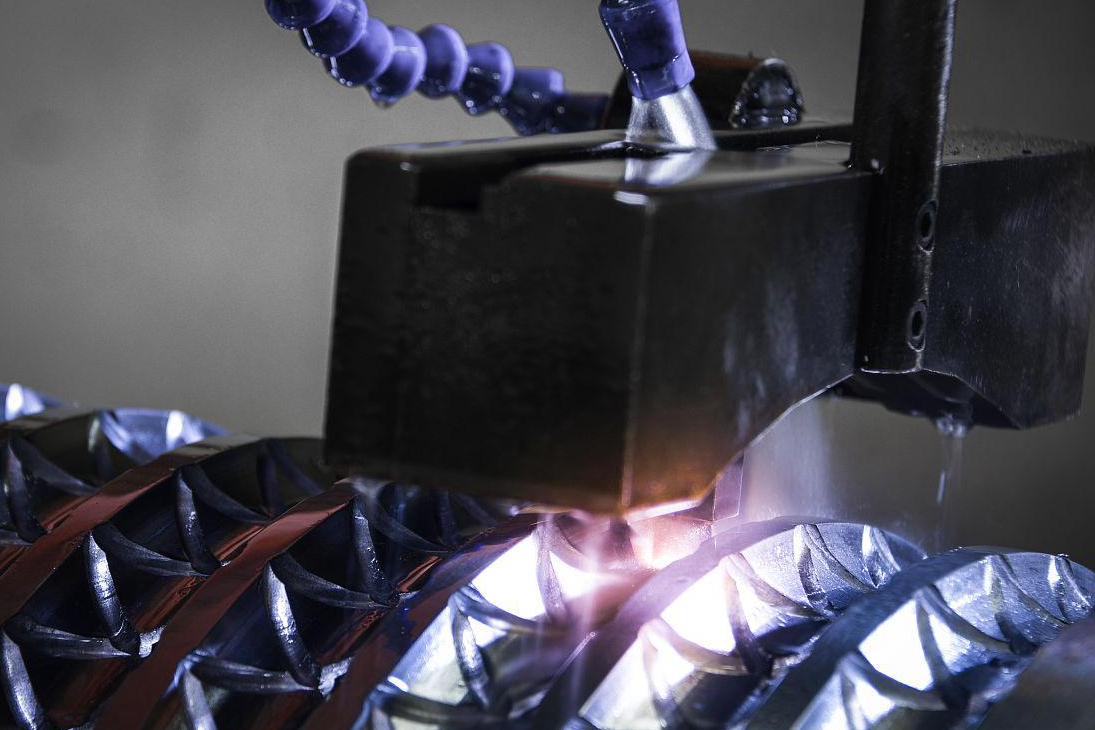
For safety-critical nuclear applications, post-process integrity is ensured through hot isostatic pressing (HIP) and superalloy heat treatment, which refines the grain structure and eliminates porosity. Superalloy CNC machining allows high-precision component finishing under tight tolerance control. Surface protection via thermal barrier coatings (TBC) further extends service life in turbine blades and heat-exposed reactor structures.
Nuclear Industry Applications
Superalloys enable robust and long-life solutions for nuclear power generation, energy sector, and defense nuclear systems. Their stable microstructure, radiation resistance, and high thermal strength ensure continued reliability under extreme conditions where conventional alloys would degrade.