What Materials Are Best Suited for Nuclear Reactor Unit Components?
Material Demands in Nuclear Reactor Environments
Nuclear reactor components face some of the harshest conditions in engineering, including intense radiation, high temperatures, high pressures, and corrosive coolant exposure. Selecting materials that can endure these environments is critical for ensuring structural stability, neutron economy, and long-term operational safety. High-performance superalloys, stainless steels, and titanium alloys are among the most reliable materials for nuclear applications, each offering unique advantages for specific reactor components.
Nickel-Based Superalloys
Nickel-based alloys, such as Inconel 690, Inconel 718, and Hastelloy X, exhibit outstanding oxidation and corrosion resistance in both steam and pressurized water reactor (PWR) environments. These alloys maintain mechanical strength above 700°C and resist radiation-induced embrittlement, making them ideal for steam generator tubing, control rod drive mechanisms, and pressure vessel internals.
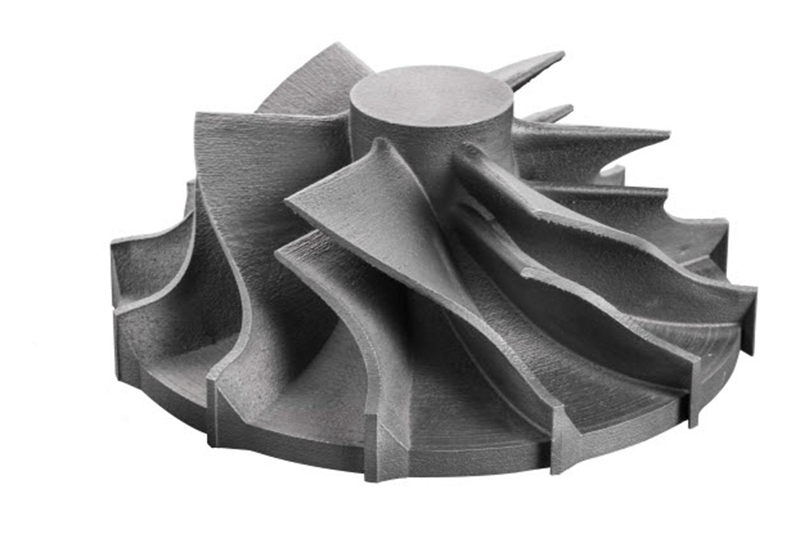
Hastelloy C-22 and Rene 80 are also used in high-temperature reactor cores, where dimensional stability and creep resistance are crucial for maintaining a long service life. These materials are often produced through vacuum investment casting to ensure minimal inclusion content and superior control over their microstructure.
Cobalt- and Iron-Based Alloys
Cobalt-based materials such as Stellite 6 are preferred for valve seats, sealing surfaces, and wear-resistant components due to their exceptional hardness and corrosion resistance in hot water or liquid metal environments. Iron-based superalloys like Nimonic 90 also offer good neutron absorption resistance and mechanical strength under irradiation.
Post-fabrication treatments, including superalloy heat treatment and hot isostatic pressing (HIP), further enhance the density and stability of these materials, ensuring consistent performance under neutron flux and pressure cycling.
Titanium and Specialty Alloys
In systems exposed to water chemistry and corrosion, titanium alloys such as Ti-6Al-4V (TC4) and Ti-6Al-2Sn-4Zr-6Mo are favored for their superior corrosion resistance and compatibility with reactor coolants. Their lightweight design and excellent fatigue resistance make them suitable for use as auxiliary components and fasteners within containment structures.
Additionally, nickel-chromium-based special steel castings are often used in reactor vessel internals and piping where dimensional accuracy and creep resistance are crucial.
Industrial Application in Nuclear Systems
In the nuclear industry, these alloys are applied across multiple reactor types, including PWR, BWR, and fast breeder systems. Their ability to retain strength and resist radiation swelling under prolonged exposure ensures structural reliability and safety over decades of continuous operation.
Conclusion
The best materials for nuclear reactor components combine corrosion resistance, thermal stability, and radiation tolerance. Nickel-based superalloys, cobalt-based wear-resistant materials, and titanium alloys—enhanced by precision casting and post-process treatments—provide the performance required for safe and efficient nuclear energy generation.