How does Hot Isostatic Pressing improve the quality of nuclear energy components?
Densification and Elimination of Internal Defects
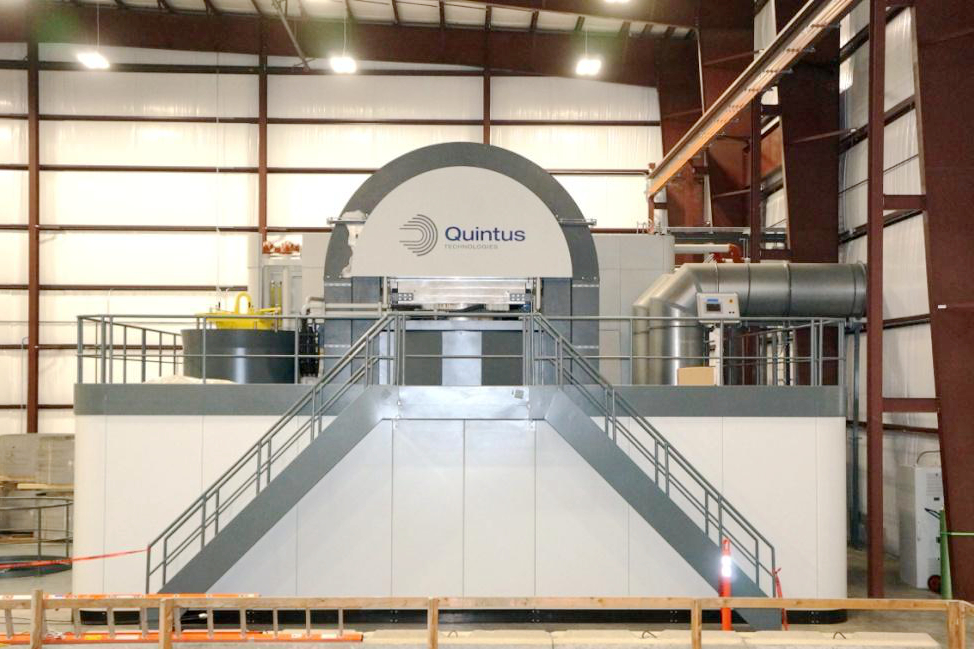
Hot Isostatic Pressing (HIP) is crucial for ensuring the structural integrity of nuclear energy components that operate under extreme pressure and temperature conditions. The process subjects cast or additively manufactured parts to high temperature (typically 1100–1250°C) and uniform gas pressure (up to 200 MPa), which collapses internal voids and eliminates micro-porosity. This densification enhances fatigue resistance and reduces the risk of crack initiation, making HIP a crucial process after vacuum investment casting and powder metallurgy turbine disc manufacturing.
Improved Mechanical Properties and Fatigue Life
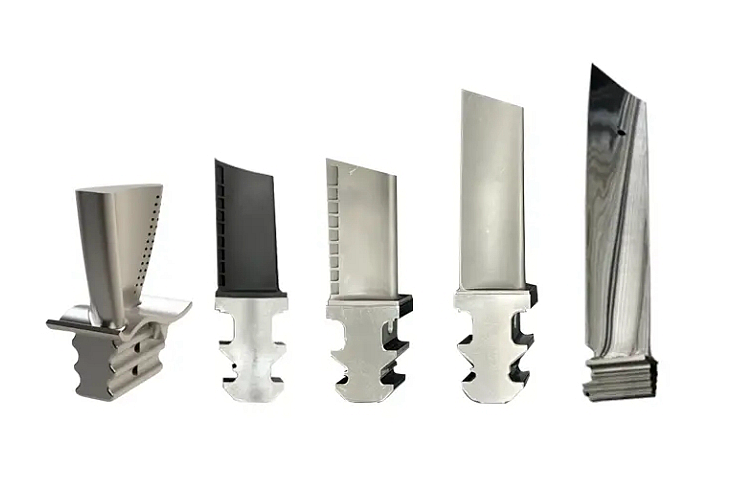
Nuclear components such as reactor vessel internals, steam generator tubing, and turbine blades experience long-term thermal stress and neutron radiation exposure. HIP-treated superalloys, such as Inconel 718, Hastelloy X, and Nimonic 263, exhibit enhanced creep strength, tensile properties, and fracture toughness. The uniform diffusion bonding achieved during HIP processing strengthens grain boundaries, reducing susceptibility to stress corrosion cracking under pressurized water reactor conditions.
Enhanced Bonding for Complex Superalloy Structures
HIP supports the consolidation of near-net-shape parts and diffusion bonding of multi-material structures, a key advantage for advanced nuclear turbine and heat exchanger assemblies. Combining HIP with superalloy precision forging or directional casting ensures microstructural uniformity and minimizes residual stress. In advanced additive and superalloy 3D printing components, HIP closes the internal porosity inherent to layer-by-layer fabrication, resulting in mechanical performance equivalent to that of wrought material.
Corrosion Resistance and Thermal Stability
By eliminating voids and refining grain structure, HIP enhances the corrosion resistance of superalloys used in the nuclear energy sector and power generation systems. This is crucial in environments containing water, boric acid, and radiation-induced oxidative species. Following HIP, post-processing steps such as heat treatment and thermal barrier coating (TBC) optimize surface properties and thermal cycling resistance, ensuring a long service life and compliance with safety standards for nuclear plant components.
Applications in Advanced Reactor Designs
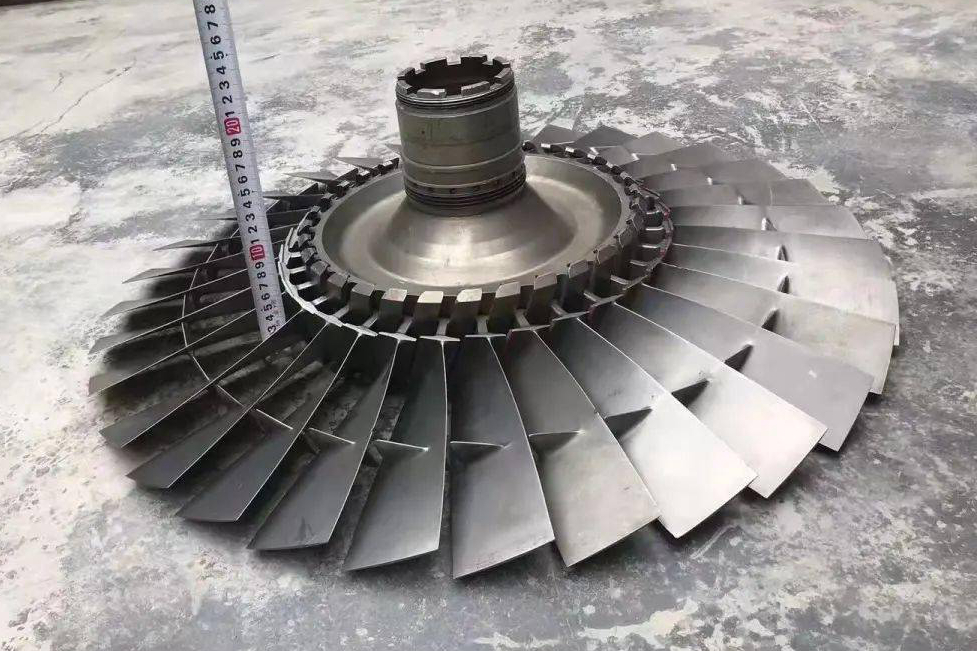
HIP technology is central to manufacturing new-generation nuclear parts, including fuel cladding, turbine rotors, and heat exchanger modules for modular and fusion reactor systems. In these critical applications, HIP improves metallurgical bonding, eliminates potential failure sites, and enhances the reliability of performance. By integrating HIP with superalloy CNC machining and nondestructive testing, manufacturers achieve consistent mechanical performance that meets stringent ASME and ASTM nuclear codes.