Nickel-Based Alloy Distillation Equipment Modules Supplier
A distillation-equipment-module RFQ should define process media, temperature, vapor and liquid contact surfaces, and assembly scope before material selection. Distillation modules can include tray supports, distributors, downcomer details, valve-like internals, nozzle inserts, baffles, seal rings, heating-zone fittings, brackets, and corrosion-resistant connection parts. Some components contact process liquid. Others sit in vapor, condensate, or heated zones. A quote should show which surfaces are wetted, which surfaces seal, and which features are only structural.
NewayAeroTech supports nickel-based and corrosion-resistant alloy components for harsh process equipment through vacuum investment casting, special alloy casting, precision forging review, CNC machining, heat treatment, post-process work, and material testing. The buyer should state whether the request is for a cast blank, a machined module part, a forged component, a prototype, or a replacement based on a used sample.
Define process media and module scope before quoting
The first review should identify the media and module function. A vapor distributor needs flow openings and clean passages. A tray support needs load path and corrosion exposure review. A nozzle insert may need bore geometry, edge condition, and surface finish. A seal ring needs flatness and material compatibility. A heated fitting may need temperature stability and machined interfaces. These details affect route, inspection, and price more than the general phrase distillation module.
Buyers should provide media notes, operating temperature, pressure or vacuum notes, cleaning medium, whether chloride or acidic species are present, and whether the component sees continuous or intermittent exposure. If the full process chemistry cannot be shared, the buyer should at least describe the corrosion concern and failure mode. That allows the supplier to review alloy family and manufacturing risk without pretending to own the full process design.
Sample-based replacement work needs a clear boundary. Used distillation parts may be corroded, scaled, warped, or contaminated. A sample can show installation and flow geometry, but damaged edges and corrosion loss should not automatically become nominal dimensions. The buyer should define acceptance by drawing, model, or agreed first-article notes.
Select nickel alloy by corrosion, heat, and cleaning exposure
Nickel-based alloys may be reviewed when distillation parts face combined temperature, corrosive media, and mechanical loading. Hastelloy alloy casting may be discussed for severe corrosion environments. Inconel alloy casting may be reviewed when heat and strength are part of the requirement. Monel, stainless, or other materials may be considered when media and joining conditions support them.
The material should be selected for the local component risk. A baffle may need corrosion resistance and stiffness. A nozzle insert may need clean machining and erosion-resistant edges. A bracket may need load capacity and heat stability. A seal ring may need surface finish and compatibility with adjacent materials. The RFQ should state which risk is driving the alloy choice.
Cleaning exposure is important. Some distillation equipment sees aggressive cleaning cycles or residue removal between runs. If cleaning chemistry can affect the supplied part, it should be disclosed. Surface preparation and post-process requirements should follow that exposure rather than being treated as a generic finish.
Choose casting for complex flow and support parts
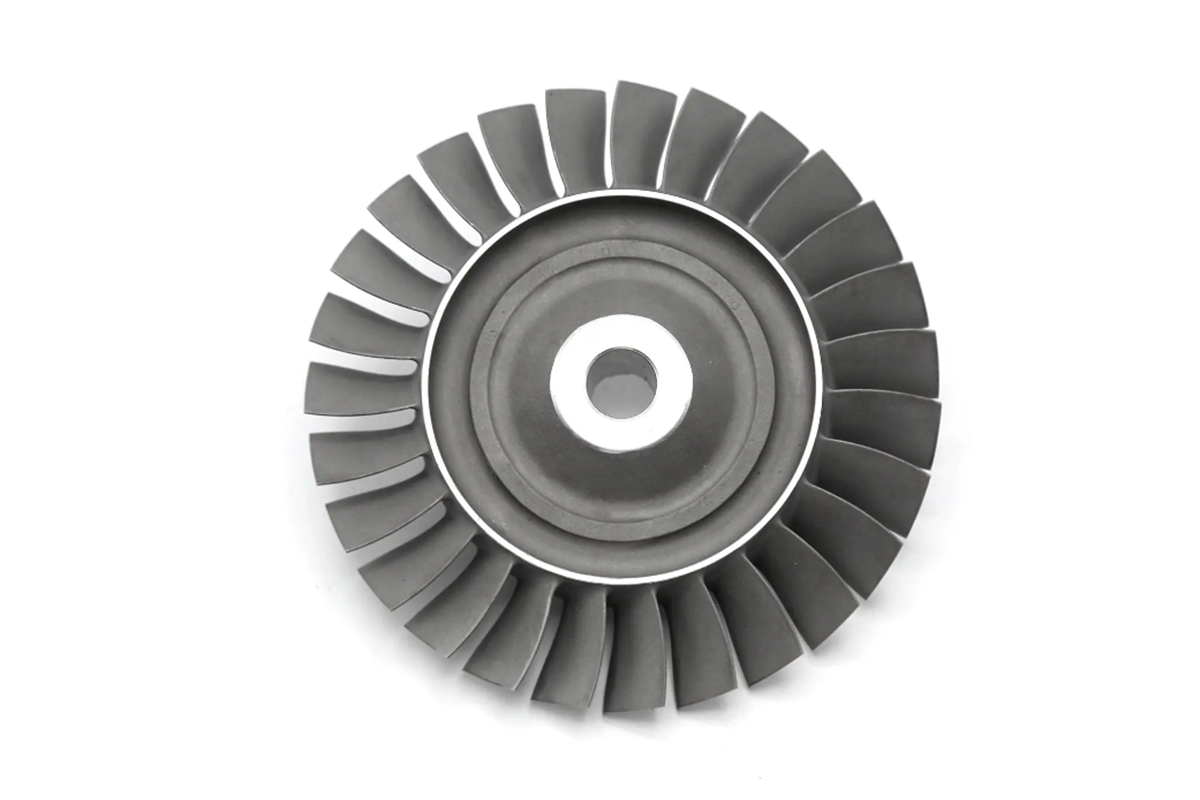
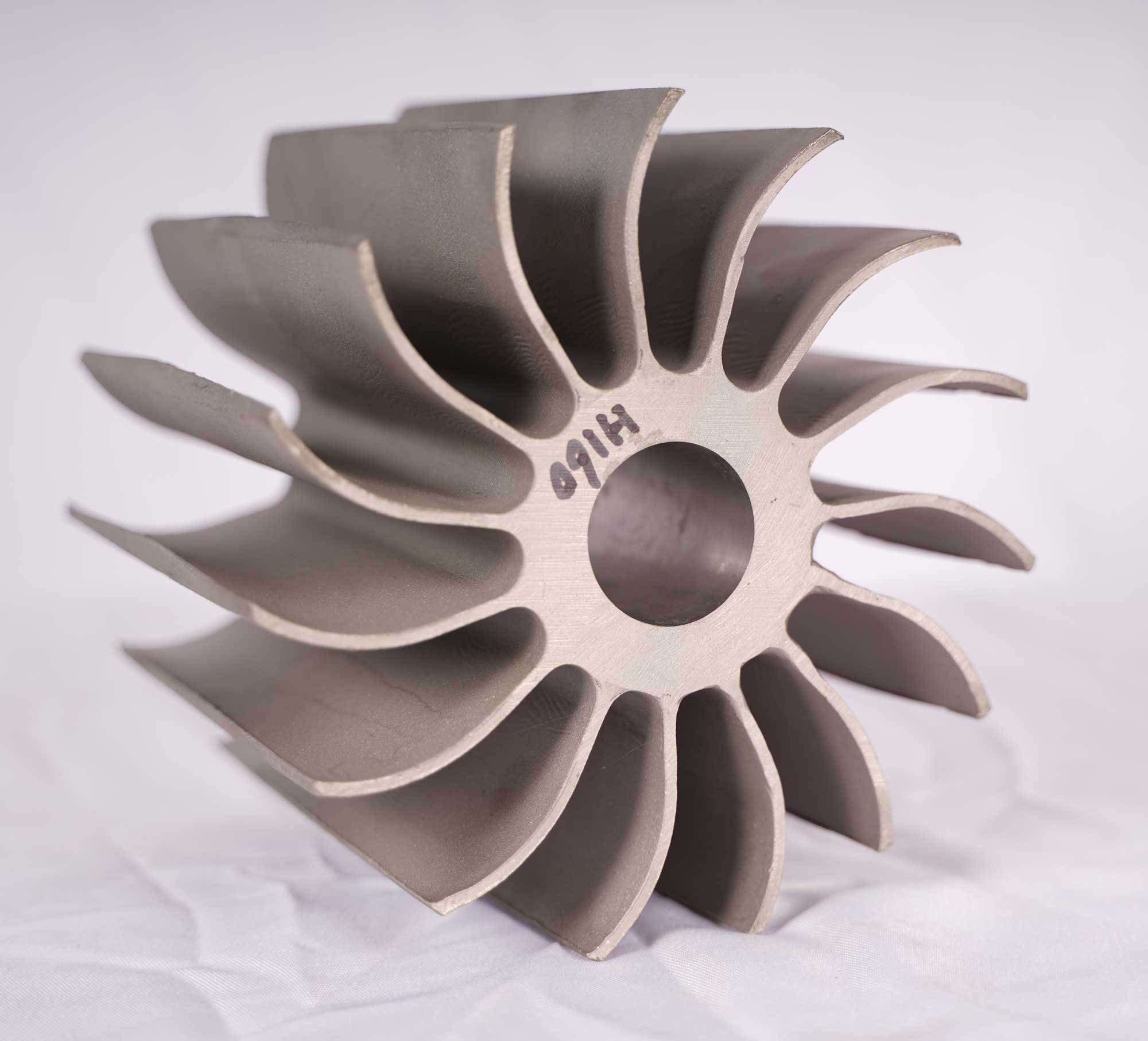
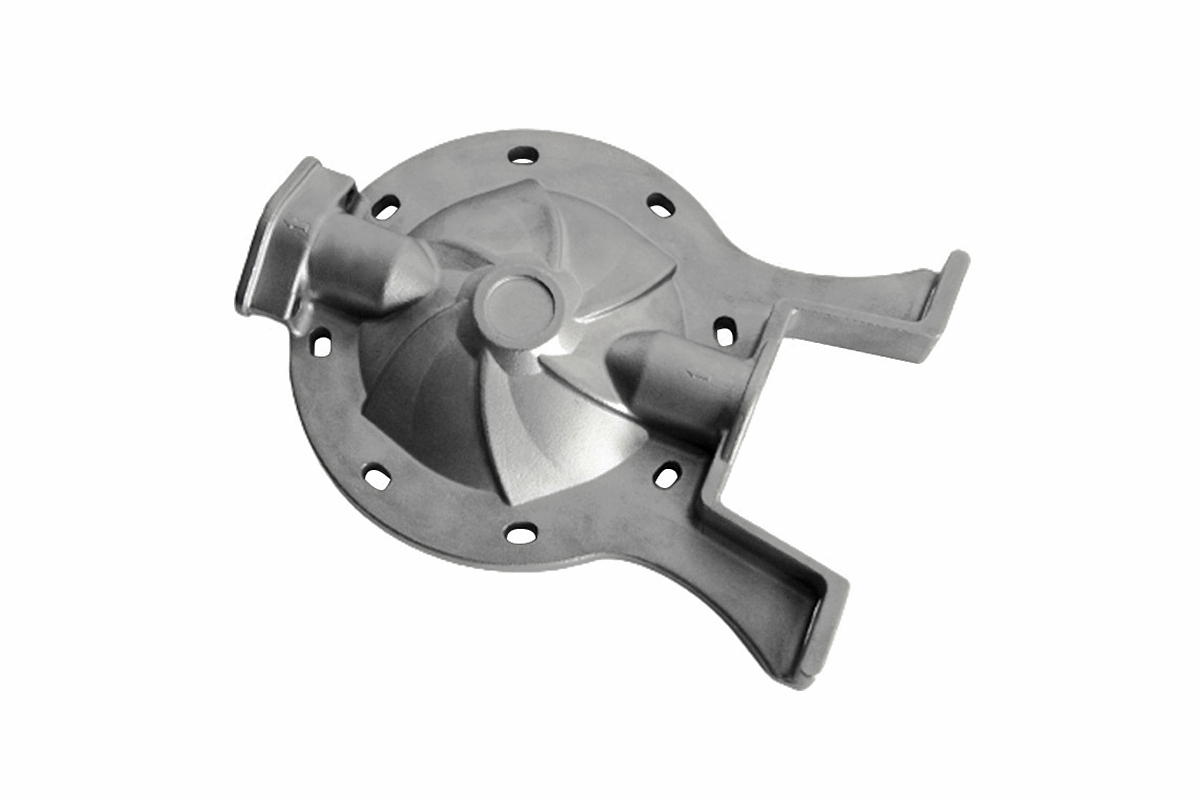
Vacuum investment casting can support distributors, fittings, brackets, flow inserts, and irregular module parts with integral bosses or curved surfaces. A near-net casting can reduce material waste while leaving stock on sealing and mounting faces. It also requires tooling, gating review, shrinkage control, surface cleanup, and first-article measurement. The quote should state whether NewayAeroTech supplies a raw casting, machined casting, or finished component.
Machining from billet may be better for simple rings, plates, spacers, and early prototypes. Superalloy CNC machining controls bores, holes, grooves, flatness, and thread features. When a forged route is suitable, superalloy precision forging may be reviewed for part forms that benefit from deformation processing. Powder metallurgy should be discussed only when the design and material route justify it.
Route choice depends on geometry and quantity. A one-off replacement may be machined. A repeated complex fitting may justify casting tooling. A high-load support detail may require a different route from a flow distributor. The supplier response should explain why the route matches the part.
Control seal faces, passages, and cleanliness before delivery
Distillation module parts often contain openings, slots, grooves, and sealing interfaces. Seal faces need flatness and finish. Flow passages need clean edges and no trapped residue. Bolt holes need position and thread condition. Support surfaces need stable datums. The RFQ should mark these surfaces and identify which are final-machined.
Machining allowance should be planned around corrosive and heated surfaces. Too little stock can leave casting variation at a sealing surface. Too much stock can raise cost or distort thin features. If a part will be heat treated, final machining may need to happen afterward on critical surfaces. If a part has small slots, EDM or special fixturing may need review.
Post-process cleaning and packaging should be included when the component will enter process equipment. Chips, abrasive media, shell residue, or oils can create installation or contamination issues. Post-process work should be linked to the actual surfaces and media exposure.
Sequence heat treatment and inspection around acceptance surfaces
Heat treatment should follow alloy and route needs. If thermal processing can affect flatness, bore size, or slot position, final machining and inspection should happen after the process. If a component has both thick bosses and thin walls, the supplier should review distortion risk before committing to the route.
Material testing and analysis should answer corrosion, soundness, and fit risks. Inspection may include chemistry, dimensional report, visual inspection, penetrant inspection, radiographic review where agreed, hardness checks where required, surface finish, and cleanliness evidence. The buyer should select evidence that matches the part, not every possible test.
For cast components with thick sections, HIP may be reviewed if internal soundness is important. It should be tied to material, geometry, and inspection evidence, not added automatically.
Define supplier scope and material-change boundary
Distillation equipment module RFQs often start when an existing component corrodes, plugs, warps, or becomes difficult to source. If the buyer wants to change material, the RFQ should state who owns the material decision and what validation is required after the first article. NewayAeroTech can advise on manufacturability, machining risk, heat treatment, inspection evidence, and corrosion-related process questions, but complete process-unit approval should remain with the buyer unless a separate engineering scope is agreed.
Supplier scope should be precise. A casting blank quote is not equivalent to a finished machined part with cleaned passages, sealed packaging, and inspection reports. If the buyer needs a part ready for installation, the quote should include final machined surfaces, cleaning scope, records, and protection during shipment. If downstream machining or joining is handled elsewhere, datum and stock assumptions should be stated so the next operation is not forced to guess.
Adjacent materials and gaskets should be shared where possible. A new alloy may change thermal expansion, galvanic behavior, or seal compression against the mating component. These interface details help the supplier review the part responsibly without taking ownership of the whole distillation module design.
Use first articles to confirm route and corrosion-sensitive features
A first article should prove the chosen route for the exact distillation component. For a cast distributor or fitting, it should check stock, passage cleanup, surface condition, and final machined faces. For a machined seal ring, it should check flatness, finish, and edge condition. For a forged or powder-route component, it should confirm the inspection evidence agreed in the RFQ.
Small-batch supply needs revision control and cleaning records. If a drawing changes after first article review, the supplier should know which features changed. If a used sample is involved, corrosion loss and deposits should be documented before approval. If the buyer needs protective packaging or cleaning documentation, that scope should be included before quotation. The first-article record should also list unresolved media, gasket, or surface questions before the next release and supplier batch review records clearly.
What to send for a distillation equipment module RFQ
A complete RFQ includes drawings, models, material requirement, media notes, temperature, pressure or vacuum notes, cleaning exposure, quantity range, sample photos if available, critical surfaces, downstream assembly notes, and inspection requirements. For chemical processing and energy equipment, the process media and module function are more useful than the industry label.
The supplier response should separate alloy review, casting or machining route, forging or powder assumptions where relevant, machining stock, heat-treatment sequence, post-process cleaning, inspection evidence, and open technical questions. If the quote covers only one module part rather than the complete distillation unit, that boundary should be explicit.
NewayAeroTech's value is connecting nickel-based alloy manufacturing to corrosion, heat, flow, fit, and inspection evidence. A clear RFQ gives both sides a controlled path from sample or drawing to small-batch distillation component supply.
Related FAQs
What benefits do nickel superalloys offer in distillation equipment modules?
How does vacuum investment casting enhance distillation component quality?
What advantages does powder metallurgy provide for distillation module parts?
How does isothermal forging improve distillation component manufacturing?
Which inspection methods ensure reliability of distillation equipment modules?