What benefits do nickel superalloys offer in distillation equipment modules?
High Temperature and Oxidation Resistance
Distillation modules often operate at elevated temperatures where stability and phase accuracy are critical. Nickel-based superalloys such as Inconel 690 and Inconel 625 retain mechanical strength and structural stability during prolonged thermal exposure. Their oxidation resistance ensures minimal scale buildup on contact surfaces, improving heat transfer efficiency and reducing downtime for maintenance.
Corrosion Resistance in Chemical Media
Distillation equipment must withstand acidic, chloride-based, and hydrocarbon-rich process streams. Nickel superalloys such as Hastelloy C-2000 and Monel 400 are widely used due to their resistance to pitting, stress corrosion cracking, and chemical attack. These materials reduce corrosion-related failures and extend operational lifespan—especially important in chemical processing applications.
Manufacturability and Complex Designs
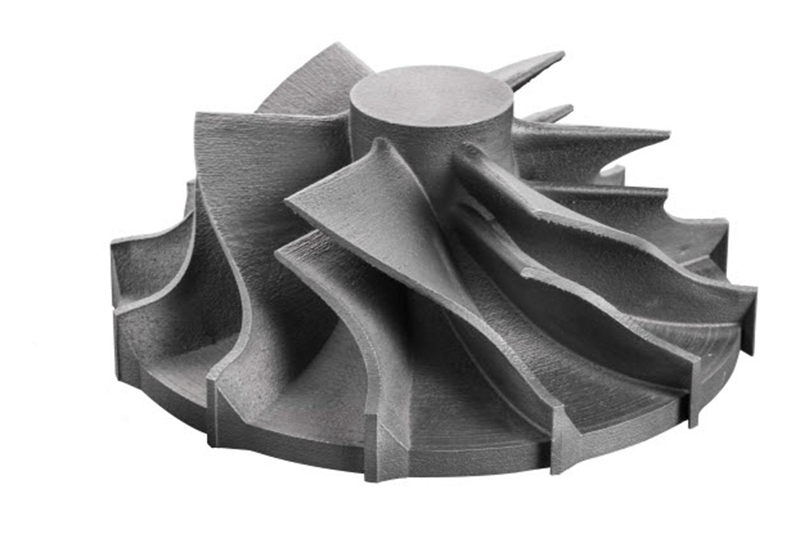
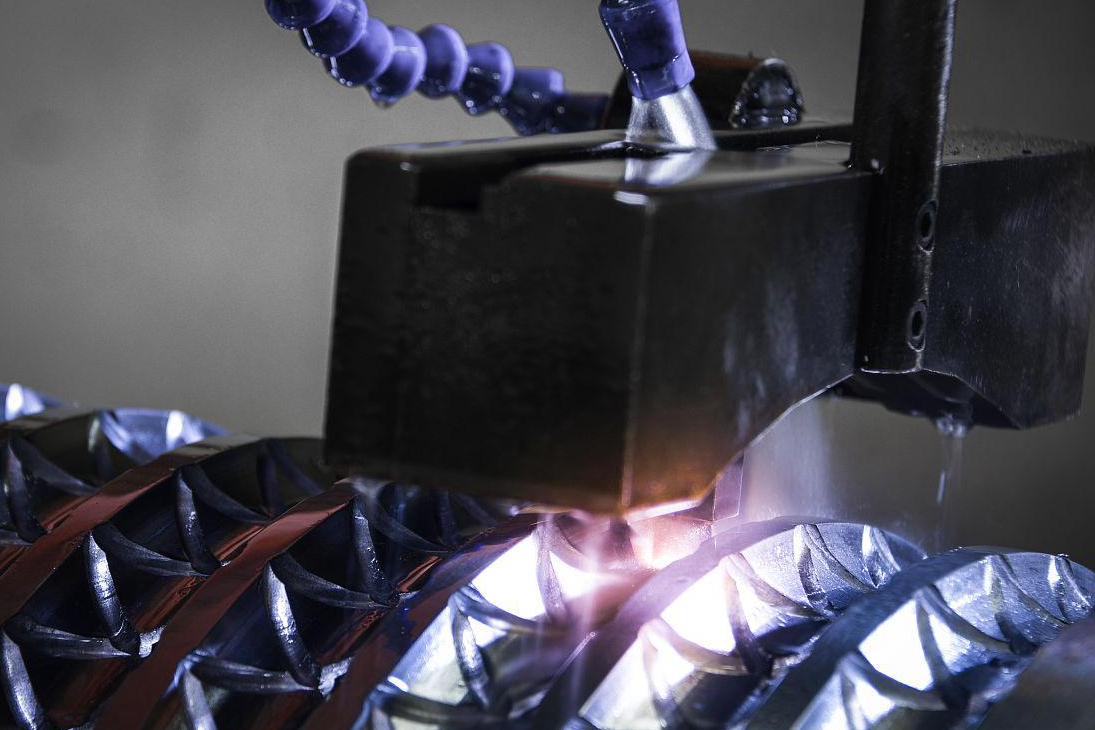
Distillation modules often require intricate channel networks or pressure-resistant geometries. Techniques like vacuum investment casting and superalloy CNC machining enable precise manufacturing while maintaining structural integrity. For next-generation designs, internal structures can be optimized using superalloy 3d printing, allowing improved vapor-liquid distribution and better thermal performance.
Long-Term Operational Stability
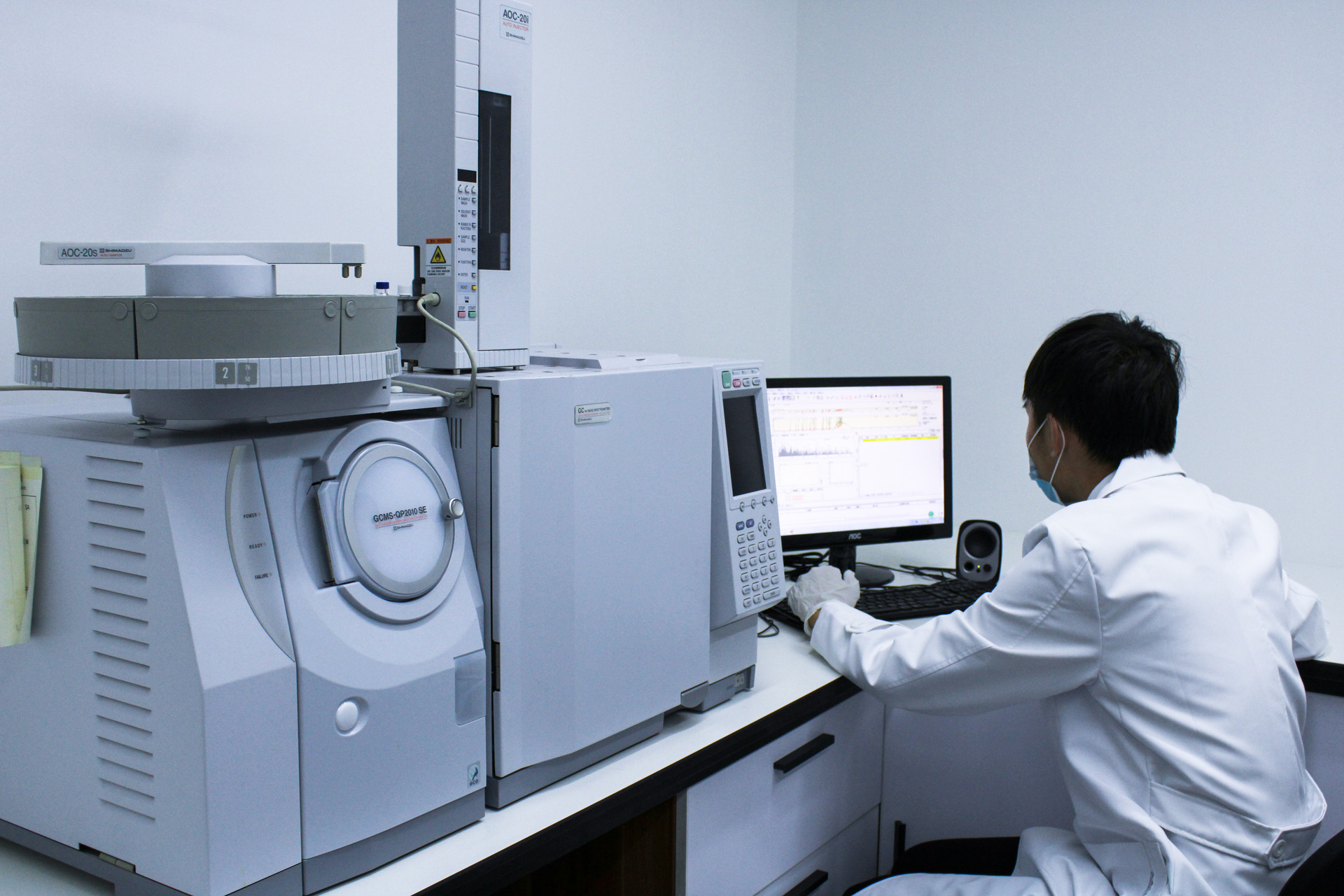
To ensure process reliability, nickel superalloy components undergo qualification via material testing and analysis, pressure cycling, and corrosion simulation. This makes them suitable for applications in oil and gas and thermal fluid processes where downtime is costly. With appropriate heat treatment, grain stability is maintained, ensuring consistent strength and dimensional accuracy over extended operational periods.