Which inspection methods ensure reliability of distillation equipment modules?
Material Evaluation and Chemical Analysis
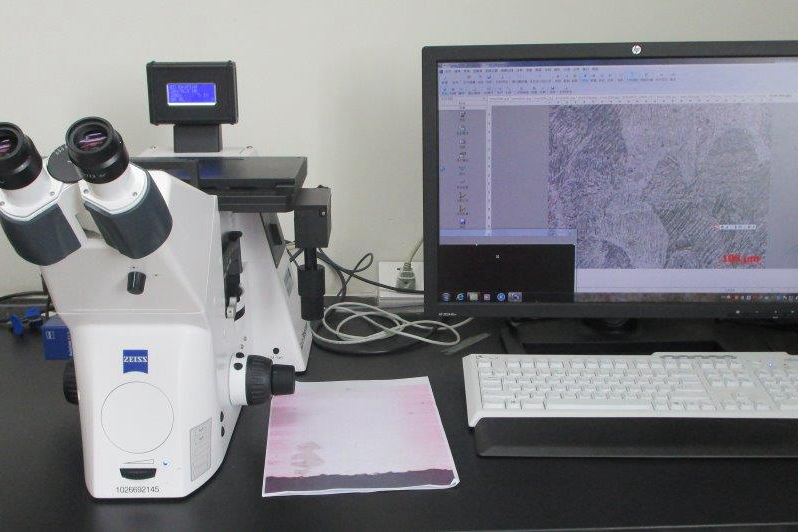
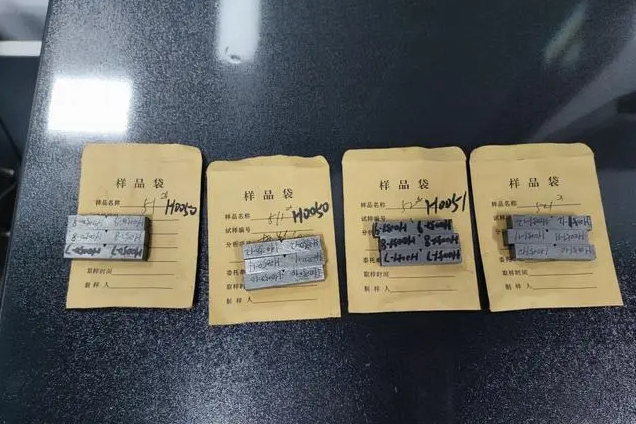
Inspection begins with verifying alloy composition and purity to ensure reliable long-term performance. For high-temperature distillation environments, nickel-based alloys such as Inconel 690 and corrosion-resistant alloys like Hastelloy C-22 undergo chemical composition checks and grain structure assessment using advanced material testing and analysis to confirm phase stability and corrosion resistance.
Non-Destructive Evaluation (NDE)
Critical distillation components—such as trays, vapor distributors, manifolds, and tube sheets—require defect-free internal structures. Non-destructive inspection techniques such as ultrasonic testing, radiography, and eddy current scanning help detect internal voids, segregation, and microcracks without damaging the part. For components produced using vacuum investment casting or powder metallurgy, these methods are essential to confirm structural soundness before final assembly.
Dimensional and Surface Quality Verification
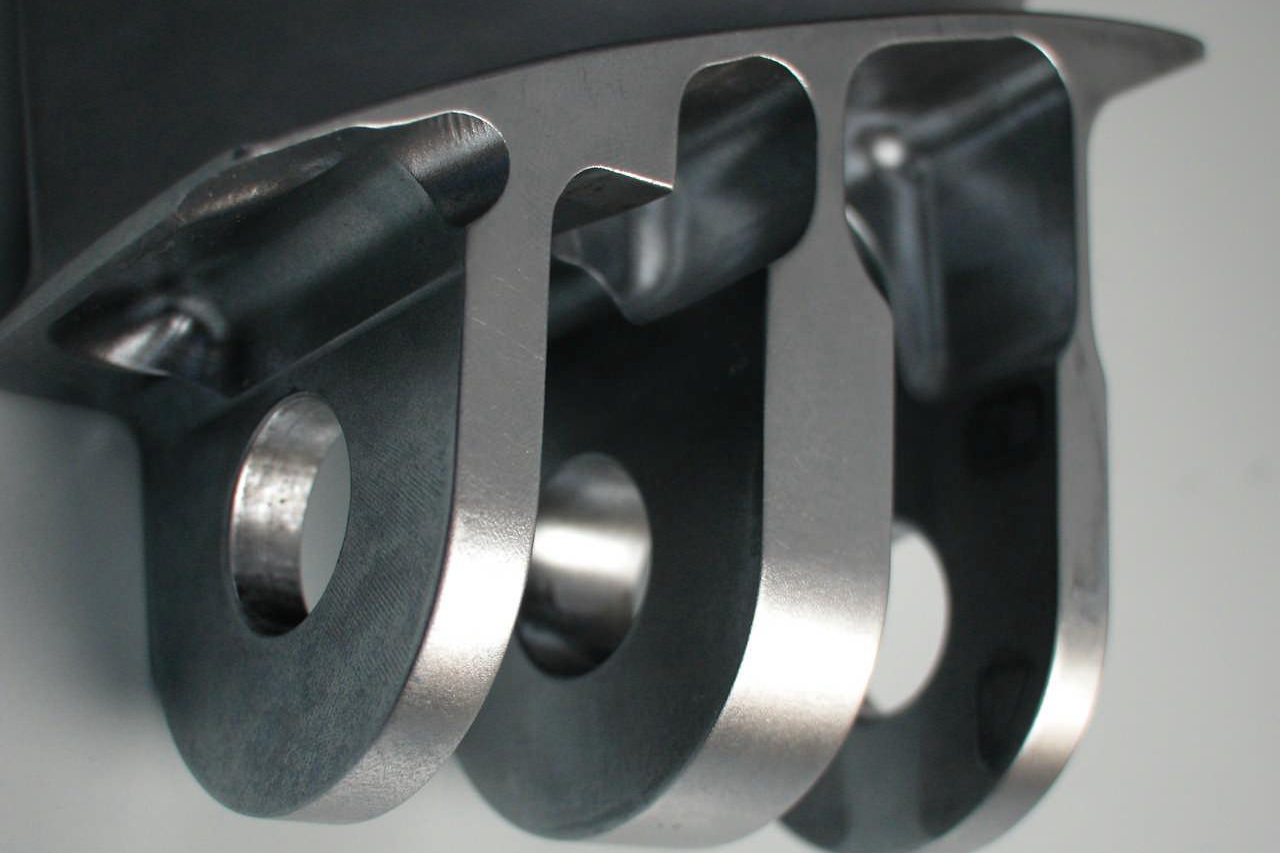
Distillation modules rely on precise flow dynamics and sealing performance. To maintain geometric accuracy, components undergo precise dimensional verification using CMM measurement and optical scanning. Post-processing steps such as superalloy CNC machining are validated to verify tolerance control and surface finish—crucial for vapor-liquid distribution efficiency.
Functional Simulation and Environmental Testing
Flow simulation, pressure cycling, and corrosion testing replicate real distillation operating conditions. These tests identify potential failure points related to thermal fatigue, erosion, or chemical attack. In harsh process environments such as oil and gas and chemical processing, validation protocols ensure component consistency across batches and support lifecycle predictions for planned maintenance.
Traceability and Production Quality Control
For safety-critical distillation systems, every production step must be traceable. Batch inspection records, process monitoring, and microstructure certification ensure reproducibility and compliance with industry standards. Regular auditing and test documentation reduce operational risk and support long-term reliability in demanding industrial environments.