What advantages does powder metallurgy provide for distillation module parts?
Microstructural Uniformity and Strength
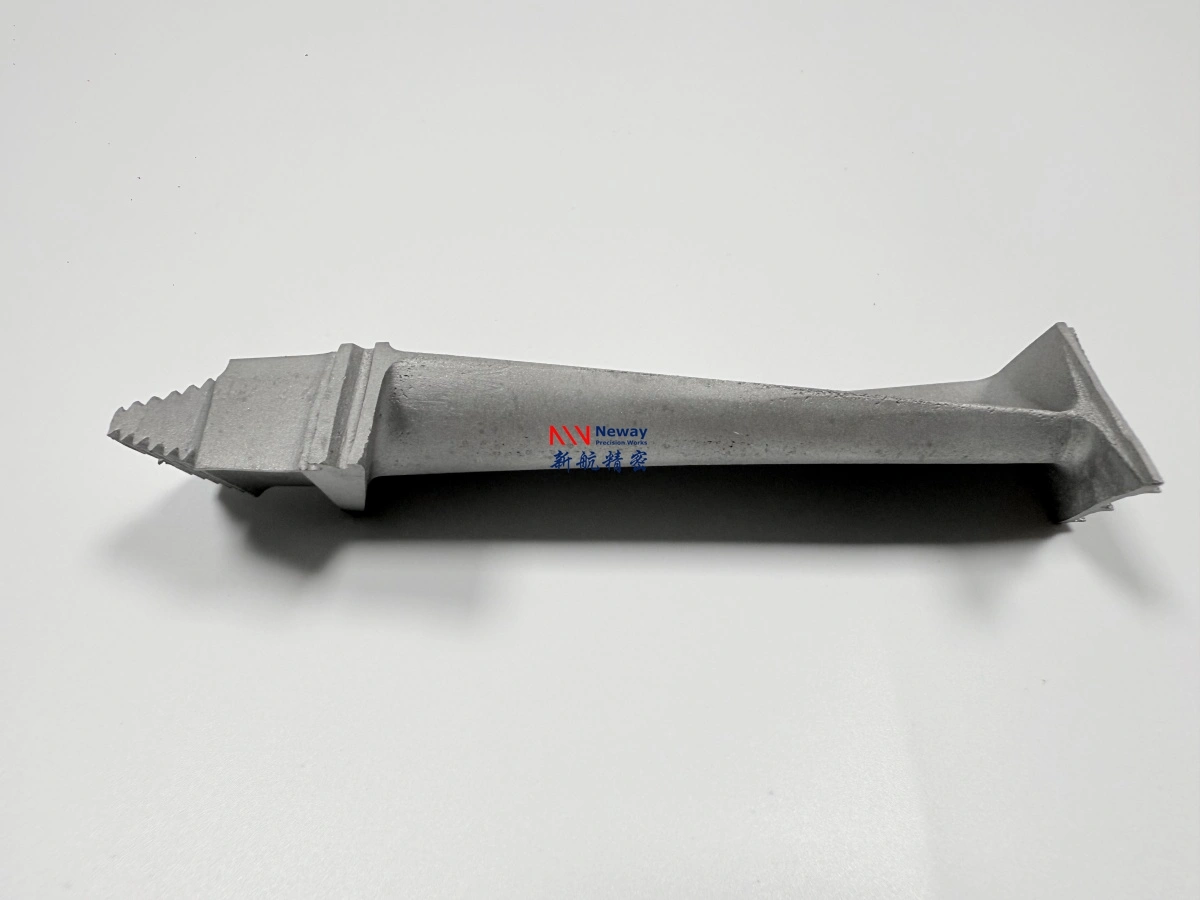
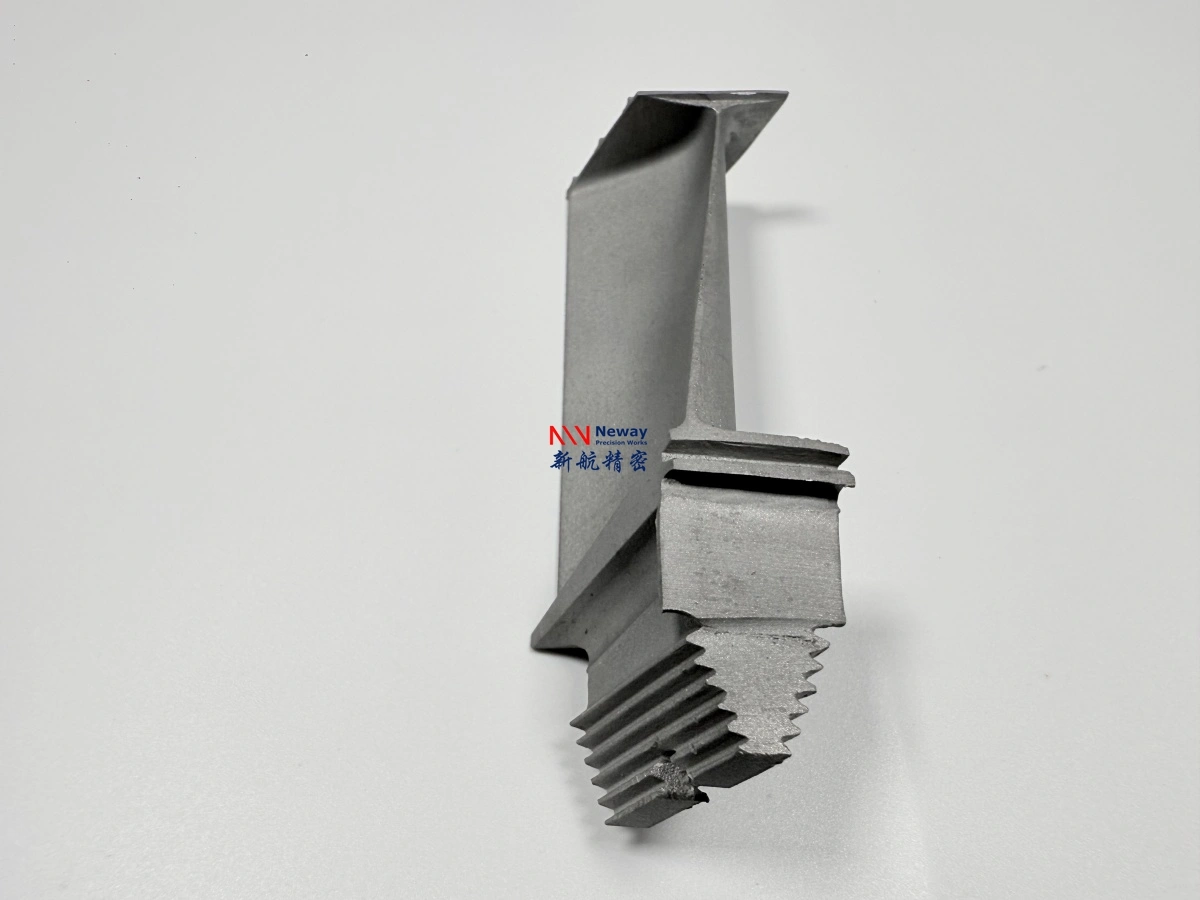
Powder metallurgy offers a highly controlled method for producing superalloy distillation components with consistent grain structure and minimal segregation. Fine alloy powders are consolidated under pressure and temperature, leading to enhanced material homogeneity and predictable mechanical behavior. Alloys like FGH97 exhibit excellent creep resistance and thermal stability—ideal for column trays, flow distributors, and tube sheets operating under sustained high temperatures.
Near-Net Shape and Design Optimization
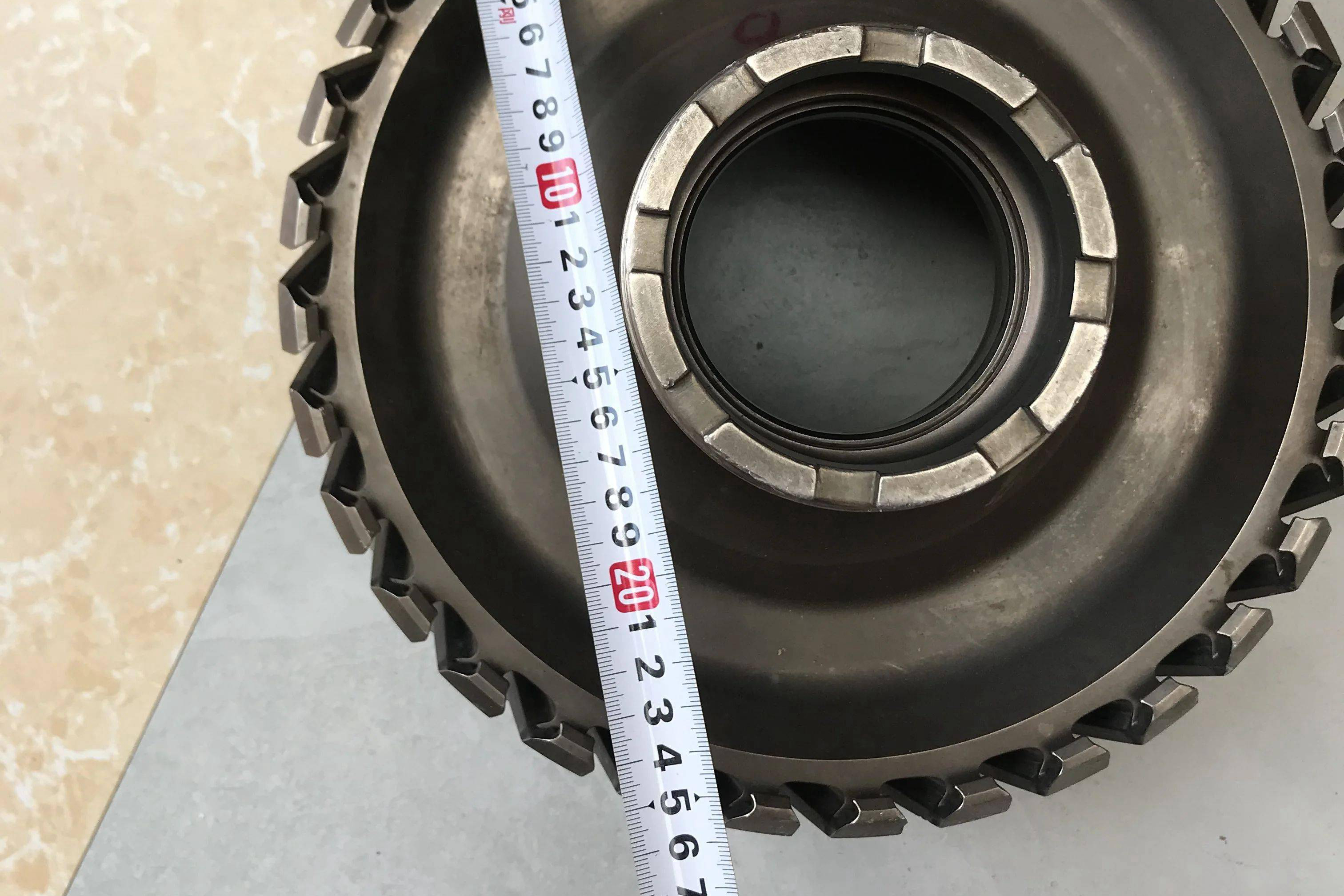
Distillation equipment often contains complex internal geometries to optimize vapor-liquid contact and heat transfer efficiency. Powder metallurgy enables near-net shape production, reducing machining requirements and material waste. Components can be designed with variable thickness and intricate channels, which are difficult to achieve using conventional methods. For areas requiring high dimensional accuracy, final finishing can be performed via superalloy CNC machining to ensure precise flow control and sealing performance.
Enhanced Mechanical Properties Through Post-Processing
To further improve performance, powder-based components can undergo hot isostatic pressing (HIP) to eliminate porosity and increase fatigue resistance. Follow-up heat treatment stabilizes microstructure and enhances corrosion resistance in acidic or chloride-rich process environments. These treatments ensure structural durability throughout prolonged operating cycles within chemical and petrochemical distillation systems.
Reliability in Harsh Industrial Conditions
Powder metallurgy is particularly advantageous for applications in chemical processing and oil and gas sectors, where components face combined corrosion, thermal cycling, and fluid-induced stress. The process supports batch consistency and quality traceability, enabling compliance with international industry standards and efficient maintenance planning. When paired with comprehensive material testing and analysis, powder metallurgy provides a high-reliability solution for critical distillation modules.