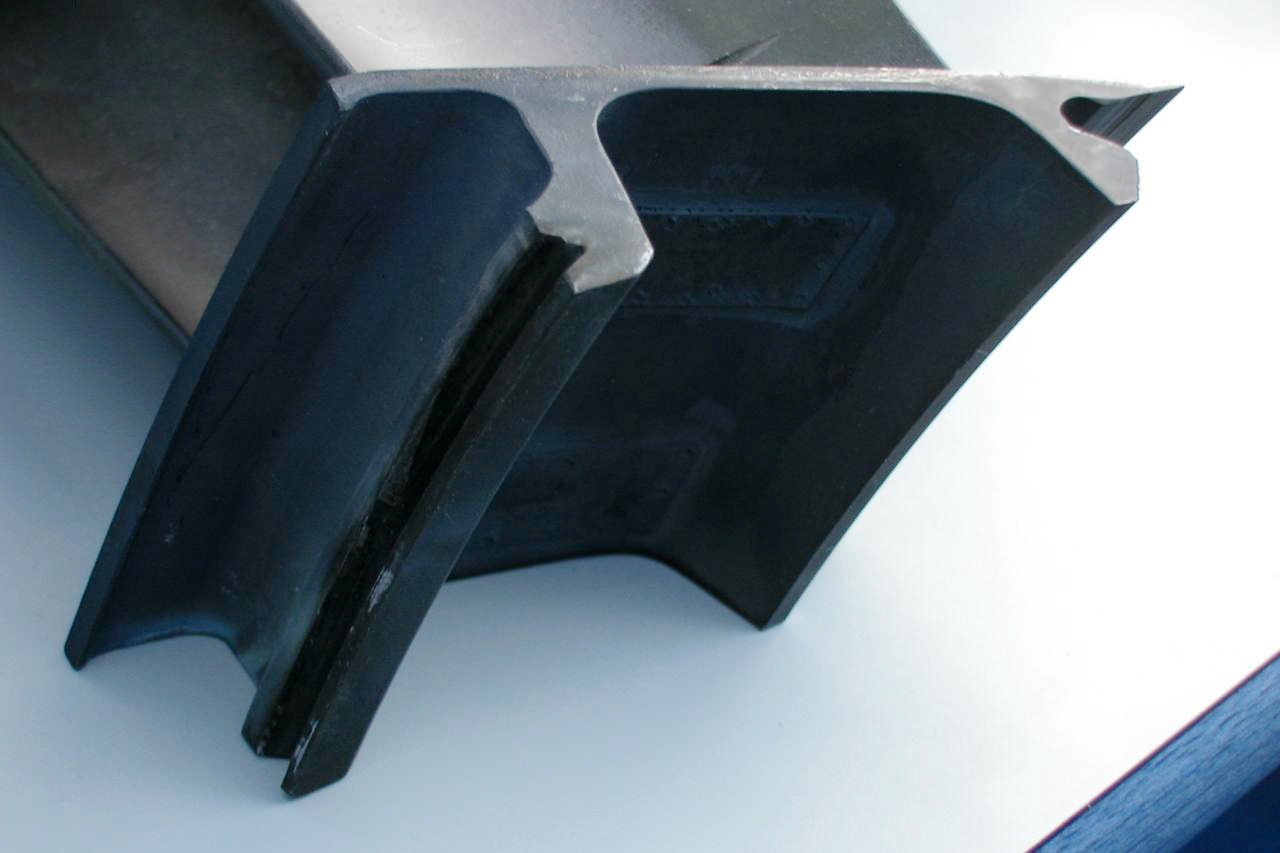
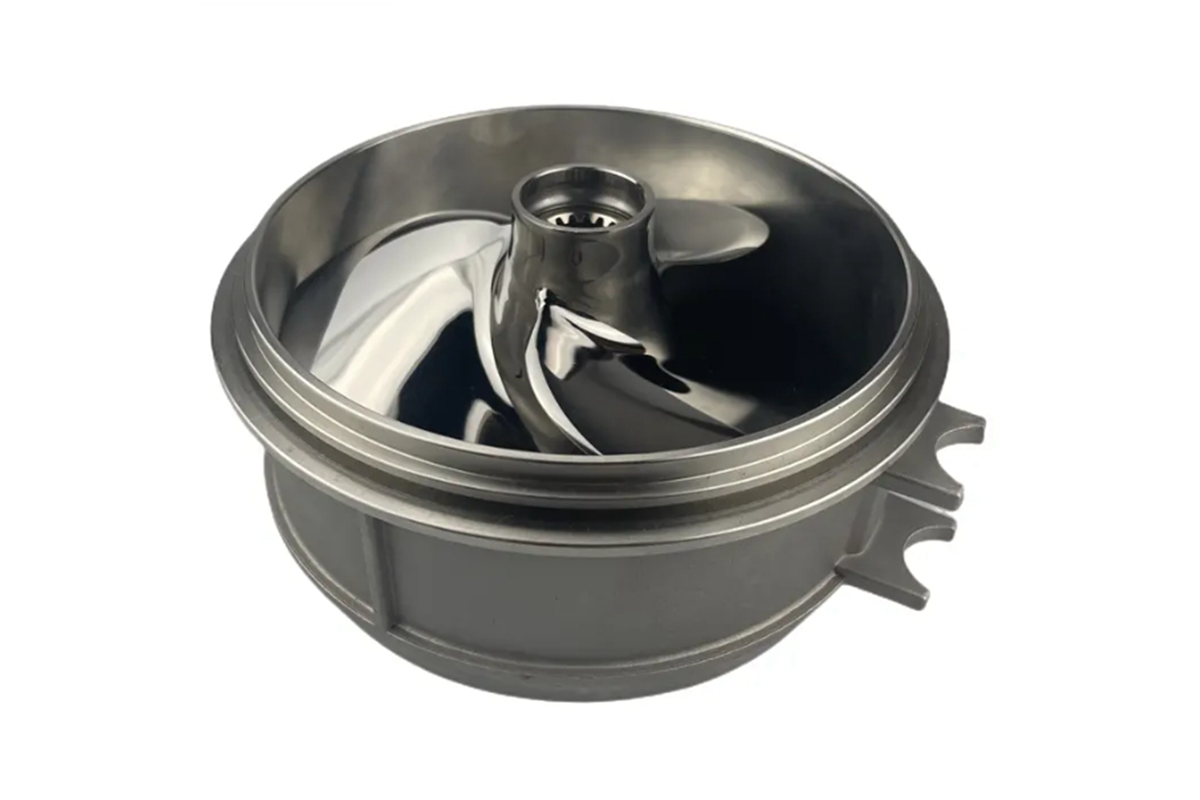
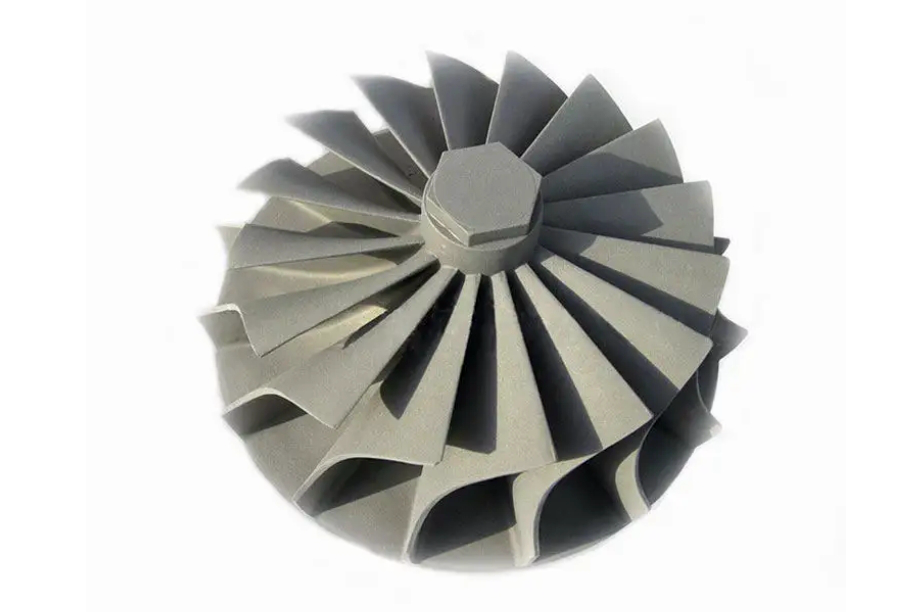
Importance of Structural Analysis in Producing High-Performance
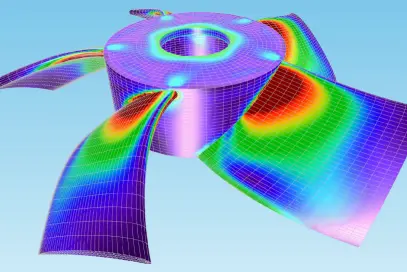
The importance of structural analysis in producing high-performance components is difficult to overstate. In aerospace, power generation, energy, and other demanding industries, components are expected to survive high loads, thermal gradients, vibration, pressure, and cyclic stress without premature failure. Whether the part is a turbine blade, combustion component, exhaust structure, nozzle segment, or other high-temperature assembly, its success depends not only on material selection and manufacturing quality, but also on whether the structure has been properly analyzed before and after production.
Structural analysis helps engineers understand how a component behaves under real operating conditions. It supports better decisions in design, alloy selection, wall thickness control, stress reduction, weight optimization, and failure prevention. When combined with advanced manufacturing routes such as Vacuum Investment Casting, Superalloy Precision Forging, Powder Metallurgy Turbine Disc, and 3D printing Service, structural analysis becomes a practical tool for improving both performance and manufacturing reliability.
What Is Structural Analysis in Component Manufacturing?
Structural analysis is the process of evaluating how a part reacts to forces, pressure, temperature, vibration, deformation, and other service conditions. In high-performance manufacturing, it is used to predict stress concentration, displacement, fatigue risk, thermal distortion, and failure-sensitive regions before the component enters production or service.
This analysis may involve simulation-based methods, physical validation, or a combination of both. In real manufacturing programs, structural analysis often works together with Material Testing and Analysis to connect design assumptions with actual part performance. The goal is not only to confirm that a component is strong enough, but also to improve reliability, reduce unnecessary mass, and make production more predictable.
Why Structural Analysis Matters for High-Performance Parts
High-performance components are usually pushed close to their material and geometric limits. A turbine part may experience thermal cycling, oxidation, and centrifugal loading at the same time. A hot gas path component may face both local stress concentration and severe temperature gradients. A pressure-bearing structure may appear safe in static conditions but still fail prematurely because of fatigue, local buckling, or creep interaction.
Without structural analysis, these risks are harder to detect in advance. A part may still be manufactured correctly and yet perform poorly in service simply because the stress path, stiffness distribution, or local thermal response was not fully understood. Structural analysis reduces this risk by helping engineers identify weak points before they become real operating failures.
Key Benefits of Structural Analysis
1. Improves Component Reliability
One of the main reasons structural analysis is important is that it helps improve reliability. By predicting how a part responds to loading, engineers can identify where cracks are likely to initiate, where deformation may exceed tolerance, or where thermal stress may shorten life. This is particularly important for parts used in Aerospace and Aviation, Power Generation, Energy, and Oil and Gas, where unexpected failures are extremely costly.
When design changes are made early based on structural findings, the final component usually performs more consistently and requires fewer corrections later in the manufacturing cycle.
2. Reduces Failure Risk in Severe Environments
High-performance parts often work in severe environments involving heat, corrosion, pressure, vibration, and repeated mechanical loading. Structural analysis helps evaluate how these conditions interact. Instead of looking only at static strength, engineers can assess combined loads and determine whether the part is vulnerable to thermal fatigue, creep deformation, distortion, or local overstress.
This is especially relevant for components related to gas turbine components, turbine engine parts, jet engine components, and high-temperature alloy engine components.
3. Supports Better Material Selection
Structural analysis is not only about geometry. It also helps engineers decide which materials are appropriate for the operating condition. Different alloys respond differently to stress, temperature, fatigue, and creep. A part that performs well in one alloy may distort, crack, or wear too quickly in another.
This makes analysis highly useful when selecting among Inconel alloy, Hastelloy alloy, Nimonic alloy, Rene Alloys, Titanium alloy, or other heat-resistant material systems. Structural analysis helps connect the required performance with the actual behavior of the chosen alloy family.
4. Helps Optimize Part Weight and Geometry
In many industries, stronger does not automatically mean better. Overbuilt parts can increase cost, reduce efficiency, and create unnecessary machining or casting challenges. Structural analysis allows engineers to remove unnecessary material while keeping strength where it is needed most. This improves performance without sacrificing safety.
For aerospace and turbine-related applications, this can be especially valuable because reducing excess mass often improves system efficiency. Analysis makes it possible to optimize wall thickness, support placement, section transitions, and local reinforcement in a more controlled way.
5. Supports Manufacturing Feasibility
A part may look effective in design but still be difficult to cast, forge, print, or machine. Structural analysis helps manufacturers evaluate whether the geometry is practical before committing to full production. It can reveal areas where thin sections may distort, where unsupported spans may warp, or where local stress concentrations may be worsened by manufacturing variation.
This is especially helpful in advanced processes such as Vacuum Investment Casting, Precision Forging, Powder Metallurgy Turbine Disc, and Superalloy 3D Printing, where geometry and thermal behavior strongly influence manufacturability.
6. Improves Post-Processing Decisions
Structural analysis also helps define the right post-processing strategy. If a part shows local stress sensitivity, it may benefit from Heat Treatment to improve stability or reduce residual stress. If internal soundness is critical in a cast region, HIP may be necessary. If surface temperature is a limiting factor, TBC may provide the needed protection.
By understanding where the part is most vulnerable, manufacturers can use post-processing more strategically rather than applying the same route to every component.
Structural Analysis in the Design Stage
The design stage is where structural analysis delivers some of its greatest value. Before tooling is made or production starts, analysis can help determine whether the concept is realistic. It can highlight weak points in ribs, mounting zones, thin walls, cooling-channel layouts, or thermal transition areas. It can also support decisions about symmetry, support geometry, attachment method, and local section thickness.
In this stage, structural analysis often works alongside design optimization and simulation workflows such as those discussed in Whole Process Simulation of Superalloy Parts Manufacturing Service and Applications of Simulation Capabilities in Superalloy Parts Manufacturing. Early analysis helps reduce redesign loops and makes the final production route more efficient.
Structural Analysis in the Manufacturing Stage
Structural analysis remains important even after the design is released. During manufacturing, it can be used to evaluate distortion risk, machining allowance strategy, weld joint behavior, and the effect of thermal cycles during processing. It also helps when engineers need to adjust a design to suit real manufacturing capability without damaging performance.
For example, if a cast or welded part shows a risk of distortion, analysis may guide how to sequence CNC Machining, Welding, and heat treatment. If a turbine component requires tight local features, analysis may also support the best use of Deep Hole Drilling or EDM.
Structural Analysis and Failure Prevention
One of the strongest reasons to use structural analysis is that it improves failure prevention. A high-performance component does not always fail because the base material was poor. Very often, failure begins at a local stress concentration, geometric mismatch, unsupported thermal expansion zone, or repeated loading condition that was underestimated. Structural analysis helps reveal these issues before the part enters field service.
This is closely related to failure-oriented engineering topics such as Superalloy Turbine Components Failure Analysis Service, Fracture Analysis In High-Temperature Components Manufacturing, and Benefits of Fatigue and Mass Optimization In Superalloy Parts Manufacturing. Structural analysis supports the same goal from an earlier stage: preventing those failures before they happen.
Relationship Between Structural Analysis and Testing
Structural analysis is most effective when it is linked with testing. Simulation may predict where the highest stress appears, but real inspection and testing are still needed to confirm that the part behaves as expected. This is why structural analysis is often paired with Material Testing and Analysis, including dimensional verification, metallography, chemical analysis, tensile testing, and non-destructive evaluation.
Testing closes the loop between analysis and manufacturing. It helps confirm whether the assumptions used in the model match the real component produced on the shop floor. This is especially important for critical parts used in high-stress or high-temperature environments.
Industries That Benefit Most from Structural Analysis
Structural analysis is valuable across many sectors, but it is particularly important in industries where part failure is expensive or dangerous. These include Aerospace and Aviation, Power Generation, Energy, Nuclear, Oil and Gas, and Marine.
Applications in these sectors often include turbine hardware, pressure-bearing parts, exhaust structures, heat-resistant assemblies, and high-speed rotating components. In all of them, structural analysis helps improve confidence before production and service deployment.
How Structural Analysis Supports High-Performance Manufacturing Strategy
High-performance manufacturing is not only about using stronger alloys or tighter tolerances. It is about making better decisions throughout the whole process. Structural analysis supports this by connecting design intent, material capability, manufacturing feasibility, and field reliability into one engineering framework.
It helps decide whether a part should be cast, forged, printed, welded, or machined from stock. It helps define where reinforcement is needed, where stress should be reduced, and which inspection methods matter most. It also supports smarter use of advanced processes such as Single Crystal Casting, Directional Casting, and Equiaxed Crystal casting when grain structure and load path are important.
Conclusion
The importance of structural analysis in producing high-performance components lies in its ability to improve reliability, reduce failure risk, optimize geometry, support material selection, and guide manufacturing decisions before costly problems appear. In demanding industries, structural analysis is not an optional extra. It is one of the core tools that helps turn a design into a durable and manufacturable product.
When combined with advanced manufacturing methods, post-processing, and inspection, structural analysis helps manufacturers build components that are not only strong on paper, but also stable, efficient, and dependable in real service conditions.