High-Temperature Alloy Mixing System Components Production Unit
A high-temperature mixing-system-component RFQ should define the media, agitation load, wear surfaces, shaft or seal interface, and cleanability requirements before a supplier chooses the alloy route. Mixing components may include impellers, agitator blades, hubs, sleeves, shaft collars, seal-adjacent rings, baffles, nozzles, liners, brackets, and custom fittings. Some parts contact corrosive slurry or hot process media. Others only support alignment, retain a blade, or protect a local surface. The quote should separate those roles before material and process decisions.
NewayAeroTech supports high-temperature and corrosion-resistant mixing components through vacuum investment casting, special alloy casting, CNC machining, heat treatment, HIP review, powder-route discussion where suitable, post-process cleaning, and material testing. A useful RFQ states whether the buyer needs a casting blank, machined hub, finished blade detail, prototype, or sample-based replacement part.
Define media, agitation load, and component role
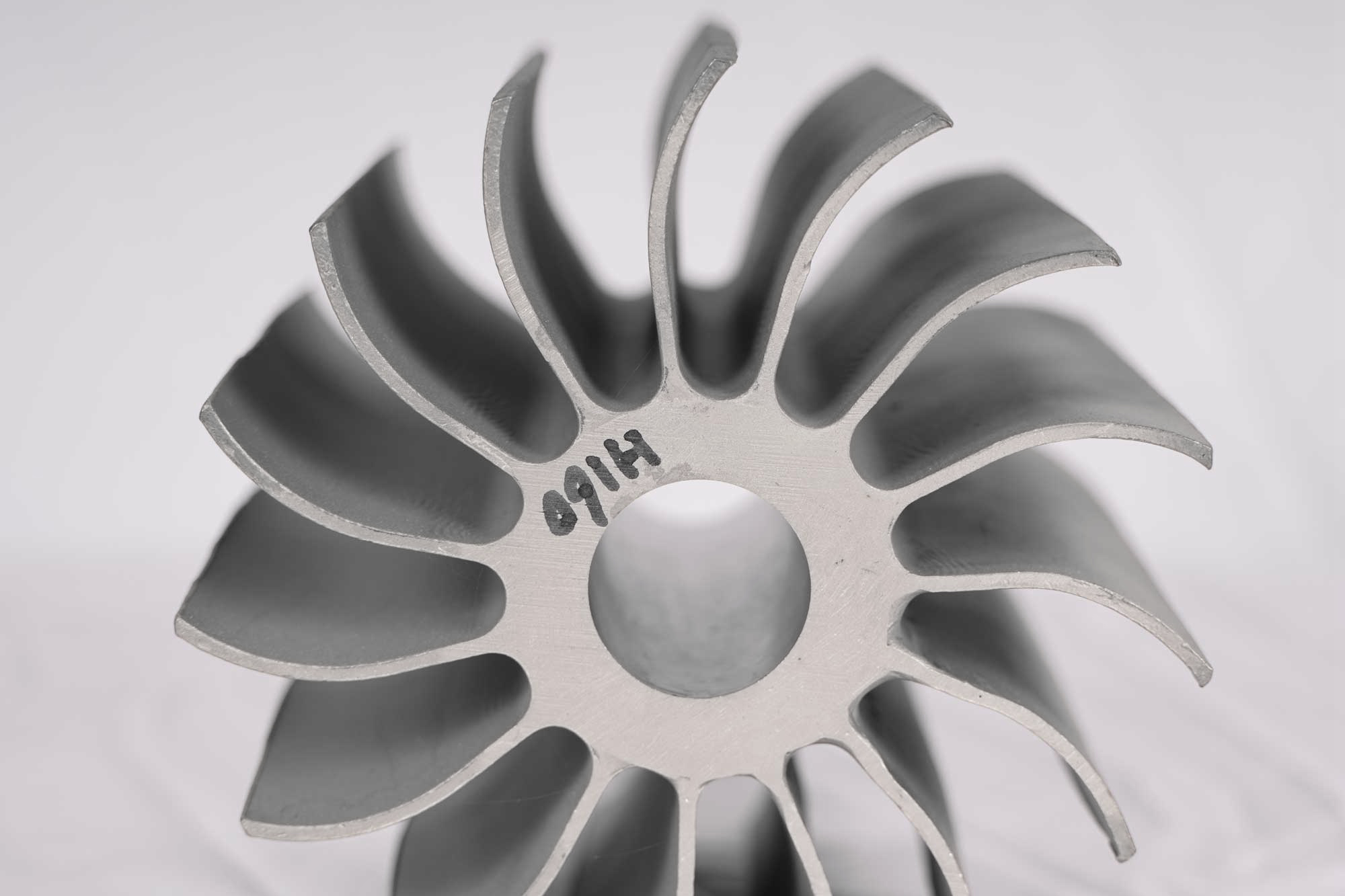
The first review should identify what the part does inside the mixing system. An impeller blade handles flow and bending load. A hub or collar transmits torque and controls fit to a shaft. A baffle or liner sees flow impingement and wear. A nozzle or fitting controls media entry and may need clean passages. A seal-adjacent ring needs surface finish and concentricity. These parts should not be quoted with the same assumptions.
Buyers should provide media exposure, temperature, solids content or abrasive condition, cleaning medium, rotational or static role, and whether the component is replaceable. A replaceable liner may prioritize wear and corrosion. A shaft collar may prioritize bore fit, keyway quality, and surface finish. A baffle may need stiffness and edge condition. The supplier needs these details before selecting casting, machining, or powder-route assumptions.
Used samples should be documented for erosion, corrosion, deformation, product buildup, and removal damage. A sample can explain the duty, but damaged edges or worn bores should not automatically become nominal geometry. The buyer should define original features and acceptance criteria before first article production.
Choose alloy by corrosion, wear, torque, and cleanability
Mixing system components often combine corrosion, abrasion, torque, and cleaning exposure. Hastelloy alloy casting may be reviewed for severe corrosion conditions. Inconel alloy casting may be reviewed where temperature and strength are important. Stellite alloy casting may be reviewed for wear-facing details.
The material should match the feature. A hub needs bore stability and torque transfer. A blade needs wall thickness and resistance to erosion or corrosion. A sleeve needs sliding or sealing surface control. A nozzle needs passage cleanliness. The buyer should explain the current failure mode or new design goal so the supplier can review material and route together.
Mating materials and shaft data are useful. If a collar, sleeve, or hub fits a shaft supplied by another vendor, the RFQ should include mating size, keyway information, and surface requirements. If a part contacts a seal or liner, that interface should be identified before the alloy is finalized.
Select route for hubs, blades, baffles, and fittings
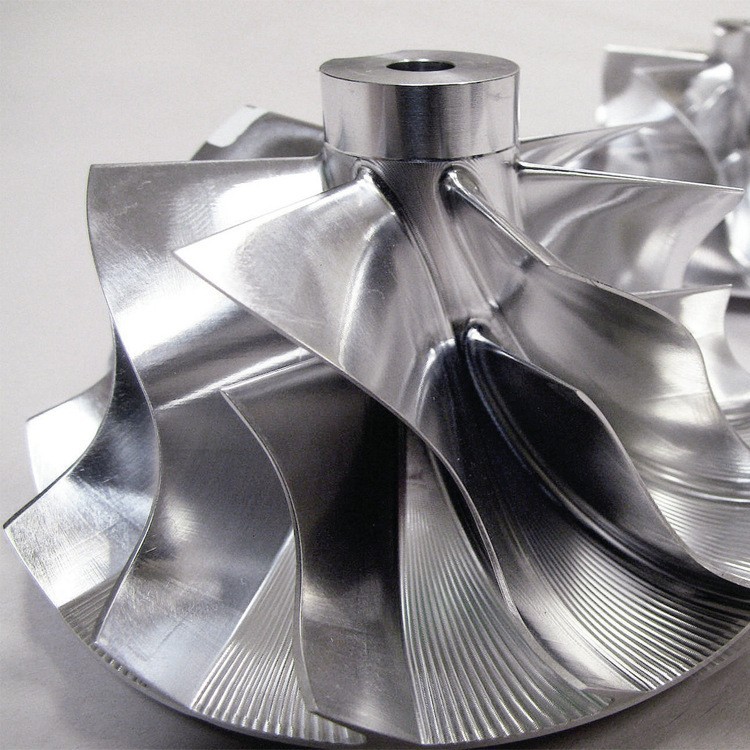
Vacuum investment casting can support impeller hubs, complex blade details, baffles, nozzles, and irregular fittings with integral bosses or curved profiles. A casting can reduce material waste and create near-net geometry while leaving stock on bores, faces, and mounting features. It also requires tooling, shrinkage review, surface cleanup, and first-article measurement.
Machining may be better for simple sleeves, collars, rings, spacers, and prototype details. Superalloy CNC machining controls bores, keyways, slots, threads, faces, and surface finish. If a powder route is considered, powder metallurgy should be tied to a real material or geometry reason. The supplier response should explain the selected route, not simply list capabilities.
Prototype route should be labeled by purpose. A machined prototype can confirm shaft fit or tank clearance. A printed development model can show blade envelope and flow layout. A cast first article is still required when the final part will be investment cast.
Control bores, keyways, blade edges, and clean passages
Mixing components are often accepted by small functional features. Bores need size, roundness, and surface finish. Keyways need width, position, and edge condition. Blade edges need controlled thickness and no harmful burrs. Fittings need clean internal passages. Seal-adjacent surfaces need finish and concentricity. The RFQ should identify which surfaces are final-machined and which may remain as cast.
Machining allowance should protect the final interfaces. A cast hub may need stock on the bore and faces. A blade may need controlled cleanup on edges without thinning the working surface. A fitting may need stock around threads and seal faces. If heat treatment can move the part, final machining should happen afterward on critical surfaces.
Cleanability should be defined early. Mixing components can trap residue in pockets, slots, and passages. If the buyer needs polishing, electropolishing, flushing, or special packaging, those requirements should be included in the RFQ before quotation.
Sequence heat treatment, HIP review, and post-process work
Heat treatment should be matched to alloy and route. A hub or collar may need thermal processing before finish machining. A thin blade or baffle may require process sequencing that protects shape. The RFQ should state which dimensions are final after all processing.
HIP may be reviewed for suitable cast mixing parts where internal soundness is a concern. It should be connected to geometry, material, and inspection evidence. It should not be added automatically to every part.
Post-process work should address surface cleanup, corrosion-related finish, burr removal, and handling protection. For parts that contact process media, cleaning and surface condition should be planned before final inspection.
Build inspection evidence around torque, flow, wear, and fit
Material testing and analysis should support the actual component risk. Inspection may include chemistry, visual inspection, dimensional report, penetrant inspection, radiographic review where agreed, hardness checks where required, CMM data, surface finish, bore measurements, and cleanliness evidence.
Reports should identify the features that matter. A hub report should show bore, keyway, faces, and runout-related data where required. A blade report should show thickness, edge condition, and mounting features. A fitting report should show threads, passages, and seal faces. A baffle or liner report should show contour, hole position, and surface condition.
Component inspection should be separated from complete mixer validation. NewayAeroTech can document the supplied part against agreed manufacturing criteria. The buyer or equipment assembler remains responsible for system-level mixing validation unless a separate scope is defined.
Clarify supplier scope, material changes, and sample boundary
Mixing component RFQs often begin after corrosion, erosion, galling, or shaft-fit problems. If the buyer wants to change material or alter geometry, it should define who owns that decision and what validation follows. NewayAeroTech can advise on manufacturability, machining, heat treatment, and inspection evidence, while the buyer should define complete equipment approval requirements unless a separate engineering scope is agreed.
Supplier scope should be explicit. A rough casting is not the same as a finished hub with bore machining, cleaning, reports, and protected packaging. If downstream machining is handled elsewhere, stock and datum assumptions should be stated. If NewayAeroTech supplies a finished part, functional surfaces and record requirements should be included before quotation.
Use first articles to confirm route before repeat supply
A first article should prove the selected route. For a cast hub or blade detail, it should check stock, surface condition, bore cleanup, and final machined features. For a machined sleeve or fitting, it should check dimensions, surface finish, threads, and edge condition. For a prototype, the report should state whether it proves fit only or validates the final route.
Small-batch supply needs revision control. If the drawing changes after first article review, the supplier should know which features changed. If a used sample is involved, corrosion, erosion, and deformation should be documented before approval. Cleaning and packaging requirements should be included before production starts. The first-article report should also list any open shaft-fit, media, or surface-finish assumptions before repeat delivery begins and buyer approval records are closed before supplier release approval records.
What to send for a mixing system component RFQ
A complete RFQ includes drawings, models, material requirement, media exposure, temperature, solids or abrasive content, shaft or mating part data, quantity range, sample photos if available, critical surfaces, cleaning expectations, and inspection requirements. For chemical processing, energy, or pharmaceutical and food equipment, the part function and media are more useful than the industry label.
The supplier response should separate alloy review, casting or machining route, powder assumptions where relevant, machining stock, heat-treatment sequence, HIP assumptions, post-process cleaning, inspection evidence, and open questions. If the quote covers one component rather than the complete mixing system, that boundary should be explicit.
NewayAeroTech's value is connecting high-temperature alloy manufacturing to mixing load, corrosion, wear, cleanability, and inspection evidence. A clear RFQ gives both sides a controlled route from sample or drawing to small-batch supply.
Related FAQs
What are the most suitable superalloys for mixing system components?
How does powder metallurgy enhance mixing system component production?
Why is hot isostatic pressing HIP essential for mixing system parts?
What quality inspection methods are used to verify superalloy mixing components?
How does CNC machining benefit prototyping for mixing system components?