How does CNC machining benefit prototyping for mixing system components?
Precision Fit and Functional Evaluation
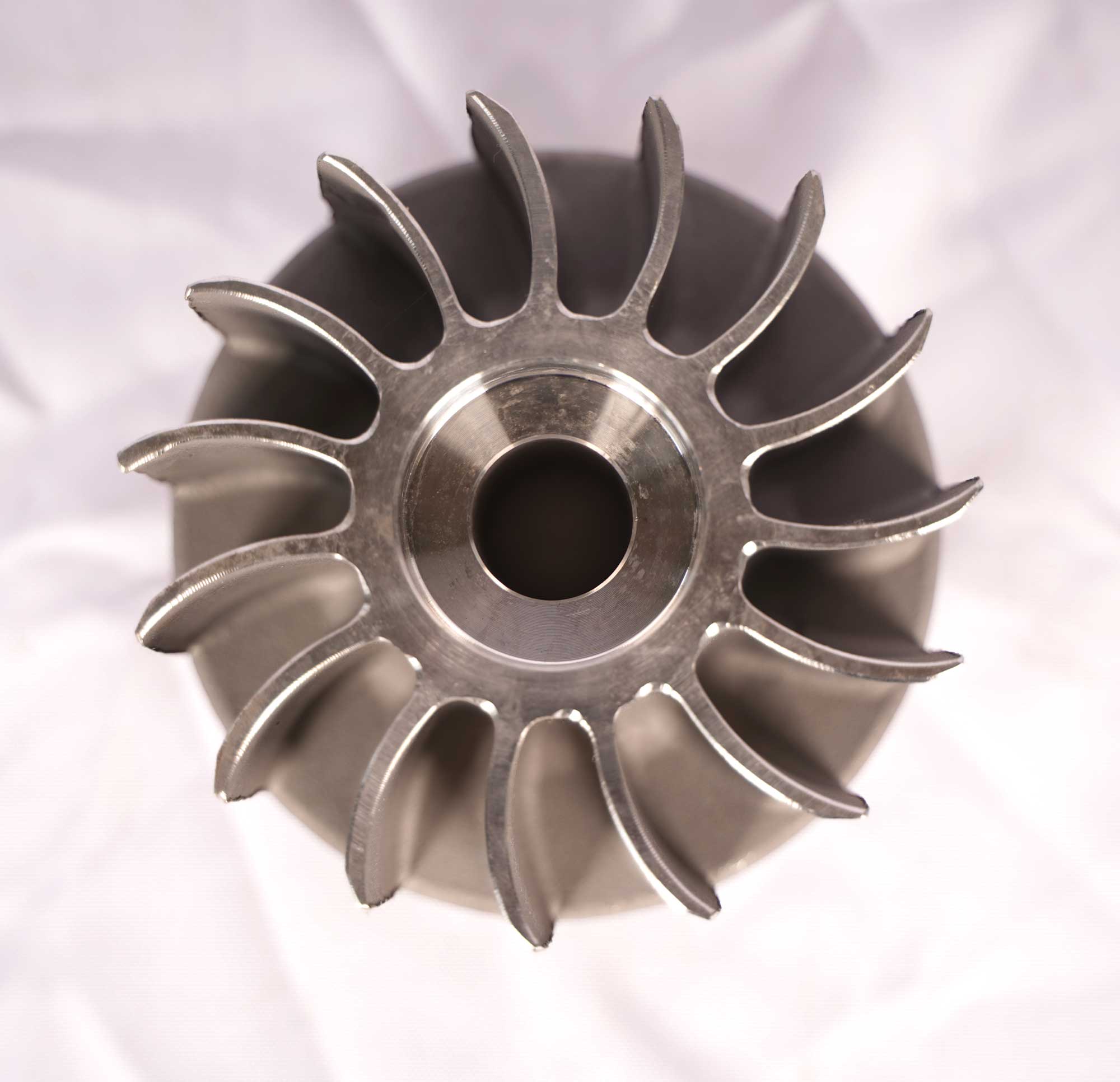
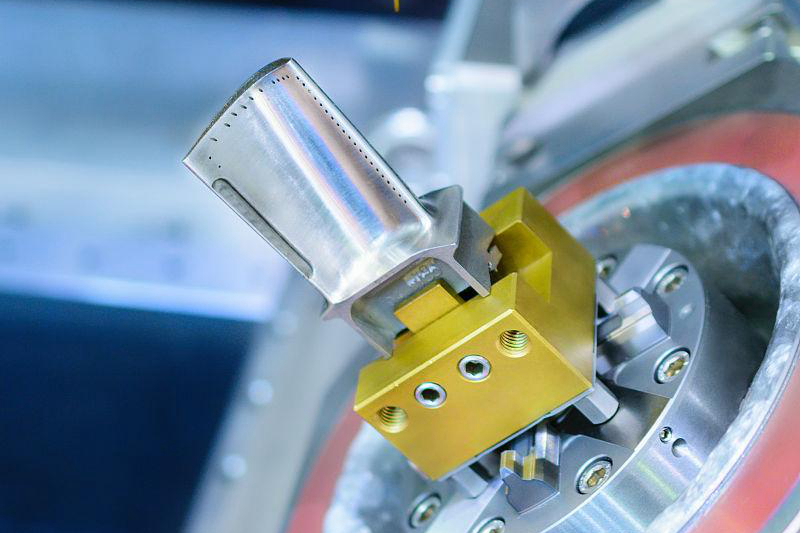
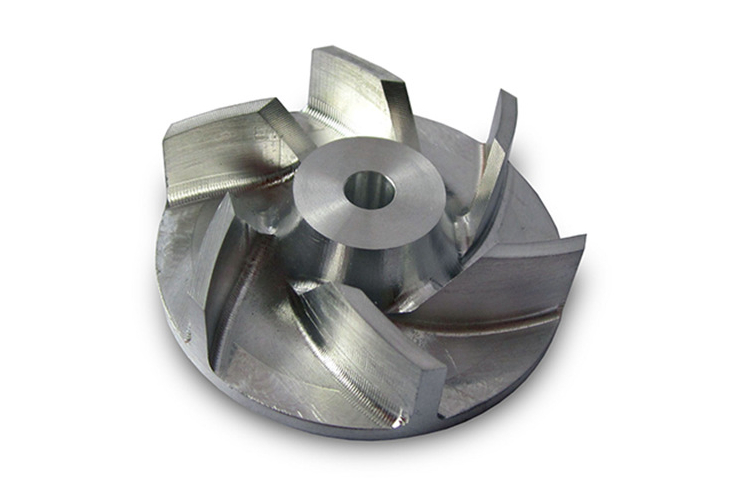
During prototyping, mixing system components must undergo real-world functional testing to validate torque transmission, sealing reliability, and rotational performance. superalloy CNC machining enables precise control of dimensional tolerances, making it ideal for shafts, impellers, mounting hubs, and sealing surfaces. Engineers can accurately assess flow turbulence, vibration control, and assembly behavior before committing to production tooling.
Surface Finish and Wear Performance
High-performance mixing systems require smooth and hardwearing surface conditions to reduce friction and prevent galling. CNC machining enables the consistent finishing of wear-critical zones, thereby preparing components for further treatments, such as superalloy heat treatment or coating applications. By minimizing surface defects, CNC-machined prototypes provide reliable insight into operational durability and maintenance intervals.
Optimization Through Design Adjustments
Once CNC-machined prototypes are tested, geometric modifications can be implemented quickly without altering the overall manufacturing strategy. Cut depth, shaft taper, and sealing geometry can be altered based on performance feedback. This rapid design iteration supports faster development cycles and easier transition to advanced processes such as vacuum investment casting or powder metallurgy for scaled production.
Integration with Additive Manufacturing
CNC machining is often used together with additive processes to refine critical features that require tight tolerances. Components fabricated via superalloy 3d printing can be post-machined to achieve precision sealing interfaces or bearing alignment, creating hybrid prototypes ideal for contamination-sensitive applications in pharmaceutical and food processing.
Prototyping Readiness and Production Transition
CNC machining provides production-ready prototypes that can be used for assembly testing, performance trials, and regulatory validation. With a stabilized microstructure achieved via heat treatment or HIP, CNC-machined components can mirror final production quality. This ensures predictable scalability and helps prevent failure during full-scale manufacturing.