Why is Hot Isostatic Pressing (HIP) essential for mixing system parts?
Eliminating Porosity and Defects
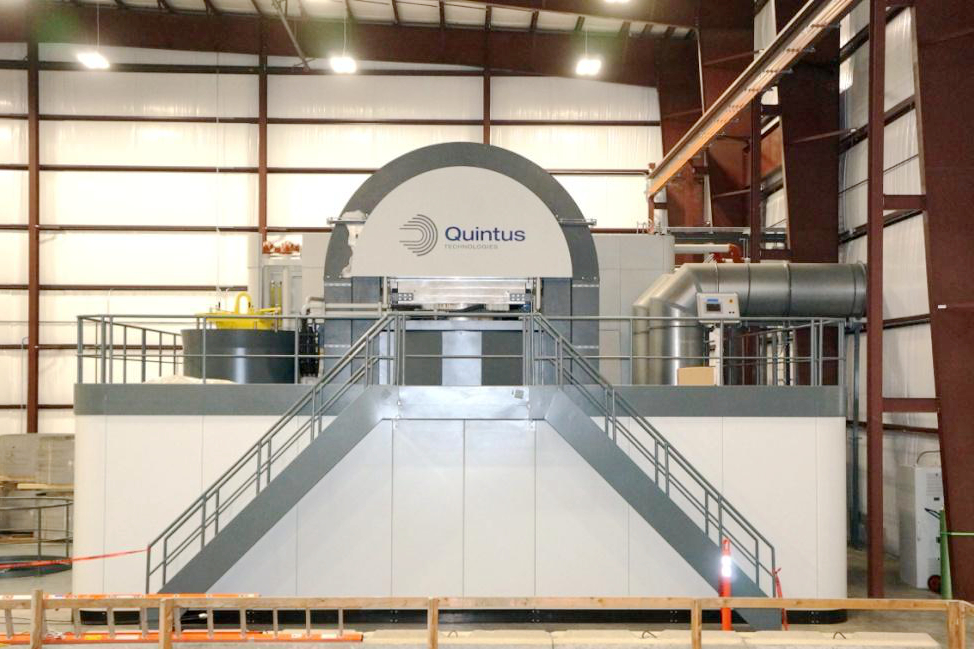
Mixing system components, especially shafts and impellers, undergo continuous rotational stress and pressure changes. Manufacturing processes such as casting or additive manufacturing can introduce voids and shrinkage defects that weaken the material. Hot Isostatic Pressing (HIP) applies high temperature and isostatic gas pressure to collapse internal porosity, resulting in dense and structurally sound superalloy parts capable of operating under high mechanical loads.
Enhancing Fatigue and Torque Resistance
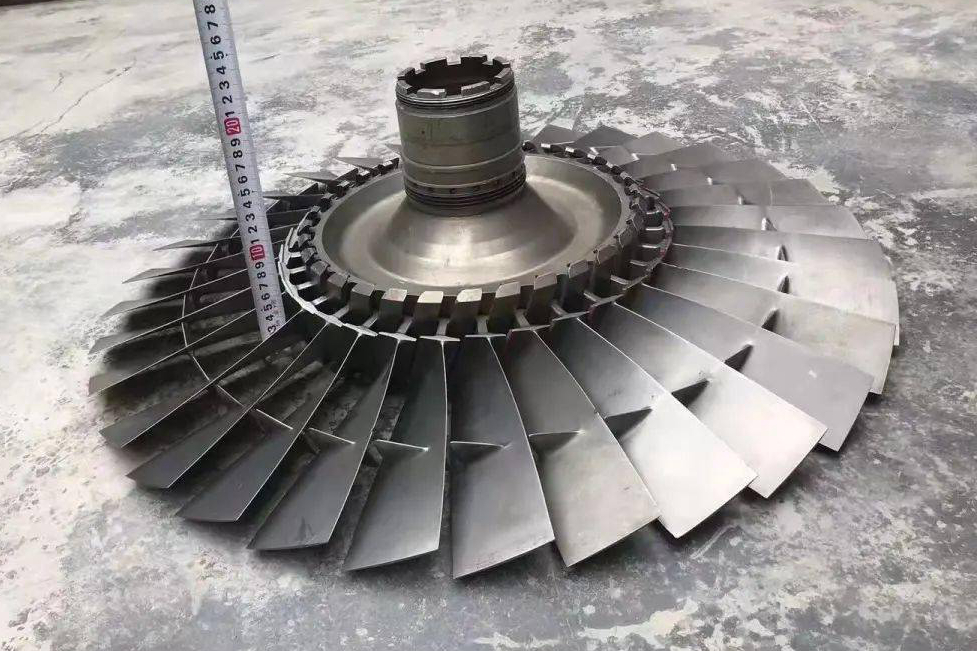
Mixing systems frequently operate at high rotation speeds and torque levels. HIP treatment strengthens grain bonding and improves microstructural consistency, significantly enhancing fatigue resistance. Alloys used in mixing equipment—such as Inconel 718 and Nimonic 263—can better withstand torsional stress and cyclic loading after HIP processing, ensuring long-term operational reliability.
Preparing for Precision Manufacturing
HIP-treated components offer a stabilized microstructure ideal for follow-up manufacturing processes. Critical interfaces such as sealing surfaces, bearing seats, and alignment shafts are finished via superalloy CNC machining, which benefits from the dimensional stability provided by HIP. This ensures accurate assembly and improves the performance of high-speed mixing machinery.
Supporting Corrosion and Wear Performance
Mixing systems operating in chemical and pharmaceutical environments require resistance to corrosive cleaning agents and abrasive media. When paired with suitable alloys such as Hastelloy C-2000, HIP helps maintain surface integrity by stabilizing grain structure and reducing susceptibility to pitting and stress corrosion cracking. This improved surface durability supports extended cleaning cycles and hygienic operation.
Quality Certification and Lifecycle Validation
Industries such as pharmaceutical and food and chemical processing require proven fatigue life and material traceability. HIP treatment improves consistency and simplifies quality validation procedures. It helps ensure that mixing system components maintain structural integrity across repeated sterilization cycles and high-torque operating conditions.