What are the most suitable superalloys for mixing system components?
Alloy Selection for Mixing System Components
Mixing equipment in sterilization and processing systems requires alloys that can withstand high shear stress, chemical exposure, and temperature fluctuation. Nickel-based alloys such as Inconel 718 and Nimonic 263 offer strong fatigue resistance and maintain structural integrity during continuous rotational motion. For applications involving aggressive chemicals, highly corrosion-resistant alloys such as Hastelloy C-22 and Monel K500 are widely used due to their resistance to pitting, cracking, and stress corrosion.
Mechanical Load and Wear Resistance
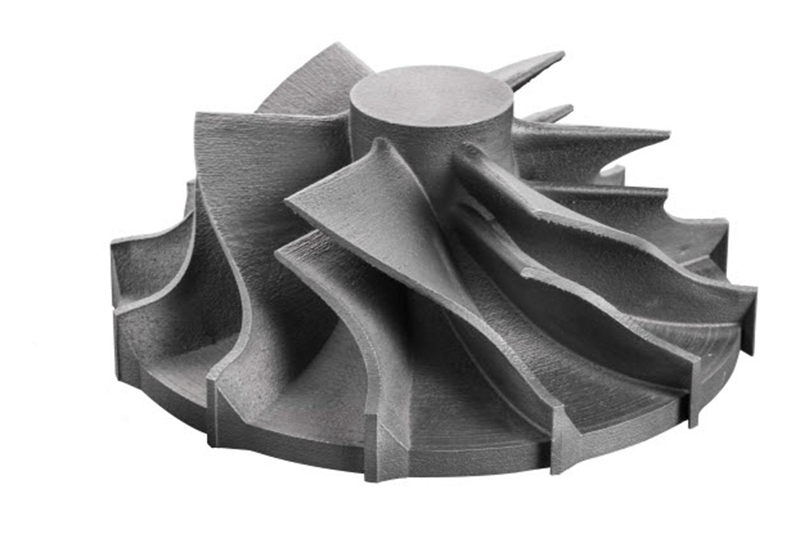
Mixing impellers, shafts, and sealing interfaces are constantly exposed to mechanical abrasion and torque. Cobalt-based alloys and nickel-chromium alloys produced via equiaxed crystal casting demonstrate strong wear resistance and can maintain hardness under thermal cycling. Alloys such as Stellite 6 are ideal for high-friction contact areas, preventing galling, erosion, and surface degradation during continuous operation.
Corrosion in Chemical and Pharmaceutical Environments
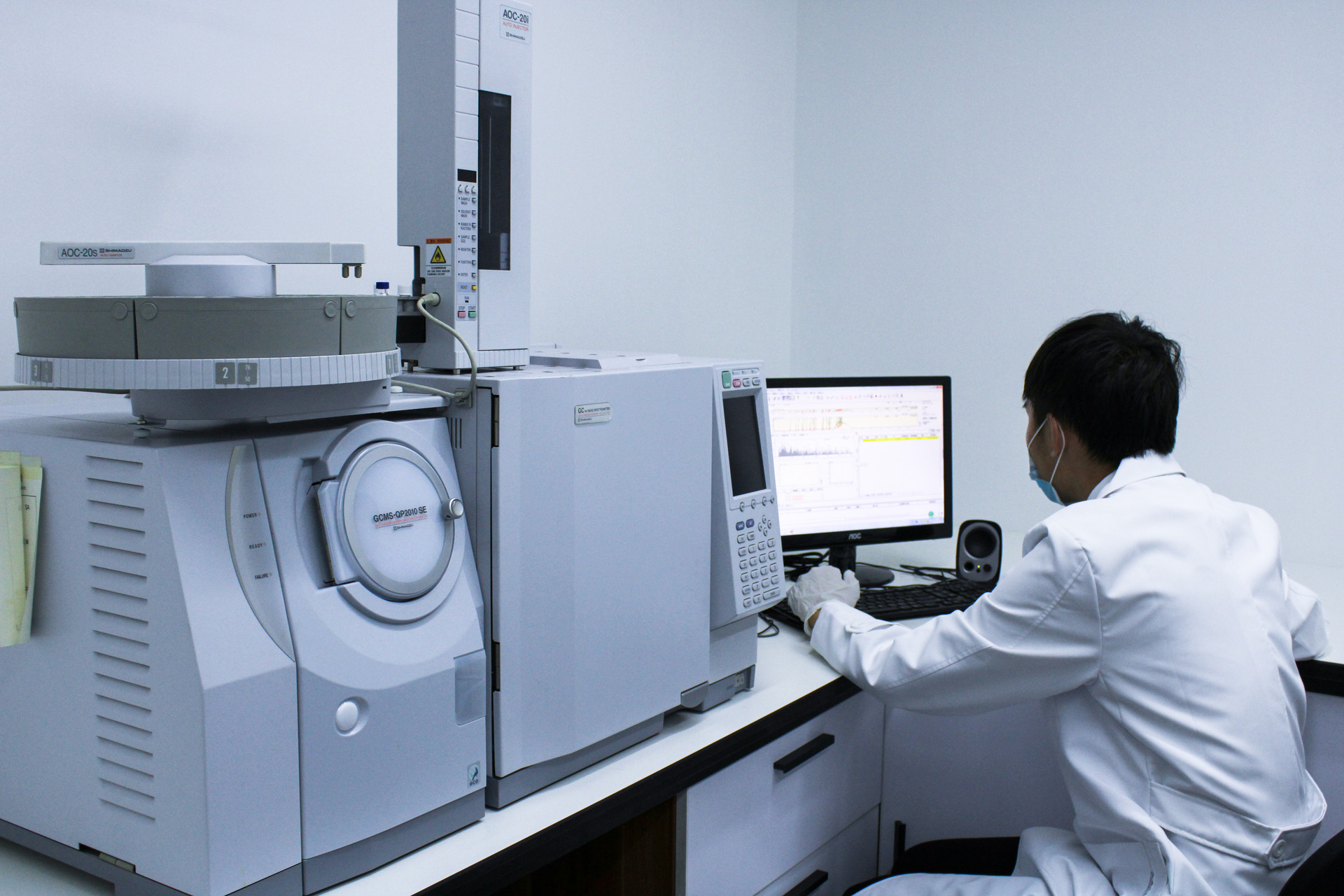
Pharmaceutical-grade and food-grade mixing systems require high corrosion resistance and compliance with sterilization standards. Alloys like Hastelloy C-2000 and Inconel 625 ensure compatibility with various cleaning agents, acids, and alkaline solutions. Material performance can be evaluated through laboratory-grade material testing and analysis and accelerated corrosion simulation.
Precision Manufacturing and Post-Processing
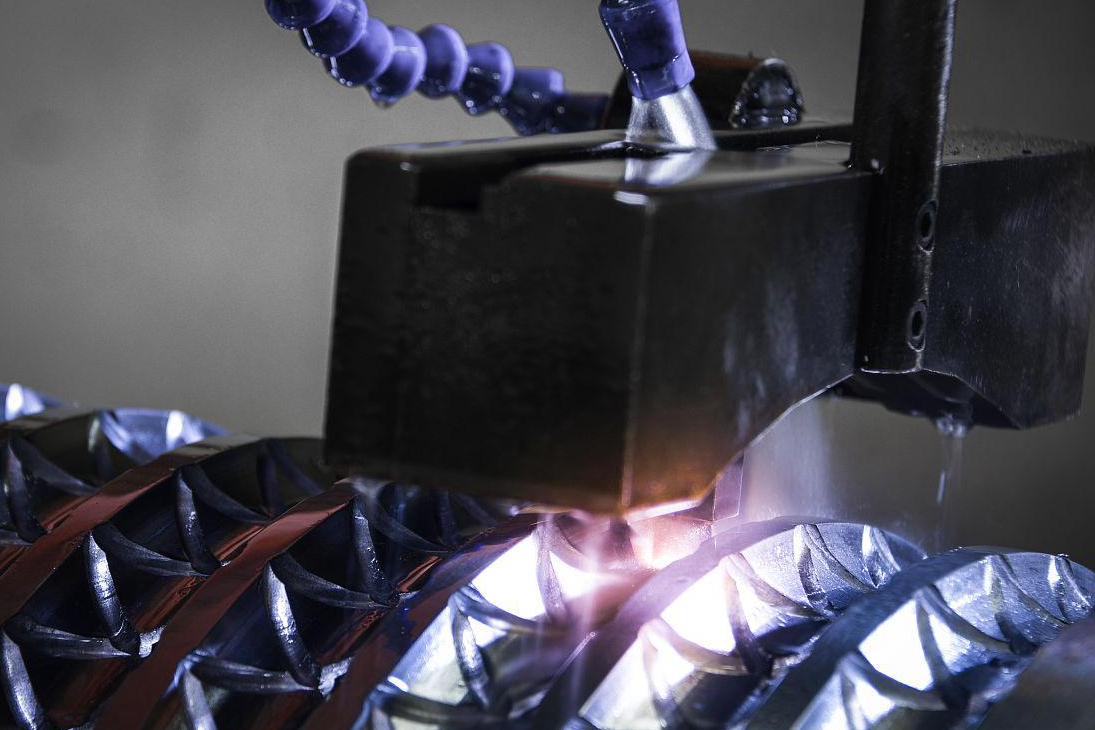
Mixing systems include rotating shafts and sealing interfaces that must meet tight tolerances. High-performance components are typically manufactured using superalloy CNC machining and refined using stress-relieving superalloy heat treatment. When wear surfaces require further reinforcement, cobalt-based alloys may undergo coating or precision finishing to enhance lifespan under continuous motion.
Industry Relevance and Lifecycle Performance
Mixing systems are widely used across contamination-sensitive sectors such as pharmaceutical and food and process-heavy industries like chemical processing. Superalloys enable consistent torque resistance, contamination prevention, and prolonged lifecycle stability. Their mechanical reliability also supports integration with automated systems requiring continuous performance under variable load conditions.