High-Temperature Alloy Armor System Parts Supplier
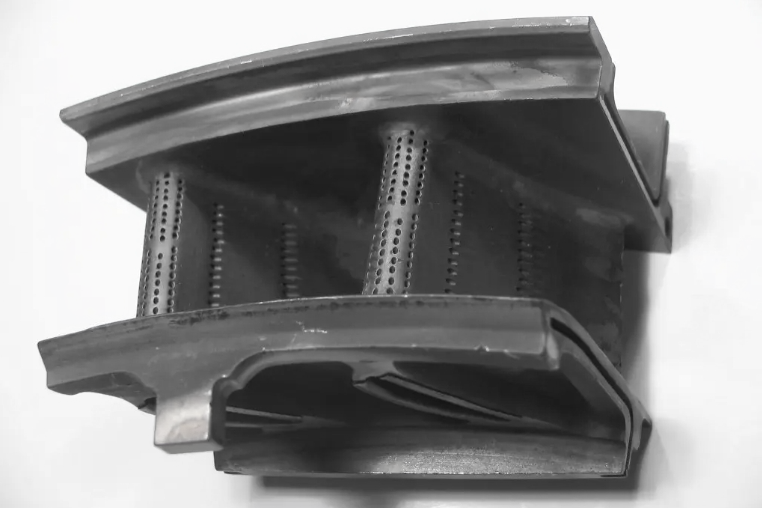
High-temperature alloy armor system parts should be quoted as industrial protective hardware, not as generic plate or cover pieces. In this context, armor refers to heat shields, wear liners, protective segments, impact-facing guards, furnace or exhaust shields, abrasion plates, and machine protection elements that defend equipment from heat, sliding contact, particle erosion, cleaning media, or corrosive gases. The buyer's RFQ should explain the threat to the part: thermal cycling, direct flame, hot gas, powder abrasion, chloride corrosion, chemical washdown, or mechanical contact.
Neway reviews these parts through alloy selection, casting route, machining allowance, heat treatment, surface finishing, and inspection evidence. A protective part that looks simple on a drawing may still require careful manufacturing control if it has mounting holes close to hot edges, lapped wear surfaces, curved shield geometry, thin ribs, bolt bosses, internal flow windows, or assembly slots. The quote should make clear whether the buyer needs a rough protective casting, a machined shield segment, a ready-to-install liner, or a prototype for equipment trial.
Define the Protective Function Before the Material
The most useful RFQ begins with the part's job in the equipment. A thermal shield near a burner or hot exhaust stream needs oxidation resistance and shape stability. A wear liner near abrasive particles needs hardness, toughness, and replaceability. A cover exposed to cleaning chemistry needs corrosion resistance and smooth surfaces. A guard that holds sensors, guides, or ducts may need dimensional stability more than maximum hardness. These details decide whether the alloy discussion starts with Inconel, Hastelloy, Stellite, cobalt-base alloys, stainless heat-resistant grades, or a nickel-base casting alloy.
Buyers should mark the surfaces that actually protect the machine. Some armor system parts protect through a sacrificial face that can wear. Others protect by reflecting heat, holding an air gap, supporting insulation, or shielding a seal. The part may fail by cracking near a mounting slot, bowing after heat exposure, galling against a mating part, or losing thickness under erosion. If the RFQ only says high-temperature alloy part, the supplier cannot judge which failure mode should control the route.
The equipment environment also affects inspection. Heat-shield panels may need flatness, hole position, and oxidation-resistant alloy control. Wear plates may need surface hardness, edge condition, and material certificate. Exhaust or furnace shields may need casting soundness and heat-treatment records. Neway can compare high-temperature alloy casting, Inconel alloy casting, Hastelloy alloy casting, and Stellite alloy casting when the buyer has not locked the grade.
Drawing and Sample Boundary for Replacement Shields
Industrial protective parts are often quoted from a used sample because the machine drawing is unavailable or the part was modified in service. That sample may be bent, thinned, cracked, heat-tinted, over-polished, or missing original edge geometry. The buyer should not ask the supplier to duplicate every mark on a used shield. Instead, identify the mounting pattern, protected envelope, clearance surfaces, allowable wear face, and any areas that may be rebuilt from the surrounding machine interface.
When a drawing exists, the supplier needs datum priority and functional surfaces. Mounting holes, slots, seal interfaces, standoffs, and contact faces should be separated from cosmetic or non-contact contours. For a curved shield or liner, the buyer should define whether the final part is inspected free state or clamped to a fixture. A shield that is acceptable after bolting may not look flat on a bench, and that distinction changes both manufacturing and inspection cost.
For prototype replacements, a staged route is often more practical than forcing a finished batch immediately. The supplier can measure the sample, propose corrected geometry, machine a first article or cast a trial blank, confirm fit, and then freeze the repeat route. This is especially useful when the part protects a heat zone or abrasive station where small clearance changes can affect assembly life.
Route Choice: Cast Shield, Machined Plate, or Wear Insert
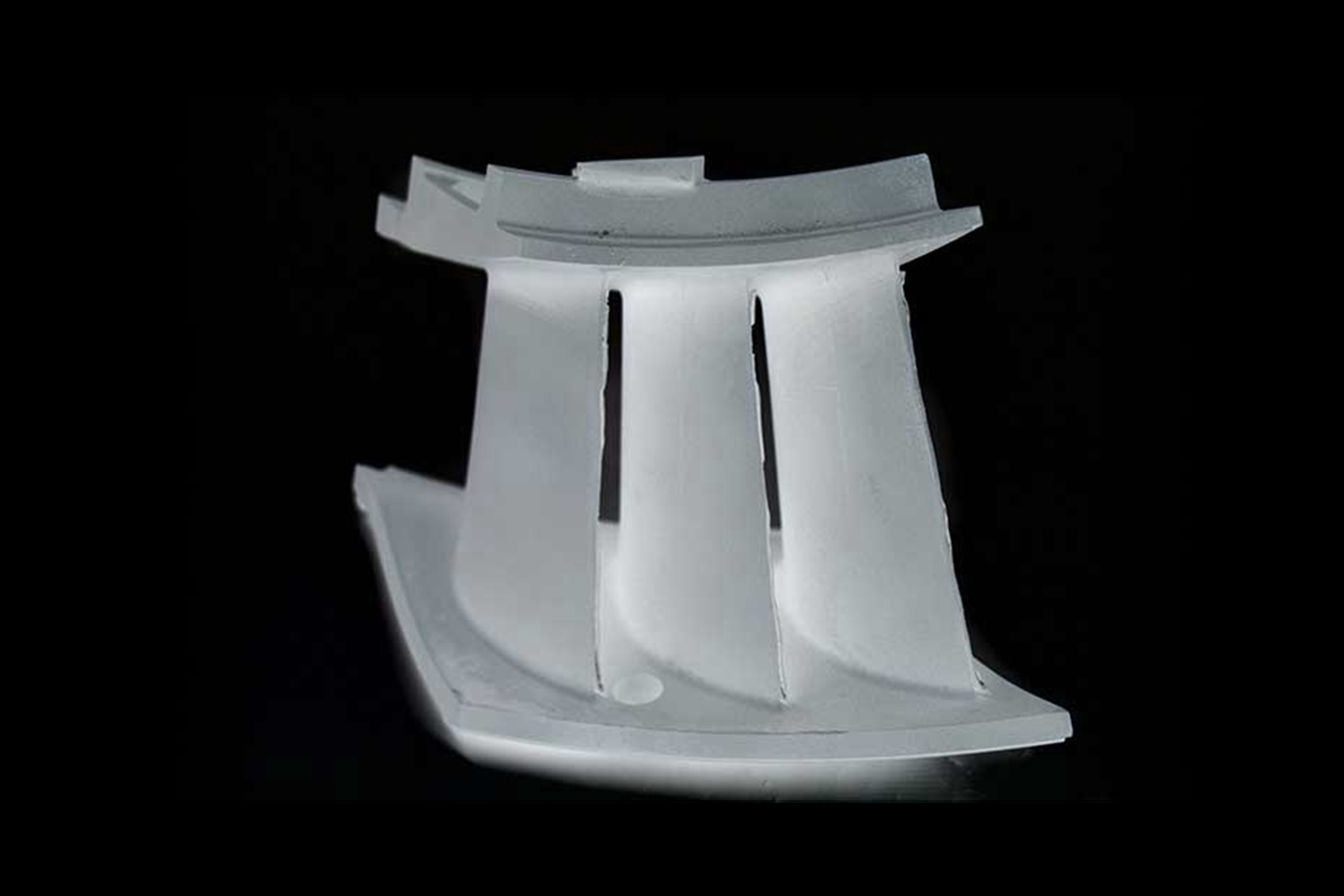
Vacuum investment casting is useful when the armor system part includes curved profiles, ribs, bosses, mounting pads, pockets, or repeated shield geometry. Casting can reduce machining time and avoid welded joints, but the RFQ must define machining stock, gate removal areas, and surfaces that require final finishing. Thin shield sections also need review for distortion during cooling and heat treatment.
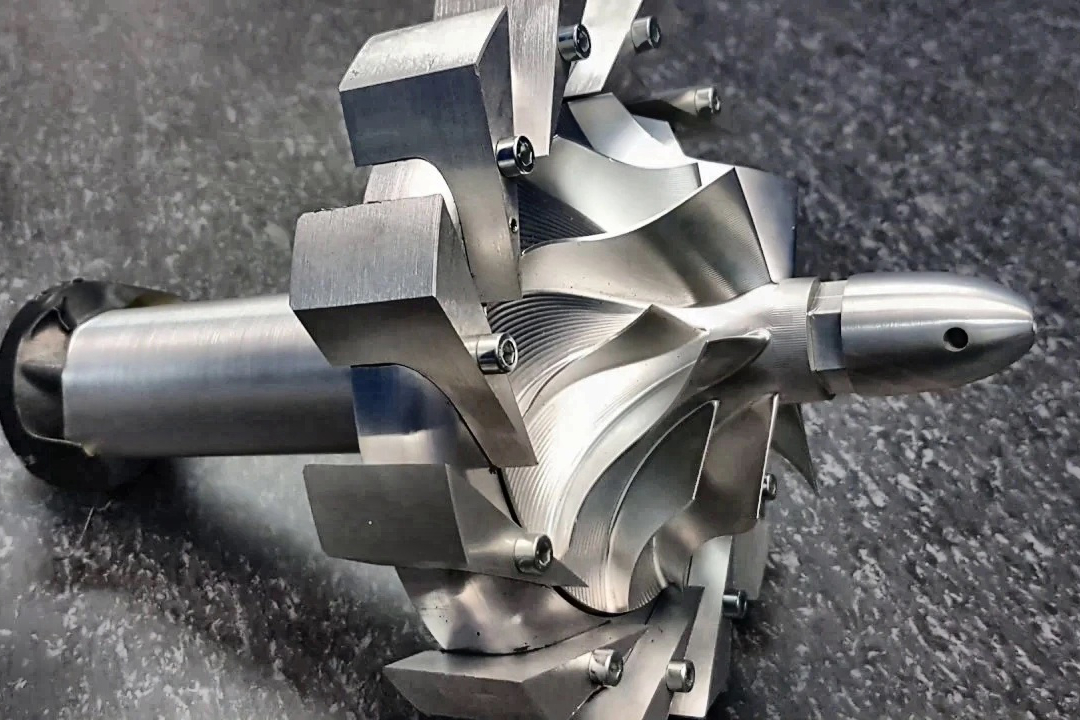
Machining from plate, bar, or cast billet may be better when the part is flat, has tight hole patterns, requires predictable thickness, or must be adjusted quickly during equipment trial. Superalloy CNC machining should account for tool wear, heat input, burr control, and the stiffness of the workpiece. If the design has slots, keyways, small windows, or hard-to-access notches, EDM may be part of the manufacturing plan.
Wear inserts require a different discussion. The buyer should state whether the insert is replaceable, whether it contacts another metal surface, whether lubrication is present, and whether the wear face can be resurfaced. Stellite or cobalt-base materials may be discussed for sliding and wear zones, but the mating material and temperature must be known. A hard insert can damage the opposing part if the pair is not reviewed as a system.
Protective part type | Main RFQ risk | Manufacturing route to review |
|---|---|---|
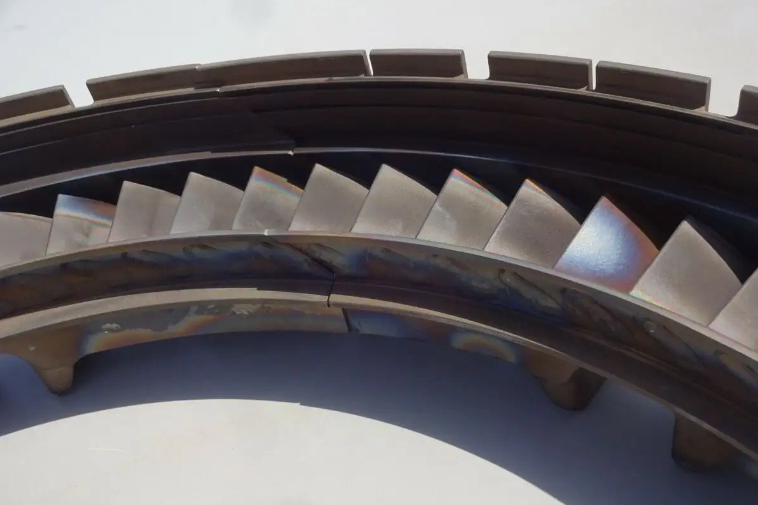
Curved hot shield or furnace liner | Distortion, oxidation, bolt-hole stability | Investment casting or formed/machined blank plus heat treatment |
Wear plate or sliding guard | Galling, edge chipping, replaceability | Machined insert, Stellite casting, or coated surface |
Exhaust cover or gas-path shield | Thermal cycling, crack initiation, surface scaling | Heat-resistant alloy casting with final machining |
Replacement from used sample | Wear correction and fit uncertainty | Reverse engineering plus first-article validation |
Machining Allowance Around Holes, Slots, and Edges
Protective parts often fail at holes and slots because those features combine heat, clamp load, vibration, and stress concentration. The RFQ should mark whether holes are cast, drilled, reamed, countersunk, slotted, or left for field adjustment. If thermal expansion is expected, slot direction and edge radius may matter more than a tight nominal dimension. Buyers should also state whether edges require blending to reduce crack initiation or whether a sharp scraping edge is intentional.
Machining allowance should be placed where the protective function requires it. A cast shield may need extra stock on mounting pads and seal edges, but not on every curved surface. A liner may need controlled thickness only at standoffs. A wear plate may need grinding or milling on the contact face while the back side remains as-cast or rough-machined. Clear classification helps the supplier price the real work instead of applying expensive finishing to non-functional areas.
For assemblies with multiple segments, the RFQ should include gap and stack-up information. Segment-to-segment clearance, bolt access, thermal growth direction, and replacement access can all change machining strategy. If the part will be installed during maintenance, the buyer should indicate whether field adjustment is allowed or whether every feature must be finished before shipment.
Heat Treatment, HIP, Coating, and Surface Condition
Post-processing should follow the alloy and the protective function. Heat treatment may be required to develop the expected microstructure or stabilize the part before machining. HIP may be considered for cast parts where internal soundness supports fatigue, pressure, or long thermal cycling service. Coatings may be discussed for oxidation, wear, or thermal barrier needs, but coating thickness and masked surfaces must be defined before final machining.
Surface condition can be as important as alloy. A protective face exposed to hot gas may need scale control and smooth transitions. A wear face may need controlled roughness and edge radius. A corrosion-exposed cover may need cleanable geometry and avoidance of crevices. A bolted shield may need stable flatness at pads but not a decorative finish elsewhere. The buyer should define finish by function, not by appearance.
When a coating is included, the RFQ should say whether the supplier delivers a coating-ready metal part or a fully processed component. If Neway quotes coating support through thermal barrier coating or related surface treatment, masking, thickness allowance, inspection method, and rework boundary should be part of the discussion.
Inspection Evidence for Protective System Parts
Inspection should prove that the part can protect the equipment, not simply that it resembles the sample. Dimensional checks should cover mounting datums, protective envelope, clearance surfaces, hole patterns, thickness at wear or heat-exposed faces, and segment gaps. Material certification should match the buyer-approved alloy. For cast parts, FPI can identify surface-breaking indications, and X-ray or CT may be useful when hidden cavities, thick-to-thin transitions, or pressure-related geometry are present.
Neway's material testing and analysis scope can support hardness checks, metallographic review, chemical analysis, dimensional inspection, and non-destructive testing when specified. Buyers should connect each inspection item to an acceptance decision. For example, flatness at bolt pads supports assembly, thickness at a wear face supports service review, and defect checks near a hot edge support confidence before installing the part in a difficult maintenance location.
For first articles, inspection should be compared with equipment fit. If a protective shield needs minor adjustment after trial assembly, the supplier and buyer should revise the drawing or machining program rather than relying on informal notes. Repeat orders become more reliable when the final accepted geometry is recorded with the route and inspection checklist.
RFQ Package for Small-Batch Protective Parts
A clear RFQ should include the drawing or sample photos, machine location, temperature range if known, corrosion or abrasion exposure, mating parts, installation method, quantity, target alloy or performance problem, required finish, and inspection records. If the buyer is unsure of material, describe the failure: heat distortion, cracking at a slot, rapid wear, oxidation scale, chemical attack, or loss of mounting stability. That failure story helps the supplier recommend a practical alloy and route.
For low-volume work, ask for separate pricing for first article review and repeat batch supply. First article work may include measurement, route planning, fixture design, casting review, machining setup, heat treatment, and inspection reporting. Repeat production should then follow the approved geometry and process route. This purchasing structure is often better than treating a one-off sample and a repeatable spare part as the same job.
Related FAQs
What major high-temperature alloys are used in engine components?
What materials are commonly used for exhaust system components?
What are the benefits of using superalloys in furnace assemblies?
How does vacuum investment casting contribute to the quality of superalloy furnace assemblies?
How do HIP and heat treatment boost durability of these components?
How is the quality of superalloy furnace assemblies ensured through inspection processes?