How do HIP and heat treatment boost durability of these components?
Defect Closure and Fatigue Improvement
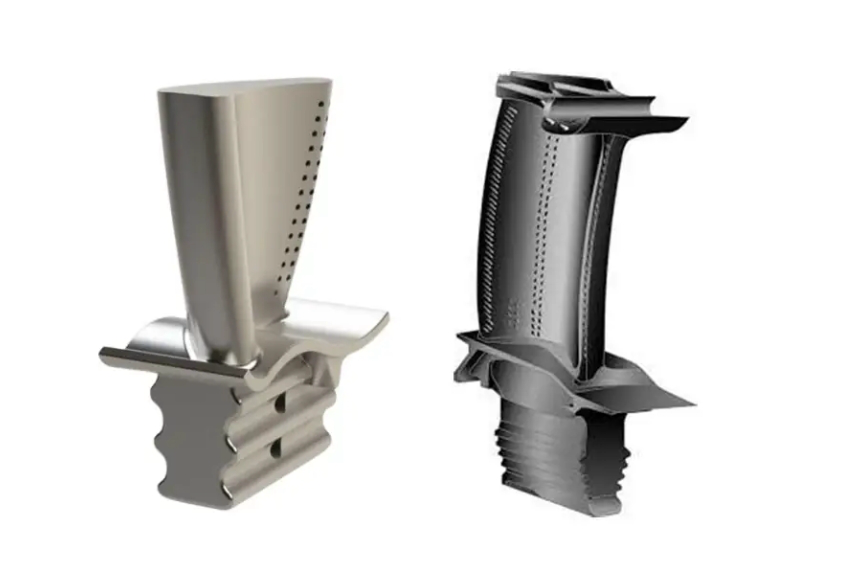
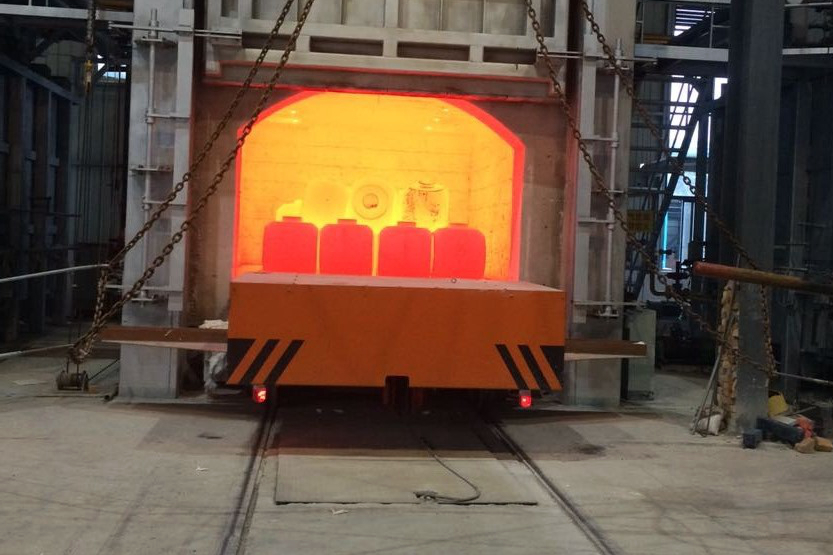
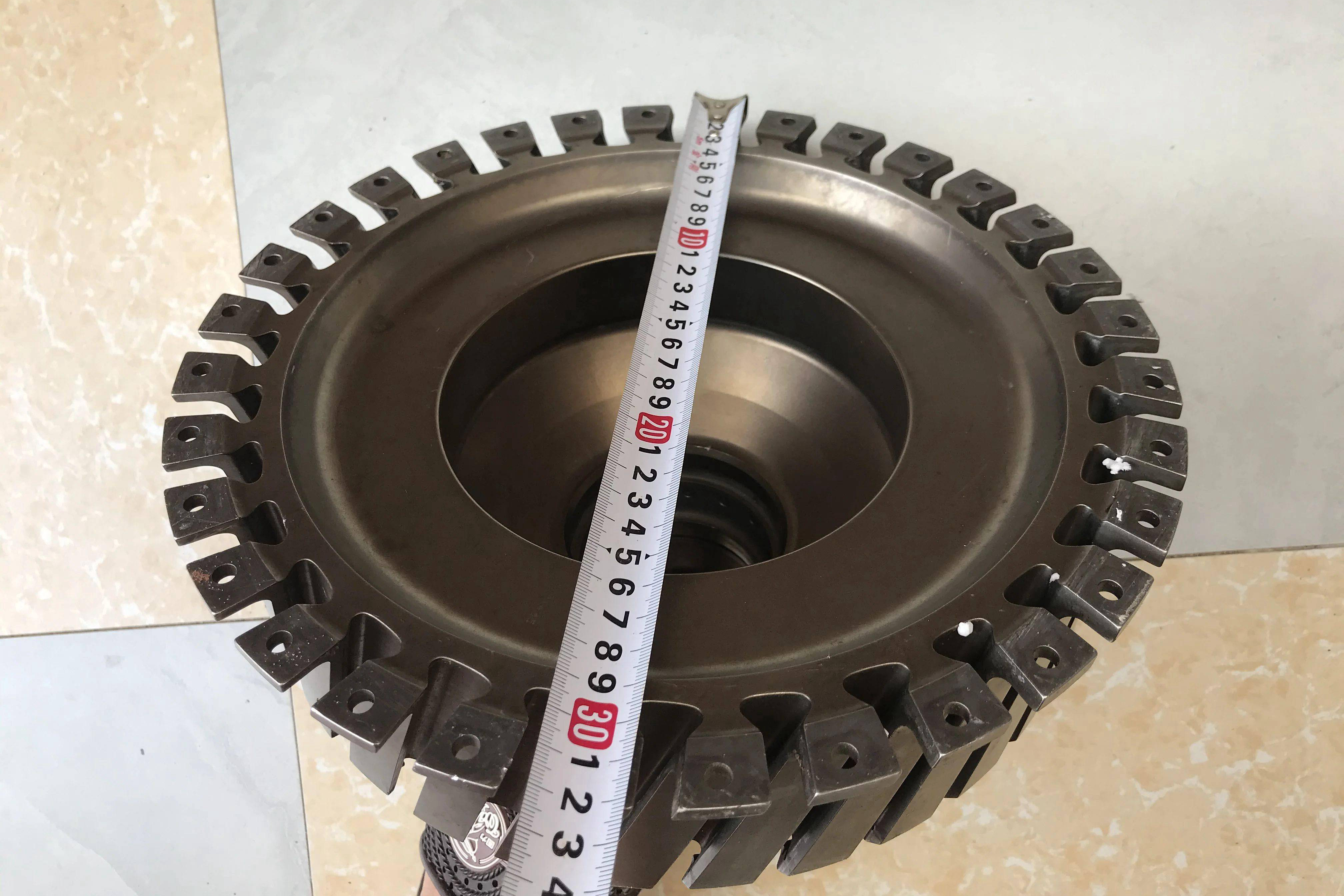
The combination of high temperature and high pressure in hot isostatic pressing (HIP) eliminates internal defects such as porosity and microcracks that form during casting or additive manufacturing. By diffusing and consolidating the material, HIP enhances fatigue resistance and significantly increases structural reliability—particularly vital for rotating engine parts and high-stress exhaust sections exposed to vibration and thermal shock.
Microstructure Stabilization via Heat Treatment
Heat treatment precisely controls grain growth and phase distribution within high-temperature alloys. Materials such as Inconel 718 and PWA 1484 benefit from tailored thermal cycles that optimize precipitation hardening of the γ′ and γ″ phases. This improves creep resistance, increases yield strength, and ensures stability under long-term exposure to high combustion temperatures.
Improved Wear and Corrosion Resistance
After HIP and thermal processing, the alloy surface and grain boundaries are strengthened, providing improved resistance to oxidation, hot corrosion, and particle erosion. This is essential for components operating in turbine exhaust or flame zones. Further enhancement can be achieved when heat treatment is combined with post-coating solutions such as thermal barrier coating (TBC), allowing the core structure to withstand prolonged exposure to extreme temperatures.
Integrated Performance Validation
Once HIP and heat treatment are complete, parts undergo material testing and analysis to verify microstructural integrity and mechanical performance. Non-destructive evaluation, cyclic loading tests, and thermal stress simulations provide feedback to ensure that the treatment achieves long-term durability. These steps are crucial for qualification in highly regulated sectors such as aerospace and aviation, where failure is unacceptable.