Haynes 188 Combustor Liner Casting and Coating-Readiness RFQs
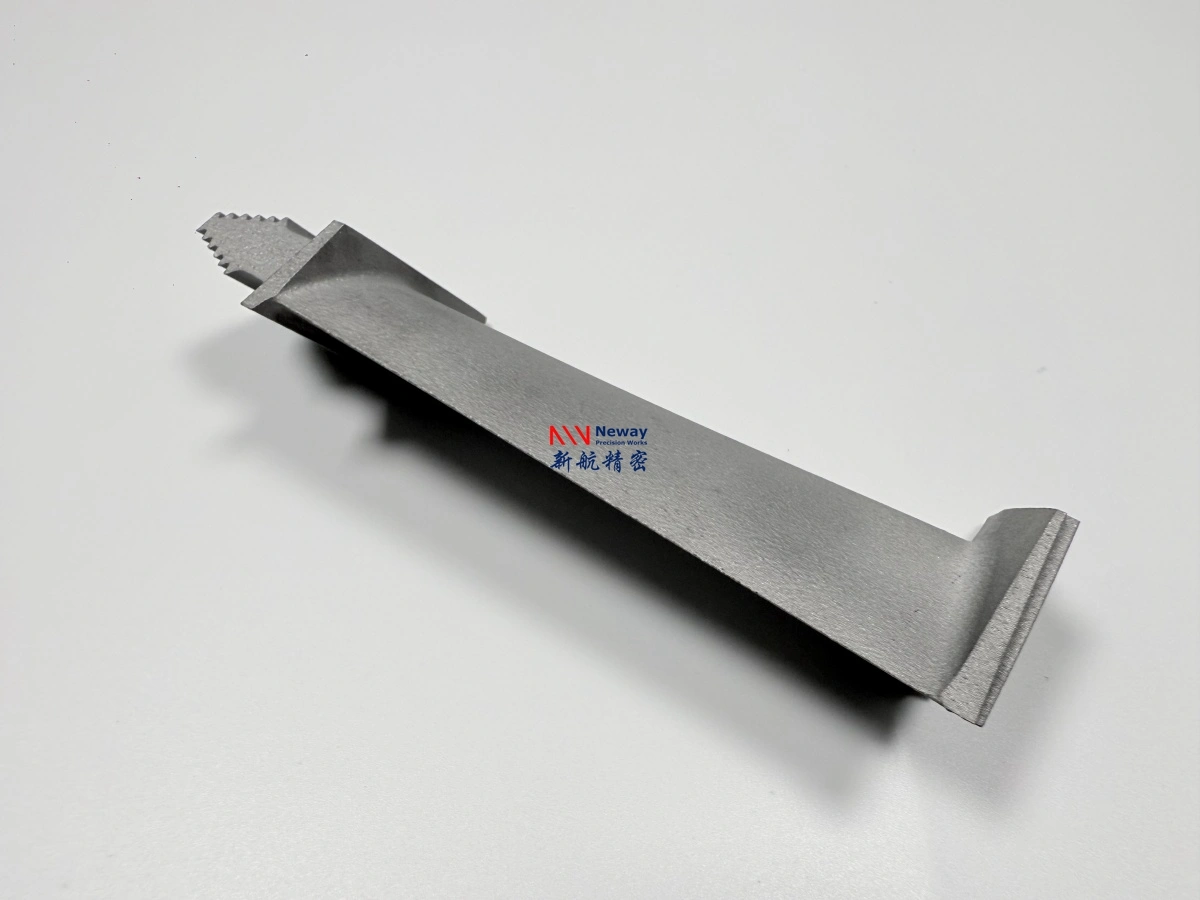
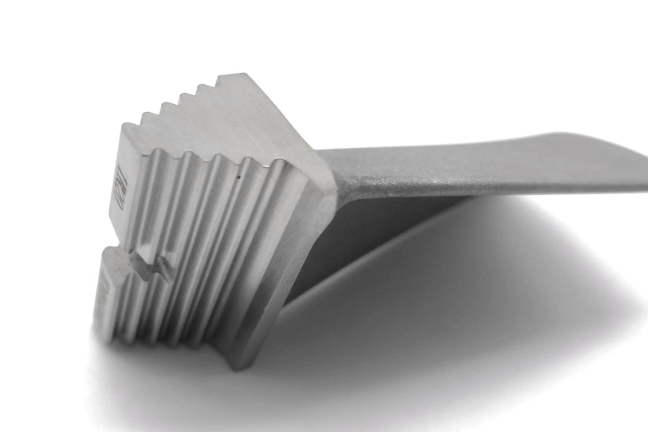
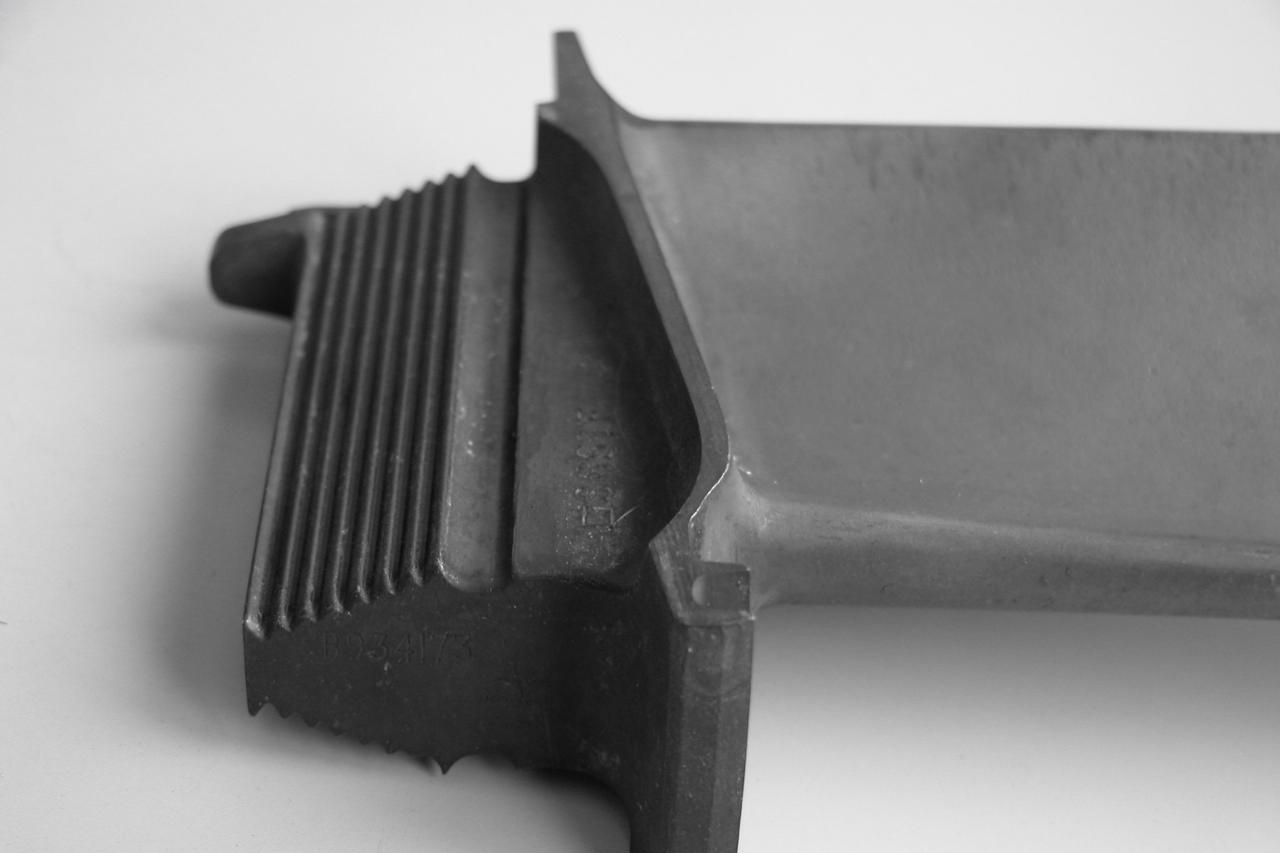
A Haynes 188 combustor liner RFQ should define what the supplier is actually being asked to deliver: a cast liner detail, a formed or fabricated shell, a machined insert, a coating-ready hot-section component, or a first-article package for a small batch. The alloy name is only the beginning. Quote accuracy depends on wall thickness, cooling features, hot-face condition, edge preparation, inspection method, and who owns the coating interface.
NewayAeroTech can review high-temperature alloy casting RFQs when buyers provide drawings, models, material requirements, quantity, delivery condition, inspection requirements, and coating notes. For combustor liners, the supplier also needs to know whether the design is new, reverse-engineered from a sample, or being re-sourced from an existing drawing package.
Define the Liner Boundary Before Pricing Haynes 188
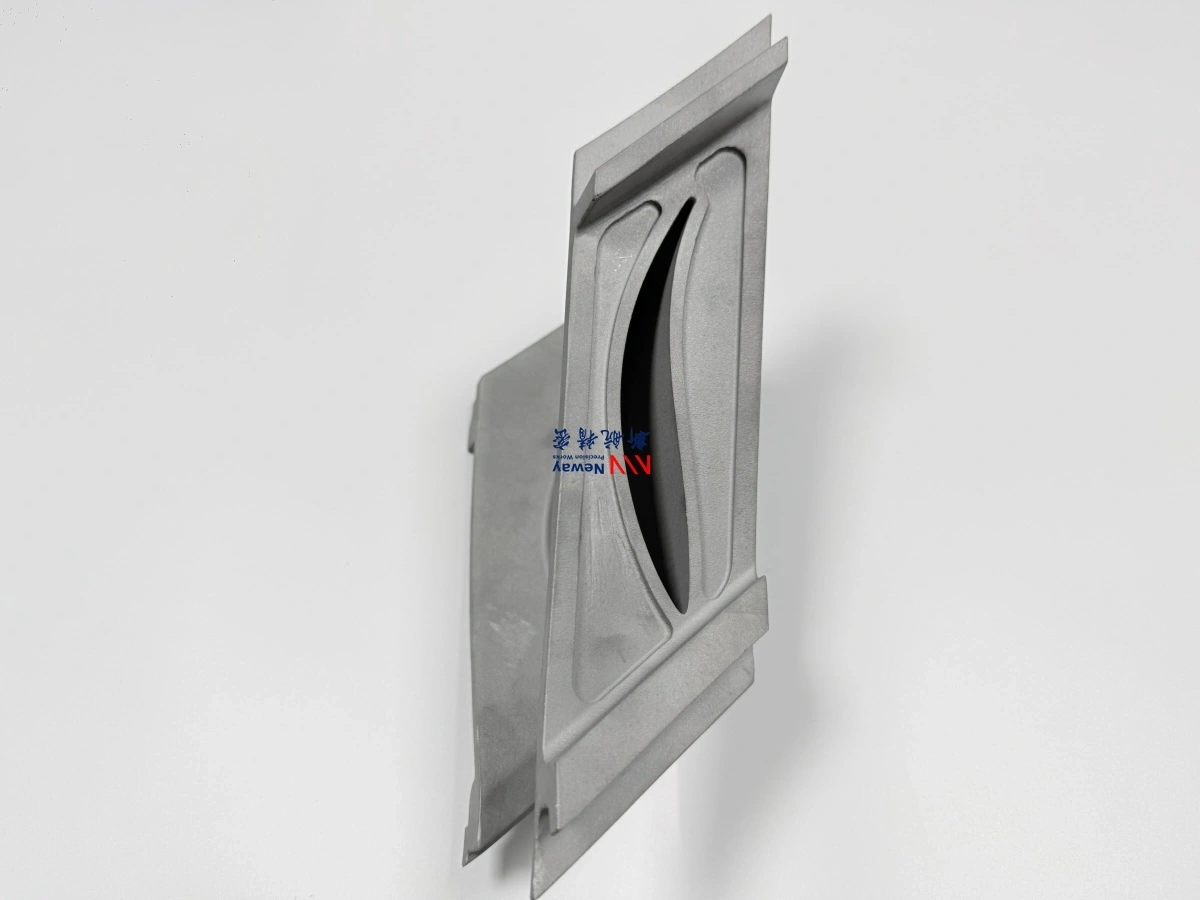
For this RFQ, buyers should first define which portion of the combustor liner is in scope. Some projects ask for a complete liner; others only need a liner segment, splash plate, dome detail, mounting band, transition feature, or cast insert that joins to sheet-metal hardware. A supplier cannot price the same way for all of these conditions because tooling, wall control, cleaning, machining, and inspection responsibilities change.
If Haynes 188 is fixed by the drawing, provide the material specification and any release records needed with shipment. If the buyer is still comparing Haynes 188 with another cobalt or nickel high-temperature alloy, state that as a design review question. NewayAeroTech can comment on manufacturability and process scope, but alloy approval and substitution limits should remain buyer-controlled.
A sample-based RFQ needs special care. A used combustor liner may have oxidation, coating residue, thermal bowing, crack repair, hole enlargement, edge wear, and local thinning. Those features should not be copied blindly into new manufacturing data. The RFQ should identify which sample features are references, which features are damaged, and which drawing or CAD model controls the new part.
Boundary item | Why it changes the quote | Buyer input needed |
|---|---|---|
Complete liner or segment | Sets tooling envelope, handling method, and inspection fixture size. | Part scope, segment count, assembly references, and quantity. |
Cast insert or formed shell | Separates casting responsibility from fabrication or welding responsibility. | Route expectation and joining surfaces. |
Material control | Defines chemistry, heat condition, and records required for release. | Haynes 188 specification, revision, and report requirement. |
Sample condition | Prevents worn geometry from becoming accidental design intent. | Damage map, coating residue notes, and drawing conflict list. |
The quotation should show whether NewayAeroTech is supplying a rough hot-section casting, a heat-treated blank, a machined liner detail, or a coating-ready component. A clear boundary protects the buyer from comparing a casting-only quote with a finished-part quote that includes inspection and surface preparation.
Review Thin-Wall Casting and Hole Feature Risk
Combustor liners often combine thin walls, local stiffening features, slots, holes, lips, flanges, and edges that control flow or assembly. Thin walls affect filling, shell support, distortion, and cleaning. Hole patterns can be cast, drilled, EDM-cut, or created after forming, depending on geometry and acceptance requirements. The RFQ should not assume that every visible hole or slot is produced by the same process.
Buyers should provide minimum wall thickness, local thickened areas, hole diameters, hole angles, edge radii, and any features that must remain sharp or coating-ready. If holes are functional for cooling or dilution, mark them separately from drain holes, assembly holes, or inspection access features. A supplier needs to know which holes require location reports and which are lower-risk manufacturing features.
If casting is used for the liner detail, the supplier should review wax pattern stability, shell strength, feeding, shrinkage, and cleanup access. If holes are produced after casting, the RFQ should define whether they are CNC drilled, EDM drilled, laser processed elsewhere, or left for buyer-side finishing. NewayAeroTech can support EDM or machining review when the buyer defines the feature map.
Hole and slot features also affect inspection. A simple dimensional report may not prove that an angled hole is open, clean, correctly oriented, and free from edge damage. The buyer should state whether location, diameter, angle, flow condition, burr condition, or visual cleanliness is part of acceptance. Those requirements should be quoted before tooling or first-article work begins.
Liner feature | Likely manufacturing question | Inspection question |
|---|---|---|
Thin wall | Can the wall be cast, formed, or supported without unacceptable distortion? | Where is wall thickness measured and how many points are reported? |
Cooling or dilution holes | Are holes cast, drilled, EDM-cut, or finished by the buyer? | Is diameter, angle, location, edge condition, or openness required? |
Lip or flange edge | Does the edge need machining stock or controlled blending? | Is flatness, profile, or surface finish reported? |
Local boss or pad | Does the thick section create shrinkage or cleanup risk? | Is X-ray, FPI, or section-specific review required? |
Prepare Surfaces for Coating Without Hiding Manufacturing Risk
Coating readiness should be defined before the RFQ is priced. A combustor liner may need a surface condition suitable for thermal barrier coating, oxidation-resistant coating, bond coat, or buyer-side surface preparation. The supplier should know whether it is responsible for final coating, pre-coating preparation, cleaning, masking support, or only a cast and machined substrate.
This surface changes the machining and inspection scope because coating can hide small cleanup decisions that should be approved earlier. A hot face that will be coated may still need surface indication review, controlled roughness, edge break instructions, and no heavy blending in functional zones. If the buyer wants coating applied after first-article approval, the RFQ should define what substrate evidence is reviewed before coating starts.
NewayAeroTech can review thermal barrier coating readiness when the buyer identifies the coating system boundary. If coating is outside NewayAeroTech's scope, the drawing should still state surface condition at shipment. For example, the buyer may ask for cleaned, inspected, and protected surfaces rather than polished surfaces that reduce coating adhesion.
Coating preparation should also protect holes and edges. If coating thickness affects hole diameter or edge clearance, the buyer should identify blocked zones, masking surfaces, and features that must be checked after coating by the coating supplier or final assembler. A casting supplier cannot control a later coating process unless the RFQ includes that responsibility.
For small-batch liners, use the first article to settle the substrate condition. Review whether FPI, dimensional inspection, cleaning, edge finishing, and surface roughness meet the buyer's pre-coating expectations. If changes are needed, update the drawing notes or manufacturing plan before repeat parts move forward.
Inspection Evidence for Combustor Liner Release
Combustor liner inspection should be feature-based. A buyer should not ask for broad inspection wording and then expect the supplier to guess which surfaces deserve the most evidence. The RFQ should identify hot-face areas, holes or slots, mounting edges, thick-to-thin transitions, coating-ready surfaces, and datum features. Each zone should have a suitable inspection method and report expectation.
For a cast Haynes 188 liner detail, possible evidence includes material records, dimensional inspection, wall-thickness checks, FPI, visual review, X-ray or CT where casting risk justifies it, and surface condition review before coating. For a machined or EDM-finished liner, CMM and feature-specific checks may be needed after final processing. For a coating-ready substrate, inspection before coating should be separated from inspection after coating by the responsible party.
NewayAeroTech can support superalloy material testing and analysis when acceptance standards are defined. The buyer should specify whether reports are needed per part, per lot, or only for the first article. If the drawing has critical areas, mark them directly so the supplier does not apply the same inspection burden to every nonfunctional surface.
Evidence | Best timing | Combustor liner use |
|---|---|---|
Material record | Before shipment and tied to the lot. | Confirms Haynes 188 requirement and traceability. |
Wall-thickness check | After forming or casting cleanup. | Shows thin-wall zones have not been locally thinned beyond drawing intent. |
FPI | After cleanup and before coating if required. | Reviews surface indications on hot-face and edge features. |
Dimensional report | After final machining or feature processing. | Verifies flanges, hole locations, lips, and datums. |
Coating-readiness review | Before shipment or before coating transfer. | Confirms surface condition, cleaning state, and protected zones. |
The first article should produce enough evidence to approve the route, not only the part. If the liner changes shape during heat treatment, machining, or handling, the first-article review should capture that behavior and define corrections before repeat pieces are released.
RFQ Checklist for Haynes 188 Combustor Liner Buyers
A complete RFQ should include the drawing, CAD model, Haynes 188 specification, wall-thickness map, hole or slot feature list, edge condition, coating boundary, quantity, delivery condition, inspection records, and first-article expectation. If a sample is supplied, include photos, damage notes, coating residue notes, and the drawing authority that controls new manufacturing.
Ask the supplier to separate casting, forming or fabrication, heat treatment, machining, EDM or hole processing, surface preparation, coating support, inspection, and documentation. If the buyer needs only the cast blank, say what stock and records must be supplied. If the buyer needs a coating-ready part, define the surface condition and inspection hold point before coating.
For prototype or low-volume work, ask for route comments before tooling approval. The supplier should identify wall areas that need design review, hole features that may need post-cast processing, and surfaces where coating preparation affects acceptance. These comments are more useful when the buyer provides functional zones instead of only a finished model.
Send NewayAeroTech the material callout, liner geometry, functional surface map, coating notes, hole feature requirements, quantity, delivery condition, and inspection standard. A well-prepared RFQ helps turn Haynes 188 combustor liner manufacturing from an alloy-price request into a controllable hot-section supply scope.
Related FAQs
What are the key challenges in manufacturing superalloy exhaust system components?
What are the main benefits of using superalloys in exhaust system modules?
What are the typical applications of superalloy exhaust system parts in aerospace?
What should be controlled before applying TBC coating to Inconel 738LC metallic heat shield tiles?
How does thermal barrier coating help extend turbine blade lifespan?
Which testing methods ensure quality of superalloy components?