What Should Be Controlled Before Applying TBC Coating to Inconel 738LC Metallic Heat Shield Tiles?
What Should Be Controlled Before Applying TBC Coating to Inconel 738LC Metallic Heat Shield Tiles?
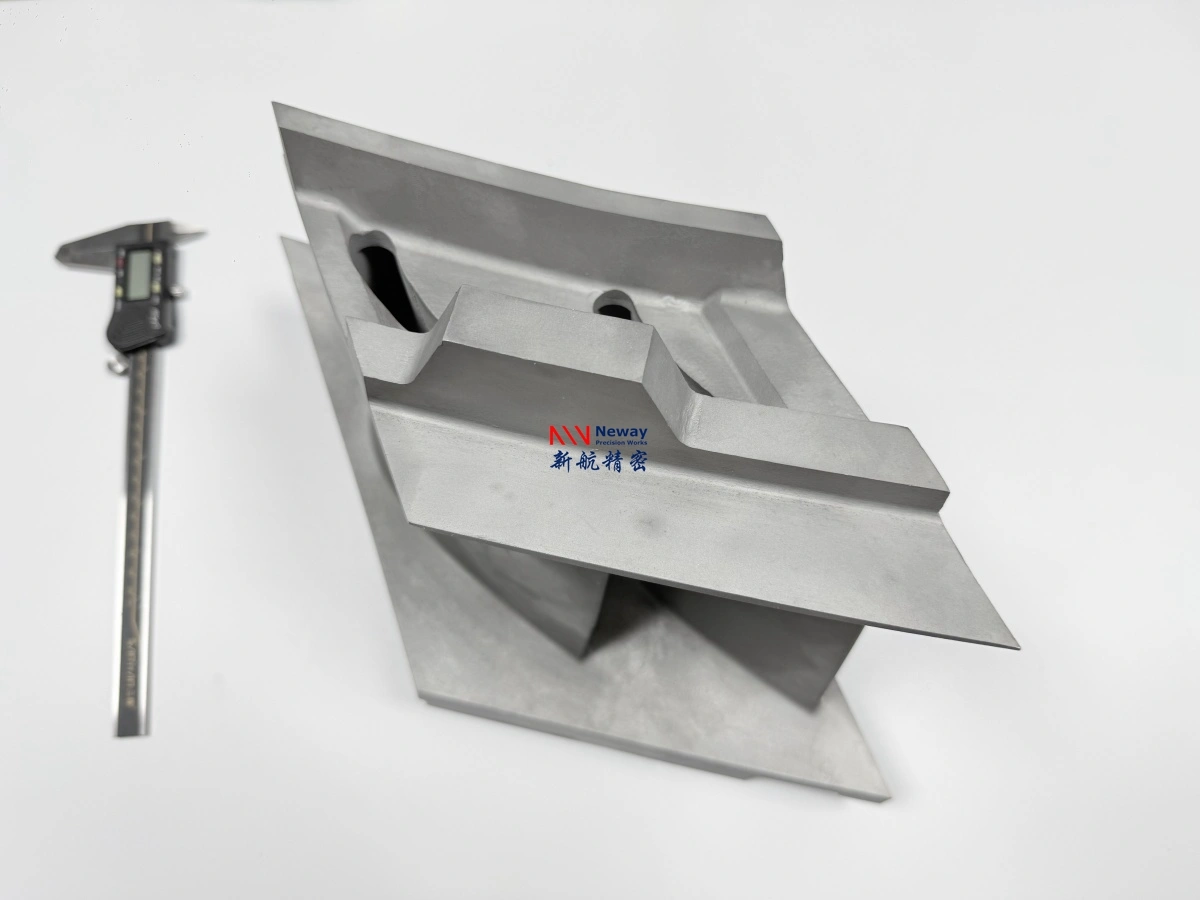
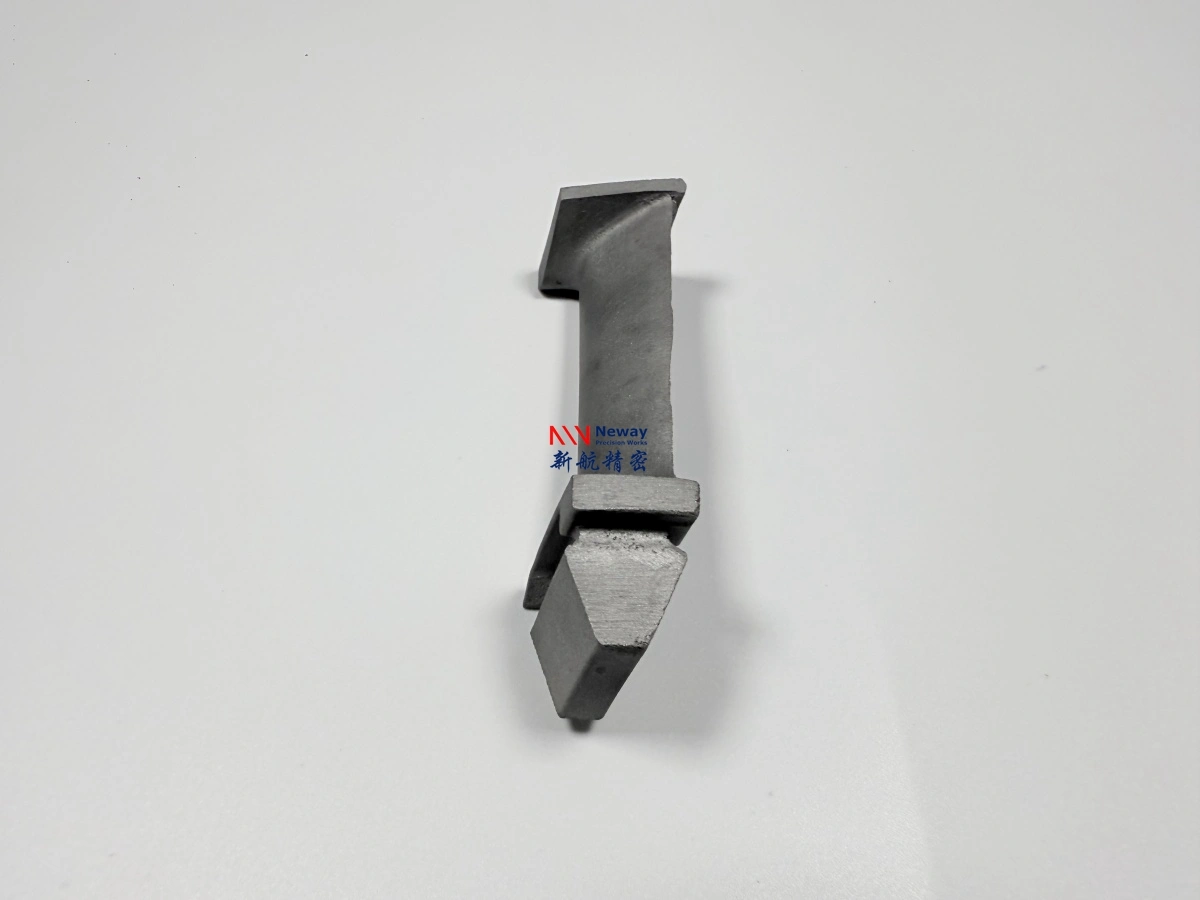
Before applying TBC coating to Inconel 738LC metallic heat shield tiles, the substrate dimensions, surface condition, cleanliness, edge quality, hole and slot condition, surface roughness, coating allowance, and inspection baseline must be controlled. TBC coating can improve thermal protection, but it cannot correct poor casting quality, incorrect machining dimensions, cracked edges, contaminated surfaces, or blocked holes.
For SGT5-4000F MHS tiles, TBC coating should be planned as part of the complete manufacturing route for high-temperature Superalloys and Inconel alloy components. The final coating performance depends on the cast substrate, heat treatment stability, CNC machining accuracy, EDM edge condition, coating preparation, and final dimensional verification.


1. Direct Answer: What Must Be Controlled Before TBC Coating?
Before TBC coating, the Inconel 738LC heat shield substrate must be dimensionally correct, crack-free, clean, properly roughened, free from oil or oxide scale, and prepared with enough coating allowance. Holes, slots, sealing edges, mounting surfaces, and masked areas must also be verified because coating thickness can change final fit and functional clearances.
Control Item | Why It Matters Before TBC | Typical Quality Focus |
|---|---|---|
Substrate dimensions | Coating thickness affects final assembly fit, tile gaps, holes, and sealing edges. | Pre-coating dimensional inspection and coating allowance planning. |
Surface cleanliness | Oil, dust, oxide scale, or residue can reduce coating adhesion. | Degreasing, cleaning, drying, and contamination control. |
Surface roughness | Controlled roughness supports mechanical bonding and coating stability. | Blasting condition, roughness range, and surface uniformity. |
Edge and hole quality | Burrs, cracks, and loose recast layers can trigger coating defects or local failure. | Deburring, crack inspection, EDM recast layer control, and opening verification. |
Masking areas | Some mounting faces, holes, and contact features may need to remain uncoated. | Clear coating boundary definition and masking inspection. |
Inspection baseline | Pre-coating defects may be difficult to identify after coating. | Visual inspection, FPI if required, dimensional report, and defect review. |
2. Why Is TBC Needed on SGT5-4000F Metallic Heat Shield Tiles?
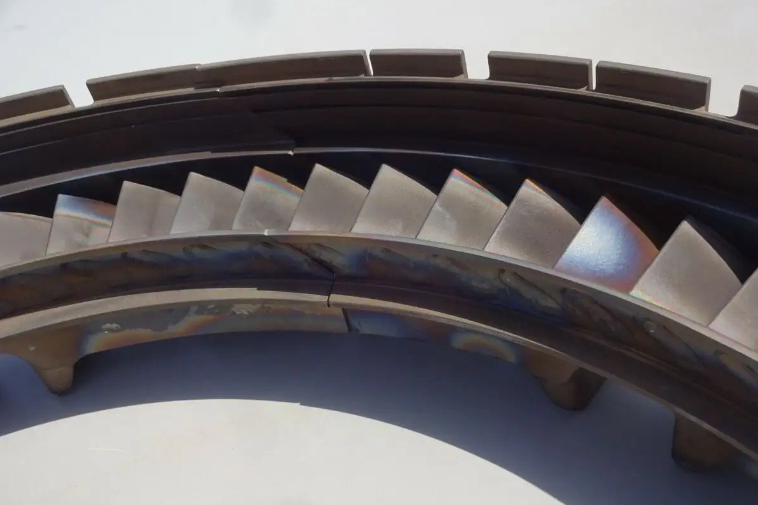
TBC is needed because SGT5-4000F metallic heat shield tiles operate in a high-temperature gas turbine environment with hot gas exposure, thermal gradients, oxidation, and repeated thermal cycling. The thermal barrier coating helps reduce the heat transferred into the Inconel 738LC substrate, lowering the base metal temperature and supporting longer component life.
However, TBC should not be treated as a simple final surface layer. If the cast substrate has porosity, cracks, poor surface condition, unstable dimensions, or incorrect edge geometry, the coating can delaminate, crack, spall, or create local hot spots during turbine service.
TBC Function | Benefit for MHS Tiles | Risk If Not Controlled |
|---|---|---|
Thermal insulation | Reduces heat transfer into the metallic substrate. | Local overheating if coating is thin, missing, or damaged. |
Hot gas protection | Protects the hot-side surface from direct severe gas exposure. | Oxidation and accelerated surface degradation. |
Thermal fatigue reduction | Helps manage temperature gradients during start-stop cycles. | Cracking, coating spallation, or substrate fatigue. |
Life extension | Supports longer maintenance intervals when coating and substrate are compatible. | Early replacement if coating adhesion or substrate preparation is poor. |
3. How Should Dimensional Allowance Be Controlled Before TBC?
Dimensional allowance must be controlled because TBC coating adds thickness to the metallic heat shield surface. This thickness can affect tile-to-tile clearance, mounting holes, sealing edges, contact surfaces, installation boundaries, and local gaps. If coating allowance is not included before machining, the finished MHS tile may be too tight, misaligned, or difficult to install.
For SGT5-4000F MHS tiles, Superalloy CNC Machining should be planned with coating thickness, masking area, datum strategy, and final inspection in mind. Machining dimensions before coating should not simply match the final drawing unless the drawing clearly defines whether dimensions are before coating or after coating.
Dimensional Area | Coating Influence | Pre-TBC Control Method |
|---|---|---|
Mounting surfaces | Coating may interfere with seating or contact if not masked. | Define coated and uncoated zones clearly before machining and masking. |
Sealing edges | Extra coating thickness can reduce designed clearance or create interference. | Plan edge allowance and verify final sealing profile after coating. |
Hole diameters | Overspray or coating buildup may reduce opening size. | Mask, re-check, or clean holes according to specification. |
Slots and narrow features | Coating may partially block narrow openings. | Confirm slot width before coating and inspect after coating. |
Tile-to-tile gaps | Coating thickness can reduce assembly clearance between adjacent tiles. | Include coating allowance in dimensional planning and final fit review. |
Datum areas | Coating on datum surfaces can change inspection reference points. | Define whether datum surfaces are coated, masked, or machined after coating. |
4. What Surface Preparation Is Needed Before TBC?
Surface preparation before TBC coating usually includes cleaning, degreasing, oxide removal, controlled blasting, roughness control, and drying. The goal is to create a clean and stable surface that supports coating adhesion without damaging the Inconel 738LC substrate or critical machined features.
For cast MHS tiles, surface preparation should also consider the quality of the casting substrate. Special Alloy Casting and Equiaxed Crystal Casting must control surface defects, shrinkage-related features, oxide contamination, and local deformation before coating preparation begins.
Surface Preparation Step | Purpose | Risk If Poorly Controlled |
|---|---|---|
Degreasing | Removes oil, cutting fluid, fingerprints, and handling contamination. | Poor adhesion, local peeling, or coating contamination. |
Oxide scale removal | Removes unstable oxide or heat-treatment scale. | Weak coating interface or early spallation. |
Controlled blasting | Creates surface roughness for coating bonding. | Over-blasting, embedded media, edge damage, or uneven coating base. |
Roughness control | Supports repeatable coating adhesion and coating thickness. | Adhesion failure if too smooth; stress concentration if too aggressive. |
Cleaning and drying | Removes dust, abrasive media, and moisture before coating. | Inclusion defects, poor coating quality, or oxidation. |
5. Why Are Edge and Hole Quality Important Before TBC?
Edge and hole quality are important because TBC coating cannot reliably cover or protect unstable edges, cracks, burrs, loose recast layers, or blocked openings. MHS tiles often contain mounting holes, narrow slots, edge features, and local interfaces that must remain functional after coating.
When Superalloy Electrical Discharge Machining EDM is used to create slots, holes, or complex local details, the EDM surface should be checked for recast layer condition, microcracks, edge sharpness, and residue. If necessary, post-EDM cleaning, light polishing, or inspection should be completed before coating.
Feature | Pre-TBC Risk | Control Requirement |
|---|---|---|
EDM slots | Loose recast layer, microcracks, residue, or blocked slot geometry. | Recast layer control, cleaning, visual inspection, and dimensional check. |
Mounting holes | Burrs or coating buildup may affect assembly. | Deburring, masking, and post-coating hole verification. |
Sealing edges | Sharp damage or coating buildup may create interference or hot gas leakage. | Edge finishing, radius control, coating boundary definition, and final fit check. |
Thin edges | Over-blasting or coating stress may cause local chipping or cracking. | Controlled blasting pressure, edge inspection, and handling protection. |
Back-side contact features | Unwanted coating may affect seating or support contact. | Masking and dimensional verification after coating. |
6. How Do Heat Treatment and HIP Affect TBC Readiness?
Heat treatment can improve substrate stability before TBC coating by controlling microstructure, relieving stress, and supporting high-temperature performance. For Inconel 738LC MHS tiles, heat treatment should be completed according to the material specification or customer requirement before final coating preparation.
Superalloy Heat Treatment helps reduce instability that could later contribute to distortion, cracking, or coating failure. For high-reliability castings, Superalloy Hot Isostatic Pressing HIP may also be considered to improve internal density and reduce porosity-related risk before coating and final service.
Process | Benefit Before TBC | Control Focus |
|---|---|---|
Heat treatment | Stabilizes microstructure and reduces process-related stress. | Temperature, holding time, cooling method, atmosphere, and batch record. |
HIP | Improves internal density and reduces some casting porosity risks. | HIP cycle, acceptance criteria, cost-performance review, and documentation. |
Post-treatment inspection | Confirms no distortion, cracks, or unacceptable surface condition before coating. | Dimensional check, visual inspection, and surface condition review. |
Surface re-preparation | Removes oxide scale or contamination after thermal processing. | Cleaning, oxide removal, blasting, and roughness verification. |
7. What Coating Risks Must Be Controlled?
The main TBC coating risks on Inconel 738LC metallic heat shield tiles include coating delamination, cracking, spallation, oxidation, thermal fatigue, local hot spots, and warping. These risks are often caused by a combination of substrate defects, poor surface preparation, incorrect coating thickness, thermal mismatch, or uncontrolled dimensional allowance.
Coating Risk | Possible Cause | Prevention Focus |
|---|---|---|
Delamination | Poor surface preparation, contamination, oxide scale, or weak interface. | Cleaning, roughness control, blasting consistency, and surface inspection. |
Cracking | Thermal mismatch, sharp edges, substrate cracks, or excessive coating stress. | Edge quality, coating thickness control, and substrate crack inspection. |
Spallation | Thermal cycling, poor adhesion, oxidation growth, or substrate instability. | Heat treatment, surface preparation, coating quality control, and thermal-cycle review. |
Local oxidation | Coating damage, missing coating, exposed substrate, or hot gas leakage. | Coating coverage inspection and sealing edge control. |
Local warping | Residual stress, uneven coating, thermal gradient, or thin-wall instability. | Substrate stabilization, uniform coating, and dimensional verification. |
Blocked openings | Overspray, coating buildup, or poor masking around holes and slots. | Masking, cleaning, and post-coating opening inspection. |
8. What Coating Inspection Should Be Performed?
TBC coating inspection should verify coating thickness, visual condition, surface coverage, cracks, delamination, spallation, oxidation, blocked holes, and coating boundary accuracy. The inspection level should be agreed before production because coating documentation can affect cost, lead time, and acceptance requirements.
Superalloy Material Testing and Analysis can support material verification, failure analysis, coating-related review, and hot-section part validation. For replacement MHS tiles, coating inspection should be combined with dimensional inspection because coating thickness directly affects assembly and sealing performance.
Inspection Item | What It Verifies | Why It Matters |
|---|---|---|
Coating thickness | Confirms the coating is within the specified thickness range. | Affects thermal protection and final fit. |
Visual condition | Checks cracks, chips, delamination, exposed substrate, and local defects. | Prevents defective coating from entering service. |
Coverage area | Confirms coating is applied only where required. | Prevents missing protection or unwanted coating on assembly surfaces. |
Hole and slot condition | Checks whether openings remain clear after coating. | Prevents assembly or functional blockage issues. |
Boundary accuracy | Verifies masking lines and coating transitions. | Protects mounting faces, sealing areas, and datum surfaces. |
Substrate-related defects | Identifies coating defects that may indicate cracks or unstable substrate areas. | Supports root-cause review before shipment. |
9. What Final Verification Is Needed After TBC Coating?
After TBC coating, the finished Inconel 738LC metallic heat shield tile should be rechecked for critical dimensions, mounting surface condition, holes, slots, sealing edges, tile-to-tile clearance zones, coating coverage, and visual defects. This final verification confirms that the part is not only coated correctly, but also still fits and functions as a gas turbine heat shield.
Final Verification Item | Recommended Check | Reason |
|---|---|---|
Critical dimensions | Measure coated dimensions, uncoated datum areas, edge profile, and overall geometry. | Confirms final part remains within assembly requirements. |
Mounting surfaces | Check whether protected or masked areas remain usable for installation. | Prevents seating, contact, or fastening problems. |
Holes and slots | Verify clear openings, no excessive coating buildup, and no loose debris. | Ensures features remain functional after coating. |
Sealing edges | Inspect coating transition, edge quality, and clearance-sensitive areas. | Prevents hot gas leakage, interference, or local overheating. |
Coating appearance | Check cracks, peeling, chips, oxidation marks, and exposed substrate. | Identifies coating defects before shipment. |
Documentation | Prepare coating inspection records, dimensional reports, material records, and COC if required. | Supports maintenance approval and customer quality review. |
10. What Should Buyers Include in a TBC-Coated Heat Shield RFQ?
For a TBC coated superalloy heat shield RFQ, buyers should provide the turbine model, part number, base material specification, drawings, 3D files or scan data, coating specification, coated and uncoated areas, coating thickness requirement, inspection standard, quantity, and service condition. If the coating requirement is not fully defined, old part photos and failure information can help the supplier review practical coating and inspection needs.
RFQ Information | Recommended Input | Why It Matters |
|---|---|---|
Base material | Inconel 738LC, customer material standard, or approved equivalent alloy. | Confirms substrate compatibility with heat treatment and coating process. |
Coating specification | TBC type, coating thickness, bond coat requirement, or OEM coating standard. | Defines coating route, surface preparation, and inspection method. |
Coating boundary | Clearly mark coated and masked areas on drawing or photos. | Prevents coating on mounting faces, holes, or datum surfaces where it is not allowed. |
Dimensional requirement | State whether dimensions apply before coating or after coating. | Prevents mismatch between machining dimensions and final coated dimensions. |
Inspection requirement | Coating thickness, visual inspection, dimensional report, FPI, material report, or COC. | Defines quality-control scope and documentation package. |
Failure information | Photos of coating loss, cracks, oxidation, warping, blocked holes, or overheated areas. | Helps identify whether failure is related to coating, substrate, geometry, or operating condition. |
11. Summary
Before applying TBC coating to Inconel 738LC metallic heat shield tiles, the substrate dimensions, surface cleanliness, roughness, edge condition, hole and slot quality, coating allowance, masking areas, and inspection baseline must be carefully controlled. TBC can reduce thermal load on the metallic substrate, but it cannot compensate for poor casting quality, incorrect machining, unstable edges, contamination, or missing dimensional allowance.
For SGT5-4000F TBC coated metallic heat shields, reliable manufacturing requires coordinated control of special alloy casting, equiaxed crystal casting feasibility, heat treatment, optional HIP, superalloy CNC machining, EDM, surface preparation, coating inspection, and final verification. Buyers should define both coating requirements and final fit requirements so the finished MHS tile can meet thermal protection, installation, and service reliability expectations.